When Is Watermelon Season and How to Pick the Sweetest
Senior Fitness & Outdoor Gear Writer at Gym Hike · NASM Certified Personal Trainer (CPT), Wilderness First Responder · 10+ years testing home gym equipment, strength training, and outdoor trail hiking
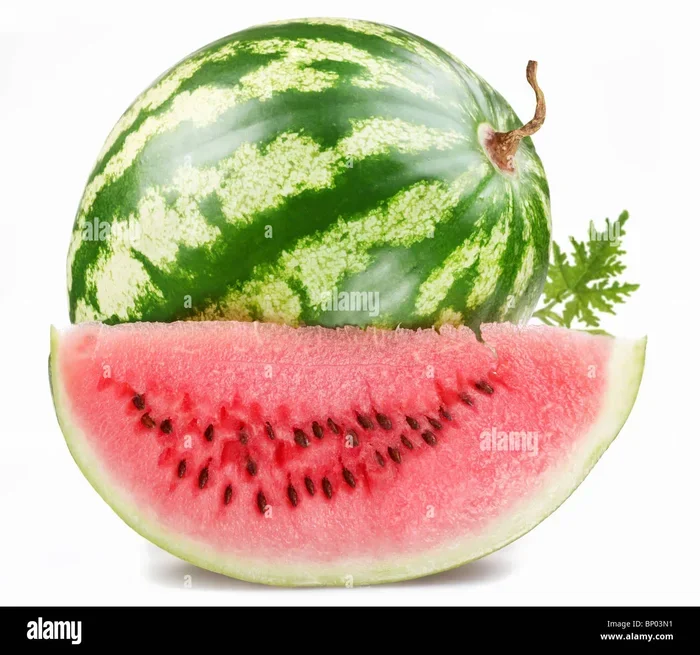
Watermelon season runs from May through September, with peak freshness happening in the heart of summer. Knowing when is watermelon season helps you buy fruit at its sweetest and most affordable. This guide covers everything from picking ripe melons to storing them properly so you get the best flavor every time.
Key Takeaways
- Peak Season: Watermelon is at its best from June through August across most regions.
- How to Pick: Look for a creamy yellow spot, a hollow sound when tapped, and heavy weight for size.
- Varieties Matter: Different types like seedless, yellow, and icebox watermelons ripen at slightly different times.
- Growing Tips: Plant seeds after the last frost when soil temperatures stay above 70°F for the best harvest.
- Storage Secrets: Whole watermelons last about a week at room temperature and up to two weeks in the fridge once cut.
- Health Benefits: Watermelon is packed with hydration, vitamins, and antioxidants that support summer wellness.
📑 Table of Contents
- Understanding When Is Watermelon Season
- Peak Months for Watermelon by Region
- How to Pick the Sweetest Watermelon Every Time
- Watermelon Varieties and Their Seasons
- Growing Your Own Watermelon
- Storing and Enjoying Watermelon
- Health Benefits of Watermelon
- Common Mistakes When Buying Watermelon
- Quick Tips for the Perfect Watermelon
- Expert Insights on Watermelon Season
- Conclusion
Understanding When Is Watermelon Season
There is nothing quite like a cold slice of fresh watermelon on a hot summer day. But picking the right one at the right time makes all the difference. When is watermelon season, exactly? The answer depends on where you live, the variety you choose, and how you grow or buy it.
Watermelon is a warm-season fruit that thrives in heat. It needs long, sunny days and consistent warmth to develop its sweetness. In most parts of the United States, the main watermelon season stretches from May through September. However, the absolute peak window is typically June through August. During these months, farmers harvest the most melons, which means better prices and better flavor at your local grocery store or farmers market.
If you live in a southern state like Florida, Georgia, or Texas, you might find fresh watermelon as early as April. Northern growers in states like Michigan or Wisconsin usually start harvesting in July. Understanding your local growing patterns helps you shop smarter. Always look for watermelon buying guide tips that match your region and the time of year.
Why Timing Matters for Sweetness
Timing is everything when it comes to flavor. A watermelon picked too early will be bland and watery. One picked at peak ripeness is bursting with juice and sweetness. The sugars in watermelon develop fully on the vine, so buying during peak watermelon season gives you the best chance of a perfect melon.
Farmers markets are especially great during this time. You can talk directly to growers who harvest daily. They can tell you exactly when their watermelon harvest started. This personal connection often leads to finding the sweetest fruit available. Grocery stores also stock up during peak months, giving you more options to choose from.
Peak Months for Watermelon by Region
Not all watermelon seasons look the same across the country. Climate, soil temperature, and daylight hours all play a role. Here is a simple breakdown of when to expect the best watermelon in different parts of the United States.
| Region | Early Season | Peak Season | Late Season |
|---|---|---|---|
| Southern States (FL, GA, TX) | April – May | June – July | August – September |
| Midwest (MI, OH, IL) | June – July | July – August | September |
| West Coast (CA, AZ) | May – June | July – August | September – October |
| Northeast (NY, PA, NJ) | July | July – August | August – September |
These dates are general guidelines. Weather variations can shift things by a few weeks each year. Drought, excessive rain, or unexpected cold snaps all affect harvest timing. Keep an eye on local news and farm reports during summer to stay updated on the watermelon growing season in your area.
How Climate Affects Watermelon Ripeness
Watermelons need consistent warmth to thrive. Soil temperatures should stay above 70°F for optimal growth. In cooler regions, the season is shorter, which means gardeners and farmers have a narrower window to get the fruit right. Heat waves can actually speed up ripening, but they can also cause uneven sugar development.
Interestingly, moderate stress on the plant can concentrate sugars. This is why some of the sweetest watermelons come from areas with hot days and slightly cooler nights. The temperature swing helps the fruit develop its characteristic sweetness. So when is watermelon season in a place with big day-night temperature differences? Often, it produces the best melons of the year.
How to Pick the Sweetest Watermelon Every Time
Buying a great watermelon is part science, part art. Even during peak watermelon season, not every melon in the display will be perfect. Learning a few simple tricks helps you choose the sweetest one every single time.
Check the Field Spot
The field spot is the area where the watermelon sat on the ground while growing. Look for a creamy yellow or buttery color. This spot should be large and well-defined. A white or pale field spot means the melon was picked too early. A deep yellow or orange spot signals full ripeness and peak sweetness.
Many shoppers overlook this detail entirely. But the field spot is one of the most reliable indicators of a ripe watermelon. Next time you are at the store, make it a habit to flip every melon over and check this spot first.
Tap and Listen
This classic trick actually works. Give the watermelon a firm thump with your knuckles. A ripe melon produces a deep, hollow sound. If it sounds flat or dull, it is likely underripe or overripe. If it sounds solid and tight, it probably needs more time on the vine.
Practice makes perfect with this method. Try tapping a few different melons side by side at your local store. Over time, your ear will learn to distinguish the right sound. This simple technique can transform your watermelon buying guide experience completely.
Feel the Weight
A ripe watermelon should feel heavy for its size. Watermelon is about 92% water, so a heavy melon means it is full of juice. Pick up two melons that look similar in size. The heavier one is almost always the riper and sweeter choice.
Lightweight melons have lost moisture or were never fully hydrated during growth. This is a quick and easy check that takes just a few seconds. It is one of the most practical watermelon tips you can use every time you shop.
Look at the Shape and Surface
Choose watermelons with a uniform shape. Irregular bumps or flat sides can indicate inconsistent growing conditions. The skin should be smooth and firm without major cuts or dents. A matte finish rather than a shiny surface often signals ripeness.
Some people prefer the shiny look, but shininess can mean the melon was picked early. A slightly dull rind is usually a good sign. Also, check for sugar spots, which look like small, dark, rough patches. These spots are actually a positive sign. They indicate the melon was very sweet and sugary on the vine.
Watermelon Varieties and Their Seasons
Not all watermelons are created equal. Different varieties ripen at different times and offer unique flavors, textures, and sizes. Understanding these differences helps you pick the right melon for your needs.
Seedless Watermelon
Seedless watermelons are the most popular variety in the United States. They are bred through cross-pollination and contain small, white, edible seed coats rather than black seeds. Seedless watermelon season typically runs from May through September, with peak availability in July and August.
These melons tend to be very sweet and have a crisp, firm texture. They are perfect for slicing, making salads, or blending into drinks. Because they are so widely grown, seedless watermelons are available at most grocery stores throughout the summer months.
Yellow and Orange Flesh Varieties
Yellow and orange-fleshed watermelons offer a different flavor profile. They tend to be slightly sweeter and have a tropical, almost mango-like taste. Varieties like Yellow Crimson and Desert King are popular choices. Their season overlaps with traditional red watermelons, peaking in July and August.
These colorful varieties are fun for summer gatherings and fruit platters. They add visual appeal alongside regular red watermelons. If you have never tried one, peak watermelon season is the perfect time to experiment.
Icebox and Personal-Sized Watermelons
Icebox watermelons are smaller, usually weighing between 5 and 15 pounds. Varieties like Sugar Baby and Crimson Sweet are favorites. They ripen a bit earlier than large watermelons, often in late June through July. Their smaller size makes them perfect for small households or couples.
Because they are compact, icebox watermelons fit easily in most refrigerators. This means you can enjoy fresh watermelon any day of the week without cutting into a huge fruit. They are a great option for anyone who wants to enjoy summer fruit without the hassle of a giant melon.
Heirloom and Heritage Varieties
Heirloom watermelons like Black Diamond, Crimson Sweet, and Charleston Gray have been grown for generations. These varieties often have a richer, more complex flavor than modern hybrids. Their season typically peaks in mid-summer, around July and August.
Heirloom watermelons can be harder to find in regular grocery stores. Your best bet is visiting a farmers market or a specialty produce shop during peak watermelon season. The flavor difference is well worth the extra effort. Many people say heirloom varieties taste the way watermelon used to taste decades ago.
Growing Your Own Watermelon
Growing watermelon at home is incredibly rewarding. There is nothing like picking a perfectly ripe melon straight from your own garden. But timing is critical. Planting too early or too late can result in poor fruit development or a failed harvest.
When to Plant
Wait until all danger of frost has passed and the soil has warmed to at least 70°F. For most gardeners, this means planting about two to three weeks after the last expected frost date. In warmer climates, this could be as early as mid-April. In cooler zones, you may need to wait until late May or early June.
Starting seeds indoors a few weeks before transplanting can give your plants a head start. Use biodegradable pots to avoid disturbing the roots. Watermelon plants need plenty of space, so plan for vines that can spread 6 to 8 feet in every direction.
Care and Maintenance
Watermelon plants need consistent watering, especially during fruit development. Aim for about 1 to 2 inches of water per week. Reduce watering slightly as the fruit ripens. This helps concentrate the sugars and improves sweetness.
Fertilize with a balanced fertilizer at planting and again when flowers appear. Adding compost to the soil before planting gives the roots a great start. Keep an eye out for pests like aphids and cucumber beetles. Row covers can protect young plants in early spring.
Knowing When to Harvest
Harvesting at the right time is the most important step. The tendril closest to the fruit will dry out and turn brown when the melon is ready. The field spot should turn from white to creamy yellow. And the hollow sound test works in the garden too.
Use a sharp knife to cut the stem cleanly. Do not pull or twist the fruit. A clean cut prevents damage to both the melon and the vine. Once harvested, a whole watermelon keeps for about 7 to 10 days at room temperature. Cut watermelon should be refrigerated and eaten within 3 to 5 days.
Storing and Enjoying Watermelon
Once you have picked or purchased the perfect watermelon, proper storage ensures it stays fresh and delicious. Nobody wants to bite into a mealy, dry slice after waiting all summer for peak season.
Whole Watermelon Storage
An uncut watermelon can sit at room temperature for about a week. Keep it in a cool, dry place away from direct sunlight. If the kitchen is very warm, the refrigerator is a better option. Whole watermelons stored in the fridge can last up to two weeks.
Before cutting, wash the outer rind thoroughly with water and a brush. This removes any dirt or bacteria on the surface. A clean cut prevents contamination of the flesh inside.
Cut Watermelon Storage
Cut watermelon should always be refrigerated. Wrap it tightly in plastic wrap or store it in an airtight container. Properly stored cut watermelon stays fresh for 3 to 5 days. After that, the texture and flavor start to decline.
Freezing watermelon is another great option. Cut the fruit into cubes, remove excess liquid, and freeze on a baking sheet before transferring to a freezer bag. Frozen watermelon makes amazing smoothies and sorbets. It is a wonderful way to enjoy summer watermelon freshness even in the colder months.
Creative Ways to Enjoy Watermelon
Watermelon is incredibly versatile. Beyond simple slices, try these ideas during watermelon season:
- Blend it into a refreshing summer smoothie with mint and lime.
- Make a watermelon salsa with jalapeno, red onion, and cilantro.
- Grill watermelon slices for a caramelized, smoky treat.
- Freeze chunks with coconut water for healthy homemade popsicles.
- Toss cubed watermelon with feta cheese and fresh basil for a savory salad.
Each of these ideas brings out a different side of the fruit. Experimenting with new recipes keeps summer meals exciting and lets you fully enjoy the season.
Health Benefits of Watermelon
Watermelon is not just delicious. It is also incredibly good for you. Staying hydrated during hot summer months is essential, and watermelon is one of the best ways to do that. The fruit is about 92% water, making it a natural hydration boost.
Watermelon is rich in lycopene, a powerful antioxidant that supports heart health and skin protection. It also contains vitamins A and C, which strengthen the immune system and promote healthy skin. Potassium in watermelon helps regulate blood pressure and supports muscle function.
For those who stay active during summer, watermelon is a great recovery food. It is naturally low in calories and high in water content, making it ideal after outdoor exercise. Some people even compare its recovery benefits to what running on the treadmill is good for in terms of cardiovascular health and endurance. Whether you are hitting the trails or enjoying a lazy afternoon by the pool, watermelon keeps you refreshed and nourished.
During summer, many people switch up their fitness routines. Some trade their usual indoor treadmill sessions for outdoor runs, cycling, or swimming. This seasonal shift is a great time to fuel your body with hydrating, nutrient-dense foods like watermelon. Pairing seasonal eating with seasonal exercise creates a balanced and enjoyable summer lifestyle.
For those who prefer staying indoors, it is worth noting that treadmill workouts and exercise bikes each offer unique benefits during the hotter months. Choosing the right indoor exercise while enjoying seasonal fruits like watermelon helps you maintain your health all summer long.
Common Mistakes When Buying Watermelon
Even during the best watermelon season, common mistakes can lead to disappointing purchases. Avoid these pitfalls to always bring home a great melon.
- Skipping the field spot check: This is the single most important indicator of ripeness. Never buy a watermelon without checking this spot.
- Ignoring the weight: A light melon is a dry melon. Always compare weight between similar-sized fruits.
- Choosing based on size alone: Oversized watermelons are not always sweeter. Medium-sized melons often have the best flavor.
- Buying out of season: Off-season watermelons are more expensive and less flavorful. Wait for summer for the best results.
- Storing cut melon at room temperature: Cut watermelon spoils quickly without refrigeration. Always refrigerate sliced fruit promptly.
Avoiding these simple mistakes saves money and ensures every watermelon you bring home is worth eating. A little knowledge goes a long way when it comes to selecting the perfect melon.
Quick Tips for the Perfect Watermelon
Here are some fast and easy tips to remember the next time you shop for watermelon:
- Always look for a creamy yellow field spot.
- Tap the melon and listen for a deep, hollow sound.
- Pick the heaviest melon of similar size.
- Choose a matte-finished rind over a shiny one.
- Buy during peak months (June through August) for the best flavor.
- Store whole melons in the fridge if your kitchen is warm.
- Cut watermelon should be eaten within 3 to 5 days.
These tips are simple enough for anyone to remember. Bookmark this list or share it with friends and family. Once you start using these tricks, you will never buy a bad watermelon again.
Expert Insights on Watermelon Season
According to the USDA, the United States produces over 4 billion pounds of watermelon annually, with Florida, Georgia, and Texas leading production. Most of this harvest happens during the summer months, which is why when is watermelon season is such a common question each year.
Agricultural experts recommend buying locally grown watermelon whenever possible. Local melons spend less time in transit, which means they are picked closer to peak ripeness. This translates to better flavor and higher nutritional value. If you have a farmers market nearby, make it your go-to source during summer.
Food scientists also point out that sugar content in watermelon can vary by as much as 30% depending on growing conditions and harvest timing. This is why buying during the right season and from the right source matters so much. The difference between an off-season melon and a peak-season one can be dramatic in both taste and texture.
Conclusion
When is watermelon season? The answer is clear: summer is the time to enjoy this refreshing, delicious fruit at its absolute best. From May through September, with peak months in June, July, and August, watermelon is everywhere at its sweetest and most affordable.
By learning how to pick the right melon, understanding your local growing season, and storing your watermelon properly, you get the most out of every purchase. Whether you are growing your own or shopping at the store, these tips ensure you bring home fruit that is juicy, sweet, and perfectly ripe.
This summer, take the time to explore different varieties and try new recipes. Watermelon is one of the most versatile and enjoyable fruits of the warm season. With the knowledge from this guide, you are fully equipped to pick the sweetest watermelon every single time. So grab a slice, sit back, and enjoy the best that summer has to offer.
Frequently Asked Questions
What months is watermelon in season?
Watermelon season typically runs from May through September across the United States. The absolute peak months are June, July, and August, when the fruit is at its sweetest and most widely available. Local growing conditions can shift these dates slightly depending on your region.
How can you tell if a watermelon is ripe?
Check the field spot for a creamy yellow color, tap the melon for a deep hollow sound, and pick the heaviest one for its size. These three simple tests are the most reliable ways to determine ripeness. A matte rind and sugar spots on the surface are additional positive signs.
Can you eat watermelon year round?
Yes, but the flavor and quality are best during the summer months. Off-season watermelon is often shipped from far away and picked before fully ripening. This results in less sweetness and a less satisfying eating experience compared to peak-season fruit.
What is the best way to store a whole watermelon?
Whole watermelons can be stored at room temperature for about a week. For longer storage, keep them in the refrigerator where they last up to two weeks. Always store cut watermelon in the fridge and eat it within 3 to 5 days for the best taste and texture.
Is watermelon good for hydration?
Absolutely. Watermelon is about 92% water, making it one of the most hydrating fruits available. It is also rich in electrolytes like potassium, which helps replace what you lose through sweating during hot weather. It is a perfect summer snack for staying hydrated.
Can you grow watermelon in a small garden?
Yes, compact or bush varieties work well in small spaces. Icebox watermelons like Sugar Baby grow on smaller vines and can even be trained along a fence. Give them plenty of sun, warm soil, and consistent water, and you will be rewarded with sweet, homegrown fruit during peak watermelon season.

Similar Posts