Boiling Point of Water The Complete Guide for Beginners
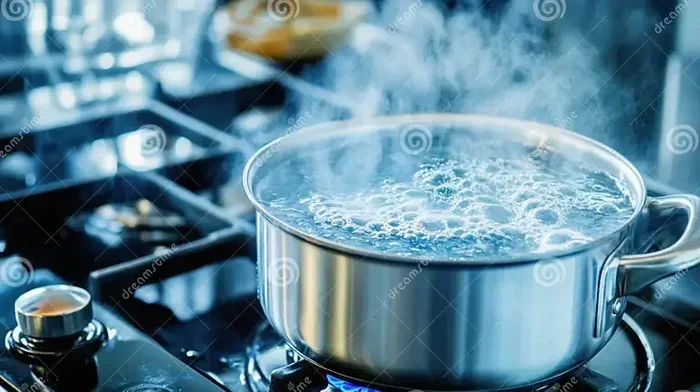
The boiling point of water is the temperature at which water transitions from a liquid to a gas, typically 100 degrees Celsius at sea level. This guide covers the science behind the boiling process, how altitude and pressure affect it, and practical uses for boiling water in everyday life. Whether you are cooking, cleaning, or just curious, you will find everything you need to know about the boiling point of water right here.
Key Takeaways
- Standard Boiling Point: Water boils at 100 degrees Celsius (212 degrees Fahrenheit) at sea level under normal atmospheric pressure.
- Altitude Matters: Higher altitudes lower the boiling point because of reduced atmospheric pressure, affecting cooking times.
- Vapor Pressure Drives Boiling: The boiling process happens when vapor pressure equals atmospheric pressure.
- Practical Uses: Boiling water is essential for cooking, sterilization, and making safe drinking water.
- Safety First: Always handle boiling water with care to prevent burns and accidents.
- Boiling Point Elevation: Adding substances like salt can slightly raise the boiling point of water.
📑 Table of Contents
What Is the Boiling Point of Water?
The boiling point of water is the temperature at which water changes from a liquid to a gas. At standard sea level pressure, this happens at 100 degrees Celsius or 212 degrees Fahrenheit. This specific temperature is also known as the steam point in science circles.
Understanding the boiling point of water is important for many reasons. It helps you cook food properly, make safe drinking water, and even clean surfaces effectively. The boiling process is a phase change, meaning water shifts from one physical state to another. This concept is fundamental in chemistry and physics, and it affects your daily life more than you might think.
When you heat water on a stove, the temperature rises steadily until it reaches the boiling point. At that stage, bubbles form throughout the liquid and rise to the surface. This is not just surface evaporation. It is a full boiling process happening from the inside out. The thermal energy you add to the water goes into breaking the bonds between water molecules rather than raising the temperature further.
The Role of Heat Transfer in Boiling
Heat transfer plays a big role in how water reaches its boiling point. When you place a pot on a hot burner, heat moves from the burner to the pot and then to the water. This is called conduction. The water molecules near the bottom heat up first. They become less dense and rise, while cooler molecules sink. This creates a cycle called convection, which spreads the heat evenly throughout the water.
Once the water reaches its boiling point, the heat energy goes into converting liquid water into steam. This is called latent heat. The temperature of the water stays constant during this phase change, even though you keep adding heat. That is why a pot of boiling water stays at 100 degrees Celsius until all the water has turned to steam.
The Science Behind the Boiling Process
The boiling process is driven by a concept called vapor pressure. Every liquid has molecules that escape from its surface and become gas. This happens at any temperature. But boiling is different. Boiling occurs when the vapor pressure of the liquid equals the atmospheric pressure pushing down on it.
At sea level, atmospheric pressure is about 101.3 kilopascals. Water molecules need enough energy to push against this pressure and form bubbles. When the water temperature reaches 100 degrees Celsius, the vapor pressure matches the atmospheric pressure. Bubbles form throughout the liquid and rise to the top. This is what we see as boiling.
Understanding Phase Change
A phase change is a physical transformation from one state of matter to another. Water can exist as a solid (ice), a liquid (water), or a gas (steam). The boiling point of water marks the transition from liquid to gas. The melting point marks the transition from solid to liquid. These are key concepts in the study of thermal energy and matter.
During a phase change, the temperature of the substance stays constant. This might seem strange. You keep heating the water, but the temperature does not go above 100 degrees Celsius. All the energy goes into breaking the intermolecular bonds. Once all the water has turned to steam, the temperature of the steam can rise again.
Celsius to Fahrenheit and Other Scales
The boiling point of water is used as a reference point in temperature scales. On the Celsius scale, it is 100 degrees. On the Fahrenheit scale, it is 212 degrees. The Kelvin scale, which is used in scientific work, sets the boiling point at 373.15 Kelvin. Knowing how to convert between these scales is useful for cooking, science experiments, and understanding weather patterns.
Most countries around the world use the Celsius scale for everyday temperature measurements. The United States is one of the few countries that still uses Fahrenheit for daily purposes. If you follow a recipe from another country, you might need to convert the cooking temperature from Celsius to Fahrenheit or vice versa.
How Altitude Affects the Boiling Point
One of the most interesting facts about the boiling point of water is that it changes with altitude. At higher elevations, the atmospheric pressure is lower. This means water molecules need less energy to form bubbles. As a result, water boils at a lower temperature on a mountain than it does at sea level.
This phenomenon is called high altitude boiling. It has a big impact on cooking. If you are hiking in the mountains and trying to boil an egg, it will take longer than it would at home. The water boils at a lower temperature, so the egg cooks more slowly.
What Happens at Different Altitudes?
At sea level, water boils at 100 degrees Celsius. But at higher elevations, the boiling point drops. Here are some examples:
- Sea Level (0 meters): 100 degrees Celsius (212 degrees Fahrenheit)
- 1,000 meters (3,280 feet): About 96.7 degrees Celsius (206 degrees Fahrenheit)
- 2,000 meters (6,560 feet): About 93.3 degrees Celsius (199.9 degrees Fahrenheit)
- 3,000 meters (9,840 feet): About 90 degrees Celsius (194 degrees Fahrenheit)
- 5,000 meters (16,400 feet): About 84.5 degrees Celsius (184.1 degrees Fahrenheit)
As you can see, the boiling point drops by about 1 degree Celsius for every 300 meters of elevation gain. This is a significant change that affects how you cook at high altitudes. Professional chefs and mountaineers need to adjust their cooking times and methods accordingly.
Practical Tips for High Altitude Cooking
If you live in a high-altitude area, you need to adjust your cooking habits. Use a lid on your pot to trap heat and raise the water temperature. Increase your cooking time because the water is not as hot. Consider using a pressure cooker, which raises the atmospheric pressure inside the pot and allows water to boil at a higher temperature. This is a great tool for anyone who frequently cooks at high elevations.
You might also want to exercise at high altitudes to understand how your body responds to lower oxygen levels. Many people use a recumbent bike for indoor cardio at home, where they can easily monitor their effort. Just like cooking at high altitude, exercising at elevation requires adjustments and awareness.
Practical Uses of Boiling Water
Boiling water is one of the most useful things you can do in the kitchen and around the house. The boiling point of water serves as a reliable cooking temperature for many recipes. Whether you are making pasta, boiling eggs, or preparing vegetables, understanding how boiling water works makes you a better cook.
Cooking with Boiling Water
Cooking with boiling water is a basic kitchen skill. Pasta, rice, and noodles all need to be cooked in boiling water. The high temperature cooks the food quickly and evenly. Vegetables also benefit from boiling, though some nutrients can leach into the water. Blanching vegetables in boiling water and then plunging them into ice water keeps their color bright and their texture crisp.
Boiling is also used for making soups, stocks, and broths. The constant high temperature extracts flavors from bones, vegetables, and spices. A rolling boil is ideal for reducing liquids and thickening sauces. Understanding the boiling point of water helps you control the cooking process and get consistent results every time.
Sterilization and Water Purification
Boiling water is one of the simplest and most effective ways to make water safe to drink. The boiling process kills most bacteria, viruses, and parasites that cause waterborne illnesses. Health organizations recommend bringing water to a rolling boil for at least one minute to ensure it is safe. At high altitudes, you should boil water for three minutes or more because the boiling temperature is lower.
Boiling water is also used to sterilize baby bottles, cooking utensils, and medical instruments. The high temperature destroys harmful microorganisms that could cause infections. This is a practice that has been used for centuries and remains one of the most reliable methods of sterilization today.
Many people invest in home fitness equipment and need to keep it clean. Understanding the average cost of a treadmill and other equipment helps you budget for quality machines that you can maintain properly, including regular cleaning with hot water and disinfectants.
Boiling Water for Cleaning
Boiling water is a powerful cleaning agent. Pouring boiling water down a drain can dissolve grease and clear minor clogs. It can also be used to sanitize countertops and cutting boards. The high temperature kills germs and removes stubborn residues. However, you need to be careful when using boiling water for cleaning to avoid damaging surfaces or causing burns.
Some people use boiling water to remove tough stains from fabric or to speed up the cleaning of greasy pots and pans. The thermal energy in boiling water breaks down grease and grime faster than warm water alone. Just remember to always handle boiling water with care and use appropriate protective gear.
Common Myths About the Boiling Point of Water
There are many myths and misconceptions about the boiling point of water. Let us clear up some of the most common ones.
Myth: Adding Salt Raises the Boiling Point Significantly
Many people believe that adding salt to water makes it boil faster. In reality, adding salt raises the boiling point slightly. This is called boiling point elevation. However, the effect is very small. You would need to add a large amount of salt to notice any significant change in the boiling temperature. In everyday cooking, the amount of salt you add has a negligible effect on the boiling point.
The main reason salt is added to boiling water is for flavor, not to change the boiling temperature. The salt dissolves in the water and seasons the food as it cooks. So while the science is real, the practical impact on your cooking is minimal.
Myth: Boiling Water Kills All Contaminants
Boiling water is effective at killing microorganisms, but it does not remove all contaminants. Heavy metals, chemicals, and dissolved solids remain in the water even after boiling. If you are concerned about water quality, you may need additional filtration or purification methods beyond boiling.
Myth: Cold Water Boils Faster Than Hot Water
This is a common myth. Cold water does not boil faster than hot water. Hot water reaches the boiling point more quickly because it starts closer to the target temperature. The claim that cold water boils faster is not supported by science. Always use the hottest water available when you need to boil water quickly.
Safety Tips for Handling Boiling Water
Boiling water safety is extremely important. Water at 100 degrees Celsius can cause severe burns and injuries in seconds. Always treat boiling water with respect and caution.
- Use a sturdy pot: Choose a pot that is large enough to prevent the water from boiling over. A pot that is too small can cause dangerous spills.
- Use a lid: A lid helps control splashing and speeds up the boiling process. It also prevents water from evaporating too quickly.
- Turn pot handles inward: Always turn pot handles toward the back of the stove. This prevents accidental bumps and spills.
- Use oven mitts: Always use dry oven mitts when handling hot pots and kettles. Wet cloths transfer heat quickly and can cause burns.
- Keep children away: Never let children near boiling water unsupervised. The risk of burns is very high.
- Add food gently: When adding food to boiling water, do it slowly to prevent splashing. Use a slotted spoon or tongs for safe handling.
- Never leave boiling water unattended: A pot of boiling water can boil over quickly, causing fires or burns.
Following these boiling water safety tips will help you enjoy the benefits of boiling water without any accidents. A little caution goes a long way in preventing kitchen injuries.
How to Boil Water Perfectly Every Time
Boiling water seems simple, but there are a few tricks that make the process more efficient. Here are some practical tips to help you boil water like a pro.
- Start with hot tap water: Using hot water from the tap reduces the time it takes to reach the boiling point. This saves energy and time.
- Use a lid: Covering the pot traps heat and raises the water temperature faster. A lid can reduce boiling time by several minutes.
- Use the right pot size: A wider pot exposes more surface area to the heat, which speeds up the boiling process. A narrow, tall pot takes longer.
- Use a high flame at the start: Crank the heat to high initially. Once the water reaches a boil, you can reduce the flame to maintain a steady boil.
- Add a pinch of salt: While salt does not significantly raise the boiling point, it does help the water boil a bit more vigorously and can improve the taste of the water.
These tips apply whether you are using a stovetop kettle, an electric kettle, or a microwave. The boiling process works the same way regardless of the heating method. The key is to understand how heat moves through the water and how to maximize efficiency.
After a workout, many people like to make a warm drink using freshly boiled water. If you enjoy strength training, you might use a kettlebell for your exercises and then reward yourself with a hot cup of tea or coffee. The connection between fitness routines and simple kitchen tasks like boiling water shows how everyday science touches every part of our lives.
Conclusion
The boiling point of water is a fascinating and practical topic that touches every aspect of our lives. From cooking meals to purifying drinking water, understanding when and why water boils at 100 degrees Celsius at sea level gives you a deeper appreciation for this everyday phenomenon. Altitude, atmospheric pressure, and dissolved substances all play a role in changing the boiling point, which is why high altitude cooks and scientists need to pay close attention to these factors.
The science behind the boiling process, including heat transfer, vapor pressure, and phase change, is both simple and elegant. By applying the safety tips and practical advice in this guide, you can use boiling water more effectively and safely in your kitchen and around your home. The next time you watch a pot of water come to a rolling boil, you will understand exactly what is happening at the molecular level.
Remember, the boiling point of water is not just a number on a thermometer. It is a gateway to better cooking, safer water, and a deeper understanding of the physical world around you. Use this knowledge every day, and you will see how a simple scientific concept can make a big difference in your daily routine.
Frequently Asked Questions
What is the boiling point of water in Fahrenheit?
The boiling point of water is 212 degrees Fahrenheit at standard sea level atmospheric pressure. This is equivalent to 100 degrees Celsius on the Celsius scale. These values are used as reference points in both cooking and science.
Why does water boil at a lower temperature at high altitudes?
At higher altitudes, the atmospheric pressure is lower. Since boiling occurs when the vapor pressure of water equals the surrounding atmospheric pressure, lower pressure means water reaches its boiling point at a lower temperature. This is why cooking times increase in mountainous regions.
Can you boil water in a microwave?
Yes, you can boil water in a microwave. However, microwaves heat water unevenly, which can create superheated water that erupts suddenly when disturbed. To stay safe, place a non-metallic object like a wooden stir stick in the water to help distribute the heat evenly.
Does boiling water remove all impurities?
Boiling water kills most bacteria, viruses, and parasites, making it microbiologically safe to drink. However, it does not remove chemical contaminants, heavy metals, or dissolved solids. For complete purification, you may need a water filter or purification system in addition to boiling.
How long does it take to boil water?
The time it takes to boil water depends on the amount of water, the starting temperature, and the heat source. A standard kettle typically boils one liter of water in about 5 to 10 minutes. Using a lid and starting with hot water can significantly reduce the boiling time.
What is the difference between boiling and evaporation?
Evaporation happens at the surface of the water at any temperature. Boiling happens throughout the entire liquid when the vapor pressure equals atmospheric pressure. Boiling is a much faster and more vigorous process that occurs at a specific temperature, while evaporation is a slow, continuous process that happens at all temperatures.