How Long to Cook Pork Tenderloin For Juicy Results
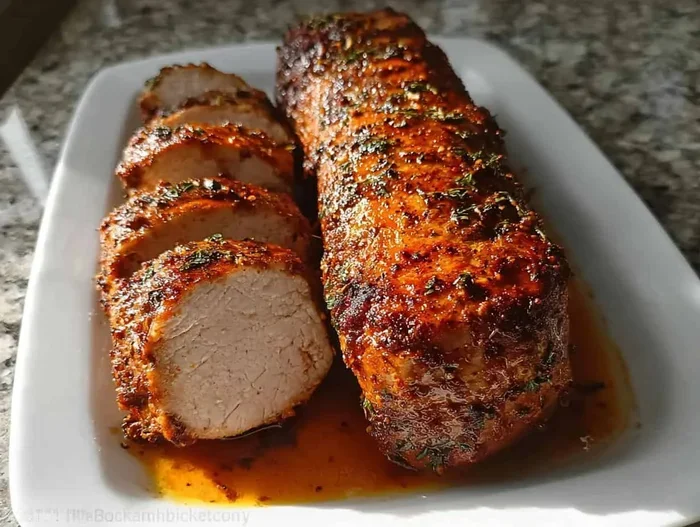
Cooking pork tenderloin takes about 20 to 30 minutes at 400°F for a juicy, tender result. The key is reaching an internal temperature of 145°F and letting the meat rest before slicing. This guide covers every method, timing tip, and mistake to avoid so your pork tenderloin comes out perfect each time.
There is nothing quite like a perfectly cooked pork tenderloin. It is lean, tender, and full of flavor when done right. But here is the thing many people get wrong. How long to cook pork tenderloin depends on several factors. The method you choose, the size of the cut, and even the starting temperature all matter. This guide will walk you through everything you need to know. You will learn the best cooking times, temperatures, and techniques. By the end, you will feel confident enough to make juicy pork tenderloin every single time.
Pork tenderloin is one of the most versatile cuts you can buy. It works for a quick weeknight dinner or a weekend meal prep session. It is also a great source of lean protein. Whether you prefer to bake pork tenderloin in the oven, sear it on the stovetop, or grill it outside, timing is everything. Too little time and it may be undercooked. Too much and it turns dry and tough. Let us break down the right approach so you get it just right.
Key Takeaways
- Cook at 400°F for 20-30 minutes: This is the sweet spot for a juicy pork tenderloin with a golden crust.
- Always use a meat thermometer: Pull the pork at 145°F for safe, tender results every time.
- Rest the meat for 5-8 minutes: This lets the juices redistribute and keeps the loin moist.
- Sear before roasting for extra flavor: A quick sear creates a beautiful crust and locks in moisture.
- Slice against the grain: This ensures each slice is tender and easy to chew.
- Marinate for 30 minutes to 2 hours: A simple marinade adds flavor without drying out the meat.
📑 Table of Contents
How Long to Cook Pork Tenderloin: The Basics
The standard pork tenderloin cooking time is about 20 to 30 minutes in a 400°F oven. This applies to a typical tenderloin that weighs between 1 and 1.5 pounds. But this is just a starting point. Several variables can change the total time. Let us look at what affects the clock.
Size Matters
A thinner tenderloin will cook faster. A thicker one needs more time. If your cut is close to 1 pound, start checking at the 15-minute mark. For a larger tenderloin over 2 pounds, you may need up to 40 minutes. The shape of the cut also plays a role. A uniform roast cooks more evenly than one with varying thickness.
Starting Temperature
Many cooks skip this step, but it matters. Taking the pork out of the fridge 20 to 30 minutes before cooking helps it cook more evenly. A pork tenderloin at room temperature will reach the target internal temp faster. This also reduces the risk of an overcooked exterior with a cold center.
Best Methods to Cook Pork Tenderloin
There is more than one way to cook a pork tenderloin. Each method brings its own flavor and texture. Here are the most popular approaches along with their timing guidelines.
Oven-Baked Pork Tenderloin
This is the most common method, and for good reason. It is simple and hands-off. How long to cook pork tenderloin in the oven depends on the temperature you use.
- 400°F: 20 to 25 minutes for a 1 to 1.5 pound tenderloin
- 375°F: 25 to 30 minutes for the same size cut
- 425°F: 18 to 22 minutes for a faster roast
The higher the heat, the shorter the cook time. But be careful. Too high a temperature can dry out the outer layer before the inside reaches 145°F. A 400°F oven strikes the best balance between a crispy crust and a juicy center.
Pan-Seared and Finished in the Oven
This method gives you the best of both worlds. A golden crust from the sear and a tender interior from the oven. Start by heating a cast-iron skillet over medium-high heat with a little oil. Sear the tenderloin for about 2 minutes on each side. Then transfer the skillet to a 400°F oven. Cook pork tenderloin this way for an additional 15 to 20 minutes.
This approach adds about 5 minutes of total time compared to a pure oven method. But the flavor payoff is worth it. The sear creates a rich, caramelized crust that locks in the juices.
Grilled Pork Tenderloin
Grilling adds a smoky flavor that is hard to beat. Preheat your grill to medium-high heat. Sear the tenderloin for about 3 minutes per side. Then move it to a cooler part of the grill. Close the lid and let it cook for another 15 to 20 minutes. Grilling pork tenderloin works best when you keep the lid closed. This creates an oven-like environment that cooks the meat evenly.
Internal Temperature and Timing Guide
The single most important factor in cooking pork tenderloin is the internal temperature. The USDA recommends cooking pork to 145°F followed by a 3-minute rest. This is the safe temperature that also keeps the meat juicy. Here is a simple guide to help you track the process.
| Internal Temp | Result | Action |
|---|---|---|
| 135°F | Slightly underdone | Continue cooking for 3-5 more minutes |
| 145°F | Perfectly cooked | Remove from heat and rest for 5-8 minutes |
| 150°F | Slightly overdone | Still good but may be drier |
| 160°F+ | Well done | Tenderloin will be dry and tough |
Investing in a good instant-read thermometer is a game-changer. It takes the guesswork out of cooking. You will know exactly when to pull the pork off the heat. This small tool can make the difference between a great meal and a disappointing one.
Many people still follow the old rule of cooking pork to 160°F. That advice is outdated. Modern pork is safe and juicy at 145°F. The meat will still have a slight pink center, and that is perfectly fine. In fact, that pink center is what keeps the tenderloin moist and tender.
When you are tracking your pork tenderloin internal temp, insert the thermometer into the thickest part of the meat. Avoid touching the bone or the pan. Wait for the reading to stabilize before making your decision. Pull the pork a few degrees early and let carryover cooking bring it up to 145°F during the rest period.
Tips for Juicy Pork Tenderloin Every Time
Getting the timing right is only half the battle. Here are some proven tips that will take your pork tenderloin from good to great.
Marinate for Flavor
A simple pork tenderloin marinade can add a lot of flavor without extra effort. A mix of olive oil, garlic, herbs, and a splash of acid like lemon juice or vinegar works wonders. Marinate the tenderloin for at least 30 minutes. For deeper flavor, marinate up to 2 hours. Just do not go longer than 4 hours. The acid in the marinade can start to break down the meat if left too long.
Sear for a Golden Crust
Searing is not just for looks. It also adds flavor through the Maillard reaction. Pat the tenderloin dry with paper towels before searing. Moisture is the enemy of a good crust. Heat your pan until it is smoking hot. Add a high-smoke-point oil like avocado or canola oil. Place the tenderloin in the pan and do not move it for 2 minutes. Flip and repeat on the other side.
Rest Before Slicing
This step is critical and often skipped. When you pull the pork off the heat, the juices are concentrated in the center. If you slice immediately, they will run out onto the cutting board. Let the tenderloin rest for 5 to 8 minutes. This gives the juices time to redistribute throughout the meat. The result is a much juicier and more flavorful bite.
Slice Against the Grain
Once your tender pork loin has rested, it is time to slice. Look for the direction of the muscle fibers. Cut perpendicular to them. This shortens the fibers and makes each slice much easier to chew. If you cut with the grain, the meat will seem tough no matter how well you cooked it.
Common Mistakes to Avoid
Even experienced cooks make mistakes with pork tenderloin. Here are the most common ones and how to avoid them.
Overcooking the Meat
This is the number one mistake. Pork tenderloin is a lean cut. It has very little fat to keep it moist. Once you pass 150°F, the moisture starts leaving the meat. Set a timer and use a thermometer. Do not rely on color alone. A meat thermometer takes the guesswork out entirely.
Skipping the Rest Period
Cutting into the pork right after cooking is tempting. But it is a mistake. The rest period is not just a suggestion. It is a crucial step that affects the final result. Give the meat at least 5 minutes. You will notice a big difference in juiciness.
Cooking from Frozen
Thawing the tenderloin before cooking ensures even cooking. If you cook it straight from the freezer, the outside will overcook while the inside is still frozen. Plan ahead and take the pork out of the freezer the night before. Place it in the fridge to thaw safely.
Pairing Pork Tenderloin with Your Workout Nutrition
Pork tenderloin is a fantastic protein source for anyone focused on fitness. If you are building muscle or training regularly, this cut delivers about 24 grams of protein per 3-ounce serving. It is a lean, clean protein that supports recovery and muscle growth. For those who lift weights with dumbbells and want to see how long it takes for their training to show results, pairing consistent strength sessions with quality protein like pork tenderloin makes a real difference.
Timing your meals around your workouts can also boost your progress. After a tough session on a rowing machine, your body needs protein to repair muscle fibers. A serving of sliced pork tenderloin with some roasted vegetables makes a perfect post-workout dinner. The protein helps with recovery, and the steady energy from the meal supports your next training session.
For those who follow a structured workout routine like kettlebell training, nutrition timing matters just as much as the exercises themselves. When you are consistent with your workouts and eat well, you will start to see results in a few weeks. Cooking a simple pork tenderloin dinner takes about 30 minutes, which is roughly the same time you might spend on a kettlebell session. Both are investments in your health and fitness goals.
Meal prepping pork tenderloin on Sundays can set you up for a successful week of healthy eating. Cook a couple of tenderloins at once. Slice them and store them in the fridge. You will have ready-to-eat protein portions for lunches and dinners throughout the week. This kind of meal prep pork strategy saves time and keeps you on track with your nutrition goals.
How to Serve Pork Tenderloin
Pork tenderloin is incredibly versatile when it comes to serving. Here are some ideas to make the most of your cook.
- Sliced on a cutting board: Serve as a centerpiece with roasted vegetables and a pan sauce.
- Chopped into cubes: Add to salads, grain bowls, or stir-fries for a protein boost.
- As sandwiches: Slice thinly and serve on crusty bread with arugula and mustard.
- With mashed potatoes: A classic pairing that works every time.
- Over a bed of greens: Toss sliced tenderloin on a mixed green salad with a light vinaigrette.
No matter how you serve it, the key is to slice the tenderloin properly. Use a sharp knife and cut against the grain. Each slice should be about a quarter-inch thick. This thickness keeps the meat juicy and makes it easy to eat.
Conclusion
Learning how long to cook pork tenderloin is simpler than most people think. A 20 to 30 minute roast at 400°F gives you a juicy, flavorful result every time. The secret lies in the details. Use a meat thermometer, rest the meat, slice against the grain, and avoid common mistakes. These small steps make a huge difference in the final dish.
Pork tenderloin is a cut that rewards good technique. It is lean, it is tender, and it is full of flavor when cooked correctly. Whether you are baking it, grilling it, or searing it, the principles remain the same. Keep the temperature at 145°F, give it time to rest, and serve it with confidence. Your next pork tenderloin dinner will be the best one yet.
Frequently Asked Questions
Can you overcook pork tenderloin?
Yes, overcooking is the most common mistake. Pork tenderloin is lean and has very little fat. Once the internal temp goes above 155°F, the moisture starts leaving the meat. Always use a thermometer and pull the pork at 145°F for the juiciest result.
What is the best temperature to cook pork tenderloin?
The USDA recommends cooking pork to 145°F. This is the safe temperature that keeps the meat juicy and tender. At 145°F, the pork will have a slight pink center, which is perfectly fine and actually helps retain moisture.
How long does it take to cook pork tenderloin per pound?
As a general rule, plan for about 20 to 25 minutes per pound at 400°F. A 1-pound tenderloin takes roughly 20 minutes, while a 2-pound cut may need 35 to 40 minutes. Always check the internal temperature rather than relying on time alone.
Should I marinate pork tenderloin before cooking?
Marinating is optional but recommended. A simple marinade of olive oil, garlic, and herbs adds flavor and a little moisture. Marinate for 30 minutes to 2 hours. Do not marinate longer than 4 hours, as the acid can start breaking down the meat texture.
Can I cook pork tenderloin in a slow cooker?
Yes, you can. Slow cooking works well for pork tenderloin but takes longer. Cook on low for 3 to 4 hours or on high for 2 to 2.5 hours. The slow cooker method keeps the meat moist but may not give you the same crispy exterior as oven roasting.
How do I know when pork tenderloin is done?
The only reliable way is to use a meat thermometer. Insert it into the thickest part of the tenderloin. When the reading hits 145°F, the pork is done. Remove it from the heat and let it rest for 5 to 8 minutes before slicing.