How to Make Your Own Dumbbells at Home
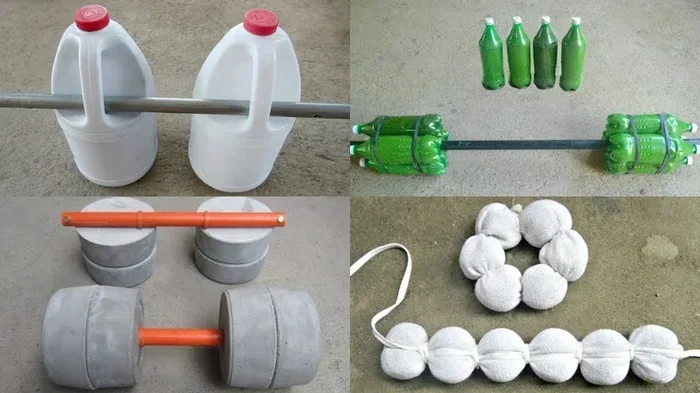
Making your own dumbbells at home is easier than you think and can save you serious money. With just a few household items like sand, water, or concrete, you can create effective homemade dumbbells for your weight training at home. This guide walks you through every method so you can start DIY fitness equipment projects right away.
Want to workout at home but dont want to spend a fortune on equipment? You are not alone. Many people are turning to homemade dumbbells as a practical and affordable way to start their fitness journey. Making your own DIY dumbbells is simpler than you might think, and the results can be surprisingly effective.
In this guide, we will walk you through several methods to create your own homemade gym equipment. Whether you are a complete beginner or a seasoned lifter looking to save some cash, these tips will help you build DIY workout gear that actually works. Let us dive in and get you started on your DIY fitness equipment journey.
Key Takeaways
- Multiple Methods Available: You can make dumbbells using sand, water, concrete, or even filled milk jugs.
- Budget-Friendly: DIY dumbbells cost a fraction of store-bought ones.
- Customizable Weights: Adjust the fill to match your strength level and progress.
- Safe and Effective: When made correctly, homemade weights work just as well as commercial ones.
- Great for Beginners: Perfect starting point if you are new to home workouts.
- Builds Your Home Gym: These DIY options help you build a full home gym setup affordably.
📑 Table of Contents
Why Make Your Own Dumbbells?
There are many reasons why people choose to build their own homemade weights. The biggest one is cost. A good set of adjustable dumbbells can cost hundreds of dollars. But with a little creativity, you can make functional weights for just a few bucks.
Another reason is convenience. You do not need to wait for shipping or make a trip to the store. You probably already have most of what you need right in your garage or kitchen. Plus, making your own gear gives you full control over the weight and size.
Homemade dumbbells are also great if you are just getting started. You can begin with lighter weights and gradually increase as you get stronger. This makes weight training at home accessible to everyone, no matter your budget.
Cost Savings
A pair of basic dumbbell substitutes from a store might set you back $30 to $50. But a homemade version can cost under $10. That is a huge difference, especially if you are building a full home workout equipment setup on a tight budget.
Customization Options
When you make your own weights, you decide exactly how heavy they are. Want 5-pound dumbbells? Easy. Want to go up to 20 pounds? Just add more fill material. This flexibility is one of the biggest advantages of DIY weights over store-bought options.
Materials You Will Need
Before you start, gather your materials. Most of these items are things you already have at home or can find at a local store for very little money. Here is what you will need to get started with homemade dumbbells.
Basic Materials
- Plastic bottles or jugs: Milk jugs, laundry detergent bottles, or large water bottles work great.
- Sand: Clean, fine-grain sand from a hardware store or playground.
- Water: Tap water is free and works well for lighter weights.
- Concrete mix: For heavier, more permanent hand weights DIY projects.
- Duct tape or electrical tape: For securing and cushioning your DIY weights.
- A sturdy bag or container: A drawstring bag or pillowcase can hold fill material.
- Gloves: To protect your hands during the filling process.
Optional Extras
If you want to get fancy, you can add a few extras. Foam padding helps make your homemade gym equipment more comfortable to grip. A permanent marker lets you label each weight. And a scale helps you measure the exact amount of fill material for consistent exercise weights homemade sets.
Method 1: Fill-and-Go Dumbbells
This is the easiest and most popular method for making DIY dumbbells at home. It requires almost no tools and can be done in under 10 minutes. This method is perfect for beginners who want quick weight training at home solutions.
Step-by-Step Instructions
- Grab a sturdy plastic bottle or jug. A one-gallon milk jug works perfectly for this.
- Clean it out thoroughly and let it dry completely.
- Fill the jug with sand or water. Use a funnel to avoid spills.
- Leave about two inches of space at the top so the lid closes tightly.
- Secure the lid with strong tape around the seam.
- Wrap the entire jug in tape for a better grip and to prevent slipping.
- Repeat with another jug to make a matching pair.
Weight Guide
A one-gallon jug filled with water weighs about 8 pounds. Filled with sand, it weighs around 12 pounds. You can adjust the size of the container to get different weights. Two-liter bottles make lighter options, while larger jugs work for heavier DIY weights.
Method 2: Concrete Dumbbells
If you want something more permanent and heavy-duty, concrete homemade weights are the way to go. This method takes a bit more effort but produces durable dumbbell substitutes that can last for years.
What You Need
- Two small plastic containers or molds (yogurt cups work well)
- Concrete mix from a hardware store
- A wooden dowel or thick rod for the handle
- Water for mixing
- Gloves and a tarp to protect your workspace
Step-by-Step Instructions
- Place your mold on a flat, stable surface covered with a tarp.
- Mix the concrete with water according to the package instructions.
- Insert the wooden dowel into the center of the mold, making sure it stays upright.
- Pour the concrete mix into the mold around the dowel.
- Tap the sides of the mold to remove air bubbles.
- Let the concrete cure for at least 48 hours.
- Remove the mold and sand any rough edges smooth.
- Wrap the handle in tape or foam for a comfortable grip.
Pro Tips for Concrete Dumbbells
Make sure your handle is centered and straight. A wobbly handle makes weight training at home unsafe and uncomfortable. Also, let the concrete fully cure before using your homemade dumbbells. Using them too early can weaken the structure.
Method 3: Bag-Style Dumbbells
This method uses a drawstring bag or pillowcase filled with your choice of material. It creates a more traditional dumbbell shape and is very versatile for homemade gym equipment.
How to Make Them
- Take a sturdy drawstring bag or a thick pillowcase.
- Fill it with sand, rice, or small pebbles.
- Tie the bag securely shut.
- Wrap the handle area with tape for comfort and grip.
- Adjust the amount of fill to reach your desired weight.
These bag-style DIY workout gear pieces are great because you can easily adjust the weight by adding or removing fill material. They are also soft enough to set down on the floor without damaging your flooring, making them ideal for home workout equipment setups.
Comparing DIY Dumbbell Methods
Each method has its strengths and weaknesses. Here is a quick comparison to help you choose the best approach for your needs.
| Method | Cost | Difficulty | Best For | Durability |
|---|---|---|---|---|
| Fill-and-Go (Water/Sand Bottles) | Very Low | Very Easy | Beginners, Light Weights | Moderate |
| Concrete Dumbbells | Low | Moderate | Heavy Weights, Permanent Setup | Very High |
| Bag-Style Dumbbells | Low | Easy | Adjustable Weights, Home Use | Moderate |
As you can see, each method serves a different purpose. If you are just starting out, the fill-and-go method is your best bet. If you want long-lasting homemade weights, go with concrete. And if you need flexibility, the bag-style approach wins.
Safety Tips for Homemade Dumbbells
Safety should always come first when using homemade dumbbells. Even though these are DIY projects, they still need to be handled with care. Here are some important safety tips to keep in mind.
Check Your Weights Before Each Use
Inspect your DIY dumbbells before every workout. Look for cracks, loose fills, or worn-out tape. A failing homemade weight can cause injury during weight training at home. If anything looks damaged, replace it immediately.
Start Light and Progress Gradually
Do not jump straight to heavy weights. Start with lighter homemade dumbbells and focus on proper form. You can always add more fill material as you get stronger. This approach keeps you safe and helps you build a solid foundation for your home workout equipment routine.
Use a Stable Surface
Always exercise on a flat, stable surface. Avoid using your homemade weights on uneven or slippery floors. A yoga mat or exercise mat provides a good non-slip base for your DIY fitness equipment workouts.
Grip Matters
Make sure your homemade dumbbells have a secure grip. Wrap the handles with tape, foam, or rubber to prevent slipping. A good grip is essential for safe hand weights DIY training, especially during exercises like curls or presses.
Best Exercises for Homemade Dumbbells
Now that you have your homemade dumbbells, it is time to put them to good use. These DIY weights work great for a wide range of exercises. You can build a full body workout routine right at home with your new homemade gym equipment.
For chest exercises, try dumbbell presses and flyes. These movements are perfect for building chest muscles at home with dumbbells and can be done right in your living room. For arms, bicep curls and tricep extensions with your homemade weights are incredibly effective. If you want to target your back, bent-over rows with your DIY workout gear work wonders.
You can also do squats, lunges, shoulder presses, and even deadlifts with your homemade dumbbells. The versatility of these dumbbell substitutes means you are not limited to just a few exercises. Once you start using them, you will find creative ways to incorporate them into your home workout equipment routine.
If you are new to weight training at home, start with the basics. Master squats, presses, and rows before moving on to more advanced movements. Consistency matters more than the equipment you use. Your homemade dumbbells can deliver real results if you use them regularly and with proper form.
One of the best things about DIY fitness equipment is that you can always scale up. As you get stronger, simply add more fill material to your bottles or bags. This keeps your workouts challenging and helps you continue making progress without buying new homemade weights.
Remember, the goal is to make weight training at home accessible and sustainable. Homemade dumbbells remove the financial barrier that keeps many people from starting their fitness journey. With a little effort, you can have a fully functional home gym that fits your budget and your goals.
So grab some materials, get creative, and start building your DIY dumbbells today. Your future self will thank you for investing in your health and fitness. Happy lifting!
Frequently Asked Questions
Can I use rice or beans instead of sand for homemade dumbbells?
Yes, absolutely! Rice and beans work well as fill material for homemade dumbbells. They are easy to find and create lighter weights that are perfect for beginners. Just make sure the container is sealed tightly to prevent spills during your weight training at home sessions.
How much do homemade dumbbells cost to make?
The cost is incredibly low, usually under $10 for a complete pair. Most materials like plastic bottles, sand, and tape are things you likely already have at home. This makes DIY weights one of the most budget-friendly options for home workout equipment.
Are homemade dumbbells as effective as store-bought ones?
For most exercises and fitness goals, yes! Homemade dumbbell substitutes provide the same resistance and muscle-building benefits. The key is to use proper form and progressively increase your weight over time. Many people build impressive strength using just homemade gym equipment.
Can I make adjustable homemade dumbbells?
Yes, you can! The bag-style method allows you to easily add or remove fill material to adjust the weight. You can also create multiple sets of fixed-weight bottles at different levels. This gives you the flexibility of adjustable dumbbells without the high cost.
What is the heaviest weight I can make with homemade dumbbells?
With the concrete method, you can make surprisingly heavy weights, sometimes exceeding 30 pounds per dumbbell. The fill-and-go bottle method works best for lighter weights up to about 15 pounds. Choose the method that matches your strength level and DIY fitness equipment goals.
Are homemade dumbbells safe to use?
They are very safe when made and maintained properly. Always check for cracks or loose seals before each use. Use a secure grip and start with lighter weights to build confidence. As long as you follow basic safety guidelines, your homemade dumbbells are a reliable option for home workout equipment.
=== CONCLUSION ===
Making your own dumbbells at home is one of the smartest moves you can make for your fitness journey. It saves money, builds creativity, and gives you homemade weights that actually work. Whether you choose the simple fill-and-go method, the sturdy concrete approach, or the versatile bag-style design, you will have functional DIY dumbbells in no time.
Remember, the best equipment is the one you will actually use. Homemade dumbbell substitutes remove all the excuses and make weight training at home accessible to everyone. Start small, stay consistent, and watch your strength grow. Your home workout equipment journey starts with a single step and a little creativity.