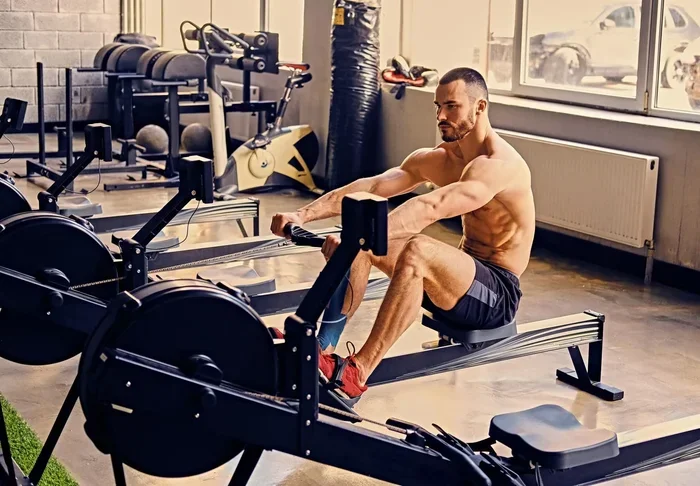
Is the Rowing Machine Bad for Your Back

Many people wonder if the rowing machine is bad for your back, and the answer depends on your form, fitness level, and existing conditions. When used correctly, a rowing machine can actually strengthen your back muscles and improve posture. However, poor technique or pre-existing issues may lead to discomfort or injury. This guide breaks down the real risks, benefits, and expert tips to keep your back safe while rowing.
You hop on the rowing machine at the gym, ready to crush a workout. Ten minutes later, your back feels sore. You start wondering, is the rowing machine bad for your back? This is a question many fitness enthusiasts ask, and the answer is more nuanced than you might think.
The truth is, the rowing machine is not inherently bad for your back. In fact, rowing is one of the best full-body workouts you can do. It targets your legs, arms, core, and back all at once. But when done incorrectly, it can absolutely cause back pain and even injury. The difference between a helpful workout and a harmful one comes down to a few key factors.
In this article, we will explore exactly how the rowing machine affects your back. We will look at the common causes of back pain, the proper form you need, and what you can do to protect yourself. Whether you are a beginner or a seasoned rower, this guide has something valuable for you.
Key Takeaways
- Proper form is everything: Incorrect rowing technique is the #1 cause of back pain on the machine.
- The rowing machine strengthens your back when used with the right form and appropriate resistance.
- Pre-existing back conditions require extra caution and a doctor’s guidance before starting a rowing routine.
- Common mistakes like rounding your lower back can lead to strain and long-term injury.
- Rowing is a low-impact exercise that is easier on your spine than running or high-impact workouts.
- Core engagement protects your back during every stroke on the machine.
- Start slow and progress gradually to let your body adapt to the demands of rowing.
📑 Table of Contents
- So, Is the Rowing Machine Bad for Your Back?
- Common Causes of Back Pain on the Rowing Machine
- How to Row Without Hurting Your Back
- Rowing Machine vs. Other Cardio Machines for Back Health
- Benefits of Rowing for Your Back
- Expert Tips to Protect Your Back While Rowing
- When to Stop Rowing and See a Doctor
- Conclusion
So, Is the Rowing Machine Bad for Your Back?
The short answer is no. The long answer is that it depends on how you use it. The rowing machine is a low-impact exercise machine that places minimal stress on your joints. Unlike running on a treadmill, rowing does not involve repetitive pounding on hard surfaces. This makes it a great option for people who want a challenging workout without the wear and tear on their spine.
However, rowing does place demands on your back muscles and spinal column. The rowing stroke involves a powerful leg drive and a lean-back motion that engages your erector spinae muscles along your spine. If these muscles are weak or if your form is off, you can end up with discomfort or pain.
Research shows that rowing can be therapeutic for people with chronic lower back pain when performed correctly. It helps build the muscles that support your spine. But for those with acute injuries or certain spinal conditions, it may not be the best choice. Always listen to your body and consult a healthcare professional if you have concerns.
Who Should Be Cautious?
Not everyone should jump on a rowing machine without thinking twice. People with certain back conditions need to be extra careful. If you have a herniated disc, spinal stenosis, or recent back surgery, rowing might not be appropriate for you right now. Even if you have mild lower back pain, it is wise to get medical advice before starting a new exercise routine.
Pregnant women and older adults should also modify their rowing intensity. The good news is that most healthy individuals can enjoy rowing safely. The key is understanding how your body moves on the machine and taking steps to protect your spine.
Common Causes of Back Pain on the Rowing Machine
Why do so many people experience back pain while rowing? The causes are usually preventable. Understanding them is the first step toward a pain-free workout.
Poor Rowing Form
The most common reason people hurt their back on the rowing machine is bad form. Many beginners make the mistake of rounding their lower back during the stroke. This puts excessive pressure on the spinal discs and surrounding muscles. Over time, this poor rowing technique can lead to chronic pain and serious injury.
Another form mistake is using your arms too much and your legs too little. This shifts the workload to your lower back instead of your powerful leg muscles. The result is a sore, strained back after every session.
Too Much Resistance
It is tempting to crank up the resistance on your rowing machine to make the workout harder. But high resistance levels can be brutal on your back, especially if you are just starting out. When the resistance is too high, you may start pulling with your lower back instead of driving with your legs.
Think of it this way. You would not lift heavy weights at the gym on your first day. The same logic applies to rowing. Start with a low or moderate resistance level and focus on mastering your rowing technique before increasing the challenge.
Weak Core Muscles
Your core muscles act as a natural back brace during rowing. They stabilize your spine and protect it from excessive movement. If your core is weak, your back muscles have to do all the work. This overload leads to fatigue, strain, and eventually pain.
Building a strong core is essential for safe rowing. Exercises like planks, dead bugs, and bird dogs can help you develop the stability you need. Many people also benefit from core strengthening routines specifically designed for athletes and fitness enthusiasts.
Overuse and Overtraining
Doing too much too soon is a recipe for disaster. Your back muscles need time to recover and adapt to the demands of rowing. If you spend an hour on the ergometer every day without building up gradually, your back will protest.
Start with short sessions of 10 to 15 minutes. Increase your duration and intensity slowly over weeks. This approach allows your muscles, tendons, and ligaments to strengthen at a safe pace. Rest and recovery are just as important as the workout itself.
How to Row Without Hurting Your Back
The good news is that you can enjoy all the benefits of rowing without putting your back at risk. Proper technique and smart training habits make all the difference. Here is everything you need to know.
Master the Rowing Stroke Sequence
The rowing stroke has four distinct phases. Each one plays a role in protecting your back and maximizing power:
- The Catch: You are at the front of the machine with your knees bent and your arms extended. Your shoulders should be relaxed and slightly forward. Keep your spine neutral and avoid rounding your lower back.
- The Drive: This is the power phase. Push with your legs first, then lean back slightly, and finally pull the handle toward your lower chest. The leg drive should do most of the work.
- The Recovery: Reverse the sequence. Extend your arms, lean forward from your hips, and then bend your knees as you glide back to the catch.
- The Finish: At the end of the drive, your legs are extended, your torso is slightly leaned back, and the handle is at your lower chest.
This sequence ensures that your large muscle groups like your legs and glutes do the heavy lifting. Your back muscles support the movement rather than leading it. For a detailed breakdown of proper technique, check out our guide on what is the proper form for a rowing machine.
Set Up Your Machine Correctly
Your rowing machine setup matters more than you think. Foot placement, damper settings, and handle grip all affect how your back feels during a workout.
- Foot straps: Adjust them so the strap sits across the balls of your feet. This allows for a full range of motion and proper leg drive.
- Damper setting: Keep it between 3 and 5 for most users. Higher settings (like 8 or 10) create more drag and put extra strain on your back.
- Handle grip: Hold the handle lightly. A death grip creates unnecessary tension in your upper body and shoulders, which transfers to your back.
Taking a few extra minutes to set up properly can save you weeks of back pain. It is a small investment with big returns.
Strengthen Your Back and Core
Prevention is always better than cure. Strengthening the muscles that support your spine will make your rowing sessions safer and more effective. Focus on exercises that target your core, lower back, and posterior chain.
- Planks: Hold for 30 to 60 seconds. Build up gradually. Planks train your entire core to stabilize your spine.
- Bird dogs: This exercise teaches you to maintain a neutral spine while moving your arms and legs. It is excellent for back coordination.
- Deadlifts: When performed with proper form, deadlifts build incredible strength in your lower back and hamstrings.
- Glute bridges: Strong glutes take pressure off your lower back during rowing. They are the foundation of a powerful rowing stroke.
For more information on how rowing affects different muscle groups, you can read our article on what does the rowing machine do for your body.
Rowing Machine vs. Other Cardio Machines for Back Health
How does the rowing machine compare to other popular cardio machines when it comes to your back? Let us take a closer look.
| Machine | Impact on Back | Back Muscle Engagement | Best For |
|---|---|---|---|
| Rowing Machine | Low impact, safe with proper form | High, targets upper and lower back | Full-body conditioning and back strengthening |
| Treadmill (Running) | High impact, can stress the spine | Moderate, mainly stabilizers | Cardio and calorie burning |
| Elliptical | Low impact, gentle on the back | Low to moderate | Low-impact cardio with minimal back strain |
| Stationary Bike | Very low impact, minimal back stress | Low, mainly legs | People with existing back pain |
As you can see, the rowing machine offers excellent back muscle engagement without the high impact of running. It strikes a great balance between effectiveness and safety. However, the elliptical and stationary bike may be better options for people who already have existing back pain or injuries.
If you are dealing with back issues and considering other machines, you might want to check out our article on is the elliptical machine bad for your lower back for a comparison.
Benefits of Rowing for Your Back
When done right, rowing offers impressive benefits for your back health. It is not just a cardio machine. It is a back-strengthening tool that can improve your posture, reduce pain, and build functional strength.
Strengthens Supporting Muscles
Rowing targets the muscles that surround and support your spine. Your erector spinae, rhomboids, and lats all work during every stroke. Strengthening these muscles creates a natural back brace that protects your spine from everyday strains and injuries.
Improves Posture
Modern life involves a lot of sitting, which weakens your back muscles and tightens your chest. Rowing counteracts this by strengthening the muscles that keep your shoulders back and your spine aligned. Over time, you may notice you stand taller and feel less stiff throughout the day.
Boosts Blood Flow to the Spine
Exercise increases blood circulation throughout your body, including your spinal discs and surrounding tissues. Better blood flow means more nutrients and oxygen reach your back structures. This can promote healing and reduce chronic stiffness. For more on this topic, check out our guide on is a rowing machine good for lower back pain.
Low-Impact Alternative
Unlike running or jumping exercises, rowing is gentle on your spine. The seated position supports your body weight, and the smooth gliding motion eliminates jarring impacts. This makes rowing an excellent choice for people who want to stay active without aggravating their back.
Expert Tips to Protect Your Back While Rowing
Fitness professionals and physical therapists share these tips to help you row safely and effectively:
- Warm up before you row. Spend 5 to 10 minutes doing light cardio and dynamic stretches. This prepares your back muscles for the workout ahead.
- Focus on your leg drive. About 60 percent of the power in each stroke should come from your legs. Your back should assist, not lead.
- Keep your wrists straight. Bending your wrists puts unnecessary strain on your forearms and can throw off your body mechanics.
- Use a mirror or record yourself. Watching your form helps you catch mistakes early. Many gyms have mirrors positioned near the rowing machines.
- Cool down and stretch. After your row, spend 5 to 10 minutes stretching your back, hamstrings, and hip flexors. This reduces muscle soreness and improves flexibility.
- Listen to your body. Some muscle soreness is normal, especially when you are new to rowing. But sharp or persistent pain is a warning sign. Stop immediately and seek professional advice if needed.
For additional guidance on rowing technique and back health, our article on is a rowing machine good for a bad back provides deeper insights into using rowing as a rehabilitation tool.
When to Stop Rowing and See a Doctor
Not all back pain is the same. Some discomfort after rowing is normal, especially if you have pushed yourself. But certain types of pain are red flags that should not be ignored.
Stop rowing and consult a doctor if you experience any of the following:
- Sharp, shooting pain that radiates down your leg (this could indicate a herniated disc).
- Numbness or tingling in your back, legs, or feet.
- Pain that worsens with each session instead of improving.
- Pain that does not go away after several days of rest.
- Loss of bladder or bowel control (seek emergency medical attention immediately).
These symptoms suggest a more serious condition that requires professional evaluation. Do not try to push through it. Your long-term health is more important than any single workout.
Conclusion
So, is the rowing machine bad for your back? The answer is clear: when used with proper form, appropriate resistance, and a gradual approach, the rowing machine is actually excellent for your back. It strengthens the muscles that support your spine, improves your posture, and offers a low-impact cardio workout that is easier on your back than many alternatives.
The key is to respect the machine and your body. Master your rowing technique before chasing intensity. Build your core strength to protect your spine. And never ignore pain signals. With the right approach, rowing can become one of the best things you do for your back and your overall fitness.
Start slow, stay consistent, and enjoy the journey. Your back will thank you for it.
Frequently Asked Questions
Can rowing make my existing back pain worse?
It depends on the cause of your back pain and your rowing form. Poor technique or excessive resistance can definitely make existing back pain worse. However, when done correctly with low resistance, rowing can actually strengthen your back and reduce pain over time. If you have a serious back condition, consult your doctor before starting a rowing routine.
How long does it take to see back pain relief from rowing?
Most people begin to notice improvements in back strength and posture within 4 to 6 weeks of consistent rowing. The key is to start with short sessions and low resistance. Gradually increase your duration and intensity as your back muscles adapt and grow stronger.
Is rowing better for your back than running?
Yes, for most people, rowing is significantly better for your back than running. Running is a high-impact activity that creates repetitive stress on your spine and joints. Rowing is low-impact and strengthens the muscles that support your back. However, if you have a specific back injury, consult a healthcare professional to determine the best exercise for your situation.
What is the best resistance setting for rowing with back concerns?
For beginners or people with back concerns, a damper setting between 3 and 5 is ideal. This provides enough resistance to build strength without overloading your back muscles. As your form improves and your back gets stronger, you can gradually increase the resistance. Never sacrifice form for higher resistance.
Should I row every day if I have a bad back?
No, rowing every day is not recommended if you have a bad back. Your back muscles need time to recover and repair between sessions. Start with 3 to 4 rowing sessions per week, allowing at least one rest day between workouts. Listen to your body and adjust your frequency based on how your back feels.
Can rowing help with lower back pain caused by sitting all day?
Yes, rowing can be very effective for lower back pain caused by prolonged sitting. It strengthens the muscles that become weak from sitting, including your glutes, lower back, and core. The rhythmic motion also promotes blood flow to the affected area, which can reduce stiffness and discomfort. For more detailed information, check out our guide on is a rowing machine bad for your lower back.