How Heavy Are the Dumbbells You Lift Beach
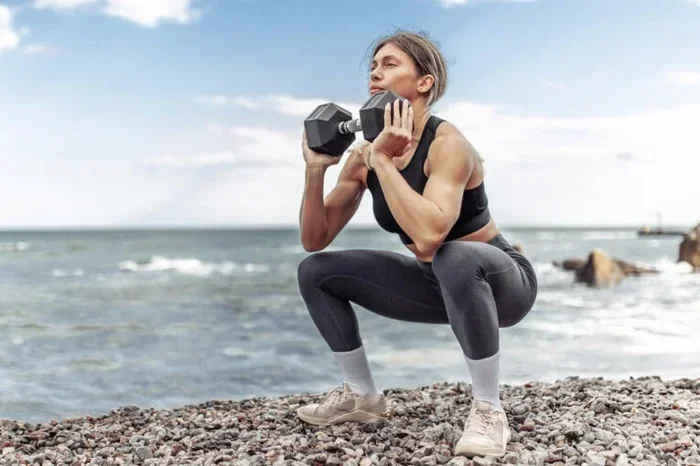
Beach dumbbell workouts combine the resistance of sand with targeted weight training for a full-body fitness experience. Whether you are a fan of the anime How Heavy Are the Dumbbells You Lift or just starting your beach fitness journey, understanding the right dumbbell weight is essential. This guide breaks down recommended weights, sand training benefits, and practical tips for an effective beach workout.
This is a comprehensive guide about How Heavy Are The Dumbbells You Lift Beach.
Key Takeaways
- Sand adds natural resistance: Training on the beach increases the challenge of every dumbbell movement by up to 30% compared to hard surfaces.
- Start light and progress: Beginners should begin with 5 to 10-pound dumbbells on sand and gradually increase weight as strength improves.
- Proper form matters more than heavy weight: The unstable sand surface demands better balance and control, reducing injury risk when form is prioritized.
- The anime series offers real fitness inspiration: The main character’s transformation shows how consistent training with the right weights leads to real results.
- Beach workouts are portable and free: You do not need a gym membership to get an effective strength training session by the ocean.
[FEATURED_IMAGE_PLACEHOLDER]
Beach workouts have exploded in popularity over the last few years. People are trading crowded gyms for open sand and ocean views. And when it comes to strength training on the beach, one question keeps coming up: how heavy are the dumbbells you lift at the beach?
The answer depends on your fitness level, the type of exercises you perform, and whether you are training on dry sand or wet sand. This guide covers everything you need to know about beach dumbbell training, from choosing the right weight to understanding why sand makes every rep harder.
Whether you are a complete beginner or a seasoned lifter, this article will help you build a smarter and more effective beach workout routine. Let us dive in.
## Why Beach Dumbbell Workouts Are So Effective
### The Science Behind Sand Training
Training on sand is fundamentally different from training on a gym floor. The sand shifts and moves under your feet. This means your stabilizer muscles work overtime to keep you balanced. Your ankles, knees, and hips all engage in ways they do not on a flat surface.
Research shows that sand-based exercises can increase muscle activation by up to 30 percent. The soft surface absorbs force, which means your muscles have to work harder to push through each movement. This makes even lighter dumbbells feel surprisingly challenging when you are on the beach.
Another benefit is reduced joint impact. Sand cushions your joints during every step and rep. This makes beach dumbbell training a great option for people recovering from injuries or those who want to train with less stress on their knees and hips.
### Dry Sand vs. Wet Sand
Not all beach surfaces are the same. Dry sand is softer and deeper. It demands more effort from your legs and core. Exercises like squats, lunges, and standing shoulder presses become significantly harder on dry sand.
Wet sand is firmer and more stable. It is closer to a gym floor surface. Most people find wet sand better for focused upper-body exercises like curls, presses, and lateral raises.
Here is a quick comparison of the two surfaces:
- Dry Sand: Soft, unstable, higher energy cost, great for leg and core work.
- Wet Sand: Firm, stable, lower energy cost, ideal for upper-body isolation exercises.
Choose your surface based on the muscle groups you want to target. This simple adjustment can dramatically change how your beach workout feels.
## How Heavy Should Your Beach Dumbbells Be
### Beginner Weight Recommendations
If you are new to dumbbell training, starting with the right weight is critical. On the beach, you should go lighter than you would in a gym. The unstable surface already adds difficulty, so there is no need to load up heavy plates.
For beginners, 5 to 10-pound dumbbells are a great starting point for upper-body exercises. For lower-body movements like squats and lunges, you can go slightly heavier at 10 to 15 pounds, but only if the sand is firm. The key is to maintain proper form throughout every set.
Remember the golden rule: if you cannot complete 10 to 12 reps with good form, the weight is too heavy. Drop it down and focus on control.
### Intermediate and Advanced Lifters
Intermediate lifters can handle 10 to 20-pound dumbbells for most beach exercises. Advanced athletes may push to 25 or even 30 pounds for certain compound movements on wet sand.
However, more weight does not always mean better results. On sand, time under tension and controlled movement matter more than raw poundage. Slow down each rep and feel the muscle work. That is where the real gains happen.
### Matching Weight to Exercise Type
Different exercises call for different weights. Here is a quick guide:
- Bicep Curls: 5 to 10 pounds
- Shoulder Press: 10 to 15 pounds
- Goblet Squats: 10 to 20 pounds
- Lunges: 5 to 15 pounds per hand
- Chest Flyes: 10 to 15 pounds
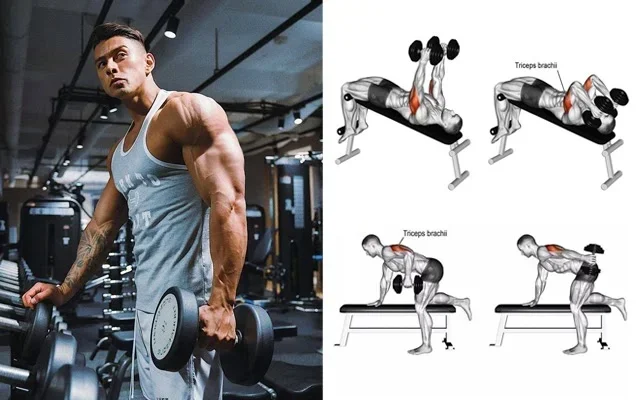
- Tricep Extensions: 5 to 10 pounds
These numbers are starting points. Adjust based on how the sand feels and your current strength level. The beauty of beach training is that you can adapt in real time.
## The Anime Connection: Fitness Motivation from How Heavy Are the Dumbbells You Lift
### Real-World Inspiration from Fiction
The anime and manga series How Heavy Are the Dumbbells You Lift has inspired millions of fans worldwide to take up strength training. The series follows characters who transform their bodies through consistent dumbbell workouts and proper nutrition. It is not just entertainment. It is a genuine fitness motivation tool.
The show’s protagonist, Hibiki Sakura, starts her fitness journey with realistic beginner weights and gradually builds strength. Her progression mirrors what real people experience at the gym or on the beach. This is why the series resonates so deeply with fitness enthusiasts.
If you want to explore the full story and see how the characters train, you can read the manga online for a deeper look at their workout routines and transformations.
### Key Training Principles from the Series
The anime teaches several principles that apply directly to beach training:
- Consistency over intensity: Showing up every day matters more than lifting the heaviest weight.
- Progressive overload: Gradually increase your weight or reps over time.
- Proper warm-ups: Never skip warming up, especially on unstable surfaces like sand.
- Rest and recovery: Muscles grow during rest, not during the workout itself.
These principles work whether you are in a gym or on the beach. The best moments from the series highlight how small, consistent efforts lead to dramatic results over months and years.
## Best Beach Dumbbell Exercises for Every Fitness Level
### Upper Body Moves
Standing Dumbbell Shoulder Press is excellent for building shoulder strength. The sand forces your core to stabilize, turning a simple press into a full-body exercise. Hold a dumbbell in each hand at shoulder height and press overhead. Keep your feet shoulder-width apart on the sand.
Beach Bicep Curls are simple but effective. Stand on the wet sand, hold dumbbells at your sides, and curl with slow, controlled motion. The unstable surface keeps your core engaged throughout.
Chest Flyes on the beach are a unique challenge. Lie on your back on the sand, press the dumbbells up, and open your arms slowly. The sand makes it harder to maintain a stable position, which means more muscle fibers are recruited.
### Lower Body Moves
Sand Squats with Dumbbells are one of the most effective beach exercises. Hold dumbbells at your sides and squat down until your thighs are parallel to the ground. The deeper you go, the more your glutes and quads work.
Walking Lunges on sand build serious leg strength. Hold a dumbbell in each hand and take long, controlled steps forward. The soft surface forces your stabilizing muscles to work harder than they would on pavement.
### Core and Full Body
Sand Burpees with Dumbbells combine cardio and strength. Hold light dumbbells, perform a burpee, and stand up with a shoulder press. This exercise torches calories and builds functional strength.
Beach Farmer Walks are simple but brutal. Hold heavy dumbbells at your sides and walk along the shoreline. The sand makes every step harder, and your grip, core, and legs all benefit.
## Common Mistakes to Avoid When Training on the Beach
### Using Too Much Weight
The biggest mistake people make is loading up too much weight. Sand changes the mechanics of every exercise. A 20-pound dumbbell on the beach feels like a 30-pound dumbbell in the gym. Start lighter than you think you need and increase gradually.
### Ignoring Foot Placement
Your feet are your foundation on sand. Placing them too close together makes you unstable. Keep your feet shoulder-width apart and spread your toes slightly for better grip. This simple adjustment improves balance and reduces the risk of ankle rolls.
### Skipping Warm-Ups
Cold sand in the morning can be tough on joints. Always warm up for at least five minutes before lifting. Light jogging on the sand, dynamic stretches, and arm circles prepare your body for the workout ahead.
### Neglecting Sun Protection
It is easy to forget about sun safety when you are focused on training. Always wear sunscreen, a hat, and stay hydrated. Dehydration can reduce your performance and increase injury risk. Bring a water bottle and take breaks in the shade.
## Expert Tips for Maximizing Your Beach Workout
### Train at Low Tide
The wet sand near the waterline at low tide is the best surface for dumbbell training. It is firm enough to support your feet but still offers natural resistance. Check the tide schedule before heading out.
### Use Adjustable Dumbbells
Adjustable dumbbells are perfect for beach training. They are compact, portable, and let you change weight quickly. This is especially useful when you want to alternate between upper and lower body exercises.
### Focus on Tempo
Slow down every rep. A three-second concentric and a three-second eccentric phase maximizes muscle time under tension. On sand, slower reps also help you maintain balance and stability.
### Add Bodyweight Exercises
Combine dumbbell work with bodyweight movements like push-ups, planks, and jump squats. This hybrid approach keeps your workouts varied and challenges your body in different ways.
## Conclusion
Beach dumbbell training is one of the most effective and accessible ways to build strength, endurance, and functional fitness. The right weight depends on your experience level, the type of exercise, and the sand conditions. Start light, focus on form, and progress gradually.
Whether you are drawing inspiration from the anime world or simply looking for a refreshing change from your gym routine, the beach offers everything you need for an amazing workout. The sand adds natural resistance, the ocean breeze keeps you cool, and the scenery keeps you motivated.
So grab your dumbbells, find your spot on the shoreline, and start lifting. Your beach body and your stronger muscles are waiting.
## Frequently Asked Questions
What weight dumbbells should I use on the beach?
Beginners should start with 5 to 10 pounds for upper-body exercises and 10 to 15 pounds for lower-body movements on sand. The unstable surface makes lighter weights feel heavier, so always prioritize proper form over loading up too much weight.
Is it better to train on dry sand or wet sand?
Wet sand is firmer and better for focused dumbbell exercises. Dry sand is softer and better for leg and core work because it increases instability. Choose based on the muscle groups you want to target during your beach workout.
Can beach dumbbell workouts replace gym training?
Beach workouts are excellent for building functional strength and endurance. However, they may not fully replace gym training for heavy compound lifts. Beach training works best as a complement or a seasonal alternative to your regular gym routine.
How often should I train with dumbbells on the beach?
Two to three beach sessions per week is ideal for most people. This gives your muscles enough stimulus to grow while allowing adequate recovery time. Listen to your body and adjust frequency based on how you feel after each session.
Do I need special dumbbells for beach training?
Regular dumbbells work fine, but adjustable dumbbells are ideal because they are portable and let you change weight quickly. Look for rubber-coated options to protect the sand surface and prevent rust from salt water exposure.
What are the benefits of lifting dumbbells on sand?
Sand training increases muscle activation, improves balance and stability, reduces joint impact, and adds natural resistance to every movement. These benefits make beach dumbbell workouts a highly effective and joint-friendly alternative to traditional gym training.
Frequently Asked Questions
What is How Heavy Are The Dumbbells You Lift Beach?
How Heavy Are The Dumbbells You Lift Beach is an important topic with many practical applications.