Is a Rowing Machine Good for a Bad Back
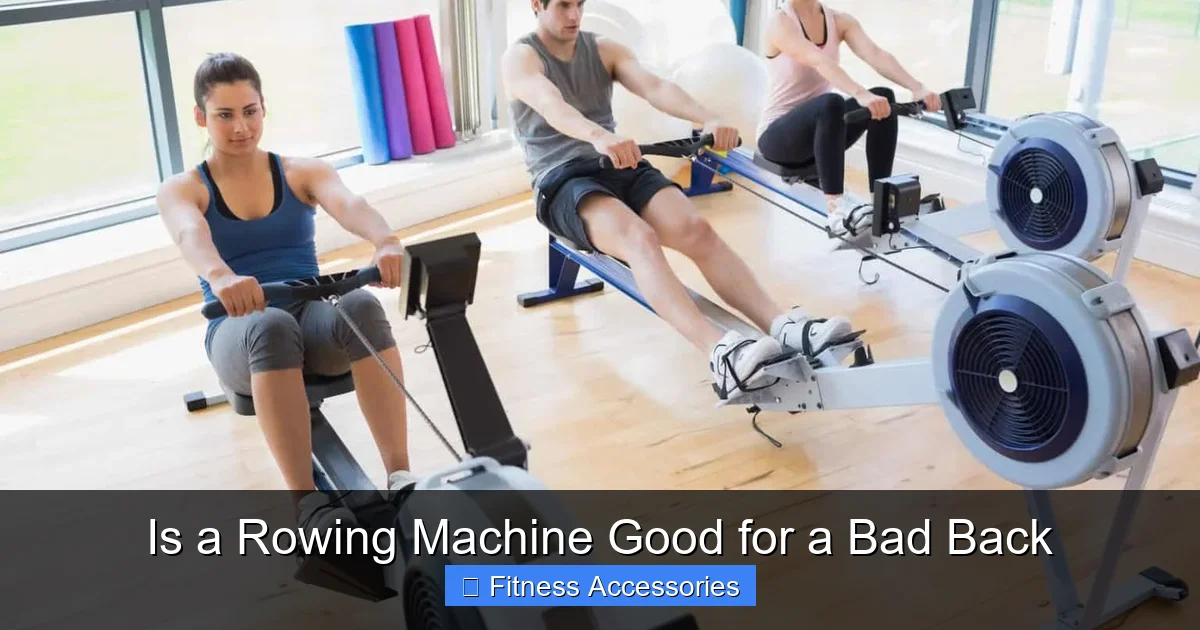
Wondering if a rowing machine can fit into a bad‑back routine? The answer is yes—if you choose the right technique, adjust the equipment, and listen to your body. With proper form and smart modifications, rowing can strengthen your core, improve posture, and give you a low‑impact cardio workout without aggravating back pain.
Key Takeaways
- Low‑impact cardio: Rowing is gentle on joints and can be easier on a sore back than running or jumping.
- Core activation: Proper rowing engages deep abdominal muscles that support the spine.
- Form matters most: A neutral spine, hinged hips, and controlled finish prevent strain.
- Equipment tweaks: Adjust seat, foot straps, and resistance to match your back condition.
- Gradual progression: Start with short, low‑resistance sessions and increase slowly.
- Medical clearance: Consult a doctor or physical therapist before beginning.
- Alternative moves: If rowing hurts, try seated cable rows, water rowing, or floor‑based core work.
📑 Table of Contents
- Introduction: The Back‑Friendly Appeal of Rowing
- How Rowing Works: The Mechanics Explained
- Benefits of Rowing for a Bad Back
- Setting Up the Rowing Machine for a Bad Back
- Mastering the Back‑Friendly Rowing Technique
- Progression Plan: From First Row to Safe Strength
- Alternatives and Complementary Exercises
- Common Mistakes and How to Fix Them
- Conclusion: Rowing Can Be a Back‑Friendly Powerhouse
Introduction: The Back‑Friendly Appeal of Rowing
Back pain is one of the most common reasons people skip the gym. The good news is that not every workout has to be off‑limits. A rowing machine, often seen as a full‑body cardio tool, can actually be a friend to a sore spine—if you use it wisely.
Rowing mimics the natural pulling motion we use in daily life, such as lifting groceries or pulling a door closed. This motion can strengthen the muscles that hold the spine upright, improve posture, and boost cardiovascular health—all without pounding the spine like high‑impact activities do. The key is learning the right technique, making smart equipment adjustments, and listening to the signals your body sends.
How Rowing Works: The Mechanics Explained
What a rowing stroke looks like
A rowing stroke is divided into four phases: the catch, the drive, the finish, and the recovery. Each phase has a purpose and a set of muscles that fire.

Visual guide about Is a Rowing Machine Good for a Bad Back
Image source: rowingcrazy.com
- Catch: You sit tall, shins vertical, arms extended, and hips hinged back. This is the starting position.
- Drive: Push through the legs, tilt the hips forward, then pull the handle to your chest. The legs, hips, and back work together.
- Finish: Legs are straight, the handle is near the ribs, and you slightly lean back.
- Recovery: Extend the arms, hinge the hips forward, and slide the seat forward to the catch.
Why the movement is low‑impact
Unlike running, rowing does not involve foot strikes that send shock waves up the spine. The smooth sliding motion keeps forces distributed across the hips and legs, reducing direct pressure on the lumbar discs. This makes rowing a safer cardio option for many people with back issues.
Benefits of Rowing for a Bad Back
Strengthens the core without over‑loading
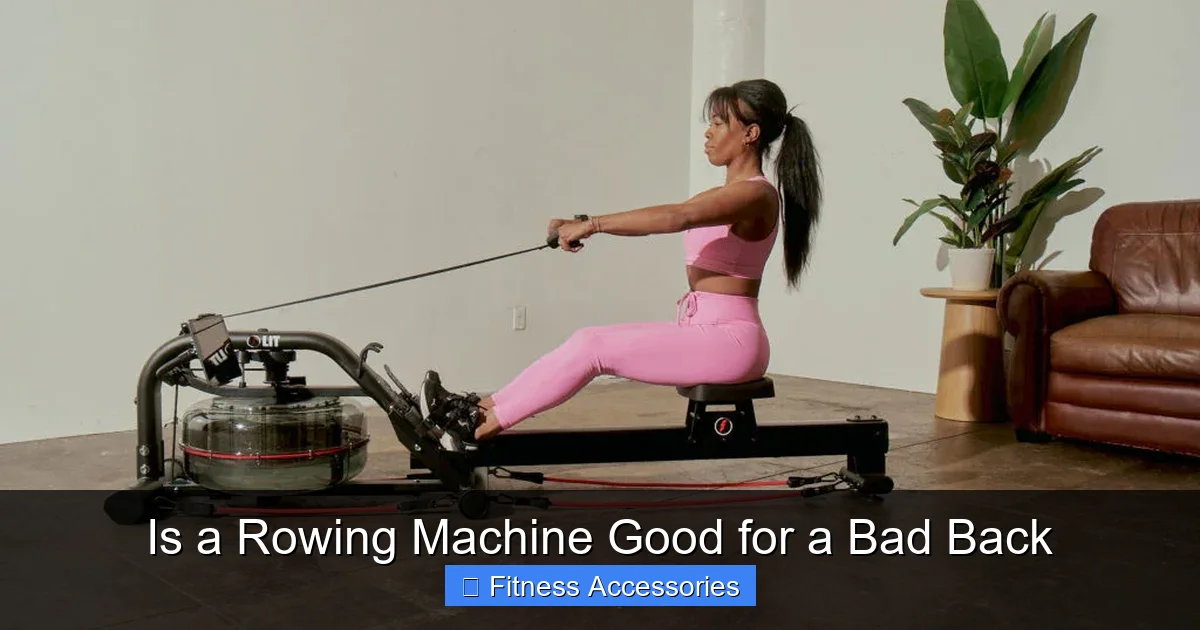
The core works isometrically during the drive and recovery phases. When you keep a neutral spine, you engage the transverse abdominis and multifidus—tiny muscles that act like a corset around the vertebrae. Over time, these muscles become stronger, offering better support for everyday movements.
Visual guide about Is a Rowing Machine Good for a Bad Back
Image source: cdn.shopify.com
Improves posture and spinal alignment
Rowing teaches you to sit tall, pull the shoulder blades together, and keep the chest open. These cues counteract the forward‑head‑and‑shoulder posture that often worsens back pain. Regular rowing sessions can help “re‑train” your posture muscles, making you feel taller and less achy.
Boosts cardiovascular health
Because you use both upper and lower body muscles, you can achieve a high calorie burn in a short time. The heart‑pumping benefit is especially valuable for people who can’t tolerate high‑impact cardio like jogging.
Customizable resistance
Most modern rowing machines let you dial the resistance from very light to very heavy. Starting with low resistance lets you focus on form while keeping spinal load minimal. You can increase the challenge only when your back feels ready.
Setting Up the Rowing Machine for a Bad Back
Seat position and rail
Slide the seat forward so that when you’re at the catch, your shins are vertical and your knees are not hyper‑extended. A forward seat reduces the distance you have to pull, decreasing strain on the lower back.

Visual guide about Is a Rowing Machine Good for a Bad Back
Image source: boxlifemagazine.com
Foot strap adjustment
Secure the foot straps just above the ball of your foot. Too tight can force you to point the toes, pulling on the calves and lower back. Too loose lets the foot slide, causing uneven force distribution.
Handle grip and wrist position
Hold the handle with a relaxed, neutral wrist—avoid a clenched fist. A neutral grip keeps the forearms aligned with the elbows, preventing unnecessary tension in the shoulders and upper back.
Resistance selection
Begin with a resistance that feels like a brisk walk—usually 3–5 on a 10‑point scale for air‑resistance rowers, or 30–40 % of the max on a magnetic model. The goal is to feel the muscles work, not to strain the spine.
Mastering the Back‑Friendly Rowing Technique
Maintain a neutral spine
Imagine a straight line from your ears to your hips to your knees. Keep this line throughout the drive and recovery. If you feel your lower back rounding, pause, reset, and engage your core before continuing.
Hip hinge before the pull
During the drive, think “push with the legs first, then tilt the hips, then pull.” This sequence ensures the powerful leg muscles do most of the work, sparing the lumbar spine from excessive load.
Controlled finish
At the finish, keep the shoulders down and back, and avoid leaning too far behind the hips. A slight lean (about 10–15 degrees) is enough to complete the stroke without over‑extending the lumbar region.
Smooth recovery
Extend the arms first, then hinge the hips forward, and finally slide the seat forward. The recovery should be slower than the drive—think “one‑second arms, two‑seconds hips, three‑seconds slide.” This rhythm helps maintain spinal stability.
Breathing pattern
Inhale on the recovery (when you’re sliding forward) and exhale during the drive (when you’re pushing and pulling). Proper breathing supports core activation and reduces intra‑abdominal pressure that can compress the spine.
Progression Plan: From First Row to Safe Strength
Week 1: Getting comfortable
- Frequency: 2–3 sessions per week.
- Duration: 5–8 minutes total, broken into 1‑minute intervals.
- Resistance: Very light (level 2‑3).
- Focus: Master the catch‑drive‑finish‑recovery sequence with a neutral spine.
Week 2–3: Building endurance
- Frequency: 3 sessions per week.
- Duration: 10–12 minutes, continuous or 2‑minute intervals.
- Resistance: Slightly increase (level 4‑5).
- Goal: Maintain form for longer periods; watch for any ache that lingers more than 24 hours.
Week 4–6: Adding intensity
- Frequency: 3–4 sessions per week.
- Duration: 15–20 minutes.
- Resistance: Moderate (level 6‑7) if your back feels stable.
- Tip: Introduce short “power bursts” of 15‑20 seconds at higher resistance, then return to baseline.
When to back off
If you feel sharp pain, tingling, or a new ache that doesn’t improve after a day of rest, drop the resistance, shorten the session, or pause rowing altogether. Consult a health professional before progressing further.
Alternatives and Complementary Exercises
Seated cable rows
Using a cable machine with a chest‑supported bench mimics the rowing pull while providing extra lumbar support.
Water rowing
Rowing on a rowing ergometer in a pool reduces gravitational load on the spine, making it a great low‑impact option for severe back pain.
Core‑focused workouts
Planks, bird‑dogs, and dead‑bugs strengthen the deep stabilizers that protect the back during rowing. Add these 2–3 times a week.
Flexibility work
Gentle hamstring, hip‑flexor, and thoracic‑spine stretches improve the range of motion needed for a smooth rowing stroke.
Common Mistakes and How to Fix Them
Rounding the lower back
Cause: Trying to pull too hard with the arms before the legs engage.
Fix: Reset to the catch, engage the core, and push through the heels first.
Over‑reaching at the finish
Cause: Leaning too far back, thinking it adds power.
Fix: Keep the torso slightly forward of vertical; think “lean just enough to finish the pull, then sit tall.”
Using too much resistance too soon
Cause: Wanting a tough workout right away.
Fix: Stick to the progression plan; strength comes from consistency, not weight.
Improper foot strap placement
Cause: Straps too tight or too loose.
Fix: Position straps just above the ball of the foot and tighten until you can wiggle your toes slightly.
Conclusion: Rowing Can Be a Back‑Friendly Powerhouse
When done with care, a rowing machine is not only safe for a bad back—it can be a powerful tool for healing. By keeping the spine neutral, using low resistance, and progressing gradually, you give your core the chance to become a sturdy support system. Pair rowing with targeted core work, flexibility stretches, and professional guidance, and you’ll likely see less pain, better posture, and improved cardio fitness.
So, is a rowing machine good for a bad back? Absolutely—provided you respect your body’s limits, master the technique, and follow a sensible plan. Grab a seat, set the resistance low, and start rowing toward a stronger, pain‑free back.
Frequently Asked Questions
Can I use a rowing machine if I have a herniated disc?
Yes, but start with very low resistance and focus on perfect form. Always get clearance from your doctor or physical therapist first.
How many minutes per session are safe for a sore lower back?
Begin with 5–8 minutes, broken into short intervals. As your back feels stronger, you can gradually increase to 15–20 minutes.
Do I need a specific type of rowing machine for back pain?
Both air‑resistance and magnetic rowers work; the key is adjustability. Choose a model with easy resistance control and a smooth, quiet rail.
What should I do if I feel a twinge during a row?
Stop immediately, check your form, and reduce the resistance. If the pain persists after rest, consult a medical professional.
Is it better to row standing or seated for a bad back?
Seated rowing is generally safer because it keeps the spine more stable. Standing rowing machines are rare and typically harder on the lower back.
Can rowing replace my physical therapy exercises?
Rowing can complement therapy but should not replace prescribed exercises. Use it as a supplemental cardio and core‑strength tool alongside your therapist’s plan.