Is the Rowing Machine a Good Cardio Workout
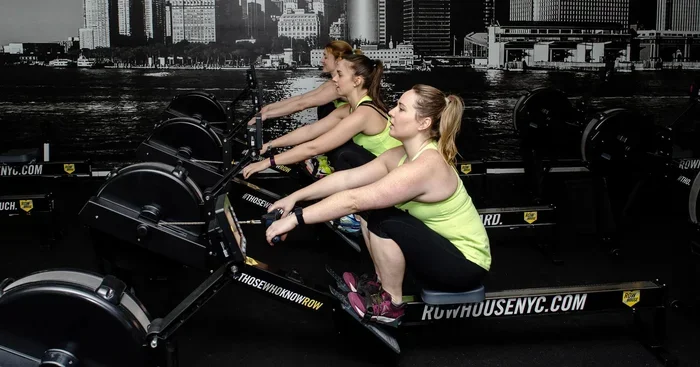
The rowing machine delivers an excellent cardio workout that strengthens your heart, burns serious calories, and trains nearly every major muscle group. It is a low-impact option that is easier on your joints than running, making it ideal for beginners and seasoned athletes alike. Whether you prefer steady-state rowing or high-intensity intervals, a rowing machine can boost your endurance and overall fitness.
When most people think of cardio, they picture treadmills, ellipticals, or outdoor running. But the rowing machine has been quietly stealing the spotlight in gyms everywhere. And for good reason. It delivers a powerful cardiovascular workout without beating up your joints. If you have been wondering whether a rowing machine cardio workout is worth your time, the short answer is yes. The longer answer is even more exciting.
A rowing machine cardio workout combines strength and endurance training in one smooth motion. Every stroke pushes your heart rate up, engages your legs, arms, back, and core, and builds stamina over time. Whether you are just starting your fitness journey or you are a seasoned athlete looking for a new challenge, the rowing machine has something to offer. In this article, we will break down exactly why this piece of equipment earns top marks for cardiovascular health.
Key Takeaways
- Full-body cardio: The rowing machine engages 86% of your muscles, making it one of the most efficient cardio exercises available.
- Low-impact and joint-friendly: Unlike running, rowing puts minimal stress on your knees and hips while still raising your heart rate.
- Burns calories fast: A moderate rowing session can burn 400-600 calories per hour, supporting weight loss and heart health.
- Adjustable intensity: You can tailor the resistance and pace to match any fitness level, from beginner to advanced.
- Improves heart and lung health: Regular rowing strengthens your cardiovascular system and boosts your aerobic capacity over time.
- Works for all fitness levels: The rowing machine is a versatile tool that adapts to your goals, whether that is endurance, fat loss, or general health.
📑 Table of Contents
- What Makes the Rowing Machine Great for Cardio
- How Many Calories Does a Rowing Machine Cardio Workout Burn
- Rowing Machine Cardio vs. Other Machines
- How to Structure a Rowing Machine Cardio Workout
- Benefits Beyond Cardio
- Common Mistakes to Avoid
- Is the Rowing Machine a Good Cardio Workout for Beginners
- Final Thoughts
What Makes the Rowing Machine Great for Cardio
Not all cardio machines are created equal. Some focus on your lower body. Others feel repetitive or boring after a few minutes. The rowing machine stands out because it gives you a full-body aerobic workout that keeps things interesting. Every pull and push works multiple muscle groups at once, which means you get more bang for your buck in less time.
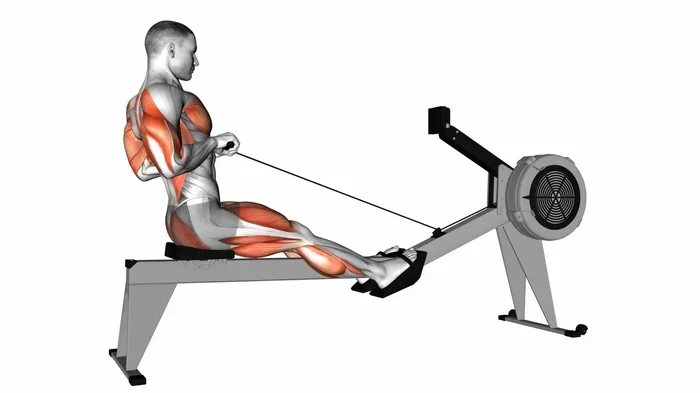
When you row, your legs drive about 60% of the power, your core stabilizes the movement, and your arms and back finish the stroke. This coordinated sequence raises your heart rate quickly and keeps it elevated throughout your session. That is the hallmark of a great cardiovascular exercise. Your lungs work harder, your blood pumps faster, and your body becomes more efficient at delivering oxygen to your muscles.
Low Impact, High Reward
One of the biggest advantages of rowing for cardio is that it is low-impact. Running on a treadmill or doing high-impact aerobics can stress your knees, ankles, and hips over time. Rowing, on the other hand, keeps you seated and gliding smoothly. There is no pounding or jarring movement. This makes it a fantastic choice for people with joint issues, older adults, or anyone recovering from an injury. Indoor rowing gives you all the cardiovascular benefits without the wear and tear on your body.
How Many Calories Does a Rowing Machine Cardio Workout Burn
Let us talk numbers. If you are like most people, you want to know how much effort it takes to see results. The good news is that a rowing machine workout burns a significant number of calories, especially when you push yourself.
| Intensity Level | Calories Burned (per hour) | Heart Rate Zone |
|---|---|---|
| Light (steady pace) | 300-400 | 50-60% max HR |
| Moderate | 400-550 | 60-70% max HR |
| Vigorous | 550-800 | 70-85% max HR |
| HIIT Intervals | 500-700 | Alternating zones |
The exact number depends on your weight, intensity level, and rowing technique. A 155-pound person rowing at a moderate pace can expect to burn around 500 calories in an hour. Bump up the resistance or try interval training, and that number climbs even higher. Compared to other machines, the rowing machine holds its own and often outperforms them in overall calorie burn.
What makes rowing especially effective for fat loss is that it builds lean muscle while you burn calories. More muscle means a higher resting metabolic rate, which means you keep burning calories even after you step off the machine. That is a win-win situation for anyone looking to improve their body composition.
Rowing Machine Cardio vs. Other Machines
Curious how the rowing machine stacks up against other popular cardio equipment? Let us look at the comparison. The rowing machine vs treadmill debate comes up often, and each has its strengths. A treadmill is excellent for running-specific training and bone density, but it is harder on your joints. The rowing machine gives you a similar calorie burn with much less impact.
Compared to an elliptical, rowing engages your upper body more thoroughly. The elliptical mostly targets your lower body and relies on momentum to keep the flywheel moving. With a rowing machine, every stroke requires active effort from your entire body. This means you build more functional strength alongside your cardiovascular endurance.
Compared to a stationary bike, the rowing machine burns more calories per minute and works more muscle groups. A bike is great for your legs and is very easy on the joints, but it leaves your upper body largely untouched. Rowing fills that gap and gives you a more balanced workout.
How to Structure a Rowing Machine Cardio Workout
The beauty of the rowing machine is that you can customize your session to match your goals and fitness level. Here are a few proven structures you can try right away.
1. Steady-State Rowing
This is the simplest approach. Set a comfortable pace and maintain it for 20-45 minutes. Keep your heart rate in zone 2 or 3 (about 60-75% of your max heart rate). Steady-state rowing builds your aerobic base, improves endurance, and teaches proper technique. It is perfect for beginners or for days when you want a longer, more relaxed session.
2. Interval Training
Interval training takes your cardio fitness to the next level. Alternate between hard strokes and easy recovery periods. For example, row hard for 1 minute, then easy for 2 minutes. Repeat for 20-30 minutes. This style of training boosts your VO2 max, burns more calories in less time, and keeps your workouts exciting. It is one of the most effective ways to improve your heart health.
3. Pyramid Workout
Start with a 500-meter row at a hard effort. Rest for 90 seconds. Then row 1,000 meters. Rest again. Continue increasing the distance (1,500m, 2,000m) until you reach your max, then work back down. This endurance training format challenges both your body and your mind. It is a favorite among competitive rowers and fitness enthusiasts alike.
Benefits Beyond Cardio
While we are focusing on the cardiovascular benefits, it is worth noting that the rowing machine offers so much more. Here are some extra perks that come with regular rowing sessions.
- Improved posture: Rowing strengthens your back and core muscles, which helps you sit and stand taller throughout the day.
- Better mental health: Like all cardio exercise, rowing releases endorphins that reduce stress and boost your mood.
- Increased flexibility: The sliding seat and full range of motion in each stroke gently stretch your hamstrings and hips.
- Bone density support: The pulling motion places healthy stress on your bones, which can help maintain bone strength over time.
- Better sleep: Regular cardiovascular exercise like rowing has been shown to improve sleep quality and duration.
Common Mistakes to Avoid
Even though rowing looks simple, poor technique can reduce your results and increase your risk of injury. Here are a few mistakes to watch out for.
- Relying too much on your arms: Your legs should do the heavy lifting. Your arms are there to finish the stroke, not power it.
- Rounding your lower back: Keep your core engaged and your back straight throughout the entire stroke. This protects your spine and makes each pull more effective.
- Rushing the recovery: The return slide is just as important as the drive. Take your time on the way back to set up for the next powerful stroke.
- Setting resistance too high: If you are doing cardio, keep the damper at a moderate setting (3-5). High resistance turns rowing into a strength exercise, which is not what you want for a pure cardio session.
Getting your rowing technique right will make a huge difference in both performance and safety. If you are new to the machine, spend a few sessions focusing on form before pushing for speed or intensity.
Is the Rowing Machine a Good Cardio Workout for Beginners
Absolutely. The rowing machine is one of the most beginner-friendly pieces of cardio equipment you can find. The movement is natural and intuitive once you learn the basics. You can start with just 10-15 minutes at a light pace and gradually build up your time and intensity as your fitness improves.
Many gyms and home setups now offer rowing machine for beginners programs that guide you through proper form and progressive workouts. The low-impact nature of rowing means you are less likely to experience soreness or injury compared to starting a running routine. It is also easy on your wallet since a basic rowing machine for home use is a one-time investment that pays for itself over time.
Start slow, focus on your technique, and be consistent. Within just a few weeks, you will notice improvements in your stamina, energy levels, and overall cardiovascular health. The rowing machine is a gateway to lasting fitness habits that can carry you through years of active living.
Final Thoughts
The rowing machine is hands down one of the best cardio workouts you can do. It combines low-impact movement with full-body engagement, serious calorie burn, and real heart health benefits. Whether you want to lose weight, build endurance, or simply stay active, a rowing machine cardio workout checks every box. It is efficient, adaptable, and kind to your joints. If you have not tried rowing yet, now is the perfect time to give it a shot. Your heart and your whole body will thank you.
Grab a seat on the rower, set a comfortable pace, and enjoy the ride. Consistency is the key to results, and the rowing machine makes it easy to show up and put in the work. Start with two or three sessions per week, and you will be amazed at how quickly your fitness improves. The path to better cardiovascular health might just start with a single stroke.
Frequently Asked Questions
Is a rowing machine cardio or strength training?
It is both. The rowing machine primarily delivers a cardiovascular workout, but it also builds strength because you are pulling against resistance with every stroke. This makes it a unique hybrid that trains your heart and muscles at the same time.
How long should a rowing machine cardio workout be?
A good starting point is 20 to 30 minutes, three to four times per week. As your endurance improves, you can extend your sessions or increase the intensity. Even 15 minutes of focused rowing can provide meaningful cardiovascular benefits.
Can rowing help me lose belly fat?
Rowing is one of the most effective full-body exercises for burning calories and reducing overall body fat, including belly fat. However, spot reduction is not possible. Combine regular rowing sessions with a balanced diet for the best results in reducing belly fat.
Is rowing safe for people with back problems?
Rowing can be safe for many people with back issues because it is low-impact and strengthens the muscles that support your spine. However, you should consult a doctor before starting, and always maintain proper form to avoid straining your lower back.
What is a good heart rate for a rowing machine cardio workout?
A moderate heart rate zone of 60-75% of your maximum heart rate is ideal for most rowing cardio sessions. You can calculate your max heart rate by subtracting your age from 220. Use this range to ensure you are working hard enough to improve your cardiovascular fitness.
Do I need a high-end rowing machine to get a good cardio workout?
No. Even a basic rowing machine provides an excellent cardio workout. The key is consistency and proper technique, not the price tag. Many affordable models offer adjustable resistance and accurate performance tracking that is all you need to train effectively.
=== INTERNAL LINKS ===
For more on the full-body benefits of rowing, check out our guide on Is The Rowing Machine A Good Full Body Workout 2. You may also want to explore How Good Of A Workout Is A Rowing Machine 2 for tips on maximizing every session. If weight loss is one of your goals, our article on How Good Is A Rowing Machine For Weight Loss 2 has everything you need to know.