Is the Rowing Machine Bad for Your Knees
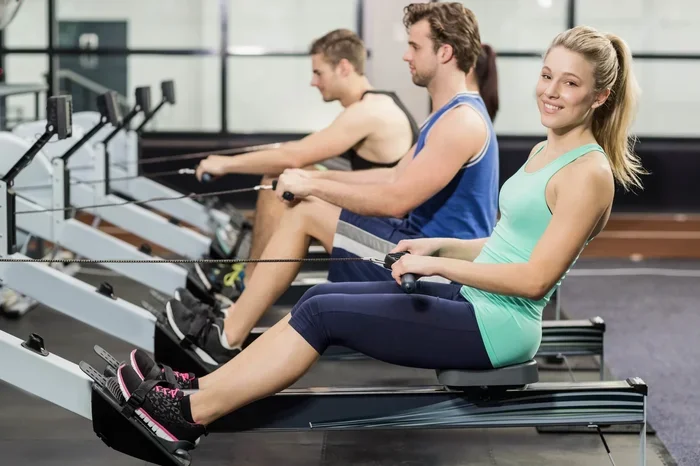
The rowing machine is generally safe for your knees when used with proper form and technique. It is a low-impact exercise that can actually strengthen the muscles around your knee joint. However, poor rowing technique, pre-existing knee conditions, or overuse can lead to knee pain and injury.
Many people wonder whether is the rowing machine bad for your knees. It is a fair question. After all, your knees take a beating from everyday activities, sports, and other workouts. The last thing you want is to add to that damage with a machine you use for exercise.
The good news is that the rowing machine is one of the most knee-friendly cardio machines available. It is a low-impact workout that puts very little stress on your joints. But there is a catch. Bad form, overuse, or existing knee conditions can turn a safe exercise into a painful one.
In this article, we will break down everything you need to know about rowing and knee health. We will look at why knee pain happens, how to prevent it, and what you can do if your knees already bother you. Whether you are a beginner or a seasoned rower, this guide has practical advice that actually works.
Key Takeaways
- Low-Impact Exercise: The rowing machine is gentle on your knees compared to high-impact activities like running or jumping.
- Proper Form Is Critical: Using the correct rowing technique prevents unnecessary stress on your knee joints.
- Common Causes of Knee Pain: Overuse, poor form, and existing conditions are the main culprits behind rowing-related knee discomfort.
- Strengthening Benefits: Rowing builds muscle around the knees, which can actually protect and support your joints over time.
- Prevention Tips Work: Simple adjustments like warming up, stretching, and using proper resistance levels can keep your knees safe.
- Know When to Stop: Persistent knee pain during rowing is a warning sign that should not be ignored.
📑 Table of Contents
How the Rowing Machine Affects Your Knees
Understanding how the rowing machine works helps you see why it is generally safe for your knees. The rowing motion involves pushing and pulling with your legs, arms, and core. Your knees bend and straighten during each stroke, but the movement is smooth and controlled.
Unlike running on a treadmill, where your feet repeatedly hit a hard surface, rowing keeps your feet stationary. There is no jarring impact. This is why many people with knee joint pain turn to rowing as a safer alternative to running.
That said, the rowing machine is not completely risk-free. The push phase of the stroke places some force through your knees. If your knees are already weak or injured, this force can cause discomfort. The key is understanding how your body responds and making adjustments accordingly.
What Happens to Your Knees During a Rowing Stroke
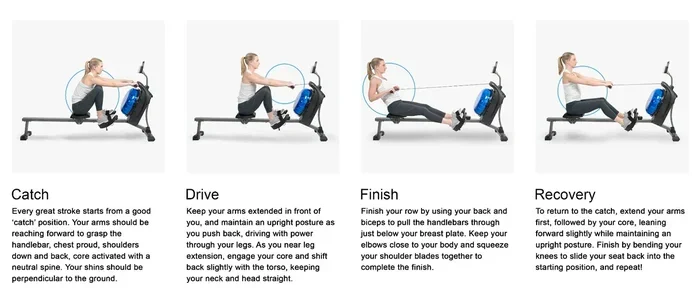
Let us break down the rowing stroke into simple steps:
- The Catch: Your knees are bent, and your shins are vertical. This is the starting position.
- The Drive: You push with your legs, extending your knees. This is where most of the force goes through your knees.
- The Finish: Your legs are straight, and you pull with your arms.
- The Recovery: You reverse the motion, bending your knees again as you slide forward.
During the drive phase, your knees go from bent to straight. This is a natural movement pattern. When done correctly, it strengthens the muscles around your knee, including your quadriceps and hamstrings. Stronger muscles around the knee mean better joint support over time.
Why Some People Experience Knee Pain on the Rowing Machine
If the rowing machine is supposed to be gentle on knees, why do some people still feel pain? There are several common reasons. Let us look at each one so you can identify what might be causing your discomfort.
1. Poor Rowing Technique
This is the number one cause of knee pain on the rowing machine. When you row with bad form, you put extra stress on your knee joints. For example, if you push too hard with your knees during the drive, you can strain the muscles and ligaments around the knee.
Another common mistake is letting your knees cave inward during the drive. This puts uneven pressure on the joint. Over time, poor technique can lead to pain, inflammation, and even injury. Learning the proper rowing form is the single best thing you can do for your knees.
2. Overuse and Too Much Volume
Doing too much too soon is a recipe for trouble. If you jump into long rowing sessions without building up gradually, your knees may not be ready for the workload. This is especially true for beginners who are just starting their fitness journey.
Your muscles, tendons, and ligaments need time to adapt to new movements. If you increase your rowing time or intensity too quickly, your knees will let you know. Start slow, and give your body time to adjust.
3. Pre-Existing Knee Conditions
If you already have a knee condition like arthritis, meniscus tears, or patellar tendinitis, rowing can sometimes make it worse. The repetitive bending and straightening motion may aggravate an already inflamed joint.
This does not mean you have to avoid the rowing machine entirely. But you should consult a doctor or physical therapist before starting a rowing routine if you have existing knee problems. They can help you determine what is safe and what is not.
4. Incorrect Machine Settings
Did you know that your rowing machine settings can affect your knees? If the resistance is set too high, your knees have to work much harder. This can lead to fatigue and strain, especially during longer sessions.
Similarly, if the foot straps are too tight or positioned incorrectly, your feet may not sit properly on the pedals. This can alter your knee alignment during the stroke and cause discomfort over time.
Rowing Machine vs. Other Cardio Machines for Knee Health
How does the rowing machine compare to other popular cardio machines when it comes to your knees? Let us take a closer look.
| Machine | Impact Level | Knee Stress | Best For |
|---|---|---|---|
| Rowing Machine | Low Impact | Low to Moderate | Full body, knee-friendly cardio |
| Treadmill (Running) | High Impact | High | Weight loss, running enthusiasts |
| Treadmill (Walking) | Low Impact | Low | Gentle cardio, beginners |
| Elliptical | Low Impact | Low to Moderate | Joint-friendly cardio |
| Stationary Bike | Low Impact | Low | Knee rehab, low-impact cardio |
As you can see, the rowing machine ranks well for knee health. It is much easier on your knees than running on a treadmill. However, the elliptical and stationary bike are also excellent options if you have sensitive knees. Many people find that alternating between machines gives them the best results without overloading any single joint.
For comparison, is walking on the treadmill bad for your knees? Generally, walking is very gentle on the knees. But running on a treadmill can be tough on them. If you are dealing with knee pain, the rowing machine is often a better choice than the treadmill for higher-intensity workouts.
How to Row Safely and Protect Your Knees
The best way to prevent knee pain on the rowing machine is to use proper technique and smart training habits. Here are some practical tips that will keep your knees happy and healthy.
1. Master the Proper Rowing Form
Proper form is the foundation of safe rowing. Focus on these key points:
- Keep your back straight throughout the stroke.
- Drive with your legs first, then pull with your arms.
- Do not let your knees collapse inward during the drive.
- Keep your feet properly positioned in the straps.
- Move smoothly and avoid jerky or sudden movements.
If you are unsure about your form, consider filming yourself from the side or asking a trainer for feedback. Proper rowing technique makes a huge difference in how your knees feel during and after your workout.
2. Start Slowly and Build Up
Do not try to row for 30 minutes on your first day. Start with 5 to 10 minutes and gradually increase your session length over several weeks. This gives your knees time to adapt to the new movement pattern.
A good rule of thumb is to increase your rowing time by no more than 10 to 15 percent per week. This gradual progression helps prevent overuse injuries and keeps your knees feeling strong.
3. Warm Up Before You Row
Warming up before any workout is essential, and rowing is no exception. Spend 5 to 10 minutes doing light stretches and dynamic movements before you start rowing. Focus on your quadriceps, hamstrings, and calves.
A good warm-up increases blood flow to your knee joints and prepares your muscles for the work ahead. It also helps you move more smoothly during the actual rowing stroke, which reduces stress on your knees.
4. Use the Right Resistance Level
Keep the resistance at a level that feels challenging but not brutal. If you are struggling to complete each stroke or feel pain in your knees, the resistance is probably too high.
For most people, a moderate resistance level works best. You should be able to maintain a steady rhythm without feeling like you are forcing your knees through every stroke. Listen to your body and adjust accordingly.
5. Strengthen the Muscles Around Your Knees
Strong muscles support your joints and reduce the risk of pain and injury. Exercises like squats, lunges, and leg presses can build the muscles around your knees. This makes your knees more resilient during rowing sessions.
Even simple exercises like wall sits and step-ups can make a big difference over time. Stronger legs mean your knees can handle more work on the rowing machine without complaint.
6. Cool Down and Stretch After Rowing
Do not skip your cool-down. After each rowing session, spend a few minutes stretching your legs. Focus on your quadriceps, hamstrings, IT band, and calves. Gentle stretching helps reduce tension around the knee joint and promotes recovery.
Some people also find that icing their knees after a tough rowing session helps reduce any swelling or inflammation. This is a simple step that can make a big difference, especially if you are new to rowing.
Can You Row With Bad Knees?
If you already have bad knees, you might be hesitant to try the rowing machine. The good news is that many people with knee problems can row safely and effectively. The key is taking the right precautions and being honest with yourself about your limits.
The rowing machine is often recommended for people with knee issues because it is a low-impact exercise. Unlike running or jumping, rowing does not involve your feet striking the ground. This significantly reduces the impact on your knee joints.
However, there are some situations where rowing might not be the best choice. If you have a severe knee injury or have had recent knee surgery, you should consult your doctor first. They can tell you whether rowing is appropriate for your specific condition and recovery stage.
For people with mild to moderate knee pain, rowing can actually be beneficial. The movement helps strengthen the muscles that support the knee joint, which can reduce pain over time. Start with short, gentle sessions and see how your knees respond. If you feel pain during or after rowing, stop and reassess your technique or talk to a healthcare professional.
Some people find that the rowing machine is a better option than the treadmill for knee problems. If you have been wondering is running on the treadmill bad for your knees, the answer is that it can be, especially if you have existing knee issues. The repetitive impact of running can wear down cartilage and worsen knee pain over time. Rowing gives you a great cardio workout without that impact.
When to Stop Rowing and See a Doctor
Not all knee pain is the same. Some soreness after a new workout is normal and goes away within a day or two. But there are times when knee pain signals something more serious. Here are some warning signs you should not ignore:
- Sharp or stabbing pain during rowing that does not go away when you stop.
- Swelling around the knee joint that appears after rowing sessions.
- Locking or clicking in the knee that feels unusual or painful.
- Pain that gets worse over time instead of improving with rest.
- Difficulty bearing weight on the affected knee after rowing.
- Persistent discomfort that lasts more than a few days after your workout.
If you experience any of these symptoms, stop rowing and see a doctor or physical therapist. Ignoring knee pain can lead to more serious injuries that take much longer to heal. It is always better to be safe than sorry when it comes to your joints.
Remember that is the rowing machine bad for your knees is not a simple yes or no answer. For most people, rowing is a safe and effective way to get a great workout without stressing your knees. But everyone’s body is different, and what works for one person may not work for another. Pay attention to how your body feels and make adjustments as needed.
Final Thoughts
The rowing machine is one of the best pieces of workout equipment for a full-body, low-impact cardio workout. When used with proper form and smart training habits, it is generally very safe for your knees. The key is to start slowly, use the right technique, and listen to your body.
If you have been avoiding the rowing machine because of concerns about your knees, we hope this article has given you the confidence to try it. With the right approach, you can enjoy all the benefits of rowing without putting your knees at risk. Start with short sessions, focus on your form, and build up gradually. Your knees will thank you.
For more information on rowing and fitness, check out our other articles on what the rowing machine does for your body and how effective is the rowing machine for weight loss. These resources can help you get the most out of your rowing workouts while staying safe and healthy.
Frequently Asked Questions
Is the rowing machine bad for your knees if you have arthritis?
Not necessarily. The rowing machine is a low-impact exercise that can be easier on arthritic knees than high-impact activities like running. However, you should consult your doctor before starting a rowing routine if you have arthritis. They can help you determine the right intensity and duration for your condition.
Why do my knees hurt after rowing?
Knee pain after rowing is often caused by poor technique, overuse, or setting the resistance too high. Incorrect foot strap positioning can also affect your knee alignment. Review your form, reduce your session length or resistance, and make sure you warm up properly before rowing.
Can rowing help strengthen weak knees?
Yes, rowing can help strengthen the muscles around your knees, which provides better joint support over time. The low-impact nature of rowing makes it a safe option for building leg strength without putting excessive stress on the knee joint. Start gently and increase intensity gradually.
How long should I row if I have bad knees?
Start with 5 to 10 minutes per session and see how your knees respond. Gradually increase your time by a few minutes each week as your comfort level improves. Keep the resistance moderate and stop immediately if you feel sharp or persistent knee pain during your workout.
Is rowing better for knees than running?
Yes, rowing is generally much better for your knees than running. Running involves repeated impact on a hard surface, which can stress knee joints over time. Rowing is a smooth, low-impact motion that keeps your feet stationary and reduces the force on your knees significantly.
What is the best rowing machine for people with knee problems?
Most rowing machines are suitable for people with knee problems, as long as you use proper form and appropriate resistance levels. Air rowing machines allow you to control resistance easily, which can be helpful for knee-sensitive users. Consider checking out our guide on the best rowing machine for home use to find the right option for you.