How Long Should a Jump Rope Be Crossfit
Choosing the right rope length is critical for CrossFit success. A rope that is too long or too short will ruin your double unders, slow your pace, and increase injury risk. This guide covers exact measurement methods, rope types, and sizing tips tailored to CrossFit athletes of all heights and skill levels.
CrossFit is all about efficiency, speed, and precision. Every rep counts, and every second matters. But here is something most athletes overlook: the length of your jump rope can make or break your performance. If you have ever tripped during a set of double unders or felt like you were fighting the rope, the problem might not be your technique. It could be the rope itself. This guide will walk you through exactly how long your jump rope should be for CrossFit training.
We will cover simple measurement methods, the best rope types for CrossFit, common mistakes, and expert tips that will save you hours of frustration. Whether you are a beginner just starting out or a seasoned athlete chasing a new personal record, this article has you covered. Let us dive in and find your perfect rope length.
Key Takeaways
- Correct rope length prevents tripping: A properly sized rope clears the ground by a few inches and lets you maintain smooth rhythm during high-rep WODs.
- Measure using the floor-to-axle method: Stand on the center of the rope, pull the handles up, and the ends should reach your armpits for CrossFit training.
- Rope type matters for length: Speed ropes, beaded ropes, and weighted ropes all behave differently, so your ideal length may shift based on the rope you choose.
- Double unders demand precise length: Too much slack causes tangles; too little forces you to jump too high and wastes energy during double under sets.
- Taller athletes need longer ropes: Height is the single biggest factor in determining your correct rope length for CrossFit workouts.
- Test before committing: Always do a few test jumps before buying or trimming your rope to confirm the fit feels right.
📑 Table of Contents
- Why Jump Rope Length Matters for CrossFit
- How to Measure Your Jump Rope Length for CrossFit
- Best Rope Types for CrossFit Training
- How Your Height Affects Rope Length
- Common Mistakes When Choosing Jump Rope Length
- How to Adjust Your Rope Length
- Expert Tips for CrossFit Rope Sizing
- Final Thoughts on Finding Your Perfect Jump Rope Length
Why Jump Rope Length Matters for CrossFit
You might think rope length is a small detail. It is not. In CrossFit, where workouts often include high-rep jump rope sets, even a half-inch difference can throw off your rhythm. A rope that is too long drags on the ground and forces you to jump higher than needed. A rope that is too short hits your heels and slows you down fast.
The right length lets the rope glide smoothly under your feet with minimal effort. You spend less energy correcting mistakes and more energy powering through reps. Over a long WOD, this difference adds up fast. Your endurance improves, your form stays clean, and your times get better.
Beyond performance, using the wrong rope length increases your risk of injury. A tangled rope can trip you mid-rep. A too-short rope can cause you to land awkwardly and stress your ankles or knees. Getting the length right is one of the easiest ways to train smarter and safer.
How Rope Length Affects Double Unders
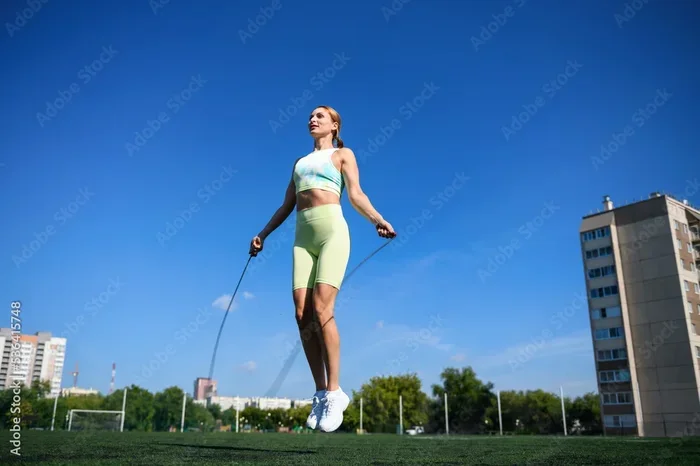
Double unders are a staple in CrossFit programming. They require the rope to pass under your feet twice for every single jump. This demands a rope that is neither too long nor too short. If the rope is too long, it will tangle and wrap around your feet. If it is too short, you will need to jump too high, which burns out your legs quickly.
The sweet spot gives you just enough clearance to spin the rope twice per jump without extra height. This is why double under rope length is slightly different from a basic jump rope. Many CrossFit athletes find that their ideal length for single unders is a few inches shorter than what they need for double unders.
How to Measure Your Jump Rope Length for CrossFit
Measuring your rope correctly is the most important step. There are a few simple methods you can use at home. No fancy tools needed. Just your body and the rope.
Method 1: The Floor-to-Armpit Test
Stand on the center of the rope with both feet. Pull the handles straight up. The ends should reach your armpits. This is the gold standard for CrossFit jump rope sizing. It works for most rope types and gives you a reliable baseline.
If the handles fall short of your armpits, the rope is too short. If they reach past your shoulders, it is too long. You want a comfortable fit right around the armpit line.
Method 2: The Chest Reference
Another popular method is to pull the handles up to your chest. The rope should reach just below your collarbone. This works well for athletes who prefer a slightly shorter rope for speed work. Many experienced CrossFitters use this method because it allows for faster rope rotation during high-intensity interval training.
Method 3: The Nose-to-Floor Method
Stand on the center of the rope. Pull the handles up to your nose. This gives you a longer rope, which some athletes prefer for endurance-focused WODs. It is not as precise as the armpit method, but it is a good starting point if you are between sizes.
No matter which method you use, always test the rope with a few practice jumps before finalizing. Your feel on the floor matters just as much as any measurement.
Best Rope Types for CrossFit Training
Not all jump ropes are created equal. The type of rope you choose affects how the length feels and performs. Here is a quick look at the most common options.
Speed Ropes
Speed ropes are thin, lightweight cables wrapped in plastic or PVC coating. They spin fast and are ideal for double unders and sprint WODs. Because the cable is thin, you need very precise length. Even a small error will cause tangles or slow rotation.
Most CrossFit athletes prefer speed ropes for competition and timed workouts. They are the go-to choice for athletes chasing fast jump rope workout duration times and clean reps.
Beaded Ropes
Beaded ropes have plastic beads strung on a cord. They are heavier and louder than speed ropes, which gives you great feedback. You can feel when the rope hits the ground. This makes them excellent for beginners learning rhythm and timing.
Beaded ropes are also more forgiving with length. A slightly off measurement is less likely to cause problems. Many box gyms keep beaded ropes on hand for members who are still dialing in their sizing.
Weighted Ropes
Weighted ropes add resistance to your workout. They build grip strength, shoulder endurance, and core stability. However, they are not ideal for speed work or double unders. The extra weight slows rotation and changes the feel of the rope entirely.
If you use a weighted rope for conditioning, add a few extra inches to your measurement. The heavier cable does not spin as fast, so you need a bit more slack to keep it moving smoothly.
How Your Height Affects Rope Length
Height is the biggest factor in determining your rope length. Taller athletes naturally need longer ropes. Shorter athletes need shorter ropes. Here is a simple reference table to get you started.
| Your Height | Approximate Rope Length |
|---|---|
| 5’2″ and under | 7 feet to 8 feet |
| 5’3″ to 5’7″ | 8 feet to 9 feet |
| 5’8″ to 6’0″ | 9 feet to 10 feet |
| 6’1″ to 6’4″ | 10 feet to 11 feet |
| 6’5″ and over | 11 feet or longer |
These numbers are starting points, not exact rules. Rope thickness, handle length, and personal preference all shift the ideal length. Use the measurement methods above to fine-tune your fit.
For athletes who are between sizes, we recommend going slightly shorter rather than longer. A shorter rope is easier to adjust by tying knots or trimming. A longer rope requires cutting and re-securing the end, which is more work.
Common Mistakes When Choosing Jump Rope Length
Even experienced athletes make mistakes when sizing their ropes. Here are the most common errors and how to avoid them.
Using the Wrong Measurement Method
Some people guess based on how the rope feels in their hands. This rarely works. Always use a consistent measurement method like the floor-to-armpit test. Write down your measurements so you can replicate them when buying a new rope.
Ignoring Rope Type
A rope length that works perfectly for a beaded rope may not work for a speed rope. The thickness and weight of the cable changes how the rope behaves. Always measure based on the specific rope you plan to use.
Forgetting to Account for Handle Length
Some handles are long and bulky. Others are short and sleek. The handle adds length to the overall rope. If you are between sizes, choose the shorter option and adjust by adding a small knot at the end if needed.
Not Testing Before Committing
The biggest mistake of all is buying a rope without testing it. Do at least 20 to 30 jumps before you decide. Check for ground clearance, heel strikes, and how the rope feels during double under attempts. If something feels off, adjust the length before your next workout.
How to Adjust Your Rope Length
Most CrossFit ropes come with adjustable length options. You can tie knots, use a locking mechanism, or trim the cable. Here is how each method works.
Knot method: Tie a simple knot near the handle end to shorten the rope. This works best for beaded and basic ropes. Do not tie more than one knot at a time. Test the rope after each adjustment.
Locking mechanism: Many modern CrossFit ropes have a clip or screw system that lets you slide the rope to the right length and lock it in place. This is the fastest and cleanest method.
Trimming: If you are certain about your length, you can cut the cable. Make sure to melt the cut end with a lighter to prevent fraying. Always leave a little extra length before cutting. You can always trim more, but you cannot add length back.
Expert Tips for CrossFit Rope Sizing
Here are a few pro tips that will help you get the most out of your jump rope for CrossFit training.
- Size for your primary workout: If you mostly do double unders, size your rope slightly shorter than you would for single unders. The shorter length lets the rope spin faster and reduces tangling.
- Keep your rope clean: Dirt and sweat build up on the cable over time. Wipe it down after each session to maintain smooth rotation.
- Replace worn ropes: Frayed cables or damaged handles throw off your timing. Inspect your rope regularly and replace it when you see wear.
- Practice with the same rope you compete on: Do not switch ropes right before a competition. Train with your competition rope so your muscle memory stays sharp.
- Ask for help at your box: Many CrossFit boxes have experienced athletes who can help you size your rope. Do not be afraid to ask for a second opinion.
Getting your jump rope length CrossFit dialed in takes a little trial and error. But once you find your sweet spot, you will notice an immediate difference in your workouts. Your reps will be cleaner, your pace will be faster, and your confidence will grow.
Final Thoughts on Finding Your Perfect Jump Rope Length
The right rope length is one of the simplest yet most impactful adjustments you can make for your CrossFit training. It affects every rep, every WOD, and every double under set. Take the time to measure correctly, test thoroughly, and adjust as needed.
Remember that the perfect length is not a one-size-fits-all number. It depends on your height, your rope type, your skill level, and your workout goals. Use the methods in this guide, trust your feel on the floor, and do not be afraid to fine-tune your setup.
Now that you know how to size your rope, head to the gym and put it to the test. Your next WOD will feel different. Smoother. Faster. And that is exactly what you want from your training equipment.
Frequently Asked Questions
What is the ideal jump rope length for CrossFit double unders?
For double unders, aim for a rope that reaches your armpits when you stand on the center and pull the handles up. The rope should be slightly shorter than what you use for single unders. This gives you the right speed and clearance for smooth double under reps without tangling or tripping.
Can I use the same rope length for speed ropes and beaded ropes?
Not exactly. Speed ropes are thinner and lighter, so they need more precise length. Beaded ropes are heavier and more forgiving. You may need to adjust by an inch or two depending on the rope type. Always test each rope individually to confirm the fit.
How often should I recheck my jump rope length for CrossFit?
Check your rope length every few months or whenever you switch to a new rope. Handles can stretch, cables can fray, and your fitness level or height may change over time. A quick check before each training cycle keeps your setup dialed in.
Does rope length affect how long I should jump rope for a workout?
Yes, it does. A properly sized rope lets you jump longer without fatigue from tripping or correcting your rhythm. If your rope is too long or too short, you will burn out faster and spend more energy on form corrections instead of actual conditioning work.
What should I do if my rope is slightly too long?
Tie a small knot near the handle to shorten it by a few inches. Test the rope after each adjustment. If the knot does not make enough difference, you can trim the cable. Always leave extra length before cutting so you can fine-tune the fit.
How does body height impact the right rope length for CrossFit training?
Taller athletes need longer ropes because the rope must travel a greater distance to clear the ground. Shorter athletes need shorter ropes to maintain proper rotation speed. Use the height-to-length table in this guide as a starting point, then adjust based on your personal feel and test jumps.
=== CONCLUSION ===
Finding the right jump rope length for CrossFit does not have to be complicated. Use the floor-to-armpit method as your baseline. Adjust based on your rope type and workout goals. Test thoroughly before every session. The right rope length will improve your double unders, boost your speed, and protect you from injury.
Take a few minutes today to measure your rope properly. Your future self will thank you during every rep and every WOD. Train smart, jump clean, and keep pushing forward.