Is the Rowing Machine a Full Body Workout
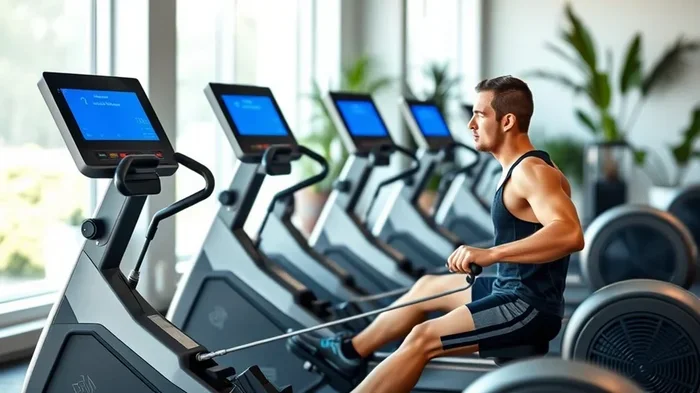
Yes, the rowing machine is a full body workout that engages over 80% of your muscles. It combines cardiovascular conditioning with strength training, making it one of the most efficient fitness tools available. This guide covers everything you need to know about rowing machine full body workout benefits, proper technique, and how to maximize your sessions.
The rowing machine has become one of the most popular pieces of fitness equipment in gyms and home setups alike. People are always looking for exercises that work multiple muscle groups at once. And the rowing machine delivers exactly that. It is not just a cardio tool. It is a full body workout machine that challenges your strength, endurance, and coordination all at the same time.
If you have ever wondered whether hopping on a rower is worth your time, the answer is a clear yes. Whether you are a beginner or a seasoned athlete, the rowing machine offers something for everyone. It burns calories, builds muscle, and improves heart health without pounding your joints. In this article, we will explore everything you need to know about using a rowing machine as a complete full body exercise.
We will break down which muscles it targets, how many calories you can expect to burn, and the proper way to use it. You will also learn common mistakes to avoid and tips to get the most out of every session. By the end, you will understand why the rowing machine is one of the best investments you can make for your fitness journey.
Key Takeaways
- Full Body Engagement: The rowing machine works your legs, core, back, arms, and shoulders in every stroke.
- Low Impact: It is gentle on your joints while still delivering a high intensity workout.
- Calorie Burn: A single session can burn 400 to 800 calories depending on intensity and duration.
- Proper Form Matters: Using the correct technique prevents injury and maximizes muscle activation.
- Adjustable Resistance: You can customize the workout to match your fitness level and goals.
- Cardio and Strength Combined: Rowing delivers both aerobic and anaerobic benefits in one exercise.
📑 Table of Contents
- What Muscles Does the Rowing Machine Work?
- Is Rowing a Good Cardio and Strength Workout?
- How Many Calories Can You Burn Rowing?
- Proper Form for a Rowing Machine Full Body Workout
- How to Structure a Rowing Machine Full Body Workout
- Rowing Machine vs Other Cardio Equipment
- Benefits of Adding a Rowing Machine to Your Routine
- Final Thoughts
What Muscles Does the Rowing Machine Work?
The rowing machine is famous for its ability to engage nearly every major muscle group. This is what makes it stand out from many other pieces of gym equipment. When you row correctly, your body works as a coordinated unit. Each stroke activates muscles from your legs all the way up to your arms.
The Drive Phase
The drive phase is the part of the rowing stroke where you push off the footplate and pull the handle toward your chest. This is where the real muscle activation happens. Your legs generate the initial power. Your glutes and hamstrings fire up as you extend your hips. Then your core stabilizes your torso. Finally, your back, shoulders, and arms complete the pull.
The Recovery Phase
The recovery phase is the return part of the stroke. While it feels easier, it still engages your muscles. Your arms extend first, then your lean forward slightly, and finally your knees bend as you slide forward. This controlled movement keeps your muscles under tension throughout the entire stroke cycle. That is why the rowing machine full body workout is so effective.
Muscle Groups Targeted
Here is a breakdown of the major muscles worked during each rowing stroke:
- Legs: Quadriceps, hamstrings, calves, and glutes
- Core: Abdominals, obliques, and lower back
- Back: Latissimus dorsi, rhomboids, and trapezius
- Arms: Biceps, forearms, and shoulders
- Chest: Pectorals during the pulling motion
Few exercises can claim to hit this many muscles at once. That is the power of the rowing machine. It gives you a total body conditioning session every time you sit down to row.
Is Rowing a Good Cardio and Strength Workout?
One of the biggest advantages of the rowing machine is that it combines cardio and strength training. Most people think of treadmills and bikes when they hear the word cardio. And they think of weights when they think of strength training. The rowing machine breaks that separation down. It gives you both in a single workout.
Cardiovascular Benefits
Rowing raises your heart rate quickly. This improves your cardiovascular fitness over time. Your lungs become more efficient. Your heart gets stronger. And your body becomes better at delivering oxygen to your muscles. These are all essential markers of good health. A consistent rowing routine can lower your blood pressure and reduce your risk of heart disease.
Compared to running on a treadmill, rowing is much easier on your joints. This makes it ideal for people who want cardiovascular fitness without the impact stress. You can row for longer periods and still maintain a high intensity. That is a huge advantage for building endurance.
Strength Building Benefits
Rowing also builds functional strength. The resistance from the flywheel challenges your muscles with every stroke. Over time, your muscles adapt and grow stronger. The rowing machine full body workout builds lean muscle throughout your entire body. This is different from isolation exercises that only target one muscle at a time.
As you build strength, you will notice improvements in your posture and daily movements. Your core becomes more stable. Your back feels stronger. Even carrying groceries or climbing stairs feels easier. That is the beauty of functional full body training.
Cardio vs Strength Comparison
| Feature | Rowing Machine | Treadmill | Dumbbells |
|---|---|---|---|
| Cardio Benefit | High | High | Low |
| Strength Benefit | Moderate to High | Low | High |
| Joint Impact | Low | High | Low to Moderate |
| Muscles Worked | 80%+ of body | Primarily legs | Targeted muscles |
| Calorie Burn | 400 to 800 per hour | 400 to 700 per hour | 200 to 400 per hour |
As you can see, the rowing machine holds its own against both treadmills and dumbbells. It offers a unique blend of benefits that few other exercises can match. If you want the most bang for your buck from your workout time, rowing is hard to beat.
How Many Calories Can You Burn Rowing?
Calorie burn is one of the top reasons people choose the rowing machine. And the numbers are impressive. A rowing machine full body workout can torch a significant number of calories in a short amount of time.
The exact number depends on several factors. Your body weight plays a big role. A heavier person will burn more calories than a lighter person doing the same workout. Intensity level matters too. A high intensity interval session burns far more than a steady moderate pace. And of course, the duration of your workout affects the total calorie count.
As a general guide, a 155 pound person can expect to burn around 420 calories in 30 minutes of moderate rowing. Bump that up to vigorous intensity, and the number climbs to roughly 520 calories in the same time frame. Compare that to a 30 minute jog on a treadmill, which burns around 300 calories for the same person. Rowing clearly has the edge.
The reason rowing burns so many calories is simple. It uses so many muscles at once. More muscles working means more energy required. And more energy required means more calories burned. This makes the rowing machine one of the most efficient tools for weight loss and body composition improvement.
Proper Form for a Rowing Machine Full Body Workout
Using the correct form on a rowing machine is essential. Good form protects your joints and ensures your muscles are working properly. Bad form can lead to injuries and wasted effort. Learning the basics takes just a few minutes, but it makes a world of difference.
The Four Steps of a Rowing Stroke
Every rowing stroke has four distinct phases. Here they are in order:
- The Catch: Start with your knees bent and your arms extended. Lean forward slightly. This is the starting position.
- The Drive: Push off with your legs first. Then open your hips. Finally, pull the handle to your lower chest. This is where the power comes from.
- The Recovery: Extend your arms forward. Lean your torso slightly back. Then bend your knees and slide forward to return to the catch position.
- The Finish: At the end of the drive, your legs are extended, your torso is slightly leaned back, and the handle is at your chest.
Remember the sequence: legs, core, arms on the drive. Arms, core, legs on the recovery. This order protects your back and maximizes power output. If you rush through the recovery, you lose efficiency and increase your risk of injury.
Common Mistakes to Avoid
Even experienced rowers make mistakes sometimes. Here are the most common ones to watch out for:
- Overusing your arms: Your legs should do about 60% of the work. Your arms only finish the stroke.
- Rounding your back: Keep your back straight throughout the stroke. A rounded back leads to strain and injury.
- Sliding too fast: The recovery should be slower than the drive. Rushing reduces power and control.
- Shallow strokes: Going too short means you are not using your full range of motion. Go deep for maximum benefit.
For more detailed guidance on technique, check out our guide on proper form for a rowing machine. Getting your form right from the start will pay off for years to come.
How to Structure a Rowing Machine Full Body Workout
Now that you know the benefits and proper form, let us talk about how to actually structure your workouts. A well planned routine keeps you motivated and helps you reach your goals faster.
Beginner Rowing Workout
If you are new to rowing, start with these basics:
- Warm up for 5 minutes at a light pace
- Row at a moderate intensity for 10 minutes
- Rest for 2 minutes
- Row at moderate intensity for another 10 minutes
- Cool down for 5 minutes
This gives you a 25 minute session that is manageable and effective. Aim to do this three times per week. As your fitness improves, you can increase the duration and intensity.
Intermediate Rowing Workout
Once you feel comfortable, try adding intervals:
- Warm up for 5 minutes
- Row hard for 1 minute, then easy for 1 minute. Repeat 8 times.
- Row at a steady pace for 5 minutes
- Cool down for 5 minutes
This interval training approach boosts your calorie burn and builds endurance faster than steady state rowing alone.
Advanced Rowing Workout
For experienced rowers looking for a challenge:
- Warm up for 5 minutes
- Row all out for 500 meters. Rest for 1 minute. Repeat 6 times.
- Row at a moderate pace for 10 minutes
- Cool down for 5 minutes
This workout pushes your cardiovascular system and muscular endurance to the limit. It is one of the most effective ways to get a full body workout in under 30 minutes.
Rowing Machine vs Other Cardio Equipment
People often ask how the rowing machine compares to other popular cardio equipment. Each machine has its strengths. But the rowing machine offers a unique advantage that others simply do not.
Compared to a treadmill, the rower works your upper body and core in addition to your legs. Treadmills primarily target your lower body. They also put more stress on your knees and ankles. The rower, on the other hand, is low impact and joint friendly.
Compared to an elliptical, the rower provides more resistance and muscle engagement. An elliptical is great for cardio, but it does not challenge your muscles as much. The rower gives you both the cardio and the strength component in one movement.
If you want to learn more about how rowing stacks up against other machines, read our article on treadmill vs rowing machine what is a better workout. It provides a detailed side by side comparison to help you choose the right equipment for your goals.
Benefits of Adding a Rowing Machine to Your Routine
Adding a rowing machine to your fitness routine comes with a long list of benefits. These go beyond just burning calories. Here are some of the top reasons people fall in love with rowing:
- Efficient workouts: You can get a complete session in 20 to 30 minutes.
- Joint friendly: The smooth gliding motion is easy on your knees and hips.
- Adjustable intensity: You can go from a gentle recovery row to an all out sprint.
- Improves posture: Strengthening your back muscles helps you stand taller.
- Reduces stress: The rhythmic motion of rowing is meditative and calming.
- Home friendly: Many rowing machines fold up and store easily.
These benefits make the rowing machine a versatile tool for almost anyone. Whether you want to lose weight, build muscle, or simply stay active, the rower can help you get there.
Final Thoughts
The rowing machine is absolutely a full body workout. It engages more muscles than most exercises, burns a high number of calories, and does it all with minimal impact on your joints. Whether you are a complete beginner or a fitness enthusiast, the rower has a place in your routine.
The key is to use proper form, vary your intensity, and stay consistent. A rowing machine full body workout can transform your fitness when you commit to it. Start with short sessions, focus on your technique, and gradually increase your effort over time. Your body will thank you for it.
Remember, the best workout is the one you enjoy and can stick with long term. The rowing machine makes that easy. It is fun, effective, and efficient. So grab those handles, push off the footplate, and start rowing your way to a stronger, healthier you.
Frequently Asked Questions
Is the rowing machine a good full body workout for beginners?
Yes, the rowing machine is excellent for beginners. It is low impact, easy to learn, and works your entire body. Start with short sessions at a comfortable pace and gradually increase your intensity as you build confidence and fitness.
How long should a rowing machine full body workout be?
A good rowing session can be as short as 20 minutes or as long as 45 minutes. Beginners should start with 20 to 25 minutes and work their way up. The key is consistency rather than duration.
Can rowing help with weight loss?
Absolutely. Rowing burns a significant number of calories while preserving lean muscle mass. Combined with a balanced diet, regular rowing sessions can help you lose weight and improve your overall body composition.
Is rowing better than running for a full body workout?
Rowing engages more muscle groups than running and is much easier on your joints. While running is great for leg strength and cardio, the rower provides a complete upper and lower body workout with less impact stress.
How often should I use the rowing machine?
For best results, aim to row 3 to 5 times per week. Mix up your sessions with steady state rows and interval training to keep your body challenged and avoid plateaus.
Does the rowing machine target abs?
Yes, your core muscles are actively engaged throughout every rowing stroke. Your abdominals and obliques stabilize your torso during the drive and recovery phases, making rowing a great exercise for building a stronger core.