What Body Part Does the Rowing Machine Workout
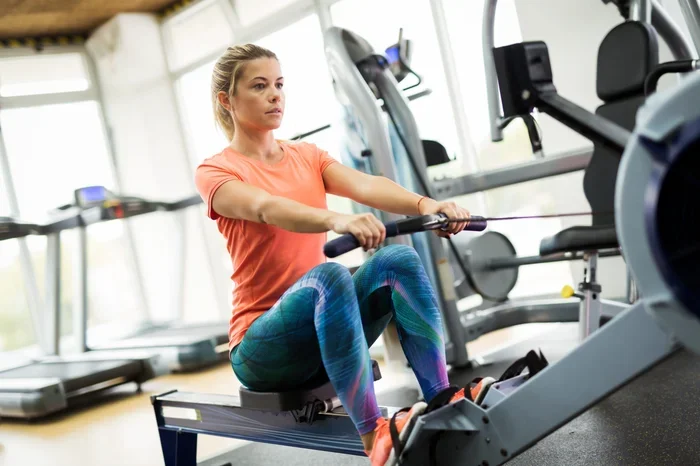
The rowing machine is a powerful full body workout tool that targets your legs, back, arms, and core. It engages over 80% of your muscles with every stroke, making it one of the most efficient gym machines available. Whether you are a beginner or a seasoned athlete, understanding which muscles the rowing machine works helps you train smarter and see faster results.
Have you ever wondered what body part does the rowing machine workout? The answer might surprise you. Unlike machines that isolate a single muscle group, the rowing machine hits almost everything. It is one of the most efficient pieces of gym workout equipment you can find.
Whether you are looking to build muscle, burn fat, or improve your heart health, the rowing machine delivers. It works your legs, back, arms, and core all at once. This makes it a top choice for people who want a full body workout in less time.
In this guide, we break down exactly which muscles the rowing machine targets. You will learn how each part of the stroke works different muscle groups. By the end, you will know exactly how to get the most out of every session.
Key Takeaways
- Legs and glutes are the primary drivers: The rowing stroke starts with your lower body, making it a powerful lower body workout.
- Your back and shoulders get heavily involved: Every pull engages the lats, traps, and rear delts for a complete upper body workout.
- The core stabilizes every stroke: Your abs and obliques work hard to keep your form tight throughout the movement.
- It is a true full body exercise: The rowing machine combines cardio and strength training in one smooth motion.
- Proper form is essential: Using the right technique prevents injury and maximizes muscle engagement.
- It burns serious calories: Rowing torches fat while building lean muscle at the same time.
📑 Table of Contents
- What Body Part Does the Rowing Machine Workout?
- Lower Body Muscles Worked by the Rowing Machine
- Upper Body Muscles Targeted by Rowing
- The Core: The Unsung Hero of Rowing
- Cardiovascular Benefits: More Than Just Muscle
- Common Mistakes and How to Avoid Them
- How Rowing Compares to Other Gym Machines
- Tips to Maximize Your Rowing Machine Workout
- Who Should Use the Rowing Machine?
- Final Thoughts
What Body Part Does the Rowing Machine Workout?
The rowing machine is famous for being one of the best full body workout machines. It does not just target one area. Instead, it works multiple muscle groups in a single smooth motion. This is why so many people call it a complete exercise.
Every stroke on the rower follows a sequence. Each phase of that sequence activates different muscles. The drive phase powers the movement, and the recovery phase prepares you for the next one. Let us break this down so you can see exactly what is happening in your body.
The Drive Phase: Where the Power Comes From
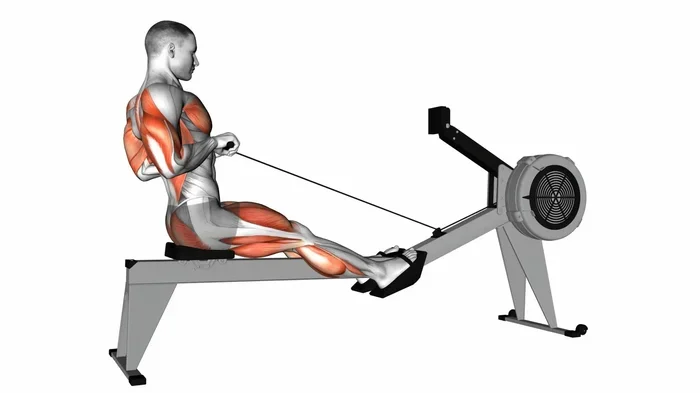
The drive phase is when you push back on the machine. This is where the real work happens. Your legs generate the most force during this phase. The quads, hamstrings, and glutes all fire up hard.
As you extend your legs, your core kicks in to stabilize your torso. Then your back and arms pull the handle toward your lower chest. This means the drive phase works your lower body first, then your upper body. It is a chain reaction of muscle engagement that few other machines can match.
The Recovery Phase: More Than Just Rest
The recovery phase is when you slide forward and prepare for the next stroke. Many people think this is just a rest period. But that is not true. Your core still works to control the movement. Your hip flexors and calves stay engaged as you slide back in.
This phase also sets up the next drive. Good recovery leads to a stronger drive. So even though it feels easier, your muscles are still working hard. This continuous engagement is what makes indoor rowing so effective for building endurance and strength.
Lower Body Muscles Worked by the Rowing Machine
The rowing machine is a fantastic lower body workout tool. Your legs do about 60% of the work during each stroke. That is a huge amount of muscle activation from just one machine.
Here are the main lower body muscles that get worked:
- Quadriceps: These are the muscles on the front of your thighs. They power the push during the drive phase.
- Hamstrings: Located on the back of your thighs, they help extend your hips and control the recovery.
- Glutes: Your glutes are the powerhouse of the rowing stroke. They generate force as you push off the footplate.
- Calves: These muscles stabilize your ankles and assist with the push throughout each stroke.
- Hip flexors: They engage during the recovery phase as you slide forward and prepare for the next pull.
If you want to build stronger legs, the rowing machine is a great option. It works your muscles through a full range of motion. This helps improve both strength and flexibility in your lower body.
Quick Tip: Focus on pushing through your heels, not your toes. This engages the glutes and quads more effectively and reduces strain on your knees.
Upper Body Muscles Targeted by Rowing
While the legs do the heavy lifting, the upper body plays a crucial role too. The rowing machine delivers an excellent upper body workout that targets your back, shoulders, and arms.
Here are the upper body muscles that get activated:
- Latissimus dorsi: These are the large muscles of your back. They are the primary movers during the pull phase.
- Trapezius and rhomboids: These muscles between your shoulder blades stabilize your shoulder girdle and keep your posture upright.
- Rear deltoids: The back of your shoulders work hard to pull the handle toward your torso.
- Biceps: They flex the elbow during the pulling phase of each stroke.
- Forearms and grip: Your grip strength is constantly tested as you hold the handle throughout the workout.
- Chest muscles: The pecs assist during the drive, especially as you finish the pull with a slight lean forward.
What makes the rowing machine unique is that it pulls muscles from the back rather than pushing. Most gym machines focus on pushing movements. Rowing balances this by emphasizing the pull. This helps correct muscle imbalances and builds a stronger, more functional upper body.
The Core: The Unsung Hero of Rowing
Your core muscles are the bridge between your upper and lower body during rowing. Without a strong core, your power leaks out. Your form breaks down. And your risk of injury goes up.
The rowing machine works your core in every single stroke. Here is how:
- Rectus abdominis: Your front abs stabilize your torso as you lean slightly forward and back.
- Obliques: These side muscles help control rotation and keep your movements smooth.
- Erector spinae: The muscles along your spine keep your back straight and protected throughout the stroke.
- Deep stabilizers: Muscles like the transverse abdominis work constantly to keep your midsection tight and supported.
Because the core is engaged during both the drive and recovery phases, rowing is one of the best ways to build functional core strength. Unlike crunches or sit-ups that isolate one muscle, the rower trains your core to work as part of a full movement pattern.
If you want to learn more about how rowing shapes your body, check out our guide on what part of the body does rowing machine tone for a deeper look at muscle toning benefits.
Cardiovascular Benefits: More Than Just Muscle
Rowing is not just about building muscle. It is also a powerful cardio workout that strengthens your heart and lungs. When you row at a steady pace, your heart rate rises and your body learns to use oxygen more efficiently.
Here are the key cardiovascular benefits of regular rowing:
- Improved heart health: Rowing strengthens the heart muscle and helps lower blood pressure over time.
- Increased lung capacity: The rhythmic breathing pattern during rowing trains your lungs to take in more oxygen.
- Better endurance: Consistent rowing sessions build stamina that carries over into other workouts and daily life.
- Calorie burning: Rowing burns a high number of calories in a short amount of time, making it ideal for fat loss.
One of the best things about the rowing machine is that you can adjust the intensity. Want a light recovery session? Dial down the resistance. Want to push your cardiovascular limits? Crank it up. This flexibility makes it suitable for all fitness levels.
The combination of cardio and muscle work is what sets the rowing machine apart. Most cardio machines like treadmills or bikes do not build much muscle. And most strength machines do not give you a good cardio session. The rower does both at the same time.
Common Mistakes and How to Avoid Them
Even though the rowing machine is user-friendly, bad habits can sneak in. These mistakes reduce your results and increase your risk of injury. Here are the most common errors and how to fix them.
Mistake 1: Using Only Your Arms
Many beginners pull with their arms and forget their legs. This is the biggest mistake people make. Your legs should do about 60% of the work. Your arms are just the final connector in the chain.
To fix this, think about pushing through your legs first. Then let the pull come from your back and arms. The sequence should always be: legs, core, arms on the drive. And arms, core, legs on the recovery.
Mistake 2: Rounding Your Back
A rounded back puts unnecessary stress on your spine. Keep your chest lifted and your shoulders relaxed. Your back should stay in a neutral position throughout the entire stroke.
If you find yourself slouching, slow down. Focus on your posture before you increase speed or resistance. Good form always comes before intensity.
Mistake 3: Overloading the Front of the Stroke
Some people rush the slide and crash into the front of the machine. This jars your knees and wastes energy. Instead, control the recovery. Take your time sliding forward and set up properly for the next drive.
Remember, the recovery is where you prepare for the next powerful stroke. A smooth recovery leads to a stronger drive.
For more details on how rowing affects your body overall, read our article on what does the rowing machine do to your body to understand the full impact of this incredible machine.
How Rowing Compares to Other Gym Machines
Wondering how the rowing machine stacks up against other popular gym equipment? Here is a quick comparison to help you understand why it stands out.
| Machine | Muscles Worked | Cardio Benefit | Impact Level |
|---|---|---|---|
| Rowing Machine | Full body (80%+ muscles) | Excellent | Low |
| Treadmill | Legs, core | Excellent | High |
| Stationary Bike | Legs, glutes | Good | Low |
| Elliptical | Legs, arms | Good | Low |
| Weight Bench | Upper body only | Minimal | None |
As you can see, the rowing machine offers the most complete workout in a single session. It hits both the upper and lower body while providing excellent cardio. And it does all this with low impact on your joints. That is a rare combination.
If you are interested in learning more about how rowing compares to other full body exercises, check out does a rowing machine give a full body workout for an in-depth comparison.
Tips to Maximize Your Rowing Machine Workout
Now that you know what the rowing machine works, here are some tips to get the most out of every session:
- Start with a warm-up: Spend 3 to 5 minutes rowing at a slow pace to get your blood flowing and muscles ready.
- Focus on form over speed: Proper technique always beats going fast with bad form. Quality reps lead to better results.
- Mix up your intensity: Try interval training on the rower. Alternate between high-intensity bursts and steady-state rows. This boosts both strength and cardio.
- Set goals: Track your distance, time, or stroke rate. Having a target keeps you motivated and helps you measure progress.
- Cool down properly: End every session with 3 to 5 minutes of light rowing and gentle stretching.
- Stay consistent: Aim for 3 to 5 rowing sessions per week. Consistency is what drives real results over time.
For more tips on getting the most from your rowing routine, visit our guide on what are the benefits of a rowing machine workout to explore all the advantages this versatile machine offers.
Who Should Use the Rowing Machine?
One of the best things about the rowing machine is that almost anyone can use it. It works for beginners, athletes, older adults, and everyone in between. The resistance is adjustable, so you can make it as easy or as challenging as you need.
Here are some groups who benefit greatly from rowing:
- Beginners: The rowing machine is easy to learn and forgiving on your joints. You can start slow and build up over time.
- Runners and cyclists: Rowing adds cross-training benefits that improve your performance in other sports.
- People recovering from injuries: The low-impact nature of rowing makes it safe for many rehabilitation programs.
- Athletes: Rowing builds functional strength and cardiovascular endurance that translates to almost any sport.
- Busy professionals: A 20-minute rowing session can deliver a complete workout in less time than most routines.
For those curious about what specific body parts rowing targets most, our article on what body parts does a rowing machine work out provides an even deeper breakdown of muscle engagement.
Final Thoughts
The answer to what body part does the rowing machine workout is simple: almost everything. From your legs and glutes to your back, arms, and core, the rowing machine delivers a complete full body workout like few other machines can. It builds muscle, burns calories, and strengthens your heart all at the same time.
What makes the rowing machine so special is its efficiency. In one session, you get strength training and cardio in a single, fluid motion. It is low impact, adjustable, and suitable for all fitness levels. Whether you are just starting out or you are a seasoned athlete, the rower has something to offer you.
So the next time you are at the gym or considering a home gym workout setup, give the rowing machine a try. Focus on your form, stay consistent, and watch your body transform. The rowing machine is one of the smartest investments you can make for your fitness journey.
Remember, the best workout is the one you will actually do. And with the rowing machine, it is hard not to enjoy the process. So get on that rower, find your rhythm, and feel the difference a full body workout can make.
Frequently Asked Questions
What body part does the rowing machine workout target the most?
The rowing machine targets your legs the most, as they generate about 60% of the power in each stroke. Your back, arms, and core also get heavily involved. This makes it one of the most balanced full body workout machines available.
Is rowing a good workout for beginners?
Absolutely. The rowing machine is beginner-friendly because you can easily adjust the resistance and pace. It is low impact, which means it is gentle on your joints. Start with short sessions and focus on learning proper form before increasing intensity.
How long should you row for a good workout?
A solid rowing workout can be as short as 15 to 20 minutes. For beginners, start with 10 to 15 minutes and gradually increase. The key is consistency. Even a short daily session on the rowing machine can deliver real results over time.
Can rowing help with weight loss?
Yes, rowing is excellent for weight loss. It burns a high number of calories while building lean muscle. The combination of cardio and strength training helps boost your metabolism. This means you continue burning calories even after your workout is over.
Does the rowing machine work your abs?
Yes, your core muscles are engaged with every stroke on the rowing machine. Your abs, obliques, and lower back all work to stabilize your torso. This makes rowing a great way to build functional core strength without doing traditional ab exercises.
How often should you use the rowing machine?
For best results, aim for 3 to 5 sessions per week. You can mix rowing with other forms of exercise for a balanced routine. Listen to your body and allow rest days for recovery. This approach helps you build strength and endurance safely over time.