Can I Use Yoga Mat for Jump Rope
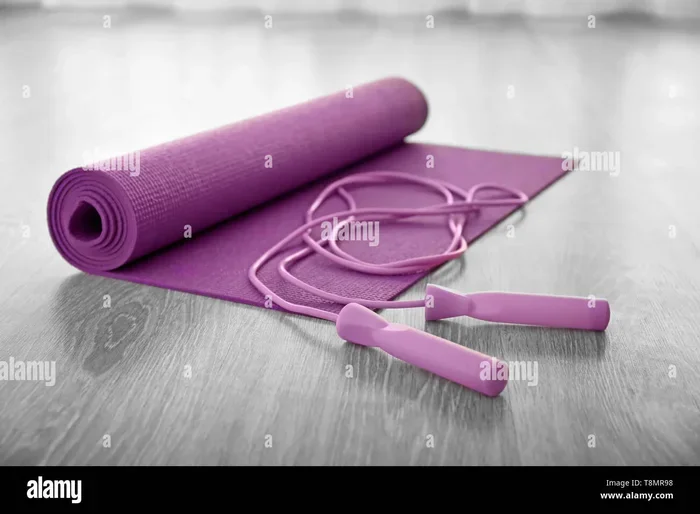
Yes, you can use a yoga mat for jump rope, but it depends on the mat type and your workout intensity. A thick, non-slip yoga mat can protect your floors and joints during low-impact jump rope sessions. However, standard yoga mats may not offer enough durability or cushioning for heavy rope jumping, so choosing the right mat matters a lot.
Jump rope is one of the simplest and most effective cardio exercises you can do at home. But here is the question that keeps popping up: can I use yoga mat for jump rope? Whether you are working out in a small apartment or trying to protect your floors, a yoga mat seems like a logical choice.
The short answer is yes, but with some important caveats. Not every yoga mat handles the repetitive impact of a jumping rope well. The wrong mat can slip out from under you, tear easily, or fail to cushion your joints properly. In this guide, we will walk you through everything you need to know about using a yoga mat for jump rope. We will cover which mat types work best, the pros and cons, and practical tips to get the most out of your workout.
Whether you are a beginner just starting your jump rope workout routine or a fitness enthusiast looking for a floor solution, this article has you covered. Let us dive in and find out if your yoga mat is up to the task.
Key Takeaways
- Yoga mats work for light jump rope: A thick TPE or rubber mat can handle casual jump rope sessions at home.
- Not all mats are created equal: Thin yoga mats may tear or slip, so pick a durable, cushioned option.
- Floor protection is a big win: Using a mat prevents scratches and dents on hardwood or tile floors.
- Joint support matters: A good mat reduces impact on your knees and ankles during rope jumping.
- Heavy jump rope needs a better surface: For intense cardio workouts, consider a dedicated jump rope mat or gym floor.
- Clean your mat after use: Sweat and friction can wear down your yoga mat faster when used for jump rope.
- There are alternatives: If a yoga mat doesn’t work, explore other surfaces like interlocking foam tiles or what can I use instead of a yoga mat for better results.
📑 Table of Contents
What Happens When You Jump Rope on a Yoga Mat
Jumping rope puts repeated impact on the floor surface. Each landing sends force through your feet, ankles, knees, and hips. A yoga mat sits between your body and the hard floor, but how well it handles this depends on several factors.
Surface Support and Cushioning
A standard yoga mat typically ranges from 3mm to 8mm in thickness. For light jump rope sessions, a 6mm or thicker mat provides decent cushioning. It absorbs some of the shock and reduces the impact on your joints. However, if you are doing high-intensity intervals or heavy rope jumping, a yoga mat may compress too quickly and lose its bounce.
Think of it this way. A yoga mat is designed for static poses and gentle stretching. Jump rope is a dynamic, high-impact activity. The mat needs to spring back after each landing. If it flattens out too fast, you lose the support your joints need.
If you are serious about jump rope training and want to protect your knees, check out how can I jump rope without hurting my knees for more detailed advice on joint protection.
Grip and Stability
One of the biggest concerns when jumping rope on a yoga mat is grip. A good yoga mat has a textured, non-slip surface that keeps you stable. When you sweat, some mats become slippery, which increases the risk of tripping or twisting an ankle.
Look for mats with a rubber or TPE base that grips the floor underneath. If the mat slides around while you jump, it is a clear sign that it is not the right surface for rope work. You want a mat that stays locked in place no matter how fast you move.
Types of Yoga Mats That Work Best for Jump Rope
Not all yoga mats are the same. The material, thickness, and density all affect how well a mat handles jump rope. Here is a closer look at the most common types.
TPE Yoga Mats
TPE (Thermoplastic Elastomer) mats are lightweight, eco-friendly, and offer good cushioning. They are a popular choice for yoga and light fitness exercises. For jump rope on yoga mat sessions, TPE mats work well at low to moderate intensity.
However, TPE mats tend to be thinner than rubber mats. If you are jumping at a fast pace, a TPE mat may not provide enough shock absorption. It can also wear out faster under the repetitive friction of a rope.
Rubber Yoga Mats
Natural rubber mats are dense, durable, and offer excellent grip. They are the best option if you want to use a yoga mat for jump rope regularly. The dense rubber absorbs impact well and stays in place on the floor.
The downside is that rubber mats are heavier and can have a strong smell when new. They also cost more than TPE or PVC options. But if you plan to use your mat for both yoga and jump rope, a rubber mat is worth the investment.
PVC Yoga Mats
PVC mats are the most affordable and widely available option. They come in many thicknesses and colors. While they work fine for yoga, PVC mats are not ideal for jump rope. They can be slippery, and the material tends to crack or tear under repeated impact.
If you only have a PVC mat, use it for light, slow jump rope sessions. Avoid high-intensity workouts on PVC to prevent damage to the mat and potential injury.
| Mat Type | Cushioning | Durability | Grip | Best For |
|---|---|---|---|---|
| TPE | Medium | Moderate | Good | Light jump rope, yoga |
| Rubber | High | Excellent | Excellent | Regular jump rope, intense workouts |
| PVC | Low to Medium | Low | Fair | Light stretching, slow jump rope |
Benefits of Using a Yoga Mat for Jump Rope
Using a yoga mat for your jump rope sessions offers several real advantages. Here is why many people choose to do it.
Floor Protection: Jump rope can scratch hardwood floors, dent tile, or leave scuff marks on laminate. A yoga mat creates a protective barrier that keeps your flooring safe. This is especially important if you live in an apartment or rental space.
Joint Comfort: The cushioning from a yoga mat reduces the impact on your ankles, knees, and hips. This is especially helpful if you are new to jump rope or have joint concerns. Over time, jumping on a hard surface can lead to joint pain, and a mat helps minimize that risk.
Noise Reduction: Jump rope on a hard floor can be loud, especially in upstairs apartments. A yoga mat dampens the sound and keeps your workout neighbor-friendly.
Convenience: Most people already own a yoga mat. If you have one sitting around, it is an easy and affordable way to start jump rope without buying new equipment. You can also check out how long should I jump rope for weight loss to plan effective sessions using your mat.
Potential Drawbacks and Risks
While using a yoga mat for jump rope has its benefits, there are some real drawbacks you should know about.
Mat Damage: The repetitive friction of a jump rope can wear down the surface of a yoga mat. Over time, you may notice tears, thinning spots, or scuff marks. This is especially true for thinner mats and PVC materials.
Slipping and Tripping: If your mat does not have a good non-slip base, it can shift during your workout. A mat that slides while you are jumping creates a serious tripping hazard. Always check that your mat stays firmly in place before you start.
Limited Shock Absorption: Standard yoga mats are not built for high-impact activities. For intense cardio sessions, the cushioning may not be enough to protect your joints. If you feel pain in your knees or ankles during a workout, the mat is likely not providing sufficient support.
Sweat and Hygiene: Jump rope makes you sweat. A yoga mat absorbs sweat, and if you do not clean it after each session, bacteria and odor can build up quickly. Make sure to wipe down your mat after every use.
Tips for Jump Rope on a Yoga Mat
If you decide to use your yoga mat for jump rope, these practical tips will help you get the best results while staying safe.
- Choose a thick mat: Go for a mat that is at least 6mm thick. The extra cushioning makes a big difference in comfort and joint protection.
- Check the non-slip base: Make sure the mat grips the floor well. If it slides, try placing it on a carpet or using a mat with a textured rubber bottom.
- Start slow: Begin with low-intensity sessions to test how your mat handles the impact. Gradually increase speed and duration as you get comfortable.
- Clean your mat regularly: Wipe it down with a mild cleaner after every workout. This extends the life of the mat and keeps it hygienic.
- Rotate your mat: If you use the same spot every day, the mat will wear unevenly. Rotate it occasionally to distribute the wear.
- Inspect for damage: Check your mat regularly for tears or thinning spots. A damaged mat can cause trips or fail to cushion your joints properly.
For a well-rounded indoor cardio routine, you might also explore can I use a yoga mat for jump rope 2 for additional tips and insights on mat selection.
Can You Use a Yoga Mat for Jump Rope Long-Term?
The honest answer is that a yoga mat is not the ideal long-term surface for regular jump rope training. If you plan to jump rope every day or several times a week, a dedicated jump rope mat or a thick interlocking foam floor tile will hold up much better.
Yoga mats are designed for low-impact activities. They excel at providing a stable, comfortable surface for poses and stretches. But the repeated jumping and rope friction takes a toll over time. You may find that your mat wears out faster than expected or no longer provides the cushioning you need.
That said, if you are jumping rope a few times a week for light to moderate workouts, a good quality yoga mat can serve you well for months. Just be mindful of the wear and replace the mat when it starts to thin out or lose its shape.
For those looking for a more permanent solution, consider investing in a proper exercise mat for cardio or a rubber gym floor mat. These are built to handle the demands of high-impact workouts and will last much longer than a standard yoga mat.
Final Verdict
So, can you use a yoga mat for jump rope? Yes, you absolutely can, especially for light to moderate sessions. A thick rubber or TPE yoga mat offers decent cushioning, floor protection, and joint support. Just be aware of the limitations and take steps to care for your mat properly.
If you are serious about jump rope as a regular part of your fitness routine, consider upgrading to a mat designed specifically for high-impact exercise. Your joints, your floor, and your yoga mat will all thank you.
The key is to match your mat to your workout intensity. For casual sessions and beginners, a standard yoga mat works fine. For intense, daily training, invest in a better surface. Either way, using a mat is a smart choice that keeps you safe and protects your space.
Start with what you have, listen to your body, and adjust as needed. The best workout setup is the one that keeps you coming back consistently and feeling good.
Frequently Asked Questions
Can I use a thin yoga mat for jump rope?
A thin yoga mat (under 5mm) is not recommended for jump rope. It does not provide enough cushioning to protect your joints, and it can wear out quickly under the repetitive impact of the rope. Stick with a mat that is at least 6mm thick for better support and durability.
Will jumping rope damage my yoga mat?
It can, especially if you jump frequently or with high intensity. The friction from the rope can create scuff marks, thin spots, or even small tears in the mat. Using a thicker rubber mat and cleaning it after each session can help reduce damage and extend its life.
What is the best yoga mat for jump rope?
A thick rubber or TPE yoga mat with a non-slip base works best for jump rope. These materials offer good shock absorption, durability, and grip. Avoid thin PVC mats for regular jump rope workouts, as they lack sufficient cushioning and tend to wear out fast.
Is it better to jump rope on a yoga mat or bare floor?
A yoga mat is better for your joints and your floor. Jumping on bare hard floors increases the impact on your knees and ankles, and it can scratch or damage the flooring. A mat provides cushioning, grip, and protection for both your body and your floor surface.
Can I use a yoga mat for jump rope indoors?
Yes, a yoga mat is a great indoor surface for jump rope. It protects your floors from scratches, reduces noise, and provides a stable, cushioned base. Just make sure the mat has a good non-slip base and is thick enough to handle the impact of your jumps.
How do I clean my yoga mat after jump rope sessions?
Wipe down your mat with a mild cleaner or a mix of water and vinegar after each session. Sweat and friction from jump rope can break down the mat material faster, so regular cleaning helps maintain hygiene and extends the mat’s lifespan. Let it air dry completely before rolling it up.