Which Is Better a Rowing Machine or Treadmill
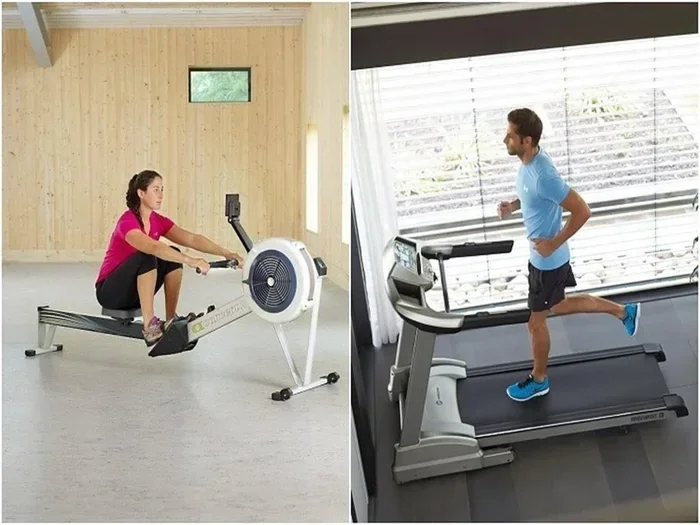
Choosing between a rowing machine or treadmill depends on your fitness goals, joint health, and workout preferences. A rowing machine delivers a full-body, low-impact workout that burns serious calories, while a treadmill excels at high-intensity cardio and running-specific training. This guide breaks down every key factor so you can pick the best machine for your home gym.
Key Takeaways
- Full-Body vs Lower-Body Focus: A rowing machine engages 86% of your muscles, while a treadmill primarily targets your legs and core.
- Low-Impact Advantage: Rowing is gentler on your joints, making it ideal if you have knee or back concerns.
- Calorie Burn Comparable: Both machines torch calories effectively, but intensity and duration matter more than the machine type.
- Space and Budget Matter: Treadmills tend to be bulkier and pricier, while rowing machines are more compact and affordable.
- Your Fitness Goals Decide: Weight loss, endurance, and muscle building all factor into which machine wins for you.
- Mix and Match: Many fitness enthusiasts use both machines in their weekly routine for balanced results.
📑 Table of Contents
- Rowing Machine vs Treadmill: Which One Fits Your Workout?
- What Does a Rowing Machine Do for Your Body?
- What Does a Treadmill Do for Your Body?
- Calorie Burn Comparison: Rowing Machine vs Treadmill
- Joint Health and Impact: Which Is Safer for Your Body?
- Muscle Building and Strength Benefits
- Which Machine Is Better for Weight Loss?
- Space, Budget, and Home Gym Considerations
- Expert Insights: What Fitness Professionals Say
- Final Verdict: Rowing Machine or Treadmill?
Rowing Machine vs Treadmill: Which One Fits Your Workout?
Deciding between a rowing machine or treadmill can feel overwhelming. Both machines are popular, effective, and widely available. But they work your body in very different ways. The right choice depends on what you want to achieve, how your body responds to exercise, and the space you have at home.
A rowing machine gives you a full-body workout that strengthens your arms, legs, back, and core all at once. A treadmill lets you run, walk, or sprint indoors, making it perfect for cardio lovers and runners. In this article, we compare every major factor so you can make a confident choice. We also share practical tips, honest pros and cons, and expert insights to guide you.
By the end, you will know exactly which machine aligns with your fitness goals and lifestyle. No guesswork. No confusion. Just clear, actionable advice backed by real-world experience and research.
Why This Comparison Matters
More people are building home gyms than ever before. With limited space and budgets, picking the right machine is critical. You do not want to buy something that collects dust. You want equipment that delivers results and keeps you motivated. Understanding the rowing machine vs treadmill debate helps you invest wisely.
What Does a Rowing Machine Do for Your Body?
A rowing machine simulates the motion of rowing a boat. It is a low-impact, full-body exercise that targets multiple muscle groups simultaneously. This makes it one of the most efficient pieces of cardio exercise equipment available.
When you row, you push with your legs, pull with your arms, and engage your core throughout the entire movement. Studies suggest that rowing activates about 86% of your muscles. That is impressive for a single piece of equipment.
Benefits of a Rowing Machine
- Full-body engagement: Works your quads, hamstrings, glutes, back, shoulders, arms, and core in one smooth motion.
- Low impact on joints: The seated, gliding motion puts minimal stress on your knees and ankles. This makes it a great option for people who want a joint-friendly exercise.
- Excellent calorie burn: A moderate rowing session can burn 400 to 600 calories per hour, depending on your weight and intensity.
- Improved cardiovascular health: Rowing strengthens your heart and lungs, boosting your overall endurance.
- Better posture and back strength: The pulling motion engages your upper back and helps counteract desk-job posture problems.
- Compact design: Many rowing machines fold up for easy storage, making them ideal for small spaces.
Drawbacks of a Rowing Machine
- Learning the proper technique takes time. Poor form can strain your lower back.
- It does not replicate running or walking, so it may not help marathon trainers specifically.
- Some beginners find the motion awkward or uncomfortable at first.
- Resistance can feel limited on cheaper models.
What Does a Treadmill Do for Your Body?
A treadmill is the go-to choice for runners and walkers worldwide. It lets you run or walk indoors regardless of weather, terrain, or time of day. Treadmills offer adjustable speed, incline, and pre-programmed workouts to match any fitness level.
The treadmill primarily targets your lower body, including your calves, quads, hamstrings, and glutes. Your core also works to stabilize your body as you move. However, the upper body involvement is minimal unless you use the handrails for support, which is not recommended for proper form.
Benefits of a Treadmill
- Natural movement pattern: Running and walking on a treadmill mimic your everyday gait, so there is very little learning curve.
- High calorie burn at high intensities: Sprint intervals on a treadmill can torch an enormous number of calories in a short time.
- Perfect for runners: Treadmills let you maintain your training routine during bad weather or when you cannot hit the trails.
- Joint cushioning technology: Modern treadmills feature shock-absorbing decks that reduce impact on your knees compared to running on concrete.
- Versatile workouts: You can walk, jog, run, hike with incline, or do HIIT workouts all on the same machine.
- Widely available and familiar: Most gyms have treadmills, and many people already know how to use one.
Drawbacks of a Treadmill
- Treadmills are bulky and heavy. They take up significant floor space.
- Running on a treadmill can be hard on your knees and hips over time, especially if you have existing joint issues.
- They tend to be more expensive than rowing machines, especially quality models.
- Lower body focus means you miss out on upper-body strengthening.
- Repetitive motion can become boring for some users.
Calorie Burn Comparison: Rowing Machine vs Treadmill
One of the biggest questions people ask is which machine burns more calories. The answer depends heavily on your effort level, weight, and workout duration. Let us look at the numbers.
| Factor | Rowing Machine | Treadmill |
|---|---|---|
| Calories Burned (155 lb person, moderate effort, 30 min) | ~260 calories | ~300 calories |
| Calories Burned (155 lb person, vigorous effort, 30 min) | ~440 calories | ~450 calories |
| Muscle Groups Engaged | 86% of body (full body) | Primarily lower body |
| Impact Level | Low impact | High impact (running) |
| Afterburn Effect (EPOC) | Moderate to high | High (especially with sprints) |
| Best For | Full-body conditioning, low-impact cardio | Running training, high-intensity intervals |
As you can see, the calorie difference is not huge. What matters most is how hard you push yourself. A vigorous rowing workout can match a treadmill running session calorie for calorie. The real advantage of rowing is that you build more muscle while you do it, which boosts your metabolism over time.
If you are curious about how these machines compare for cardio performance, check out our detailed guide on what is better for cardio treadmill or rowing machine for deeper insights.
Joint Health and Impact: Which Is Safer for Your Body?
Joint health is a huge factor when choosing any cardio machine. If you have bad knees, a history of injuries, or just want to protect your joints long-term, this section matters to you.
A rowing machine is one of the most joint-friendly pieces of equipment you can use. The seated position removes gravity from the equation, and the smooth gliding motion eliminates jarring impacts. Your knees, hips, and ankles stay protected throughout every stroke.
A treadmill is different. Every time your foot strikes the belt, your joints absorb impact. Even with good cushioning, running on a treadmill puts more stress on your knees than rowing does. Walking is much gentler, but high-impact running can aggravate existing joint problems.
If you are dealing with knee pain or want a low-impact workout that still challenges your heart, a rowing machine is the clear winner. For those without joint issues who enjoy running, a treadmill remains a fantastic option.
For a deeper look at how different machines affect your knees, read our article on which is better for knees treadmill or bike to understand joint-friendly equipment choices better.
Muscle Building and Strength Benefits
When it comes to building strength, the rowing machine has a clear edge. It works your legs, back, arms, and core in a coordinated pulling and pushing motion. This makes it a powerful tool for muscle engagement across your entire body.
A treadmill, on the other hand, primarily strengthens your lower body. Your calves, quads, and glutes do the work, but your upper body stays mostly inactive. You can increase the incline to engage your glutes more, but it still does not compare to the full-body engagement of rowing.
Here is a quick look at which muscles each machine targets:
- Rowing Machine Muscles: Quadriceps, hamstrings, glutes, calves, core, back (lats, rhomboids), biceps, triceps, shoulders, and forearms.
- Treadmill Muscles: Quadriceps, hamstrings, glutes, calves, hip flexors, and core (to a lesser degree).
If building functional strength while doing cardio is your goal, the rowing machine is the better pick. It gives you a two-for-one deal: heart health and muscle toning in one session.
Which Machine Is Better for Weight Loss?
Both machines can help you lose weight, but the answer depends on consistency, intensity, and your overall diet. The best machine for weight loss is the one you will actually use regularly.
A rowing machine burns a high number of calories while building muscle. More muscle means a higher resting metabolic rate, which helps you burn more calories even when you are not working out. This is a significant advantage for long-term weight management.
A treadmill is excellent for high-intensity interval training (HIIT), which is one of the most effective methods for burning fat. The afterburn effect from HIIT treadmill sessions can keep your metabolism elevated for hours after your workout ends.
If you are specifically looking to shed pounds, consider alternating between both machines throughout the week. This keeps your workouts fresh and challenges your body in different ways. You can also explore how a rowing machine compares to an exercise bike if you want more variety in your low-impact routine.
For those interested in the rowing machine vs exercise bike comparison specifically, we have a detailed breakdown here on the rowing machine vs exercise bike that may help round out your decision.
Space, Budget, and Home Gym Considerations
Your available space and budget play a big role in this decision. Let us be real: not everyone has a dedicated home gym room.
Most rowing machines are compact and foldable. They can slide under a bed or tuck behind a door when not in use. Treadmills, especially quality ones, are large and heavy. They need a dedicated spot in your home.
In terms of price, you can find solid rowing machines starting around $200 to $500. Treadmills typically start around $300 to $800 for basic models and go well above $2,000 for commercial-grade options. If budget is a concern, a rowing machine often gives you more bang for your buck.
Quick Tips for Choosing
- Measure your available floor space before buying anything.
- Set a realistic budget and stick to it.
- Read user reviews to spot common issues with specific models.
- Look for machines with warranties that cover at least the frame and mechanical parts.
- Consider your fitness level and goals honestly when choosing resistance or motor power.
Common Mistakes to Avoid
- Buying based on brand alone: Popular brands are not always the best fit for your specific needs.
- Ignoring assembly requirements: Some machines require professional assembly, which adds cost and time.
- Skipping the trial period: Many retailers offer return windows. Use them to test the machine in your own home.
- Overlooking noise levels: Treadmills can be loud. Rowing machines are generally quieter, which matters if you live in an apartment.
Expert Insights: What Fitness Professionals Say
Many personal trainers recommend both machines but for different reasons. Trainers often suggest a rowing machine for clients who want a full-body, low-impact workout that builds strength and endurance simultaneously. It is also a top pick for people recovering from injuries who still want to stay active.
Treadmills get recommended most often for runners and athletes who need to maintain their running form and cardiovascular fitness indoors. Trainers also love treadmills for weight loss programs because of the high calorie burn potential from intense running or incline walking sessions.
The consensus among experts? There is no single best machine. The best machine is the one that matches your body, your goals, and your lifestyle. Many fitness professionals even suggest owning both or alternating between them at a local gym to get the full spectrum of benefits.
Final Verdict: Rowing Machine or Treadmill?
The rowing machine vs treadmill debate does not have a single winner. It has the right answer for you based on your unique situation. Here is a quick summary to help you decide:
- Choose a rowing machine if: You want a full-body, low-impact workout. You have joint concerns. You have limited space. You want to build muscle while doing cardio. You prefer a compact, affordable machine.
- Choose a treadmill if: You love running or walking. You want high-intensity cardio options. You are training for a race or event. You do not mind a larger footprint. You prefer a natural, familiar movement pattern.
Both machines deliver excellent workouts. Both can help you reach your fitness goals, whether that is weight loss, heart health, or general endurance. The best choice is the one you will enjoy using consistently. And consistency, not perfection, is what drives real results.
If you are still on the fence, consider trying both at a local gym before making a purchase. Once you feel the difference, your decision will become clear. Invest in the machine that makes you excited to work out, and you will see the results you are looking for.
Remember, the best cardio machine is the one that fits your life, your body, and your goals. Whatever you choose, commit to it, stay consistent, and enjoy the journey toward a healthier, stronger you.
Frequently Asked Questions
Is a rowing machine or treadmill better for weight loss?
Both machines are effective for weight loss when used consistently. A rowing machine burns calories while building full-body muscle, which boosts your metabolism. A treadmill excels at high-intensity interval training, which torches fat quickly. The best choice is the one you enjoy enough to use regularly.
Which machine is easier on the knees?
A rowing machine is significantly easier on your knees. The seated, gliding motion eliminates impact, making it a joint-friendly exercise. Treadmill running puts more stress on your joints, though walking on a treadmill is gentler. If you have knee issues, rowing is the safer option.
Can I build muscle with a treadmill?
Treadmills primarily build lower-body muscle, especially in your calves, quads, and glutes. You can increase muscle engagement by using incline settings. However, a rowing machine provides far more comprehensive muscle building by engaging your upper body, core, and lower body simultaneously.
Which machine takes up less space?
Rowing machines are generally more compact and many models fold for easy storage. Treadmills are bulkier and heavier, requiring a dedicated space. If you have a small apartment or limited room, a rowing machine is the more practical choice.
Is rowing or running better for heart health?
Both rowing and running excellent for cardiovascular health. Rowing strengthens your heart through sustained, full-body effort. Running challenges your heart through high-intensity aerobic activity. The American Heart Association recommends either type of exercise for improving heart health, so choose the one you can do consistently.
How often should I use a rowing machine or treadmill for best results?
For noticeable results, aim for 3 to 5 sessions per week, lasting 20 to 45 minutes each. Mix moderate-intensity sessions with high-intensity intervals for the best outcomes. Consistency matters far more than which specific machine you choose, so pick the one that keeps you coming back for more.