Comte Cheese The Nutty French Cheese You Will Obsess Over
Senior Fitness & Outdoor Gear Writer at Gym Hike · NASM Certified Personal Trainer (CPT), Wilderness First Responder · 10+ years testing home gym equipment, strength training, and outdoor trail hiking
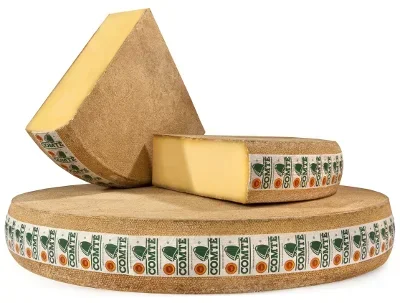
Comte cheese is a nutty, creamy French cheese made from raw cow’s milk in the Jura mountains. This AOP-protected cheese has been crafted for centuries and offers rich, complex flavors that cheese lovers adore. Whether you slice it on a cheese board or melt it into fondue, comte cheese brings unbeatable depth and warmth to any dish.
Key Takeaways
- Authentic French Cheese: Comte cheese comes from the Jura region and carries AOP certification, guaranteeing traditional methods.
- Nutty and Complex Flavor: Expect notes of hazelnut, brown butter, and caramel depending on aging.
- Versatile in the Kitchen: It melts beautifully, pairs well with wine, and elevates simple dishes.
- Aged to Perfection: Comte wheels age from 4 months to over 24 months, each stage offering a different taste profile.
- Easy to Find: Specialty shops, online retailers, and French markets carry authentic comte cheese.
- Proper Storage Matters: Wrap it correctly and store it in the fridge to keep it fresh for weeks.
📑 Table of Contents
What Is Comte Cheese?
Comte cheese is one of France’s most celebrated cheeses. It comes from the Jura mountains in eastern France. This hard cheese is made from raw cow’s milk and has a rich, nutty taste that people absolutely love.
If you are a cheese fan, you owe it to yourself to try comte cheese. It tastes like a mix of hazelnut, brown butter, and caramel. The flavor changes depending on how long the cheese has aged. Younger wheels taste mild and creamy. Older wheels taste sharper and more complex.
Comte cheese holds a special status. It carries an AOP label. This means it must follow strict rules. The milk comes from Montbeliarde or French Simmental cows. The cheese is made in specific areas of the Jura region. This protects the quality and tradition behind every wheel.
You can find comte cheese in many shapes. Most wheels weigh between 40 and 70 kilograms. The rind is a natural beige to brown color. Inside, the paste is pale yellow and smooth. It breaks cleanly when you cut it. This is a sign of a well-made wheel.
People often compare comte cheese to Gruyère. Both are Alpine-style cheeses. They share some flavor notes. But comte has its own unique character. It is creamier and fruitier in many cases. Once you taste it, you will understand why so many people fall in love with it.
Why Comte Cheese Stands Out
What makes comte cheese special is its terroir. Terroir means the land and climate shape the flavor. The Jura mountains have lush pastures. The cows graze on wild herbs and grasses. This gives the milk a unique taste. And that taste transfers to the cheese.
Each wheel tells a story. The season, the weather, the pasture, and the cheesemaker all play a role. No two wheels are exactly the same. This is what makes comte cheese so exciting. Every bite is a little adventure.
The History and Origins of Comte Cheese
The story of comte cheese goes way back. People in the Jura region have been making this cheese for centuries. It started as a farmhouse cheese. Families made it in small mountain chalets during the summer months.
Back then, farmers needed a way to preserve milk. Cheese was the perfect solution. They used large copper vats and traditional methods. Each family passed their recipe down through generations. The result was a cheese that was both practical and delicious.
The name “Comte” comes from the Franche-Comté region. This was a historic county in France. The cheese became a local staple. Over time, it gained fame across France and beyond.
In 1958, comte cheese received its AOP designation. AOP stands for Appellation d’Origine Protégée. This is a French certification that protects regional products. It ensures that the cheese is made the traditional way. It also guarantees a certain level of quality.
Today, comte cheese is one of the most popular French cheeses worldwide. It is a staple on cheese boards. It is a favorite in French kitchens. And it continues to win awards at cheese competitions. The tradition lives on through skilled cheesemakers.
The Role of the Fruitière
A key part of comte cheese history is the fruitière. This is a cooperative cheese-making facility. Farmers bring their milk to the fruitière. The fruitière follows strict rules. It ensures every wheel meets the AOP standards.
This cooperative model has been around for a long time. It helps small farmers work together. They share resources and knowledge. The fruitière also ages the cheese properly. Without this system, comte cheese would not be the same.
How Comte Cheese Is Made
Making comte cheese is a careful process. It takes time, skill, and patience. Every step matters. Let us walk through how this amazing cheese comes to life.
Step One: Milk Collection
The journey starts with fresh milk. Only milk from Montbeliarde or French Simmental cows is allowed. The cows graze on natural pastures. They eat grass, hay, and wildflowers. This diet gives the milk its special flavor.
Farmers collect the milk every day. It must be raw and unprocessed. The milk goes to the fruitière quickly. Speed matters here. Fresh milk makes better cheese.
Step Two: Curdling and Cutting
At the fruitière, the milk is warmed in large copper vats. A natural starter culture is added. Rennet is also added to help the milk curdle. After about 30 to 40 minutes, the curd forms.
The curd is then cut into small pieces. This is a very important step. Cutting the curd releases the whey. The size of the curd pieces affects the texture. For comte cheese, the curds are cut quite small. This gives the cheese its smooth, dense texture.
Step Three: Molding and Pressing
The curds are placed into round molds. Each mold holds about 65 liters of milk. The cheese is pressed to remove more whey. The wheels are then salted. Salt is applied by hand or in a brine bath.
After salting, the wheels go into a cool cellar. They rest there for a few days. This helps the salt spread evenly. It also starts the fermentation process.
Step Four: Aging
Aging is where the magic happens. Comte cheese wheels are aged for at least 4 months. Some wheels age for 12 months or more. The longer the aging, the stronger the flavor.
During aging, the wheels are washed and turned regularly. They are brushed by hand. This develops the natural rind. The cellar temperature and humidity are carefully controlled. These conditions help the cheese develop its complex flavors.
A 24-month-old comte cheese tastes very different from a 4-month-old one. The older wheels have a crumbly texture and a bold, nutty taste. Younger wheels are softer and milder. Both are wonderful in their own way.
Flavors and Varieties of Comte Cheese
One of the best things about comte cheese is its range of flavors. The taste depends on how long the cheese has aged. Let us explore the different varieties.
Young Comte Cheese (4 to 6 Months)
Young comte cheese is mild and creamy. It has a soft, smooth texture. The flavor is buttery with a hint of sweetness. It is perfect for people who prefer a gentle cheese taste.
This variety melts very well. It is great in sandwiches and on gratins. If you are new to comte cheese, start with a younger wheel. It is approachable and delicious.
Aged Comte Cheese (12 to 24 Months)
Older comte cheese has a much stronger flavor. The texture becomes crumbly and firm. You will taste notes of hazelnut, brown butter, and even a touch of fruit.
Some 24-month wheels have tiny white crystals inside. These are tyrosine crystals. They form during long aging. They add a nice crunch and a savory, umami flavor. This is a sign of a well-aged comte cheese wheel.
Aged comte cheese is perfect for a cheese board. It pairs beautifully with crusty bread and dried fruits. It also works well with a glass of wine.
Comte Cheese with Different Rinds
The rind of comte cheese can vary. Most wheels have a natural rind. This rind is brushed during aging. It turns from pale beige to a deeper brown. The rind is edible but often quite tough.
Some wheels develop a grayish rind. This is natural and harmless. The rind adds earthy flavors to the cheese. Many cheese lovers enjoy scraping the rind and mixing it into sauces.
Best Ways to Enjoy Comte Cheese
Comte cheese is incredibly versatile. You can enjoy it in many ways. Here are some of the best methods.
On a Cheese Board
A cheese board is the classic way to serve comte cheese. Slice a few pieces and arrange them on a board. Add some crackers, grapes, and nuts. You can also include other cheeses like Brie or Roquefort.
Let the cheese come to room temperature before serving. This brings out the full flavor. A young comte cheese pairs well with a crisp white wine. An aged comte cheese goes great with a bold red.
In Cooking and Melting
Comte cheese melts beautifully. It is a star ingredient in French fondue. It also works wonderfully in gratins and croque monsieurs. The cheese becomes gooey and rich when heated.
Try adding shredded comte cheese to a French onion soup. Or melt it over roasted vegetables. It adds a nutty, savory depth to any dish. You can also use it in mac and cheese for a gourmet twist.
Pairing Comte Cheese with Drinks
The right drink can elevate your comte cheese experience. Here are some great pairings:
- White Wine: A Chardonnay from Burgundy or a Jura wine pairs wonderfully.
- Red Wine: Try a Pinot Noir or a light Beaujolais with aged comte.
- Beer: A Belgian ale or a nutty brown ale complements the flavors.
- Cider: French cider is a traditional pairing that works beautifully.
- Coffee: A strong espresso brings out the nutty notes in aged comte cheese.
Quick Tips for Serving Comte Cheese
- Always take comte cheese out of the fridge 30 minutes before serving.
- Use a sharp knife to slice clean pieces.
- Store leftover cheese in parchment paper in the fridge.
- Do not freeze comte cheese. It changes the texture.
- Pair with fresh fruits like pears and apples for a balanced snack.
Where to Buy and Store Comte Cheese
Finding good comte cheese is easier than you might think. Many specialty food stores carry it. French markets and fromageries are great sources. You can also buy it online from reputable cheese shops.
When buying comte cheese, look for the AOP label. This guarantees authenticity. Check the aging date if you want a specific flavor profile. A label that says “Comte” with the AOP seal is your best bet.
Price can vary. A younger wheel is usually more affordable. An aged 24-month wheel costs more. But the flavor is worth it. Treat yourself to a well-aged piece every now and then.
How to Store Comte Cheese Properly
Proper storage keeps comte cheese fresh longer. Here is what you need to know:
- Wrap the cheese in parchment paper. Avoid plastic wrap. It can trap moisture and affect the flavor.
- Store it in the vegetable drawer of your fridge. The slightly higher humidity helps.
- Keep it away from strong-smelling foods. Cheese can absorb other odors.
- Consume opened wheels within two to three weeks for the best taste.
- If the cheese develops a white coating on the rind, that is normal. Just wipe it gently with a damp cloth.
Common Mistakes People Make with Comte Cheese
Here are a few mistakes to avoid. First, do not wrap comte cheese in plastic wrap directly. This suffocates the cheese and changes its texture. Second, do not cut too far into the wheel at once. Always cut from the outside in. This keeps the inner pieces fresh longer.
Another mistake is serving comte cheese too cold. Cold temperatures mute the flavors. Let it warm up on the counter. This simple step makes a big difference in taste.
Expert Insights on Comte Cheese
Cheese experts love comte cheese for good reason. It is a cheese that rewards attention and patience. The aging process creates layers of flavor that are hard to find in other cheeses.
According to French cheese tradition, the best comte cheese comes from summer milk. The cows graze on alpine pastures in summer. The wildflowers and herbs give the milk a floral, aromatic quality. Summer comte cheese is often considered the finest.
Expert cheesemakers also emphasize the importance of the fruitière. The cooperative system ensures consistency and quality. Each fruitière has its own character. Some produce creamier wheels. Others produce more crumbly, intense wheels. This variety is part of what makes comte cheese so fascinating.
If you want to deepen your appreciation, try tasting different vintages of comte cheese. Compare a 4-month wheel with a 12-month wheel. Then try a 24-month wheel. Notice how the flavor evolves. This is one of the joys of exploring comte cheese.
Key Takeaways
- Authentic French Cheese: Comte cheese comes from the Jura region and carries AOP certification, guaranteeing traditional methods.
- Nutty and Complex Flavor: Expect notes of hazelnut, brown butter, and caramel depending on aging.
- Versatile in the Kitchen: It melts beautifully, pairs well with wine, and elevates simple dishes.
- Aged to Perfection: Comte wheels age from 4 months to over 24 months, each stage offering a different taste profile.
- Easy to Find: Specialty shops, online retailers, and French markets carry authentic comte cheese.
- Proper Storage Matters: Wrap it in parchment paper and store it in the fridge to keep it fresh for weeks.
Conclusion
Comte cheese is truly a gem of French dairy. Its nutty, complex flavors have won the hearts of cheese lovers around the world. Whether you enjoy it young and mild or aged and bold, there is a comte cheese for everyone.
This cheese connects you to centuries of tradition. It comes from the beautiful Jura mountains. It is made by skilled hands using time-honored methods. Every wheel tells a story of land, cows, and craftsmanship.
Next time you are at a cheese shop, pick up a wheel of comte cheese. Try a few different ages. Pair it with your favorite wine or bread. You will quickly see why this cheese deserves a spot in your kitchen. Once you start eating comte cheese, you will never look back.
Explore the world of comte cheese today. Your taste buds will thank you. This is one French cheese that truly delivers on every level.
Frequently Asked Questions
What does comte cheese taste like?
Comte cheese has a nutty, buttery flavor with hints of hazelnut and caramel. Younger wheels taste mild and creamy. Older wheels develop a sharper, more complex taste with fruity and earthy notes. The flavor profile changes beautifully with aging.
Is comte cheese the same as Gruyère?
They are similar but not the same. Both are Alpine-style cheeses made from cow’s milk. However, comte cheese comes from the Jura region of France. Gruyère comes from Switzerland. Comte cheese tends to be creamier and has a slightly different flavor profile. Each cheese has its own unique character.
Can you melt comte cheese?
Yes, comte cheese melts wonderfully. It is a great choice for fondue, gratins, and sandwiches. The cheese becomes smooth and gooey when heated. It is a favorite ingredient in many classic French dishes. Its melting quality is one of the reasons it is so popular in cooking.
How long does comte cheese last?
A whole, unopened wheel of comte cheese can last for months. Once opened, it is best consumed within two to three weeks. Store it wrapped in parchment paper in the fridge. Always check for any off smells or textures before eating. Proper storage keeps the cheese fresh and flavorful.
Is comte cheese lactose-free?
Comte cheese is not completely lactose-free. However, the aging process breaks down most of the lactose. Aged comte cheese contains very low levels of lactose. People with mild lactose sensitivity may be able to tolerate it. If you have severe lactose intolerance, it is best to consult a doctor first.
What wine pairs best with comte cheese?
A crisp white Burgundy or a Jura wine pairs beautifully with comte cheese. Light red wines like Pinot Noir also work well. For beer lovers, a Belgian ale or nutty brown ale is a great match. The key is to balance the rich, nutty flavors of the cheese with a complementary drink.

Similar Posts