Can You Get in Shape with a Rowing Machine
Senior Fitness & Outdoor Gear Writer at Gym Hike · NASM Certified Personal Trainer (CPT), Wilderness First Responder · 10+ years testing home gym equipment, strength training, and outdoor trail hiking
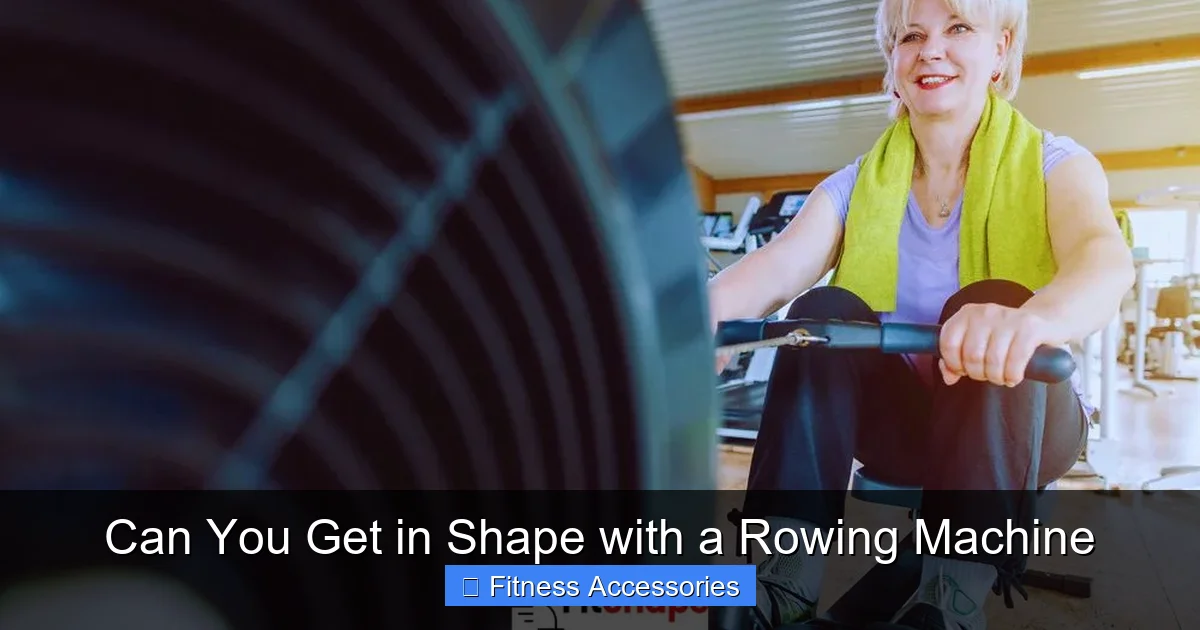
Wondering if a rowing machine can truly get you in shape? This guide breaks down the science, workouts, and real‑world tips that prove rowing is a full‑body powerhouse. From fat loss to strength gains, learn how to maximize results with simple, effective routines.
Key Takeaways
- Full‑body workout: Rowing engages legs, core, back, and arms in one fluid motion.
- Cardio + strength: Combines aerobic conditioning with resistance training for efficient calorie burn.
- Low impact: Easy on joints, making it ideal for beginners and rehab athletes.
- Customizable intensity: Adjustable resistance lets you progress from light sweeps to power strokes.
- Convenient at home: Saves time and money compared to gym memberships.
- Measurable results: Built‑in monitors track distance, strokes, and calories for goal‑setting.
- Motivation hacks: Interval training, music playlists, and virtual rowing apps keep workouts fresh.
📑 Table of Contents
- Introduction: Why Rowing Is the Unsung Hero of Fitness
- How Rowing Works: The Science Behind the Stroke
- Calorie Burn and Fat Loss: What Numbers Can You Expect?
- Strength Gains: Building Muscle While You Cardio
- Low‑Impact Benefits: Protecting Joints While Getting Fit
- Designing Your Rowing Routine: From Beginner to Advanced
- Motivation Hacks: Making Rowing Fun and Sustainable
- Conclusion: Your Path to a Fitter, Stronger You
Introduction: Why Rowing Is the Unsung Hero of Fitness
When most people think about getting in shape, they picture treadmills, dumbbells, or a sweaty spin class. Rowing machines often sit on the sidelines, overlooked in favor of flashier equipment. Yet the humble rower is a powerhouse that can deliver a complete workout in less time than many other activities.
In this article we’ll answer the question on everyone’s mind: Can you get in shape with a rowing machine? The short answer is a resounding yes. The longer answer dives into how rowing works, what results you can expect, and how to design a program that fits your lifestyle. Whether you’re a busy professional, a college student, or a retiree, you’ll find practical tips that make rowing a realistic and enjoyable path to fitness.
How Rowing Works: The Science Behind the Stroke
The rowing motion explained
Each rowing stroke has two phases: the drive and the recovery. During the drive you push with your legs, lean back, and pull the handle toward your chest. This sequence uses the quadriceps, glutes, hamstrings, core, lats, biceps, and forearms—all at once. The recovery is the reverse: arms extend, torso leans forward, and legs straighten, preparing for the next drive.

Visual guide about Can You Get in Shape with a Rowing Machine
Image source: fitshape.com.au
Why it’s a full‑body workout
- Leg power: About 60% of the work comes from the legs.
- Core stability: The core stabilizes the spine during the lean‑back.
- Upper‑body pull: The back and arms finish the stroke, adding strength training.
This simultaneous engagement means you burn more calories per minute than you would doing isolated cardio or weight work alone.
Calorie Burn and Fat Loss: What Numbers Can You Expect?
Average calorie expenditure
For a 155‑lb person, moderate rowing (about 12‑14 strokes per minute) burns roughly 200‑250 calories in 30 minutes. Push the intensity to vigorous (18‑20 strokes per minute) and you can torch 300‑350 calories in the same time frame. These figures are comparable to running at 6 mph but with far less joint stress.
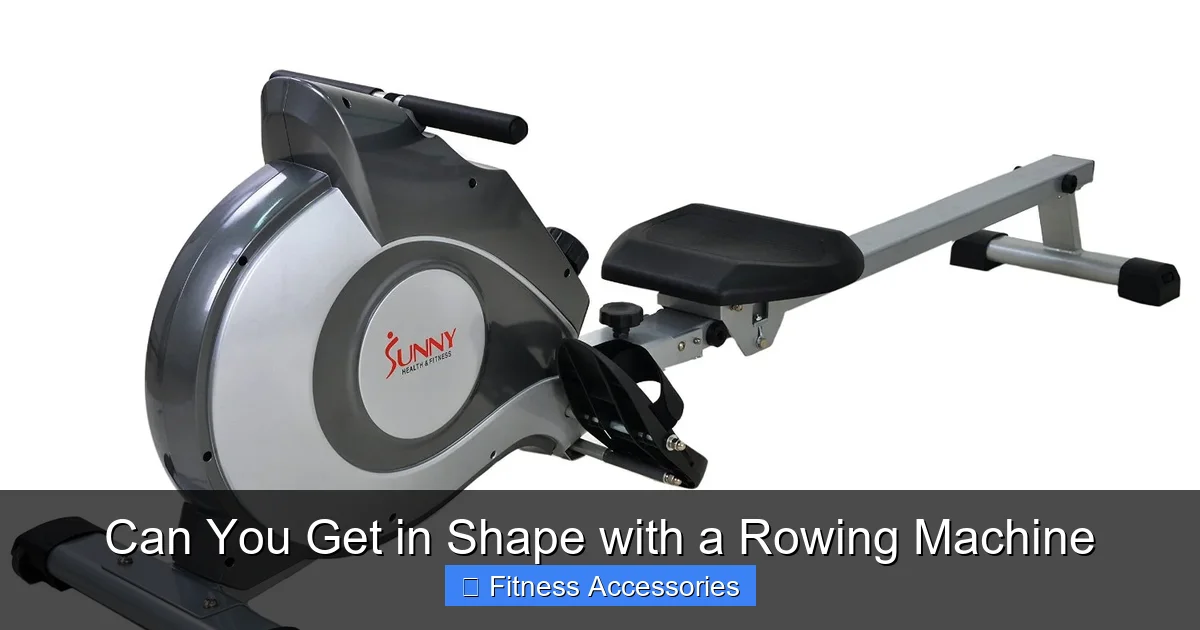
Visual guide about Can You Get in Shape with a Rowing Machine
Image source: allrowers.com
Impact on body composition
Because rowing mixes cardio with resistance, it helps preserve lean muscle while you lose fat. Studies show that participants who added rowing to a calorie‑restricted diet lost an average of 1.5 lb of fat per week while maintaining muscle mass.
Practical tip: Use the monitor
Most modern rowers have a performance monitor that shows calories, distance, and stroke rate. Set a weekly calorie‑burn goal (e.g., 2,000 calories) and track your progress. Seeing the numbers in real time keeps you motivated.
Strength Gains: Building Muscle While You Cardio
Which muscles get stronger?
The repetitive push‑pull action strengthens:
- Quadriceps and glutes (driving the legs)
- Erector spinae and lats (supporting the back)
- Core muscles (maintaining posture)
- Biceps and forearms (gripping the handle)
Over a 6‑week program, beginners can see a 10‑15% increase in leg and back strength, measured by the amount of resistance they can handle.
Resistance levels and progression
Most rowers allow you to adjust resistance in small increments. Start at a level where you can maintain good form for 5 minutes. Every 2 weeks, increase the resistance by 1‑2 levels or add 5‑10 seconds to your intervals. This progressive overload is the key to muscle growth.
Sample strength‑focused workout
- Warm‑up: 5 minutes easy rowing (steady 18‑20 spm).
- Intervals: 4 × 4 minutes at high resistance, 2 minutes easy between sets.
- Cool‑down: 5 minutes light rowing, focusing on smooth recovery strokes.
Notice how the “hard” intervals feel like a weight‑lifting set—your legs and back are doing the heavy lifting.
Low‑Impact Benefits: Protecting Joints While Getting Fit
Why rowers are joint‑friendly
Unlike running, rowing is a seated activity. The impact forces are minimal because your feet stay on a fixed foot‑strap and the motion is fluid. This makes rowing ideal for people with knee, hip, or ankle issues.
Rehab and cross‑training applications
Physical therapists often prescribe rowing to restore functional strength after injury. The controlled range of motion helps rebuild muscle without overstressing vulnerable joints.
Tip for beginners with joint concerns
Start with a low resistance and focus on a smooth, controlled stroke. Keep the catch (the point when the handle is closest to your body) short and avoid “slamming” the handle down. Gradually increase intensity as comfort improves.
Designing Your Rowing Routine: From Beginner to Advanced
Beginner 4‑Week Plan
Goal: Build basic endurance and learn proper form.
- Week 1: 3 sessions, 10 min each (5 min easy, 5 min cool‑down).
- Week 2: 3 sessions, 12 min (6 min moderate, 6 min easy).
- Week 3: 4 sessions, 15 min (intervals: 1 min hard, 2 min easy ×4).
- Week 4: 4 sessions, 20 min (2 min hard, 2 min easy ×5).
Intermediate 6‑Week Plan
Goal: Increase calorie burn and start strength work.
- Two days of steady‑state rowing (30 min at 60‑70% max HR).
- Two days of interval training (5 × 4 min hard, 2 min recovery).
- One day of “power rows” – short bursts (30 sec max effort, 1 min rest ×10).
Advanced 8‑Week Plan
Goal: Maximize VO₂ max, muscle endurance, and mental toughness.
- One long row (45‑60 min) at a steady moderate pace.
- Two high‑intensity interval sessions (10 × 1 min hard, 1 min easy).
- One sprint day (30 sec all‑out, 30 sec rest ×12).
- One technique day focusing on perfect stroke mechanics and breathing.
Tracking progress
Use the rower’s monitor or a fitness app to log:
- Distance (meters or miles)
- Average stroke rate (spm)
- Calories burned
- Heart rate (if you have a chest strap)
Review these metrics weekly. Small, consistent improvements mean you’re getting in shape.
Motivation Hacks: Making Rowing Fun and Sustainable
Music and podcasts
Create a 30‑minute playlist with songs that match your target stroke rate (120‑130 bpm for moderate, 150‑160 bpm for high intensity). The rhythm helps maintain consistent pacing.
Virtual rowing challenges
Apps like Kinomap or RowPro let you race against virtual rivers or other users. Competing adds a social element that keeps you coming back.
Reward system
Set micro‑goals (e.g., “Row 5 km this week”) and reward yourself with a non‑food treat—new workout gear, a massage, or a movie night.
Mixing modalities
Combine rowing with bodyweight circuits: 5 minutes rowing, 10 push‑ups, 10 squats, repeat. This breaks monotony and adds variety.
Conclusion: Your Path to a Fitter, Stronger You
So, Can you get in shape with a rowing machine? Absolutely. The rower delivers a full‑body workout that burns calories, builds muscle, and protects your joints—all in a compact, home‑friendly package. By following a structured plan, tracking progress, and keeping the experience enjoyable, you’ll see measurable improvements in stamina, strength, and overall body composition.
Remember, consistency beats intensity. Start with a manageable routine, focus on proper form, and gradually increase resistance and duration. Before long, you’ll be gliding through workouts with confidence, knowing that each stroke brings you closer to your fitness goals.
Frequently Asked Questions
Is rowing suitable for beginners with no fitness background?
Yes. Rowing is low‑impact and allows you to start at a low resistance, making it safe for beginners. Focus on mastering the technique before increasing intensity.
How many calories does a 30‑minute rowing session burn?
On average, a 155‑lb person burns 200‑350 calories in 30 minutes, depending on effort level. Higher stroke rates and resistance increase the calorie count.
Can I lose belly fat specifically by rowing?
Spot‑reduction isn’t possible, but rowing’s high calorie burn and muscle‑building effects reduce overall body fat, including the abdominal area, when combined with a healthy diet.
Do I need a fancy rowing machine to see results?
No. While high‑end models offer advanced monitors, a basic air or magnetic rower provides sufficient resistance and tracking to get in shape effectively.
How often should I row to see noticeable improvements?
Aiming for 3‑5 sessions per week, each lasting 20‑45 minutes, yields steady progress. Mix steady‑state rows with interval training for best results.
Can rowing help improve my posture?
Yes. The rowing stroke strengthens the back, shoulders, and core, which are key muscles for maintaining an upright posture throughout the day.
Similar Posts































[…] or yoga, helps you feel your best on photo day. Some seniors even incorporate activities like rowing machine workouts or gentle cardio routines to build energy and reduce stress before their session. Feeling strong […]