Can You Lose Belly Fat with a Rowing Machine

Yes—you can lose belly fat with a rowing machine when you combine consistent rowing, proper nutrition, and smart interval training. Rowing targets core muscles, boosts metabolism, and burns calories, making it a powerful tool for a flatter midsection.
Key Takeaways
- Full‑body cardio burns calories fast: Rowing engages 86% of your muscles, turning your workout into a massive calorie‑burning event.
- Core activation helps tighten the waist: The rowing stroke forces you to engage your abdominals and lower back, strengthening the muscles that support belly fat loss.
- Intensity matters more than duration: High‑intensity interval rowing yields a higher after‑burn effect (EPOC) than steady‑state rowing.
- Nutrition is non‑negotiable: Even the best rowing routine won’t melt belly fat if you’re eating more calories than you burn.
- Consistency beats occasional marathon sessions: Aim for 3‑5 rowing workouts per week for sustainable results.
- Track progress with metrics, not just the scale: Use waist circumference, body‑fat percentage, and rowing performance data to gauge success.
- Combine rowing with strength work: Adding a few weight‑training moves accelerates muscle growth and further reduces belly fat.
📑 Table of Contents
- Introduction: Why the Question Matters
- How Fat Loss Works: The Basics You Need to Know
- Why Rowing Targets Belly Fat Effectively
- Designing a Rowing Program That Burns Belly Fat
- Sample Weekly Rowing Plan
- Common Mistakes and How to Fix Them
- Measuring Success Beyond the Scale
- Conclusion: Can You Lose Belly Fat With A Rowing Machine?
Introduction: Why the Question Matters
Every time you glance at the mirror and notice a stubborn belly bulge, the first thought is often, “Can I lose belly fat with a rowing machine?” It’s a natural question because rowing machines are compact, low‑impact, and promise a full‑body workout. Yet, many people wonder if the effort translates into a slimmer waistline or if they’re better off with a treadmill or bike.
The short answer is yes—rowing can help you shed belly fat, but only when you treat it as part of a holistic plan that includes diet, intensity, and consistency. In this article we’ll break down the science behind fat loss, explain how rowing targets the core, and give you a step‑by‑step roadmap to a flatter midsection.
How Fat Loss Works: The Basics You Need to Know
Calorie Balance Is King
Fat loss boils down to a simple equation: calories burned > calories consumed. Your body stores excess energy as fat, and when you create a caloric deficit, it taps those stores for fuel. Rowing is an efficient way to increase the “calories burned” side of the equation.
Visual guide about Can You Lose Belly Fat with a Rowing Machine
Image source: topiom.com
The Role of Hormones
When you exercise at a higher intensity, hormones like adrenaline, noradrenaline, and growth hormone surge. These hormones signal your body to mobilize fat, especially the stubborn visceral fat around the belly. Rowing’s mix of cardio and resistance triggers this hormonal cocktail.
After‑Burn Effect (EPOC)
Excess post‑exercise oxygen consumption (EPOC) describes how many extra calories you keep burning after you finish a workout. High‑intensity interval rowing can raise EPOC for up to 48 hours, meaning you continue to melt fat long after you step off the machine.
Why Rowing Targets Belly Fat Effectively
Full‑Body Engagement
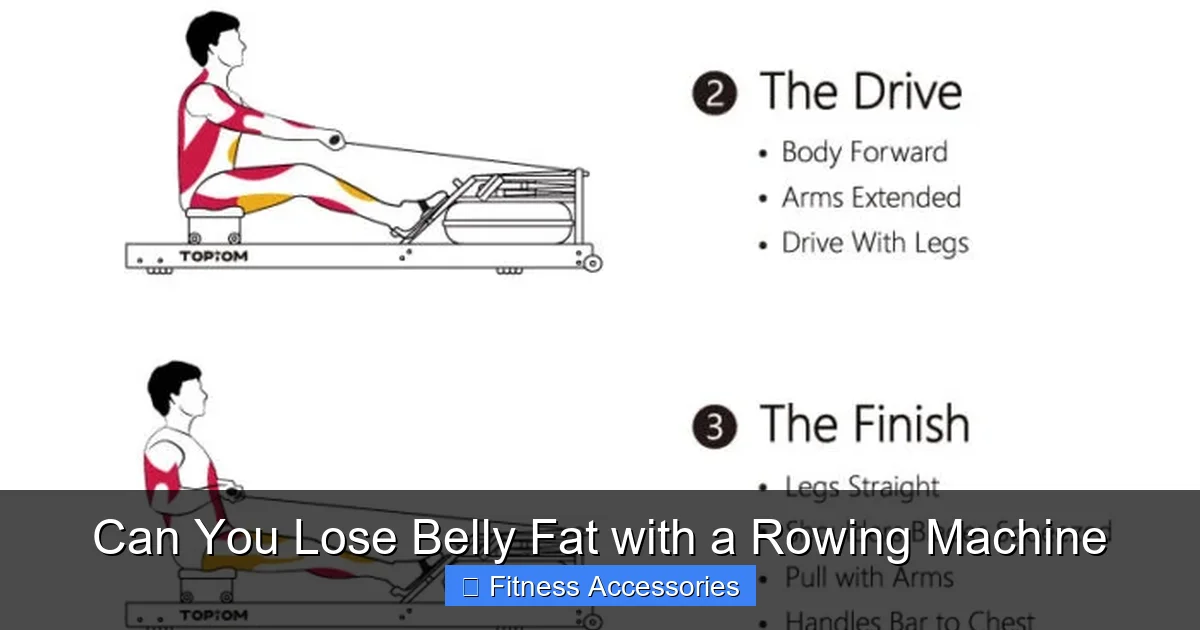
A rowing stroke recruits legs, glutes, core, back, and arms. Studies show that about 86% of the muscles are active during a typical rowing cycle. This high muscle recruitment translates into a higher calorie burn per minute compared to many other cardio options.

Visual guide about Can You Lose Belly Fat with a Rowing Machine
Image source: rowingcrazy.com
Core Activation Is Built‑In
During the “drive” phase, you push with your legs while simultaneously pulling the handle toward your chest. This motion forces the abdominals and lower back to stabilize the spine, turning every row into a core‑strengthening exercise. Stronger core muscles improve posture, making the belly appear flatter even before fat is fully gone.
Low‑Impact, High‑Reward
Because rowing is seated and glides on a smooth rail, it is gentle on the joints. This means you can row more frequently without the wear‑and‑tear that often forces people off a treadmill or running program. More frequent sessions equal more total calories burned.
Designing a Rowing Program That Burns Belly Fat
1. Choose the Right Intensity
For belly‑fat loss, aim for a mix of steady‑state rows (moderate pace, 20‑30 minutes) and high‑intensity interval training (HIIT) rows. A typical HIIT session might look like:
- Warm‑up: 5 minutes easy rowing (50‑60% effort)
- Work interval: 30 seconds all‑out sprint (90‑95% effort)
- Recovery: 90 seconds light rowing (40‑50% effort)
- Repeat: 8‑10 rounds
- Cool‑down: 5 minutes easy rowing
This format maximizes calorie burn and spikes EPOC.
2. Frequency and Duration
Aim for 3‑5 sessions per week. Beginners can start with 20‑30 minutes per session, while intermediate rowers can push to 45‑60 minutes. Consistency beats occasional marathon rows.
3. Track Your Metrics
Most rowing machines provide a “split time” (time per 500 meters), total calories, and stroke rate. Use these numbers to monitor progress. For belly‑fat loss, watch for:
- Decreasing split times at the same effort level
- Increasing calories burned per session
- Steady reduction in waist circumference (measure weekly)
4. Combine With Light Strength Work
Adding 2‑3 short strength circuits after rowing (e.g., planks, Russian twists, goblet squats) further engages the core and supports muscle growth, which raises resting metabolism.
5. Nutrition Tips to Accelerate Fat Loss
- Protein first: Aim for 1.2‑1.6 g of protein per kilogram of body weight each day to preserve muscle.
- Calorie deficit: Reduce daily intake by 250‑500 kcal. Use a food‑tracking app to stay honest.
- Fiber and water: High‑fiber foods and at least 2 L of water keep you full and support digestion.
- Timing: A small carb‑protein snack 30‑45 minutes before rowing fuels performance; a protein‑rich meal within 2 hours after helps recovery.
Sample Weekly Rowing Plan
Monday – HIIT Row
5‑min warm‑up, 8 rounds of 30‑second sprints/90‑second recoveries, 5‑min cool‑down. Total: ~20 minutes.
Tuesday – Steady State + Core Circuit
30‑minute moderate row (65% max HR) followed by 3 × 30‑second planks, 15‑second rest, 20 Russian twists.
Wednesday – Active Recovery
Light 15‑minute row at 50% effort or a brisk walk. Focus on mobility stretches.
Thursday – Pyramid HIIT
Row 30 sec, 45 sec, 60 sec, 45 sec, 30 sec with equal recovery time. Repeat twice. Finish with 3 × 10 kg kettlebell swings.
Friday – Long Steady Row
45‑minute row at a conversational pace. Keep stroke rate around 22‑24 spm.
Saturday – Strength + Short Row
3 × 12 goblet squats, 3 × 15 bent‑over rows, then a 10‑minute easy row to flush out lactic acid.
Sunday – Rest
Complete rest or gentle yoga. Recovery is when the fat‑burning magic truly happens.
Common Mistakes and How to Fix Them
1. Rowing Too Slowly
Dragging the handle reduces power output and calorie burn. Focus on a smooth, powerful drive and a quick, controlled recovery.
2. Ignoring the Core
Letting the hips sag turns the row into a lower‑back exercise, not a core workout. Keep a neutral spine and engage the abs throughout the drive.
3. Overeating “Gym Calories”
It’s easy to think you can eat whatever you want after a row. Track your meals and stay within your target deficit.
4. Skipping Warm‑Ups and Cool‑Downs
Cold starts increase injury risk and reduce performance. A 5‑minute warm‑up primes the muscles; a cool‑down helps flush metabolites.
5. Relying Solely on the Rowing Machine
Mix in other activities—walking, swimming, or resistance training—to keep the body guessing and avoid plateaus.
Measuring Success Beyond the Scale
The scale can be deceptive because muscle weighs more than fat. Instead, track:
- Waist circumference: Measure at the navel once a week.
- Body‑fat percentage: Use calipers or a smart scale.
- Rowing performance: Faster splits, higher watts, and longer endurance indicate metabolic improvements.
- Energy levels and sleep quality: Better recovery often accompanies fat loss.
When these numbers improve, you’re on the right track, even if the scale stalls.
Conclusion: Can You Lose Belly Fat With A Rowing Machine?
Absolutely—yes, you can lose belly fat with a rowing machine, but the key is to treat rowing as a high‑intensity, full‑body calorie‑burning tool within a broader lifestyle plan. By rowing consistently, mixing steady‑state and interval sessions, engaging the core, and pairing your workouts with a sensible diet, you’ll see a slimmer waist, stronger core, and overall better fitness. Remember, patience and persistence win the battle; the belly won’t shrink overnight, but with the right rowing routine, it will shrink over weeks and months.
Frequently Asked Questions
Can rowing alone eliminate belly fat?
Rowing is highly effective, but without a calorie deficit and proper nutrition, fat loss will be limited. Combine rowing with a balanced diet for best results.
How many calories does a 30‑minute rowing session burn?
For most people, a moderate 30‑minute row burns 250‑350 calories; high‑intensity intervals can push that number to 400‑500 calories.
Do I need a fancy rowing machine to see results?
No. A basic hydraulic or magnetic rower works fine for beginners. As you progress, a water‑resistance or air‑resistance model offers smoother feel and better data tracking.
Is rowing safe for people with lower‑back issues?
When performed with proper form—maintaining a neutral spine and using the legs for power—rowing is low‑impact and often recommended for back‑friendly cardio.
How quickly can I expect to see a smaller waist?
Visible changes typically appear after 4‑6 weeks of consistent rowing, a balanced diet, and regular strength work, though individual results vary.
Should I combine rowing with other cardio?
Mixing modalities (e.g., walking, cycling) can prevent boredom and target different muscle groups, enhancing overall fat loss while keeping rowing as the core component.