Can I Lose Weight by Using an Exercise Bike
Senior Fitness & Outdoor Gear Writer at Gym Hike · NASM Certified Personal Trainer (CPT), Wilderness First Responder · 10+ years testing home gym equipment, strength training, and outdoor trail hiking

Yes, you can absolutely lose weight by using an exercise bike. It’s a highly effective, low-impact tool for burning a significant number of calories, improving cardiovascular health, and building leg muscle. The key to success is creating a consistent routine that combines regular bike sessions with a healthy, calorie-conscious diet to maintain a necessary calorie deficit. When used strategically with varied intensity, an exercise bike can be a cornerstone of a sustainable weight loss journey from the comfort of your home.
Key Takeaways
- Calorie Deficit is Non-Negotiable: The exercise bike is a powerful tool for burning calories, but weight loss only occurs when you consume fewer calories than you burn, combining exercise with mindful eating.
- HIIT Maximizes Fat Burn: Incorporating High-Intensity Interval Training (HIIT) on the bike—short bursts of max effort followed by recovery—boosts metabolism and burns more fat in less time than steady-state cardio alone.
- Consistency Trumps Intensity: A regular, sustainable routine (e.g., 30 minutes, 4-5 times a week) is far more effective for long-term weight loss than sporadic, grueling workouts you can’t maintain.
- Diet is the Other Half of the Equation: No amount of cycling will overcome a poor diet. Pair your bike workouts with a balanced diet rich in protein, fiber, and whole foods to fuel recovery and control hunger.
- Builds Muscle, Boosts Metabolism: Cycling primarily works the quads, hamstrings, glutes, and calves. Building this lean muscle mass increases your resting metabolic rate, meaning you burn more calories even at rest.
- Accessible and Low-Impact: It’s joint-friendly, weather-proof, and convenient for home use, removing common barriers to exercise and making it easier to stick to your schedule.
- Track Progress Beyond the Scale: Use measurements, progress photos, and how your clothes fit. Muscle gain can sometimes mask fat loss on the scale, so monitor non-scale victories too.
📑 Table of Contents
- Can I Lose Weight by Using an Exercise Bike? The Short Answer
- How an Exercise Bike Creates the Perfect Calorie-Burning Environment
- Designing Your Weight Loss Workouts: It’s Not Just About Pedaling
- The Unsexy Truth: Your Diet is 50% of the Weight Loss Equation
- Beyond the Scale: The Holistic Health Benefits That Support Weight Loss
- Common Mistakes That Sabotage Your Bike Weight Loss Journey (And How to Fix Them)
- The Verdict: Your Exercise Bike is a Weight Loss Powerhouse
Can I Lose Weight by Using an Exercise Bike? The Short Answer
Let’s cut right to the chase: Yes, you can lose weight by using an exercise bike. In fact, it’s one of the most efficient, accessible, and joint-friendly tools you can use to shed pounds and improve your overall fitness. But—and this is a big but—simply hopping on a bike and pedaling mindlessly isn’t a magic weight loss ticket. The bike is your engine, but you have to provide the right fuel (your diet) and steer it correctly (your workout strategy).
Weight loss fundamentally comes down to a calorie deficit—burning more calories than you consume. An exercise bike excels at the “burning” part. A 155-pound person can burn approximately 260 calories in 30 minutes of moderate-paced cycling. Crank up the intensity or try interval training, and that number climbs quickly. When you pair this consistent calorie expenditure with a thoughtful eating plan, the scale will move. This article will be your complete guide, breaking down exactly how to leverage your exercise bike for maximum weight loss results, from workout design to nutrition synergy, all while avoiding common pitfalls.
How an Exercise Bike Creates the Perfect Calorie-Burning Environment
To understand weight loss, think of your body like a bank account. Calories in (from food and drink) are deposits. Calories out (through exercise, daily movement, and bodily functions) are withdrawals. To lose weight, you need a consistent withdrawal surplus. The exercise bike is one of your most reliable withdrawal machines.

Visual guide about Can I Lose Weight by Using an Exercise Bike
Image source: carolbike.com
The Math of Movement: Calories Burned on a Bike
The number of calories you burn depends on three main factors: your current weight, the intensity of your effort, and the duration of your session. A heavier person burns more calories doing the same work because it takes more energy to move a larger body. Intensity is where you hold the power. Leisurely pedaling while watching TV might burn 200-300 calories per hour. But a vigorous session, where you’re sweating and breathing hard, can torch 600-1,000+ calories per hour for many people.
This isn’t just about the time you’re on the bike, either. Vigorous exercise creates an “afterburn effect,” scientifically known as Excess Post-Exercise Oxygen Consumption (EPOC). Your metabolism stays elevated for hours after a tough workout as your body works to repair muscles, replenish energy stores, and return to its resting state. This means you continue burning extra calories even after you’ve cooled down and stretched. High-intensity intervals on the bike are particularly potent for triggering this effect.
Low-Impact, High-Result: Why Bikes are Joint-Friendly
One of the biggest advantages of the exercise bike for weight loss is its low-impact nature. Unlike running or jumping, where your joints absorb the shock of each footfall, cycling keeps your feet on pedals, eliminating pounding. This makes it an ideal choice for:
- Beginners who are carrying extra weight and need to reduce stress on knees and ankles.
- Anyone with arthritis, past injuries, or chronic joint pain.
- Older adults looking to improve cardiovascular health without risking injury.
- Cross-training for runners and athletes to maintain cardio fitness while giving joints a break.
Because it’s so accessible and comfortable, you’re far more likely to stick with a bike routine day after day. And consistency is the single greatest predictor of long-term weight loss success. If your knees ache after running, you’ll skip sessions. If your back is fine after a bike ride, you’ll show up again tomorrow.
Designing Your Weight Loss Workouts: It’s Not Just About Pedaling
This is where most people go wrong. They get on the bike, set it to “level 3,” and zone out for 20 minutes. To maximize fat loss, you need a plan. Your exercise bike workouts should be deliberate, varied, and progressively challenging. Here are the two primary training styles to build your routine around.
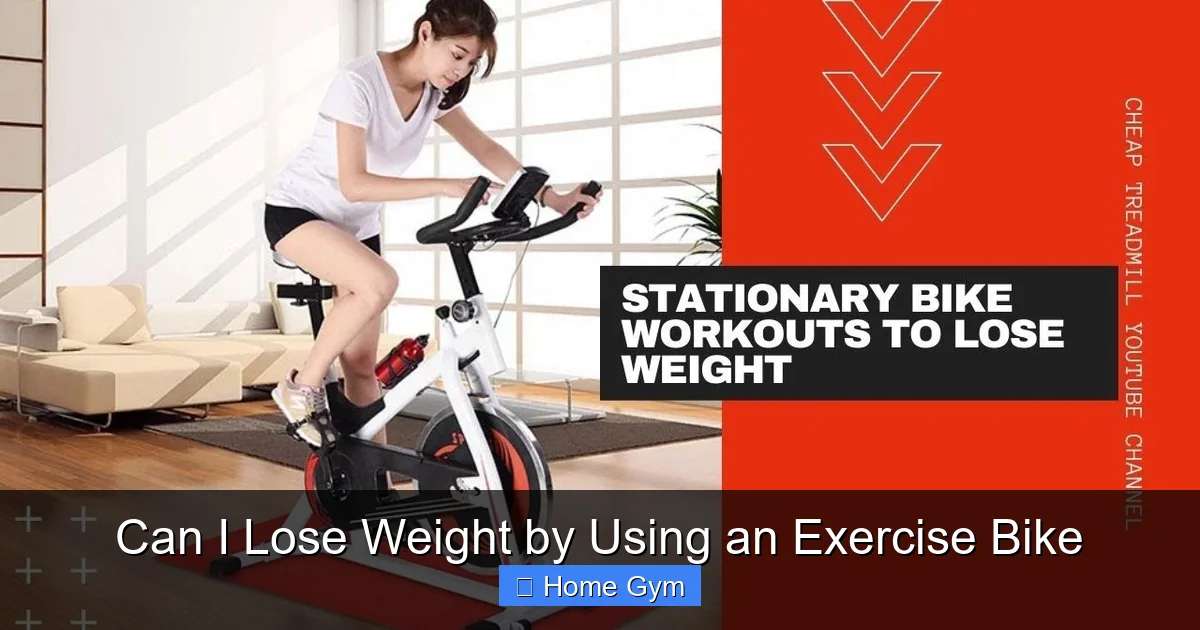
Visual guide about Can I Lose Weight by Using an Exercise Bike
Image source: i.ytimg.com
1. High-Intensity Interval Training (HIIT): The Fat-Burning Turbocharger
HIIT involves alternating short periods of all-out effort with longer periods of low-intensity recovery or complete rest. It’s incredibly time-efficient and highly effective for weight loss. A typical HIIT session on the bike might look like this:
- Warm-up: 5 minutes of easy pedaling.
- Work Interval: 30-60 seconds of sprinting (high resistance, fast pace). You should be gasping for air by the end.
- Recovery Interval: 60-90 seconds of very slow, easy pedaling.
- Repeat: This cycle 8-10 times.
- Cool-down: 5 minutes of easy pedaling.
Why it works for weight loss: The extreme effort depletes your muscle’s glycogen stores and creates a significant metabolic disturbance, leading to a prolonged afterburn effect (EPOC). Studies show HIIT can burn 25-30% more calories in the same time as a steady-state workout and improves insulin sensitivity, which helps your body manage fat stores better.
Practical Tip: Start with just 4-5 intervals if you’re new. The key is that the “work” interval is truly hard. Use a Rate of Perceived Exertion (RPE) scale of 1-10; your sprints should feel like an 8-9.
2. Steady-State Endurance (SSE): The Calorie-Burning Workhorse
This is your traditional, moderate-intensity cardio. You maintain a consistent, challenging but sustainable pace (where you can talk in short phrases) for a longer duration, typically 30-60 minutes. SSE is fantastic for building aerobic base, burning a high total number of calories in one session, and is less mentally taxing than HIIT.
Why it works for weight loss: It’s the most straightforward way to accumulate a large calorie burn in a single session. It also improves your body’s ability to use fat as a fuel source, which is beneficial for longer-term energy management.
Practical Tip: To make SSE more effective for weight loss, avoid the “chatty cardio” zone. Aim for an intensity where your heart rate is at 60-70% of your max (a rough estimate: 220 minus your age). Use the bike’s console or a heart rate monitor to stay in the zone. A 45-minute session at this pace can be a cornerstone of your weekly routine.
Building Your Weekly Bike Schedule for Weight Loss
For optimal results, blend both styles. Here’s a sample weekly structure for a beginner-to-intermediate rider:
- Monday: HIIT (20-25 min total workout time)
- Tuesday: Steady-State (40-45 min)
- Wednesday: Active Recovery (20-30 min very easy spin) or Rest
- Thursday: HIIT (20-25 min)
- Friday: Steady-State (40-45 min)
- Saturday: Longer Steady-State (50-60 min) or a fun outdoor ride if you have a hybrid/road bike.
- Sunday: Rest or Light Stretching/Yoga.
Remember: Your body adapts. Every 4-6 weeks, change something: increase interval length, add a session, increase resistance, or try a new SSE route on a cycling app. This “progressive overload” keeps your metabolism guessing and prevents plateaus.
The Unsexy Truth: Your Diet is 50% of the Weight Loss Equation
I can’t say this enough: You cannot out-exercise a bad diet. That hour-long, sweaty bike session might have burned 600 calories, but a single large latte, a muffin, and a splash of salad dressing can easily erase that deficit in minutes. The exercise bike creates the opportunity for a deficit; your food choices determine if that opportunity becomes a reality.

Visual guide about Can I Lose Weight by Using an Exercise Bike
Image source: cdn.mos.cms.futurecdn.net
Understanding the Calorie Deficit in Practical Terms
One pound of body fat contains roughly 3,500 calories. To lose one pound of pure fat per week, you need a daily deficit of 500 calories (3,500 / 7 days). This is the golden rule. You can achieve this deficit in three ways:
- Diet Alone: Eat 500 calories less than you burn each day. (Hard to sustain, can lead to hunger and nutrient deficiencies).
- Exercise Alone: Burn 500 extra calories through activity each day. (Very time-consuming, increases injury risk).
- The Hybrid Approach (Recommended): Eat 250 calories less and burn 250 calories through exercise. This is the most sustainable, healthy, and effective method. Your 30-45 minute bike session is your 250-calorie burner.
Practical Tip: Use a free app like MyFitnessPal or Cronometer for 3 days to get a true picture of your current intake. Most people dramatically underestimate their daily calories. Then, use an online TDEE (Total Daily Energy Expenditure) calculator to estimate your maintenance calories. Subtract 250-500 from that number for your daily target.
Fueling Your Rides for Performance and Satiety
What you eat before and after your bike session matters for energy, performance, and recovery.
- Pre-Workout (30-60 min prior): A small, easily digestible carb-based snack. Think: a banana, a slice of toast with jam, or a handful of oatmeal. This tops off your glycogen stores so you have energy for a strong effort. Avoid heavy fats and proteins that sit in your stomach.
- Post-Workout (within 45-60 min): This is your recovery window. Aim for a combination of protein (to repair muscle) and carbs (to replenish glycogen). A protein shake with a banana, Greek yogurt with berries, or chicken with sweet potato are perfect. This meal/snack is crucial for muscle recovery, which in turn keeps your metabolism high.
- All Day, Every Day: Prioritize protein (chicken, fish, tofu, legumes, eggs) at every meal to promote satiety and muscle preservation. Load up on non-starchy vegetables (spinach, broccoli, peppers) for volume and nutrients with minimal calories. Choose whole grains and healthy fats (avocado, nuts, olive oil) in controlled portions.
Beyond the Scale: The Holistic Health Benefits That Support Weight Loss
If you only focus on the number on the scale, you might miss the bigger picture. The exercise bike delivers a cascade of health benefits that indirectly but powerfully support your weight loss goals and overall well-being.
Building a Stronger, More Efficient Body
Cycling is a resistance exercise. You’re pushing against the bike’s resistance, which builds muscle in your quadriceps, hamstrings, glutes, and calves. It also engages your core for stability. Why does this matter for weight loss? Muscle is metabolically active tissue. The more lean muscle mass you have, the higher your Resting Metabolic Rate (RMR)—the number of calories you burn just to exist. Adding even a few pounds of muscle means you’re burning more calories 24/7, making your deficit easier to achieve and maintain. This is why strength training is often recommended alongside cardio for weight loss; cycling provides a form of it.
Mental Health, Sleep, and Hormonal Balance
Weight loss isn’t just a physical equation; it’s a psychological one. Regular exercise on your bike:
- Reduces Stress and Anxiety: Exercise releases endorphins, the body’s natural mood lifters. Lower stress means lower cortisol, a stress hormone that can promote belly fat storage and increase cravings for junk food.
- Improves Sleep Quality: Regular exercisers fall asleep faster and enjoy deeper sleep. Poor sleep disrupts hunger hormones (increasing ghrelin, which stimulates appetite, and decreasing leptin, which signals fullness), making you hungrier and more likely to make poor food choices.
- Boosts Confidence and Self-Efficacy: Sticking to a workout plan builds discipline and a sense of accomplishment. This mental fortitude spills over into your eating habits, helping you resist temptations.
These factors create a positive feedback loop: you exercise, you feel better, you sleep better, you have more willpower to eat well, you lose weight, you feel even better. The bike is the catalyst for this entire cycle of health.
Common Mistakes That Sabotage Your Bike Weight Loss Journey (And How to Fix Them)
Even with the best equipment and intention, it’s easy to stumble. Here are the most frequent pitfalls and their simple solutions.
Mistake 1: The “Zoned Out” Zone
You get on, set the bike to a comfortable resistance, and watch Netflix for 30 minutes. Your heart rate never spikes, you never break a real sweat, and you’re burning minimal calories. You’re just going through the motions.
The Fix: You must challenge your cardiovascular system. Use a heart rate monitor or the “talk test.” During your steady-state days, you should be able to speak in short sentences, not hold a full conversation. During HIIT, you should be unable to speak at all during the work intervals. If it feels easy, it probably is. Increase resistance, speed, or interval length.
Mistake 2: Neglecting the Warm-Up and Cool-Down
Skipping these to save time is a recipe for injury and subpar performance. A proper 5-10 minute warm-up gradually increases blood flow, warms muscles, and prepares your heart for work, allowing you to push harder when it counts. A cool-down helps your heart rate and blood pressure return to normal gradually and aids in recovery.
The Fix: Never skip them. Warm-up with 5 minutes of very easy spinning, maybe adding a few leg swings. Cool-down with 5 minutes of easy spinning followed by static stretching for your quads, hamstrings, calves, and hips (hold each stretch for 20-30 seconds).
Mistake 3: Inconsistency and All-or-Nothing Thinking
You go hard for 5 days straight, burning out, then take 3 days off feeling guilty. This yo-yo pattern is ineffective for building fitness and sustainable weight loss. It also increases injury risk.
The Fix: Embrace consistency over heroics. It’s better to do a moderate 30-minute ride 5 days a week than a brutal 60-minute ride once a week. Schedule your workouts like important appointments. On days you feel low energy, do a shorter, easier ride—something is always better than nothing. This builds the habit.
Mistake 4: Forgetting About Strength Training
Relying solely on cardio can lead to muscle loss, especially during a calorie deficit. Losing muscle slows your metabolism, making weight loss harder and leading to the “skinny fat” look.
The Fix: Add 2 days per week of full-body strength training. This doesn’t need to be at a gym. Bodyweight exercises (squats, lunges, push-ups, planks), resistance bands, or a set of dumbbells at home are perfect. Do these on your bike rest days or after a shorter, easy bike session. Preserving and building muscle is critical for long-term weight management.
The Verdict: Your Exercise Bike is a Weight Loss Powerhouse
So, can you lose weight by using an exercise bike? Absolutely, yes. It provides a safe, convenient, and highly effective platform for burning calories, building leg muscle, and improving your cardiovascular fitness. It removes excuses of bad weather, gym intimidation, or joint pain. It’s a piece of equipment you can use while watching a show, listening to a podcast, or simply zoning out after a long day.
But the bike is a tool, not a miracle. The real magic happens when you wield it with a plan. Combine strategic, varied workouts (mixing HIIT and steady-state) with a committed, sensible diet in a modest calorie deficit. Prioritize consistency, listen to your body, and don’t neglect strength training. Track your progress beyond the scale, celebrate non-scale victories like increased stamina and better sleep, and be patient. Sustainable weight loss is a marathon, not a sprint. Your exercise bike, placed in your home gym, is one of the best training partners you could ask for on that marathon. Start pedaling with purpose today.
Frequently Asked Questions
How long should I use an exercise bike each day to lose weight?
For effective weight loss, aim for 30-45 minutes of moderate-to-vigorous exercise, 4-5 days per week. This can be a mix of HIIT sessions (20-30 min) and longer steady-state rides (40-60 min). Consistency over many weeks is far more important than one extremely long session.
Is an exercise bike better for weight loss than walking or running?
It’s not necessarily “better,” but it is often more efficient and sustainable. You can typically burn more calories per minute on a bike than walking, and it’s lower impact than running, reducing injury risk. The best exercise is the one you enjoy and will do consistently. For many, the bike wins on joint comfort and convenience.
Can I lose weight by using an exercise bike without changing my diet?
You might see some initial change, but significant, sustainable weight loss is very unlikely. Creating a calorie deficit is essential. Exercise increases the number of calories you can eat while still losing weight, but if your diet is high in processed foods and large portions, you’ll likely maintain or even gain weight despite your efforts on the bike.
Should I use the exercise bike every day?
Not necessarily. Your body needs recovery to repair muscles and avoid burnout or overuse injuries. Aim for 4-5 days of cycling per week, with 1-2 days of active recovery (light walking, stretching) or complete rest. On non-cycling days, consider strength training to build muscle and boost metabolism.
How quickly can I expect to see weight loss results from cycling?
This varies greatly based on your starting point, diet, and workout intensity. A safe and sustainable rate is 1-2 pounds per week. If you’re creating a consistent 500-calorie daily deficit (through diet and exercise), you can expect to see changes on the scale within 2-3 weeks. Remember, non-scale victories like better-fitting clothes and increased energy often appear first.
Do I need a high-end, expensive exercise bike to lose weight?
No. Any exercise bike that allows you to adjust resistance and ride comfortably will work. The key is your effort and consistency, not the machine’s price tag or connected screen. A basic, sturdy magnetic resistance bike is perfectly sufficient for effective, fat-burning workouts. Focus on your output, not your output’s digital display.

Similar Posts