Are Funny Beans Commonly Used When Making Classic Chili
Senior Fitness & Outdoor Gear Writer at Gym Hike · NASM Certified Personal Trainer (CPT), Wilderness First Responder · 10+ years testing home gym equipment, strength training, and outdoor trail hiking
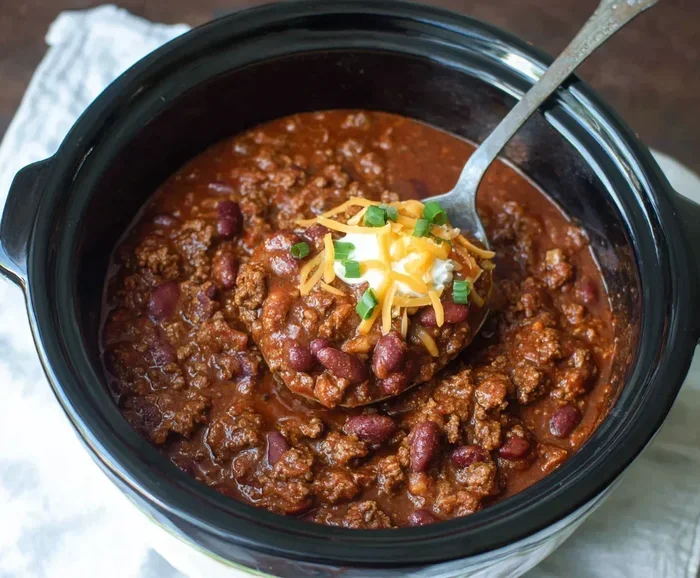
Are funny beans commonly used when making classic chili? The answer might surprise you. While many chili recipes rely on kidney beans, pinto beans, or black beans, the term “funny beans” has a unique place in chili history and regional cooking. In this guide, we break down what funny beans actually are, whether they belong in your classic chili, and how to pick the best beans for a rich, hearty bowl.
Let us talk about something that sparks big debates in kitchens everywhere: beans in chili. If you have ever wondered are funny beans commonly used when making classic chili, you are not alone. This question pops up in cooking forums, family dinner tables, and chili cook-offs across the country. The word “funny beans” might sound silly, but it carries real meaning in the world of chili making.
Chili is one of America’s most beloved comfort foods. Every family has its own recipe. Every region claims its version is the best. And at the center of many of these debates sits a simple question: should you put beans in it? When we add the term “funny beans” into the mix, things get even more interesting. So let us dive deep into this topic and find out everything you need to know.
Key Takeaways
- Funny beans are a colloquial term often used to describe pinto beans or other common chili beans in a playful way.
- Classic chili recipes vary by region, and bean usage depends on tradition, personal preference, and local ingredients.
- Pinto beans are the most popular choice for Texas-style and American classic chili.
- Kidney beans and black beans also appear frequently in chili, each adding a different texture and flavor.
- Using the right beans makes a big difference in the taste, texture, and overall quality of your chili.
- Soaking and cooking beans properly ensures they blend well with chili seasoning and meat.
- Bean choice is a personal decision, and there is no single “correct” bean for every chili recipe.
📑 Table of Contents
What Are Funny Beans, Exactly?
The term “funny beans” is not an official botanical name. It is not a scientific classification. Instead, it is a casual, playful way people refer to beans in cooking conversations. In many households, calling beans “funny beans” is a term of endearment. Kids grow up hearing “add the funny beans to the pot” and carry that language into adulthood.
Most of the time, when someone says funny beans, they mean pinto beans. Pinto beans are creamy, mild, and perfect for soaking up chili spices. They break down slightly during cooking, which gives chili its thick, hearty texture. In some regions, funny beans might also refer to kidney beans or black beans, depending on local traditions.
What makes these beans “funny” is not their appearance or taste. It is the charm of the word itself. The term adds warmth and personality to cooking. It turns a simple pantry staple into something that feels like home. When you hear someone talk about funny beans, they are usually talking about the everyday beans that form the backbone of a great pot of chili.
Where Did the Term Come From?
The origin of “funny beans” is a bit fuzzy, just like a good slow-cooked chili. Some food historians believe the term emerged from Southern American cooking slang. Others think it started as a playful way to describe beans that look a little funny when they swell during soaking. Whatever the origin, the phrase has stuck around and become part of home cooking vocabulary across the United States.
The History of Beans in Classic Chili
Chili has a long and colorful history. Early versions of chili con carne date back to the 1800s in Texas and Northern Mexico. These original recipes were simple. They used dried chili peppers, meat, and spices. Beans were not always part of the original equation. In fact, many traditional Texas chili recipes are known as “chili no beans.”
But as chili spread across America, beans found their way into the pot. Immigrant communities brought their own legume traditions. Mexican cooks introduced pinto beans. Southern cooks added kidney beans. Over time, beans became a standard ingredient in most American chili recipes. Today, if you walk into a chili cook-off, you will see both bean lovers and purists side by side.
The question are funny beans commonly used when making classic chili really comes down to this history. Beans are not ancient to chili, but they are deeply embedded in the American version of the dish. Whether you call them funny beans, chili beans, or just plain beans, they have earned their place in the pot.
Texas-Style Chili vs. Other Regional Styles
Texas is famous for its no-beans chili tradition. A true Texas chili, according to many locals, contains no beans at all. The focus is entirely on the meat, the chili peppers, and the spices. This style is called “chili con carne” in its purest form.
But move beyond Texas, and the story changes. In Cincinnati, chili is served over spaghetti and often includes kidney beans. In the Midwest, chili recipes frequently feature pinto beans or a mix of beans. In the Southwest, you might find black beans alongside the traditional ingredients. Each region has its own take, and each take shapes how people answer whether funny beans belong in classic chili.
Common Bean Varieties Used in Chili
Not all beans are created equal when it comes to chili. Different varieties bring different textures, flavors, and nutritional benefits. Let us look at the most common beans you will find in a classic pot of chili.
Pinto Beans
Pinto beans are the undisputed champion of chili beans. They are medium-sized, speckled, and turn a beautiful creamy pink when cooked. Their mild flavor lets the chili spices shine. Pinto beans also break down during cooking, which helps thicken the broth and create that rich, velvety texture chili lovers crave.
If you are asking are funny beans commonly used when making classic chili, pinto beans are most likely what people mean. They are the go-to bean for a reason. They are affordable, widely available, and incredibly versatile.
Kidney Beans
Kidney beans are another popular choice. They hold their shape well during cooking, which gives chili a more textured bite. Red kidney beans are the most common variety used in chili. They have a slightly earthy flavor that pairs well with bold spices and tomato-based sauces.
Many canned chili recipes rely on kidney beans. If you have ever opened a can of store-bought chili, there is a good chance kidney beans were inside. They are sturdy, they cook evenly, and they mix well with other ingredients.
Black Beans
Black beans bring a slightly sweeter, more robust flavor to chili. They are popular in Southwestern and Mexican-inspired chili recipes. Black beans hold their shape better than pinto beans, so they add a nice contrast in texture. They also give chili a striking dark color that looks beautiful in the bowl.
Some cooks use a blend of pinto and black beans to get the best of both worlds. The creamy texture of pintos combined with the firm bite of black beans creates a complex, satisfying chili.
Navy Beans and Great Northern Beans
These smaller white beans are less common in chili but still show up in some recipes. Navy beans are tiny and absorb flavors very well. Great Northern beans are slightly larger and have a delicate, nutty taste. If you want a lighter, more subtle bean flavor in your chili, these are worth trying.
Why Beans Matter in Chili
Beans do more than just add color to your chili. They play several important roles that affect the final dish. Understanding why beans matter can help you make better choices in the kitchen.
Texture and Thickness
Beans release starch as they cook. This starch naturally thickens the chili broth. Pinto beans, in particular, break down and create a creamy base that binds all the flavors together. Without beans, chili can taste thinner and less cohesive.
Protein and Nutrition
Beans are a powerhouse of nutrition. They are packed with protein, fiber, and essential minerals like iron and potassium. Adding beans to chili turns a simple meat dish into a complete, balanced meal. For vegetarians and vegans, beans are the star of the show, replacing meat entirely and still delivering bold, satisfying flavor.
Many people who focus on fitness and nutrition turn to bean-based meals for their high protein content. If you are building muscle with the best exercises to do with dumbbells, a protein-rich bowl of chili with beans makes an excellent post-workout meal. Beans provide sustained energy and help with muscle recovery.
Flavor Absorption
Beans are like sponges. They soak up the flavors of the spices, the tomatoes, and the meat broth. This means every bean in your chili carries a burst of seasoning. The longer the chili simmers, the more the beans absorb and the richer the overall taste becomes.
Affordability and Accessibility
Let us be honest. Beans are cheap. A bag of dried pinto beans costs just a few dollars and yields many servings. Canned beans are even more convenient. This makes chili an affordable meal option for families on any budget. Adding beans stretches the meat further, so you can feed more people without breaking the bank.
How to Choose the Right Beans for Your Chili
Now that you know the common bean varieties, how do you pick the right ones? The answer depends on your personal taste, your recipe, and what you are aiming for in your chili.
Dried Beans vs. Canned Beans
Dried beans require soaking and longer cooking time, but they offer a richer, more authentic flavor. Canned beans are convenient and ready to use, but they can be softer and sometimes carry added sodium. If you have the time, dried beans are the better choice for a truly classic chili.
If you are using canned beans, look for low-sodium options. You can always add salt later, but you cannot take it away once the beans are in the pot.
Matching Beans to Your Chili Style
Think about the style of chili you want to make. For a thick, Texas-style chili, pinto beans are your best bet. For a Cincinnati-style chili, kidney beans are traditional. For a Southwestern chili with more complex flavors, try a mix of pinto and black beans.
There is no wrong answer here. The beauty of chili is that it is customizable. You can experiment with different beans until you find the combination that feels just right.
Quick Tips for Perfect Beans in Chili
- Soak dried beans overnight before adding them to your chili.
- Add beans in the last 30 to 60 minutes of cooking to prevent them from turning to mush.
- Use about one to two cups of beans per pound of meat for the best balance.
- Season the beans separately before adding them to the pot for deeper flavor.
- If you want a smoother chili, use pinto beans and let them break down during cooking.
- For a chunkier chili, add kidney beans in the last 20 minutes of simmering.
Beans and an Active Lifestyle
Chili with beans is not just a comfort food. It is a practical, nutrient-dense meal that fits well into an active lifestyle. Whether you are hitting the gym regularly or just staying active at home, beans provide the fuel your body needs.
If you are someone who trains at home, you might already have the best resistance bands for home workouts set up in your living room. After a tough session, a warm bowl of chili with beans replenishes your energy and helps your muscles recover. The combination of protein and complex carbohydrates in beans makes it an ideal post-exercise meal.
For those dealing with soreness or discomfort, beans also offer anti-inflammatory benefits. They are rich in magnesium and potassium, which support muscle recovery. Some people even pair their chili with gentle exercises like kettlebell swings for lower back pain relief to stay active while healing. The protein in beans supports this kind of active recovery beautifully.
As you progress in your fitness journey and start wondering when should I increase the weight of my dumbbells, remember that your nutrition needs to grow too. Beans are an easy, affordable way to boost your protein intake alongside heavier training sessions.
Common Mistakes When Adding Beans to Chili
Even experienced cooks make mistakes with beans in chili. Here are a few pitfalls to avoid so your chili turns out perfect every time.
Adding Beans Too Early
If you add beans too early in the cooking process, they can turn to mush. This makes your chili lose its texture and become overly thick. Add beans during the last 30 to 60 minutes of simmering for the best results.
Using the Wrong Bean Variety
Not every bean works well in every chili recipe. Using a bean that is too firm or too starchy can throw off the balance of your dish. Stick to the varieties we discussed above, and your chili will turn out great.
Skipping the Soak
If you are using dried beans, do not skip the soaking step. Soaking reduces cooking time and helps the beans cook evenly. Unsoaked beans can remain hard in the center even after long cooking, which ruins the texture of your chili.
Overloading the Pot
More beans do not always mean better chili. Too many beans can overwhelm the meat and spice flavors. A good rule of thumb is to use beans as a complement, not the main event. Aim for a balance where beans and meat share the spotlight.
Final Thoughts
So, are funny beans commonly used when making classic chili? The answer is a resounding yes. Funny beans, which most often refers to pinto beans and sometimes kidney or black beans, are a staple in countless chili recipes across America. They add texture, nutrition, and heartiness that few other ingredients can match.
Whether you are a purist who prefers your chili without beans or a bean enthusiast who cannot imagine a bowl without them, there is no denying the role beans play in the chili world. They bring families together. They fill bellies. They turn a simple pot of meat and spices into a comforting masterpiece.
Next time you make chili, give funny beans a try if you have not already. Experiment with different varieties. Find the combination that makes your taste buds happy. And remember, the best chili is the one you enjoy eating. So grab your beans, fire up the stove, and get cooking.
Chili is more than just a recipe. It is a tradition. It is a comfort. And beans, funny or not, are a big part of that tradition. Embrace them, love them, and let them make your chili the best it can be.
Frequently Asked Questions
What are funny beans in chili?
Funny beans is a casual, affectionate term for common chili beans, especially pinto beans. It is not a specific bean variety but rather a playful way people refer to the beans they toss into their chili pot. The term is most often used in home cooking and family kitchens across the United States.
Are funny beans the same as pinto beans?
Most of the time, yes. When people say funny beans, they are usually talking about pinto beans. Pinto beans are the most popular bean used in classic American chili. They have a mild flavor, creamy texture, and they break down beautifully during cooking, which helps thicken the chili.
Can you use any beans in chili?
Absolutely. While pinto beans are the most traditional choice, you can use kidney beans, black beans, navy beans, or any bean you prefer. The best bean for your chili depends on your personal taste and the regional style you are aiming for. Experiment with different varieties to find your favorite.
Do you have to use beans in chili?
No, beans are completely optional. Traditional Texas chili, for example, is made without any beans at all. The decision to include beans is a matter of personal preference and regional tradition. Some people love beans in their chili, while others prefer a purist, no-bean version.
How do beans affect the texture of chili?
Beans add body and thickness to chili. As they cook, they release starch that naturally thickens the broth. Pinto beans break down more easily, creating a creamier texture. Kidney beans hold their shape better and add a firmer bite. The bean variety you choose directly impacts the final consistency of your chili.
Are canned beans okay for chili?
Yes, canned beans work perfectly fine for chili. They are convenient and save a lot of preparation time. Just rinse them before adding to reduce sodium content. If you have the time and prefer a deeper flavor, dried beans that you soak and cook yourself are the better option.
=== CONCLUSION ===
Are funny beans commonly used when making classic chili? Yes, they absolutely are. From pinto beans to kidney beans, these humble legumes have become a cornerstone of chili recipes across the country. Whether you call them funny beans, chili beans, or just plain beans, they bring nutrition, flavor, and comfort to every bowl. So the next time you are standing in front of the stove, stirring your chili, remember that beans are not just an ingredient. They are a tradition. And they are here to stay.

Similar Posts