Can You Use Dumbbells Instead of Barbells 2
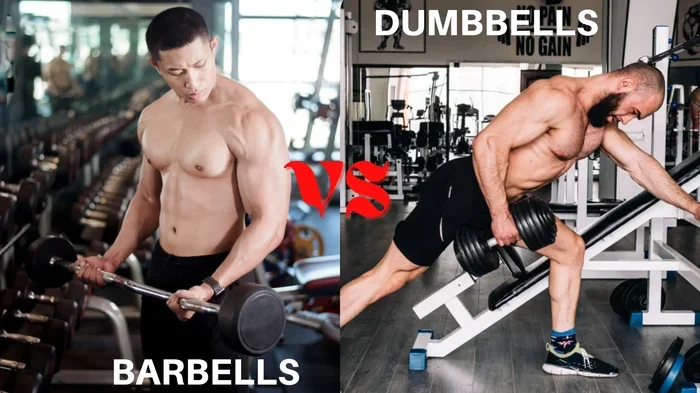
Can You Use Dumbbells Instead of Barbells 2 explores whether dumbbells can fully replace barbells for strength training. You will learn the key differences, which exercises swap easily, and how to build a balanced routine with just dumbbells. This guide gives you practical tips, common mistakes to avoid, and expert insights for home gym success.
When you walk into any gym, the first thing you notice is the long row of barbells lined up on the squat rack. They look powerful. They look essential. But here is the question that keeps popping up in home gyms everywhere: can you use dumbbells instead of barbells 2?
The short answer is yes. You absolutely can. But the full answer is a little more nuanced. Barbells and dumbbells each bring something unique to the table. Some exercises feel better with a barbell. Others feel safer and more effective with dumbbells. And for a lot of people, dumbbells alone can deliver incredible results.
Whether you are building a home gym on a budget, recovering from an injury, or just looking for more variety, this guide will walk you through everything you need to know. We will cover the differences, the best swap exercises, and how to make sure you are not leaving gains on the table.
Key Takeaways
- Dumbbells offer more freedom of movement: They allow each arm to work independently, which helps fix muscle imbalances.
- Barbells are better for heavy lifting: If you want to lift very heavy weights, barbells still have the edge for compound movements like squats and deadlifts.
- Most barbell exercises have dumbbell alternatives: You can swap bench press, rows, shoulder press, and more with dumbbells effectively.
- Dumbbells are more space-friendly: They take up less room and are ideal for small home gyms.
- Progressive overload works with both: You can still build muscle and get stronger using dumbbells alone.
- Form matters more with dumbbells: Since each arm works alone, you need to focus on controlled movement and proper technique.
📑 Table of Contents
- Dumbbells vs Barbells: What Is the Real Difference?
- Can Dumbbells Replace Barbells for Strength Training?
- Best Exercises to Swap From Barbell to Dumbbell
- How to Build a Full Workout With Just Dumbbells
- Common Mistakes People Make When Swapping Barbells for Dumbbells
- Expert Tips for Maximizing Dumbbell Workouts
- So, Can You Really Use Dumbbells Instead of Barbells?
Dumbbells vs Barbells: What Is the Real Difference?
Before we dive into swaps and substitutions, let us understand what makes these two tools different. They may both be free weights, but they work your body in very different ways.
What Is a Barbell?
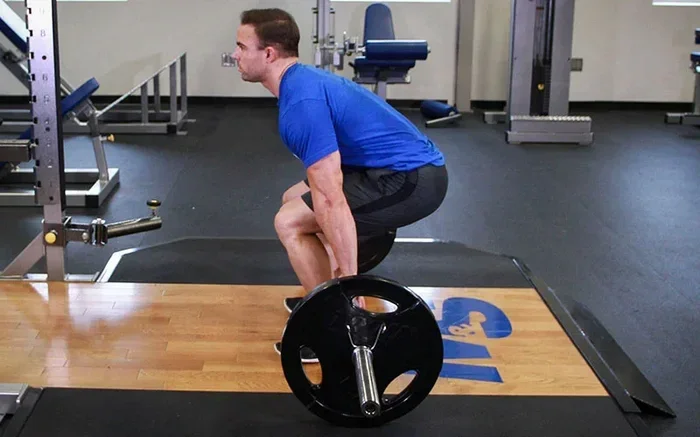
A barbell is a long metal bar with weight plates loaded on each end. It is designed for two-handed exercises. The barbell lets you load a lot of weight, which makes it perfect for building raw strength. Think of moves like the barbell squat, bench press, deadlift, and overhead press. These are the big compound movements that form the backbone of most strength programs.
What Is a Dumbbell?
A dumbbell is a short bar with a weight on each end. You hold one in each hand. Dumbbells allow each arm to work independently. This means your weaker side cannot hide behind your stronger side. Dumbbells are incredibly versatile. You can use them for both compound movements and isolation exercises. They are also much easier to store and safer to use without a spotter.
Can Dumbbells Replace Barbells for Strength Training?
This is the big question. And the answer depends on your goals. Let us break it down.
Where Dumbbells Shine
Dumbbells are fantastic for building muscle and improving functional strength. Because each arm works on its own, you naturally fix imbalances. If your left arm is weaker than your right, dumbbells force that arm to catch up. Barbells let the strong arm take over, which can hide weaknesses over time.
Dumbbells also offer a greater range of motion in many exercises. For example, during a dumbbell bench press, your arms can travel further down than they can with a barbell. This deeper stretch can lead to better muscle activation and growth.
They are also much safer for solo lifters. If you are training alone at home, dropping a heavy barbell on your chest is a real risk. Dumbbells, on the other hand, you can simply let drop to the side if you get into trouble.
Where Barbells Still Win
Barbells are still king when it comes to loading the most weight possible. If your goal is to get as strong as possible on big lifts like the squat or deadlift, a barbell is hard to beat. You can stack hundreds of pounds on a barbell, but dumbbells usually max out around 50 to 100 pounds per hand.
Barbells also provide more stability for heavy compound lifts. The bar connects both arms, which means your core and stabilizing muscles work differently. For heavy squatting and deadlifting, that barbell stability can be a major advantage.
If you are an advanced lifter chasing maximal strength numbers, you will likely still need a barbell at some point. But for the vast majority of people, dumbbells can handle 90 percent of their training needs.
Best Exercises to Swap From Barbell to Dumbbell
Here is where things get exciting. Most popular barbell exercises have a dumbbell version that works just as well, if not better. Let us go through the top swaps.
Dumbbell Bench Press Instead of Barbell Bench Press
The dumbbell bench press is one of the best barbell alternatives out there. It hits your chest, shoulders, and triceps just like the barbell version. Plus, the dumbbell version allows a natural arc of motion for your shoulders, which can reduce injury risk.
To do it, lie on a flat bench with a dumbbell in each hand. Press them up until your arms are fully extended. Lower them slowly and repeat. You can also adjust the bench to an incline or decline to target different parts of your chest.
Dumbbell Row Instead of Barbell Row
The dumbbell row is a great swap for the barbell bent-over row. It targets your back, lats, and biceps. Because each arm works independently, you can focus on squeezing the back muscle on each rep.
Place one hand and knee on a bench. Hold a dumbbell in the other hand and pull it up to your hip. Lower it slowly. This exercise is a favorite among home gym owners for a reason.
Dumbbell Shoulder Press Instead of Barbell Overhead Press
The barbell overhead press builds big shoulders, but the dumbbell shoulder press does the same thing with less stress on your rotator cuff. You can press the dumbbells up at a slight angle, which feels more natural for many lifters.
Dumbbell Squat Instead of Barbell Squat
You can absolutely squat with dumbbells. Holding dumbbells at your sides or pressing them overhead challenges your legs just as much as a barbell squat. The goblet squat, where you hold one dumbbell at your chest, is a particularly effective option.
If you want to learn more about building a complete routine with just dumbbells, check out can you build a good body with just dumbbells for more ideas.
How to Build a Full Workout With Just Dumbbells
One of the biggest concerns people have is whether they can get a full-body workout with only dumbbells. The answer is a resounding yes. You do not need a barbell to build muscle, burn fat, or get stronger.
Sample Full-Body Dumbbell Routine
Here is a simple routine you can try at home:
- Goblet Squats: 3 sets of 12 reps
- Dumbbell Bench Press: 3 sets of 10 reps
- Dumbbell Rows: 3 sets of 10 reps per arm
- Dumbbell Shoulder Press: 3 sets of 10 reps
- Dumbbell Lunges: 3 sets of 12 reps per leg
- Dumbbell Deadlift: 3 sets of 10 reps
This routine covers your entire body using only dumbbells. You can do it three times per week with a rest day between sessions. Over time, you can increase the weight or add more sets to keep challenging your muscles.
Progressive Overload With Dumbbells
A common concern is whether you can apply progressive overload with dumbbells. Progressive overload means gradually increasing the stress on your muscles over time. With barbells, you simply add more weight plates. With dumbbells, it is a bit trickier but still very possible.
You can increase the weight when the current dumbbell feels easy. You can also add more reps, more sets, or slower tempos. Another trick is to use a grip change, like holding the dumbbell in the center instead of the end, to make the same weight feel harder.
Common Mistakes People Make When Swapping Barbells for Dumbbells
Making the switch from barbell to dumbbell training is not always smooth. Here are some mistakes to watch out for.
Skipping the Heavy Stuff
Some lifters feel like dumbbell exercises are not “real” workouts because the weights are lighter. This is a mistake. Dumbbells can build just as much muscle as barbells when you train with intensity and consistency. Focus on form, squeeze the muscle, and push yourself.
Neglecting Legs
It is easy to go heavy on upper body exercises with dumbbells and forget about your legs. But your legs are the biggest muscle group in your body. Make sure you include squats, lunges, and deadlifts in your routine. Your overall strength and hormone response depend on it.
Poor Form From Ego Lifting
Dumbbells can wobble and shift more than barbells. This tempts people to use bad form to lift heavier. Always choose a weight where you can control the movement. Swinging or jerking the weight not only reduces results but also increases injury risk.
Expert Tips for Maximizing Dumbbell Workouts
Want to get the most out of your dumbbell training? Here are some tips from experienced lifters and coaches.
- Use a slow tempo: Lower the weight for 3 seconds, pause for 1 second, and press up for 1 second. This time under tension builds more muscle.
- Train each side equally: Always match your reps on both arms. If your left arm does 10 reps, your right arm should do 10 too.
- Invest in adjustable dumbbells: They save space and money. You can quickly change weights between sets without switching pairs.
- Pair dumbbells with bodyweight exercises: Add push-ups, pull-ups, and planks to round out your routine without needing a barbell.
- Rest properly: Give your muscles 48 to 72 hours to recover between workouts targeting the same muscle group.
So, Can You Really Use Dumbbells Instead of Barbells?
The answer is yes, for most people, most of the time. Can you use dumbbells instead of barbells 2 is not just a question about equipment. It is a question about your goals, your space, and your training style.
If you are building a home gym, training solo, or just want more variety, dumbbells are a fantastic choice. They offer freedom, safety, and versatility that barbells simply cannot match. You can build muscle, get strong, and improve your overall fitness with dumbbells alone.
That said, if your main goal is maximal strength on big lifts like the squat or deadlift, a barbell still has a place. But for the average person looking to stay fit and build a strong body, dumbbells are more than enough.
Start with the swaps we covered in this article. Build a routine you enjoy. Stay consistent. The results will follow. And remember, the best equipment is the one you actually use.
For more ideas on how to get a complete workout without a barbell, check out what can I use instead of barbell at home and can I do dumbbell bench press instead of barbell for specific exercise breakdowns.
Frequently Asked Questions
Can dumbbells replace barbells for muscle building?
Yes, dumbbells can absolutely replace barbells for muscle building. They allow independent arm movement, which helps fix imbalances and provides a greater range of motion. Many lifters build impressive physiques using only dumbbells for their entire training.
Are dumbbells safe to use without a spotter?
Dumbbells are generally much safer than barbells when training alone. If you get stuck on a dumbbell press, you can simply drop the weights to the side. With a barbell, you risk getting pinned under heavy weight. Always use controlled movements and choose appropriate weights.
Can you get as strong with dumbbells as with barbells?
For most people, yes. You can build significant strength with dumbbells alone. However, if your goal is to lift maximal weight on specific barbell lifts like the squat or deadlift, you will eventually need to train with a barbell. For general strength and fitness, dumbbells are more than sufficient.
What is the best dumbbell weight for beginners?
Start with a weight that allows you to complete 10 to 12 reps with good form. For most beginners, this means a pair of 10 to 20 pound dumbbells for upper body exercises and 20 to 40 pounds for lower body exercises. You should be able to finish your sets without losing control of the movement.
How often should I train with dumbbells to see results?
Training three to four times per week with dumbbells is enough to see noticeable results. Focus on hitting all major muscle groups each week. Consistency matters more than the specific equipment you use. Stay committed, track your progress, and increase weight or reps over time.
Can I do deadlifts with dumbbells instead of a barbell?
Yes, you can perform dumbbell deadlifts as an alternative to barbell deadlifts. Hold a dumbbell in each hand and hinge at the hips while keeping your back straight. Dumbbell deadlifts work your hamstrings, glutes, and lower back. They are a great option for home workouts where a barbell is not available.
=== CONCLUSION ===
Can you use dumbbells instead of barbells 2? Without a doubt. Dumbbells are one of the most versatile and effective tools you can have in your home gym. They let you build muscle, get stronger, and improve your fitness without needing a full set of heavy bars and plates.
The key is to train smart. Focus on proper form, progressive overload, and consistency. Swap out barbell exercises for dumbbell versions where it makes sense, and do not worry about leaving gains behind. With the right approach, dumbbells alone can take you a long way on your fitness journey.