How Long Does a Treadmill Stress Test Last
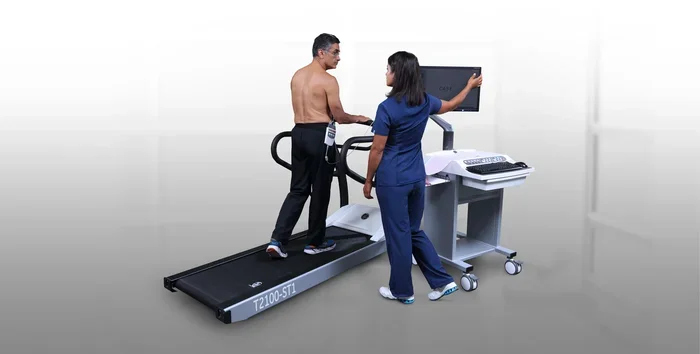
A treadmill stress test typically lasts between 45 and 90 minutes total. The actual exercise portion usually runs 7 to 12 minutes, but the full appointment includes preparation, monitoring, and recovery time. Understanding each phase helps you feel confident and ready for your treadmill stress test.
Key Takeaways
- A standard treadmill stress test takes 45 to 90 minutes from start to finish, though the exercise portion is much shorter.
- The exercise phase typically lasts 7 to 12 minutes, following a structured protocol like the Bruce protocol.
- Preparation and recovery add significant time to the overall appointment, so plan accordingly.
- Several factors can extend or shorten the test, including your fitness level, age, and the specific protocol used.
- Knowing what to expect reduces anxiety and helps you get the most accurate results.
- Proper preparation including avoiding caffeine and wearing the right clothing improves your test experience.
📑 Table of Contents
How Long Does a Treadmill Stress Test Last?
If your doctor has recommended a treadmill stress test, you probably have one big question: how long will it take? The short answer is that a full cardiac stress test appointment typically runs between 45 and 90 minutes. But the actual time you spend walking or running on the treadmill is much shorter. Most people exercise for only 7 to 12 minutes during the active portion of the test.
Why such a big gap between total time and exercise time? Because a stress test involves several important phases. You need time to get changed, hooked up to monitoring equipment, walked through the procedure, and monitored during recovery. Each of these steps matters for getting accurate stress test results.
This article breaks down every phase of the treadmill stress test duration. You will learn exactly what happens, how long each part takes, and how to prepare so everything goes smoothly. Let us walk through it together.
What Happens During a Treadmill Stress Test?
A treadmill stress test is a cardiovascular assessment that measures how your heart responds to exercise. Also called an exercise tolerance test, it helps doctors evaluate blood flow, heart rhythm, and overall heart health under physical stress.
The test follows a clear structure with distinct phases. Understanding each one gives you a realistic picture of the stress test procedure and helps you feel prepared.
Phase 1: Preparation (10 to 20 Minutes)
When you arrive, a technician will check you in and walk you through the stress test steps. You will change into comfortable clothing and have small electrode patches placed on your chest. These connect to an electrocardiogram (ECG) machine that tracks your heart rhythm throughout the test.
The technician will also attach a blood pressure cuff to your arm and place a pulse oximeter on your finger. This setup is quick and painless. It usually takes about 10 to 20 minutes to get everything in place and ready to go.
Phase 2: Baseline Resting Measurements (5 to 10 Minutes)
Before you step on the treadmill, the team records your resting heart rate and blood pressure. They may also ask you to stand on the treadmill briefly without moving. This gives them a baseline to compare against your exercise data.
This phase is short but essential. Without accurate resting numbers, the doctor cannot properly interpret your exercise stress test results.
Phase 3: The Exercise Protocol (7 to 12 Minutes)
This is the core of the test. You start walking on the treadmill at a slow pace. The speed and incline increase gradually every few minutes. The most common protocol used is called the Bruce protocol, which ramps up difficulty in stages.
You continue exercising until you reach your target heart rate, feel exhausted, or the medical team decides to stop the test. For most people, this active phase lasts between 7 and 12 minutes. Your fitness level plays a big role here. People with higher endurance may exercise longer, while those just starting out may stop sooner.
Phase 4: Recovery and Cool Down (10 to 15 Minutes)
After you stop exercising, you walk slowly on the treadmill or stand while the team monitors your heart rate and blood pressure as they return to normal. This stress test recovery time is important because it shows how well your heart handles the transition from exertion to rest.
The recovery phase typically lasts 10 to 15 minutes. The medical team watches for any irregular heart rhythms or unusual drops in blood pressure during this window.
Factors That Affect Treadmill Stress Test Duration
The standard treadmill stress test duration gives you a general idea, but your actual experience may vary. Several factors influence how long your specific appointment takes.
Your Fitness Level
Fit individuals often exercise longer during the treadmill portion. This means the exercise phase may stretch closer to 12 minutes or slightly beyond. Less active individuals may reach their target sooner, shortening the exercise portion.
The Protocol Used
Not all stress tests use the same protocol. The Bruce protocol is the most common, but some facilities use modified versions or alternative exercise protocols. Each protocol has a different pace and structure, which affects total time.
Additional Imaging Tests
Sometimes a nuclear stress test or stress echocardiogram is performed alongside the treadmill portion. These imaging tests add extra time because they require radioactive tracer injection or ultrasound imaging before and after exercise. In these cases, the total appointment can stretch to 2 to 3 hours.
Your Overall Health
If you have existing heart conditions, the medical team may take extra precautions. They might stop the test earlier or monitor you more closely during recovery. This careful approach adds time but ensures your safety throughout the cardiac stress test.
How to Prepare for Your Treadmill Stress Test
Proper preparation makes a big difference in how smoothly your treadmill stress test goes. Follow these practical tips to set yourself up for success.
What to Wear
Wear comfortable, breathable exercise clothing and supportive athletic shoes. You will be walking and running on a treadmill, so dress as if you are going to a gym session. Avoid restrictive clothing or accessories that might interfere with the electrodes or your movement.
What to Avoid Before the Test
Skip caffeine for at least 12 hours before your appointment. Caffeine can affect your heart rate and skew your results. Avoid eating a heavy meal within two hours of the test. A light snack is fine if you feel hungry.
If you take any medications, ask your doctor whether you should take them as usual or hold off temporarily. Some medications, especially beta blockers, can affect how your heart responds to exercise.
What to Bring
Bring your insurance card, photo ID, and any paperwork your doctor provided. A water bottle is helpful too, especially for the recovery phase. Leave valuables at home to keep things simple and stress-free.
What to Expect After the Test
Once the stress test is complete, the medical team will remove the electrodes and give you a few minutes to hydrate and rest. Most people feel fine immediately after the test and can drive themselves home.
Your doctor will review the results and discuss them with you, either the same day or at a follow-up appointment. The stress test results can reveal important information about your heart health, including any areas of reduced blood flow or irregular heart rhythms during exercise.
It is normal to feel a little tired after the test, especially if you pushed yourself during the exercise phase. This fatigue passes quickly, and most people return to their normal activities within an hour.
Common Questions About Treadmill Stress Test Timing
Many people have questions about the logistics of their treadmill stress test appointment. Here are answers to the most common ones.
Can I drink water before the test? Yes, drinking water is generally fine. Staying hydrated is important, but avoid large amounts right before the test. For more specific guidance, check out this article on what you can drink before a treadmill stress test.
Should I avoid coffee beforehand? Absolutely. Caffeine stimulates your heart and can interfere with accurate results. Most facilities recommend avoiding all caffeine for 12 to 24 hours before your cardiac stress test. For more details on this, see our guide on drinking coffee before a treadmill stress test.
Can I eat before the test? Light meals are usually fine, but avoid heavy or rich foods within two hours of your appointment. A small snack with water is a safe choice.
What if I cannot exercise long enough? Some people cannot reach their target heart rate through exercise alone. In these cases, the doctor may use medication to simulate the effects of exercise on your heart. This is called a pharmacologic or chemical stress test. You can learn more about the differences in our article on chemical versus treadmill stress tests.
Final Thoughts
A treadmill stress test is a quick, safe, and valuable tool for assessing your heart health. The total appointment time of 45 to 90 minutes is well worth the peace of mind you gain from knowing how your heart performs under stress.
The exercise portion itself is short, typically just 7 to 12 minutes. But the preparation, baseline measurements, and recovery monitoring round out the experience and ensure your doctor gets reliable data. By following the preparation tips in this guide, you can walk into your appointment feeling informed, confident, and ready.
Remember, your doctor ordered this test to take care of you. Understanding the treadmill stress test duration and process removes the mystery and helps you focus on what matters most: your heart health.