What Is the Weight of a Barbell Bar
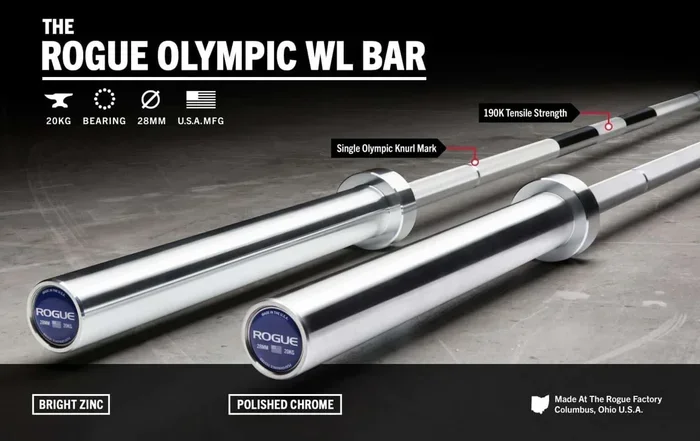
The weight of a barbell bar varies depending on the type, ranging from about 10 pounds for lightweight bars to 45 pounds for standard Olympic bars. A standard men’s Olympic barbell bar weighs 45 pounds (20 kg), while women’s bars typically weigh 33 pounds (15 kg). Understanding barbell bar weight helps you calculate your total lift and choose the right equipment for your fitness level.
If you have ever walked into a gym and wondered why some bars feel heavier than others, you are not alone. The weight of a barbell bar is one of those details that seems small but actually matters a lot. Whether you are a beginner just starting out or a seasoned lifter chasing new personal records, knowing how much your bar weighs helps you train smarter.
Not all bars are created equal. A standard Olympic barbell bar weighs 45 pounds, but that is just the starting point. Bars come in different sizes, materials, and designs, and each one carries a different weight. Some bars are built for speed, others for heavy lifting, and some are made specifically for certain types of exercises. In this guide, we will break down everything you need to know about barbell bar weight, so you can make informed choices at the gym.
We will cover standard bars, Olympic bars, Smith machine bars, and everything in between. By the end, you will know exactly what to look for and why it matters. Let us get into it.
Key Takeaways
- A standard Olympic barbell bar weighs 45 pounds (20 kg) and is the most common type used in gyms worldwide.
- Women’s Olympic bars are lighter at 33 pounds (15 kg), making them better suited for smaller hands and lighter lifters.
- Smith machine bars weigh less than free-weight bars, typically ranging from 15 to 25 pounds due to the counterbalance system.
- Barbell bar weight matters for accurate tracking of your total lift and for comparing your strength over time.
- The shaft diameter and sleeve rotation are key specs that affect performance and comfort during lifts.
- Always check the manufacturer’s specs before purchasing, as weights can vary between brands and models.
📑 Table of Contents
- What Is the Weight of a Barbell Bar?
- Standard Barbell Bar Weight
- Olympic Barbell Bar Weight
- Smith Machine Barbell Weight
- Factors That Affect Barbell Bar Weight
- How to Choose the Right Barbell Bar
- Common Mistakes When Thinking About Barbell Bar Weight
- Expert Insight: Why We Care About Bar Weight
- Final Thoughts
What Is the Weight of a Barbell Bar?
The weight of a barbell bar refers to the weight of the bare bar itself, without any plates loaded on it. This is also called the barbell bar weight or the empty bar weight. It is an important number because it forms the base of every lift you perform.
When you load plates onto a bar, your total lift weight equals the plate weight plus the bar weight. If you do not know the bar weight, your numbers will be off. Over time, this can mess up your progress tracking and make it harder to set realistic goals.
Here is a quick look at the most common barbell bar weights you will encounter:
- Standard Olympic bar: 45 pounds (20 kg)
- Women’s Olympic bar: 33 pounds (15 kg)
- Smith machine bar: 15 to 25 pounds (varies by machine)
- Light training bar: 10 to 15 pounds
- Heavy duty bar: 55 pounds or more
These numbers are general guidelines. Always check the specs from the manufacturer, as small differences can exist between models. Knowing these baseline weights is the first step toward accurate lifting.
Standard Barbell Bar Weight
The standard barbell bar is what most people picture when they think of weightlifting. It is the straight, rigid bar with knurling in the center and sleeves on each end. For men, the standard Olympic barbell bar weighs 45 pounds (20 kg). This is the bar you will find in almost every commercial gym and competition setting.
A standard bar is about 7.2 feet long and has a diameter of 28 millimeters in the shaft. The sleeves, which hold the weight plates, are typically 50 millimeters in diameter. These dimensions are part of the standard size of an Olympic barbell and are designed to work with standard Olympic weight plates.
The 45-pound weight is not random. It was chosen to align with the metric system, where 20 kilograms is the standard. This makes it easy to convert between units and keeps things consistent across international competitions.
Why Bar Weight Matters
You might be thinking, “Does the bar weight really matter?” The answer is yes. Here is why:
- Accurate tracking: Your training log needs to reflect the true weight you are lifting. Leaving out the bar weight means your records are incomplete.
- Progressive overload: To get stronger, you need to add weight gradually. Knowing the bar weight helps you calculate exactly how much you are adding each session.
- Competition prep: In powerlifting and Olympic lifting, every pound counts. Being precise with your numbers gives you a real edge on competition day.
- Form and confidence: Lifting an empty bar and knowing it weighs 45 pounds helps you build confidence with proper technique before loading it up.
If you want to learn more about how much the actual metal bar weighs, check out our detailed breakdown on how much the bar of a barbell weighs.
Olympic Barbell Bar Weight
The Olympic barbell is the gold standard in weight training. When people talk about a standard barbell, they are usually referring to the Olympic bar. The Olympic barbell bar weight is 45 pounds (20 kg) for men and 33 pounds (15 kg) for women.
Olympic bars are designed with rotating sleeves. This means the weight plates can spin freely on the bar, which reduces wrist and elbow strain during dynamic movements like cleans and snatches. The sleeves are a key part of the bar’s design and add a small amount to the overall length of the bar.
Here are some key specs of an Olympic barbell bar:
- Length: 86.6 inches (220 cm)
- Shaft diameter: 28 mm (men’s), 25 mm (women’s)
- Sleeve diameter: 50 mm
- Weight capacity: Typically 1,000 to 1,500 pounds
- Knurling: Center knurl for grip, with marks for hand placement
The standard size of an Olympic barbell is regulated by international federations like the International Weightlifting Federation (IWF). This ensures that bars used in competitions are consistent and fair for all athletes. If you are serious about your training, investing in a quality Olympic bar is a smart move.
For a deeper dive into Olympic barbell specifications, you can read our guide on the standard size of an Olympic barbell.
Smith Machine Barbell Weight
A Smith machine bar is different from a free-weight bar. Smith machines use a barbell that moves along a fixed track, and many of them have a counterbalance system. This means the weight of a Smith machine barbell is often much lighter than a standard free-weight bar.
The Smith machine barbell weight typically ranges from 15 to 25 pounds. Some models are even lighter, around 6 to 10 pounds, especially those with a counterbalance that offsets the bar’s actual weight. This is an important distinction because your Smith machine bar weight is not the same as a free Olympic bar.
Here is a quick comparison:
- Counterbalanced Smith machine bars: 6 to 15 pounds
- Non-counterbalanced Smith machine bars: 15 to 25 pounds
- Standard free-weight Olympic bar: 45 pounds
If you train mostly on a Smith machine, you should be aware that the bar weight is lower. This affects how you calculate your total lift. Always check the label on your machine or ask a gym staff member for the exact weight.
For a more complete guide on Smith machine bar weights, visit our what is the weight of a Smith machine barbell page.
Factors That Affect Barbell Bar Weight
Not all bars weigh the same. Several factors influence how heavy a barbell bar is. Understanding these factors helps you choose the right bar for your needs.
Material
The material used to make the bar plays a big role in its weight. Most standard bars are made from steel, which is strong and durable. Higher-end bars may use chrome-plated steel or stainless steel, which can add a small amount of weight due to the coating. Some specialty bars use aluminum or carbon fiber composites, which are lighter and designed for speed-based training.
Bar Diameter
The barbell diameter of the shaft affects both the feel and the weight. Thicker bars are generally heavier and harder to grip, which makes them great for building grip strength. Thinner bars are lighter and easier to hold for high-rep sets. Men’s bars are typically 28 mm, while women’s bars are around 25 mm.
Sleeve Type and Length
The sleeves are the ends of the bar where you load the plates. Longer sleeves can hold more plates, but they also add to the overall weight and length of the bar. Rotating sleeves are standard on Olympic bars and help with smooth lifts. Fixed sleeves are found on cheaper bars and do not spin, which can cause wrist strain.
Knurling and Grip
Knurling is the rough, crosshatched pattern on the bar that helps you grip it. While knurling itself does not add significant weight, the type and depth of the knurling can vary between bars. Aggressive knurling is common on powerlifting bars, while smoother knurling is found on Olympic lifting bars to protect the wrists during rapid movements.
Bar Length
Longer bars tend to be slightly heavier because they use more material. A standard Olympic bar is about 7.2 feet long, but training bars can be shorter or longer depending on the intended use. The barbell length directly affects the bar’s weight and its load capacity.
How to Choose the Right Barbell Bar
Choosing the right barbell bar depends on your goals, experience level, and the type of training you do. Here are some tips to help you decide.
Consider Your Training Style
If you focus on powerlifting with heavy squats, bench presses, and deadlifts, you want a heavy-duty barbell that can handle big loads. These bars are typically 45 pounds and have aggressive knurling for a secure grip.
If you do Olympic lifting or CrossFit-style workouts, look for a bar with rotating sleeves and a whip (slight flexibility) that helps with dynamic movements. These bars are also around 45 pounds but are engineered for speed and durability.
Think About Your Body Size
Smaller lifters, especially women, may benefit from a lighter women’s bar that weighs 33 pounds. The thinner shaft diameter makes it easier to grip, and the lighter weight reduces fatigue during long workouts.
Taller lifters with larger hands might prefer a thick-handled bar or a 29 mm barbell. These bars challenge your grip and build forearm strength over time.
Check the Weight Capacity
Every bar has a maximum weight capacity. This is the total amount of weight the bar can safely hold, including the bar itself. For home gyms, a bar with a 1,000-pound capacity is usually plenty. For commercial gyms or competitive training, look for bars rated at 1,500 pounds or higher.
Quick Tips for Picking a Bar
- Check the bar weight before buying. Do not assume it is 45 pounds.
- Test the knurling. Your hands will thank you during heavy sets.
- Look for sleeve rotation. This makes a big difference for Olympic lifts.
- Read reviews. Other lifters will tell you if a bar holds up over time.
- Match the bar to your plates. Make sure the sleeve diameter fits your plates correctly.
Choosing the right bar is one of the best investments you can make for your training. A good bar lasts for years and performs reliably through thousands of reps.
Common Mistakes When Thinking About Barbell Bar Weight
Even experienced lifters sometimes make mistakes when it comes to barbell bar weight. Here are a few to watch out for.
Assuming all bars weigh 45 pounds. This is the biggest mistake. Smith machine bars, light training bars, and specialty bars can all weigh very different amounts. Always verify the weight before you start your set.
Forgetting to include the bar in your calculations. Some people only count the plates and forget the bar itself. This leads to inaccurate training logs and unrealistic progress tracking.
Ignoring the bar’s condition. Over time, bars can bend, corrode, or lose their whip. A damaged bar may not perform the same way and could even be unsafe. Regularly inspect your bars for wear and tear.
Not considering sleeve rotation. If you do Olympic lifts, a bar with fixed sleeves will cause wrist pain and reduce your performance. Always choose a bar with proper sleeve rotation for dynamic movements.
Avoiding these mistakes will keep your training on track and your lifts accurate.
Expert Insight: Why We Care About Bar Weight
From a coaching perspective, knowing the barbell bar weight is foundational. When a new client walks into our gym, one of the first things we teach them is to always account for the bar. It sounds simple, but it makes a huge difference in how they approach their training.
When you know your bar weighs 45 pounds, you can break down your lifts into manageable jumps. For example, if you are benching 135 pounds total, you know that is 90 pounds of plates plus the 45-pound bar. This mental math becomes second nature over time and helps you stay precise.
We also recommend that lifters at every level test their max on the empty bar first. This builds confidence, confirms your form, and gives you a baseline to work from. It is a simple habit that pays off in the long run.
Final Thoughts
The weight of a barbell bar is more than just a number on a label. It is a fundamental part of your training that affects your calculations, your progress, and your safety. A standard Olympic bar weighs 45 pounds, women’s bars weigh 33 pounds, and Smith machine bars can range from 6 to 25 pounds depending on the model.
By understanding these weights and the factors that influence them, you can train with confidence and precision. Whether you are a beginner learning the basics or an advanced lifter chasing new records, always know how much your bar weighs. It is one of the simplest yet most powerful habits you can build in the gym.
Take the time to check your bar’s weight, log it in your training journal, and make it a part of your routine. Small details like this add up to big results over time. Happy lifting!
Frequently Asked Questions
What is the standard weight of a barbell bar?
The standard weight of a barbell bar is 45 pounds (20 kg) for men’s Olympic bars. Women’s Olympic bars typically weigh 33 pounds (15 kg). Smith machine bars can vary widely, usually ranging from 15 to 25 pounds.
Does the barbell bar weight count toward my total lift?
Yes, absolutely. The barbell bar weight is part of your total lift weight. When you calculate your one-rep max or track your progress, always include the bar weight along with the plates you have loaded.
Why is a Smith machine bar lighter than a free-weight bar?
Smith machines often use a counterbalance system that offsets the weight of the bar. This makes the bar feel lighter and easier to move, especially for beginners. The actual bar weight can range from 6 to 25 pounds depending on the machine design.
Can barbell bar weight vary between brands?
Yes, barbell bar weight can vary slightly between brands and models. While the standard Olympic bar is 45 pounds, some manufacturers may produce bars that are a pound or two off. Always check the manufacturer’s specifications before purchasing.
What is the weight of a women’s barbell bar?
A women’s Olympic barbell bar typically weighs 33 pounds (15 kg). These bars have a thinner shaft diameter of about 25 mm, making them easier to grip for lifters with smaller hands.
How do I find the exact weight of my gym barbell bar?
Check the manufacturer’s label on the bar, look up the gym equipment specs online, or ask a gym staff member. Most commercial gyms keep equipment specifications available for members who want to know the exact barbell bar weight.