What Is the Weight of an Empty Barbell
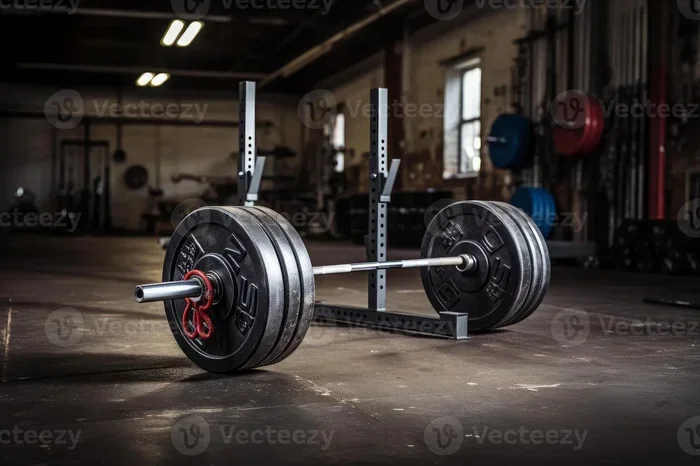
Knowing what is the weight of an empty barbell is essential for every lifter. A standard empty barbell typically weighs 20 pounds (9 kg), while an Olympic barbell usually weighs 45 pounds (20.4 kg). Understanding these numbers helps you program workouts correctly, track progressive overload, and lift safely.
Key Takeaways
- Standard barbell: An empty standard barbell usually weighs around 20 pounds (9 kg), though some cheaper models can be lighter.
- Olympic barbell: The classic empty Olympic barbell weighs 45 pounds (20.4 kg) and is the gold standard for serious training.
- Smith machine bars: These often weigh between 15 and 25 pounds, depending on the brand and model.
- Why it matters: Knowing your bar weight helps you track load accurately and avoid under- or over-training.
- How to measure: Use a scale or check the manufacturer specs for the most reliable numbers.
📑 Table of Contents
- What Is the Weight of an Empty Barbell
- Why Knowing Your Barbell Weight Matters
- Standard Empty Barbell Weight
- Olympic Empty Barbell Weight
- Smith Machine Barbell Weight
- How to Measure Your Barbell Weight Accurately
- Barbell Weight Chart for Reference
- Common Mistakes Lifters Make With Barbell Weight
- Expert Insights on Choosing the Right Barbell
- Final Thoughts on Empty Barbell Weight
What Is the Weight of an Empty Barbell
If you have ever stepped into a gym or set up a home lifting space, you have probably wondered about what is the weight of an empty barbell. It sounds simple, but the answer depends on the type of bar you are using. A standard barbell, an Olympic barbell, and a Smith machine bar all have different base weights. Understanding these differences matters for your workouts, your progress tracking, and your safety.
This guide breaks everything down clearly. You will learn the typical weights, how to measure your own bar, and why these details can make or break your training. Whether you are a beginner or a seasoned lifter, knowing your bar weight is a small detail with a big impact.
Why Knowing Your Barbell Weight Matters
Many beginners skip this step. They load plates, start lifting, and never think about the bar itself. But the bar is part of the total load. Ignoring it means your numbers are off from day one.
Here is why barbell weight matters so much:
- Accurate tracking: If your bar weighs 45 pounds and you add 45 pounds of plates, your total lift is 90 pounds. Without this knowledge, you may think you are lifting less than you actually are.
- Progressive overload: This training principle depends on small, consistent increases. If your base number is wrong, your progression plan falls apart.
- Safety: Lifting a heavier bar than expected can throw off your form. Lifting a lighter bar than expected can lead to unnecessary strain when you increase load.
- Program design: Many powerlifting and strength programs list specific total weights. You need the correct bar weight to follow them properly.
Take a moment to think about it. If you bench press what you think is 135 pounds but your bar is actually 25 pounds lighter than you assumed, you are really lifting only 110 pounds. That gap adds up fast over weeks and months.
Standard Empty Barbell Weight
The standard empty barbell is the most common type found in home gyms and budget-friendly commercial setups. These bars usually weigh around 20 pounds (9 kg). However, that number can vary.
Common Weights for Standard Barbells
- Economy standard bars: Some budget models weigh as little as 15 pounds. These are often thinner and less durable.
- Average standard bars: Most sit right around 20 pounds, with a diameter of about 1 inch (25 mm).
- Heavy-duty standard bars: A few sturdier models reach 25 pounds, especially those built for high-use commercial environments.
Standard barbells usually have knurling that is less aggressive than Olympic bars. Their sleeves are often fixed, meaning weight plates slide on and stay in place without spinning bearings. This makes them great for basic weight training, but they lack the smooth rotation you need for dynamic lifts.
Quick tip: Always check the manufacturer specifications before buying. Do not assume the weight. A simple online search or a call to customer support can save you from guessing.
Olympic Empty Barbell Weight
The Olympic empty barbell is the gold standard for serious lifting. These bars typically weigh 45 pounds (20.4 kg) and measure 7 feet (2.2 meters) in length. They are built to handle heavy loads and frequent use.
What Makes Olympic Bars Different
Olympic bars have several features that set them apart from standard bars:
- Sleeve bearings: These allow the sleeves to spin freely, which reduces torque during lifts like cleans and snatches.
- Larger sleeves: The sleeves usually measure 2 inches (50 mm) in diameter, fitting standard Olympic weight plates securely.
- Thicker shaft: Most Olympic bars have a shaft diameter of about 28 mm or 29 mm, giving them excellent rigidity.
- Aggressive knurling: The grip pattern is usually more pronounced, helping you hold the bar during heavy sets.
If you want a deeper look at the official dimensions, you can learn more about the standard size of an Olympic barbell. It is also helpful to understand the difference between Olympic and standard barbell designs so you can choose the right one for your goals.
Keep in mind that not all 45-pound bars are created equal. Some budget Olympic bars weigh slightly less, around 40 to 42 pounds. Premium competition bars may even weigh exactly 20 kg, which is roughly 44.09 pounds. Always verify the spec sheet.
Smith Machine Barbell Weight
Smith machines are popular in both commercial and home gyms. The bar on these machines moves along fixed rails, which makes certain lifts feel safer. But what about the weight of the bar itself?
The weight of a Smith machine barbell varies quite a bit. Most fall between 15 and 25 pounds. Some models even use counterbalance systems that make the bar feel lighter during exercises like squats.
Factors That Affect Smith Machine Bar Weight
- Brand and model: Different manufacturers use different materials and designs.
- Counterbalance system: Some machines offset the bar weight, so the effective lifting weight is lower than the actual bar weight.
- Bar length: Shorter Smith machine bars may weigh closer to 15 pounds, while longer ones can reach 25 pounds.
Because of this variability, you should always check the specs for your specific machine. If you want a full breakdown, this Smith machine bar weight guide covers everything you need to know. Do not assume it matches the standard 45-pound Olympic bar. That assumption can lead to incorrect loading and poor training results.
How to Measure Your Barbell Weight Accurately
Not sure if your bar matches the standard numbers? You can measure it yourself. Here is a simple process:
- Get a reliable scale: A digital bathroom scale works well. Make sure it is calibrated and placed on a flat surface.
- Remove all plates and accessories: You want the empty barbell weight only. No clips, no plates, no attachments.
- Stand on the scale: Note your weight first.
- Hold the bar and step on the scale: Record the new reading.
- Subtract your weight from the combined weight: The difference is the bar weight.
This method is not perfectly precise, but it gives you a solid estimate. For exact figures, check the manufacturer documentation or contact the brand directly.
Quick Tips for Measuring
- Take the measurement more than once to confirm consistency.
- Weigh the bar in the same location each time for accuracy.
- Remember that older bars can wear down and may be slightly lighter over time.
Barbell Weight Chart for Reference
Here is a simple bar weight chart to keep things clear:
| Barbell Type | Typical Weight | Shaft Diameter | Sleeve Length |
|---|---|---|---|
| Standard barbell | 15-25 lbs (7-11 kg) | 1 inch (25 mm) | Varies |
| Olympic barbell | 45 lbs (20.4 kg) | 28-29 mm | 16-18 inches |
| Smith machine bar | 15-25 lbs (7-11 kg) | Varies | Varies |
| Women’s Olympic bar | 33 lbs (15 kg) | 25 mm | 13.1 inches |
As you can see, the numbers differ widely. The empty bar you lift today may not be the same weight as the one your friend uses at another gym. This is why personal verification is so valuable.
Common Mistakes Lifters Make With Barbell Weight
Even experienced lifters sometimes trip up on bar weight basics. Here are a few common mistakes to avoid:
- Assuming all bars weigh the same: As we have covered, bars vary by type, brand, and model. Never guess.
- Forgetting to subtract the bar weight: When tracking lifts, some lifters forget to include the bar in their total. This leads to confusion when comparing numbers.
- Ignoring bar wear: Over time, bars can bend, rust, or lose material. An older bar may weigh slightly less than a new one.
- Mixing up plate sizes: Pairing a 45-pound bar with mislabeled plates throws off your total. Always confirm your weight plates too.
How to Avoid These Mistakes
The fix is simple. Label your equipment. Keep a logbook or digital note with your bar weights. And whenever you switch equipment, recheck the numbers. These small habits build consistency and help you trust your training data.
Expert Insights on Choosing the Right Barbell
Choosing the right barbell goes beyond just weight. Here are a few tips from experienced coaches:
- Match the bar to your exercises: For heavy squats and deadlifts, an Olympic bar is usually the better choice. For lighter curls and presses, a standard bar works fine.
- Consider your space: Olympic bars are longer and need more room. If your gym area is small, a standard bar or a compact Smith machine might fit better.
- Think about spin: If you do Olympic lifts like cleans or snatches, choose a bar with sleeve bearings. Fixed sleeves work for basic routines but can feel rough during dynamic movements.
- Budget wisely: You do not need the most expensive bar to get strong. But investing in a quality gym equipment setup pays off in durability and performance.
One coach I spoke with put it simply. He said, “Your barbell is the foundation of your lifting. If you do not know what it weighs, your entire program rests on a guess.” That advice sticks with me. It is a great reminder that the basics matter most.
Final Thoughts on Empty Barbell Weight
So what is the weight of an empty barbell? The short answer is that it depends. A standard bar usually weighs 20 pounds, an Olympic bar typically weighs 45 pounds, and a Smith machine bar often falls between 15 and 25 pounds. These numbers give you a solid starting point, but always verify with your own equipment.
Knowing your bar weight is not just a technical detail. It is a foundation for smart, effective training. When you understand your base load, you can track progress honestly, design better workouts, and lift with confidence. Take a few minutes to weigh your bar, write down the number, and never look back. Your future self will thank you for it.
The next time you step up to the bar, remember this: the weight on the bar is only part of the story. The real story is how hard you are willing to work. Now you have the knowledge to back it up.
Frequently Asked Questions
What is the weight of an empty barbell?
The weight depends on the type. A standard empty barbell usually weighs 20 pounds, while an Olympic empty barbell typically weighs 45 pounds. Smith machine bars often weigh between 15 and 25 pounds. Always check the manufacturer specs for your specific bar.
Are all Olympic barbells exactly 45 pounds?
Most are close to 45 pounds, but there can be slight variations. Budget models might weigh 40 to 42 pounds, while competition-grade bars are often exactly 20 kilograms, which is about 44 pounds. It is best to verify the actual weight of the bar you use.
Why does the empty barbell weight matter?
It matters because the bar is part of your total lifting load. If you do not count the bar weight, your numbers will be off. This affects your ability to track progress, apply progressive overload, and follow training programs accurately.
How can I weigh my barbell at home?
Step on a scale and note your weight. Then hold the bar and step on the scale again. Subtract your body weight from the combined weight. The difference is your barbell weight. Repeat once or twice to confirm the result.
Is a standard barbell the same as an Olympic barbell?
No. A standard barbell is usually thinner, lighter, and has fixed sleeves. An Olympic barbell is heavier, thicker, and has spinning sleeves with bearings. The two are not interchangeable for all lifting styles. Understanding the difference between Olympic and standard barbell helps you choose the right one.
Can barbell weight change over time?
Yes. Bars can rust, bend, or wear down from heavy use. An older bar may weigh slightly less than it did when new. If you suspect this, weigh your bar and compare it to the original manufacturer specifications. Replacing worn equipment is a smart move for safety and accuracy.