Can You Use Yoga Mat for Camping 2
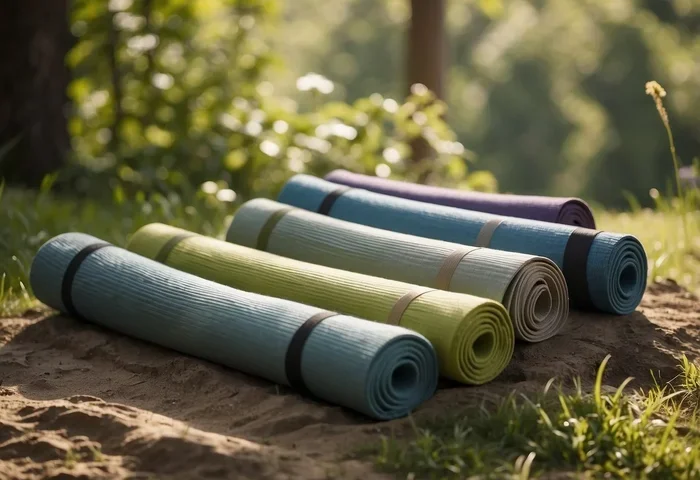
Yes, you can absolutely use a yoga mat for camping — it’s one of the most versatile and lightweight pieces of outdoor gear you can pack. A good yoga mat for camping offers comfort, ground protection, and a convenient surface for stretching, exercising, and even meal prep. In this guide, we cover everything you need to know about taking your yoga mat on your next outdoor trip.
Key Takeaways
- Versatile Use: A yoga mat for camping serves as a exercise surface, seating pad, ground barrier, and even a makeshift sleeping pad in a pinch.
- Lightweight Choice: Unlike bulky camping mats, a travel yoga mat is easy to roll up and carry in your backpack.
- Right Mat Matters: Choose a waterproof, thick, and durable yoga mat for the best outdoor camping experience.
- Setup Tips: Level the ground, use a tarp underneath, and secure the mat with stakes or heavy objects for a comfortable camp setup.
- More Than Yoga: You can do stretching routines, core workouts, meditation, and even meal prep on your camping yoga mat.
- Avoid Common Mistakes: Don’t use a thin or slippery mat outdoors, and always clean your mat after camping to maintain its quality.
📑 Table of Contents
- Why You Should Consider Using a Yoga Mat for Camping
- How to Choose the Right Yoga Mat for Camping
- Setting Up Your Yoga Mat at the Campsite
- Exercises and Activities You Can Do with a Yoga Mat While Camping
- Yoga Mat vs. Other Camping Mats: A Comparison
- Common Mistakes When Using a Yoga Mat for Camping
- Quick Tips for a Great Camping Yoga Mat Experience
- Expert Insight: Why Outdoor Fitness Enthusiasts Love Yoga Mats
- Conclusion
Why You Should Consider Using a Yoga Mat for Camping
Camping is all about getting closer to nature, but that doesn’t mean you have to sacrifice comfort. A yoga mat for camping is a lightweight, portable, and surprisingly versatile tool that can make your outdoor trips much more enjoyable. Whether you’re into morning stretches by the lake or simply want a clean surface to sit on, a yoga mat fits the bill perfectly.
Many campers underestimate how useful a yoga mat can be outside of the studio. It’s not just for yoga poses. You can use it for outdoor workouts, meditation sessions, picnicking on rough ground, or even as an emergency sleeping pad. If you already own a yoga mat, you might have a camping essential sitting in your closet right now.
The best part? A yoga mat takes up very little space in your pack. Unlike bulky camping pads, a portable fitness mat can roll up tightly and strap easily to your backpack. This makes it ideal for hikers, backpackers, and weekend campers who want to travel light without giving up comfort.
Benefits Beyond the Studio
Taking a yoga mat camping gives you several practical advantages:
- Ground protection: It shields you from dirt, rocks, moisture, and cold ground.
- Comfortable seating: Sitting on rocks or logs gets old fast. A mat gives you a soft, clean surface.
- Exercise surface: You can keep up with your camping fitness routine without a full gym setup.
- Clean meal area: Use it as a food prep surface on uneven or dirty ground.
- Relaxation zone: Roll it out for stretching, reading, or meditating in nature.
How to Choose the Right Yoga Mat for Camping
Not every yoga mat is created equal when it comes to outdoor use. The mat that works great in your living room might not hold up well on damp grass or rocky terrain. Choosing the right yoga mat for outdoor use means thinking about a few key factors before you pack it.
Thickness and Support
Thickness is one of the most important things to consider. A standard yoga mat is usually about 5mm thick, which works fine on flat, clean surfaces. But camping often means uneven ground with rocks, twigs, and roots hiding underfoot. For these conditions, look for a mat that is at least 6mm thick or even a foam mat for camping with extra cushioning.
If you want something even more cushioned, you might want to check out guides on what the best thickness for a yoga mat is to find the right fit for your needs. A thicker mat keeps your knees, hips, and back comfortable on hard or bumpy ground.
Material and Durability
The material of your mat matters a lot outdoors. Here is a quick breakdown of common materials:
- TPE (Thermoplastic Elastomer): Lightweight, waterproof, and easy to clean. Great for camping.
- Closed-cell foam: Very durable, resistant to moisture, and comfortable. A top choice for outdoor use.
- Natural rubber: Eco-friendly and grippy, but heavier. Works well if weight is not a big concern.
- PVC: Affordable and waterproof, but less environmentally friendly. Still a solid option for rough outdoor use.
For most campers, a TPE or closed-cell foam mat offers the best mix of lightweight exercise mat portability and rugged durability. Avoid open-cell foam mats because they absorb water like a sponge and can become heavy and smelly in damp conditions.
Weight and Packability
If you are backpacking or hiking to your campsite, every ounce counts. A travel yoga mat made from TPE or thin PVC usually weighs between 1 and 3 pounds, which is very manageable. Some mats come with carrying straps or bags, making them easy to attach to your pack.
You may also want to consider an inflatable yoga mat for ultra-lightweight travel. These mats deflate flat and can be stuffed into a small stuff sack. They offer decent cushioning and are surprisingly tough once inflated.
Water Resistance
Outdoor conditions are unpredictable. Morning dew, unexpected rain, or a damp campsite can leave your mat sitting on wet ground. A waterproof yoga mat or one with a water-resistant surface prevents moisture from soaking through and keeps you dry and comfortable. Always check product descriptions for waterproof ratings before buying.
Setting Up Your Yoga Mat at the Campsite
Setting up your mat properly makes a big difference in comfort and usability. A little planning goes a long way toward creating a nice outdoor space for exercise, rest, or meals.
Finding the Right Spot
Look for a flat, level area free from sharp objects, ant hills, and overhanging branches. Clearing the ground of small rocks and sticks before laying down your mat helps it lie flat and prevents punctures. If you are on a slope, angle the mat so that your head is higher than your feet — this works well for stretching and rest.
Adding a Base Layer
For extra protection and comfort, place a tarp or ground cloth underneath your yoga mat. This creates a barrier against moisture and extends the life of your mat. It also adds a layer of insulation on cold ground. This setup is similar to what you might find when exploring whether a yoga mat can work as a sleeping pad — a solid base layer is key.
Securing the Mat
Wind can be a problem at campsites, especially in open or mountain areas. Here are a few ways to keep your mat in place:
- Use camping stakes to pin down the corners.
- Place heavy gear bags or backpacks along the edges.
- Choose a spot near trees or rocks that block wind naturally.
- Roll the mat and strap it if you are not actively using it, then unroll when needed.
Exercises and Activities You Can Do with a Yoga Mat While Camping
A yoga mat while camping opens up a lot of fun and healthy activities. You do not need a gym or fancy equipment. Just roll out your mat and get moving.
Morning Stretching and Yoga
Starting your camping day with a quick stretching routine feels amazing. The fresh air and natural surroundings make outdoor stretching even better than doing it indoors. Simple poses like downward dog, warrior pose, cat-cow, and seated forward fold work well on a mat in the open air. Even 10 minutes of stretching can ease stiffness from hiking and set a positive tone for the day.
Core and Bodyweight Workouts
Your yoga mat gives you a non-slip surface for bodyweight exercises. Try these camping-friendly moves:
- Planks and side planks
- Push-ups
- Sit-ups and crunches
- Lunges and squats
- Glute bridges
These exercises need zero equipment and work just as well on a mat in the woods as they do in a living room. Pair them with a few minutes of jumping jacks or high knees for a full-body outdoor workout.
Meditation and Mindfulness
Camping is a great time to practice mindfulness. Sit on your mat, close your eyes, and listen to the sounds around you — birds, rustling leaves, flowing water. A comfortable mat makes it easy to sit cross-legged for longer periods without discomfort. Camping wellness practices like these help reduce stress and improve mental clarity.
Meal Prep and Picnicking
You can also use your mat as a clean surface for preparing food or enjoying a snack. Lay it out on a picnic table or on the ground, and you have a tidy area for cutting fruit, laying out sandwiches, or setting up a small camp breakfast. It keeps food off dirty ground and makes cleanup easier.
Yoga Mat vs. Other Camping Mats: A Comparison
There are several types of mats and pads designed for outdoor use. Here is how a yoga mat stacks up against other popular options:
| Feature | Yoga Mat | Camping Foam Pad | Air Mattress | Sleeping Pad (Insulated) |
|---|---|---|---|---|
| Weight | Very light (1-3 lbs) | Medium (2-5 lbs) | Heavy (5-15 lbs) | Light to medium (1-4 lbs) |
| Portability | Excellent | Good | Poor | Good |
| Comfort | Moderate | Moderate | Excellent | Good to excellent |
| Water Resistance | Good (TPE/PVC) | Good | Excellent | Excellent |
| Versatility | Very high | Moderate | Low | Moderate |
| Price | $15-$50 | $20-$60 | $40-$150 | $30-$100 |
As you can see, a yoga mat wins in portability and versatility. It may not match the cushioning of an air mattress or the insulation of a specialized sleeping pad, but it is the most multi-purpose option you can carry. For campers who want one mat that works for exercise, seating, and light resting, the yoga mat is a strong choice. If you want more info on alternatives, you can also read about what you can use instead of a yoga mat for more ideas.
Common Mistakes When Using a Yoga Mat for Camping
Even though a yoga mat is a great camping companion, there are a few mistakes people often make. Avoiding these will help you get the most out of your mat.
Using a Mat That Is Too Thin
A standard 4mm yoga mat can feel painfully thin on rocky or root-covered ground. For camping, always go for at least 6mm or thicker. Your joints and back will thank you after a long day of hiking. Remember that ground comfort is a big part of enjoying the outdoors.
Ignoring Weather Conditions
Rain, heavy dew, and extreme heat can all affect your mat. A non-waterproof mat can become soaked and unusable in wet conditions. In hot weather, some mats may become slippery or emit strong odors. Always check the weather forecast and choose a mat rated for the conditions you expect.
Forgetting to Clean Up
Dirt, sand, and moisture can build up on your mat during camping. If you pack it away dirty and damp, it can develop mold or degrade the material. Always wipe down your mat with a damp cloth and mild soap after your trip and let it dry completely before storing it. Using natural cleaners like diluted vinegar is a great eco-friendly option — you can learn more about this in our guide on using vinegar to clean your yoga mat.
Not Securing the Mat
A loose mat that keeps rolling up in the wind is more than annoying — it can also blow away into the woods or get tangled in your gear. Use stakes, rocks, or your backpack to hold it in place while you are using it. When you leave the site, roll it tightly and secure it with straps.
Choosing the Wrong Size
Standard yoga mats are about 68 inches long, which works for most people. Taller campers might want a longer mat (72 inches or more) to avoid having their feet hang off the edge. A mat that is too short can feel awkward during stretches and exercises.
Quick Tips for a Great Camping Yoga Mat Experience
- Pack a carrying bag: A waterproof stuff sack protects your mat during transport and keeps it clean.
- Bring a pump if using an inflatable: A small hand pump or even a plastic bottle can inflate your mat quickly.
- Test it at home first: Do a few exercises on the mat before your trip to make sure you like the thickness and grip.
- Pair it with a towel: A microfiber towel adds extra comfort and can serve as a pillow or sweat rag.
- Brighten your mat: Choose a bright color or design so it is easy to spot in your gear pile or on the ground.
Expert Insight: Why Outdoor Fitness Enthusiasts Love Yoga Mats
Fitness coaches and outdoor adventure experts often recommend a yoga mat for camping to their clients. According to outdoor fitness trainers, a yoga mat bridges the gap between indoor exercise and outdoor activity. It gives people a familiar, comfortable surface so they are more likely to stick with their fitness routine even while on vacation.
“The biggest barrier to exercising while traveling is not having the right setup,” says one fitness professional. “A yoga mat solves that problem instantly. It is light, it takes no space, and it makes any patch of ground feel like a workout studio.”
This kind of fitness while camping helps maintain healthy habits, boosts energy for hiking and exploring, and adds a relaxing ritual to your trip. Even just 15 minutes of stretching or yoga each morning can reduce muscle soreness and improve sleep quality during your camping adventure.
Conclusion
A yoga mat for camping is one of the simplest yet most effective pieces of gear you can bring on your next outdoor trip. It protects you from the ground, gives you a surface for exercise and relaxation, and packs down small enough to fit in any backpack. By choosing the right thickness, material, and size, you can enjoy all the benefits of your mat in the great outdoors.
Whether you are stretching at sunrise, doing a core workout after a long hike, or simply sitting comfortably by the campfire, a quality yoga mat makes everything better. Avoid the common mistakes, follow the setup tips, and you will wonder how you ever camped without one. So grab your mat, head outside, and make your next camping trip more active, comfortable, and enjoyable.
Frequently Asked Questions
Can I use a regular yoga mat for camping?
Yes, you can use a regular yoga mat for camping, but a thicker mat (at least 6mm) works better on uneven ground. Look for a waterproof or water-resistant mat to handle outdoor moisture. If your mat is thin and not designed for outdoor use, consider adding a tarp underneath for extra protection and comfort.
What type of yoga mat is best for camping?
A closed-cell foam or TPE yoga mat is best for camping because it is durable, waterproof, and easy to clean. These materials resist moisture absorption and hold up well on rough terrain. An inflatable yoga mat is also a good option if you want something ultra-lightweight and packable for backpacking trips.
Can a yoga mat work as a sleeping pad while camping?
A yoga mat can work as a temporary sleeping pad, but it does not offer the same insulation or cushioning as a dedicated camping sleeping pad. For short naps or rest breaks, it works well. For overnight sleeping, you would likely need additional padding or a proper sleeping pad for comfort and warmth, especially in cold conditions.
How do I keep my yoga mat clean while camping?
Wipe your yoga mat down with a damp cloth and mild soap or a diluted vinegar solution after each use. Let it dry completely before rolling it up and storing it. Avoid leaving it in direct sunlight for long periods, as UV rays can degrade the material. Keeping a small towel in your pack helps wipe off sweat and dirt easily.
Is a yoga mat worth bringing on a backpacking trip?
Yes, a yoga mat is worth bringing on a backpacking trip if weight and space are managed well. A lightweight TPE or inflatable mat can weigh as little as 1 pound and rolls up small. It provides a comfortable surface for stretching, exercise, meditation, and resting — all of which are valuable on long hiking days.
What other items pair well with a yoga mat for camping?
A yoga mat pairs well with a tarp or ground cloth for extra moisture protection, a microfiber towel for wiping sweat, a yoga strap for stretching, and a portable water bottle for hydration. You can also bring a small pump if using an inflatable mat. Together, these items create a simple, effective outdoor fitness and relaxation kit.