Should I Use My Rowing Machine Every Day
Using a rowing machine every day can boost your fitness, but it depends on your goals, fitness level, and recovery habits. Daily rowing builds endurance, burns calories, and strengthens your entire body. However, overdoing it without rest can lead to injury and burnout. This guide breaks down how often you should row, what resistance to use, and how to build a sustainable routine.
So you have been thinking about hopping on your rowing machine every day. Maybe you have heard about the incredible full-body benefits and want to see if it is really worth it. Or maybe you already row daily and are wondering if you are doing too much.
The truth is, there is no one-size-fits-all answer. Whether you are a seasoned athlete or just starting out, how often you use your rowing machine depends on several factors. Let us break it all down in a way that is easy to understand and apply.
Rowing is one of the best low impact exercises you can do. It works your legs, back, arms, and core all at once. Plus, it gets your heart pumping, which means serious cardiovascular benefits. But like any exercise, more is not always better. Recovery matters just as much as the workout itself.
Key Takeaways
- Daily rowing is possible: With the right intensity and duration, you can safely use your rowing machine every day.
- Listen to your body: Rest days are essential for muscle recovery and preventing overuse injuries.
- Adjust intensity wisely: Mix high-intensity sessions with light, easy rows to avoid fatigue.
- Start slow if you are a beginner: Build up your daily rowing habit gradually over several weeks.
- Proper form matters: Good technique reduces injury risk and maximizes results.
- Balance is key: Pair your rowing routine with other activities and adequate recovery.
📑 Table of Contents
Can You Use a Rowing Machine Every Day?
The short answer is yes. You can use a rowing machine every day. But the long answer depends on how hard you push yourself each session. Daily rowing works well for many people, especially when you keep the intensity moderate and the duration reasonable.
Think of it like brushing your teeth. Doing it every day is great for your health. But scrubbing too hard every time can cause damage. The same principle applies to your rowing workouts.
Why Daily Rowing Can Work
Rowing is a low impact exercise, which means it is gentle on your joints compared to running or jumping. This makes it a great candidate for daily use. Your muscles, bones, and connective tissues can handle regular rowing without the pounding stress that comes with high impact activities.
Here are some reasons why daily rowing can be a smart choice:
- Consistency builds habit: Doing something every day makes it part of your routine.
- Steady calorie burn: Rowing torches calories and helps with weight management.
- Full body engagement: Few exercises work as many muscle groups at once.
- Improved endurance: Daily practice boosts your cardiovascular fitness over time.
- Mental health benefits: Regular exercise reduces stress and improves mood.
When Daily Rowing Might Not Be a Good Idea
On the flip side, daily rowing is not right for everyone. If you are brand new to exercise, jumping into a daily routine can backfire. Your body needs time to adapt to new movements and demands.
Also, if you are dealing with an injury or recovering from surgery, you should check with a doctor first. For instance, if you have had a hip replacement, certain exercises may not be safe until you fully heal. Always prioritize your health over your fitness goals.
The key is to be honest with yourself about where you stand. Are you feeling sore? Are you sleeping well? Is your energy level steady? These signs tell you a lot about whether daily rowing is working for you right now.
How Long Should You Row Each Day?
The duration of your daily rowing session matters a lot. You do not need to spend hours on the machine to see results. In fact, shorter, focused sessions often deliver better outcomes than long, exhausting ones.
If you are wondering how long should I use the rowing machine for, the answer depends on your fitness level and goals. Here is a simple breakdown:
- Beginners: 10 to 15 minutes per session
- Intermediate rowers: 20 to 30 minutes per session
- Advanced athletes: 30 to 45 minutes per session
Starting with shorter sessions helps you build a rowing machine routine that sticks. You can always add more time as your fitness improves. The goal is to stay consistent, not to destroy yourself in a single session.
For most people, 20 to 30 minutes of daily rowing is the sweet spot. It gives you enough time to get a solid workout without overtraining. If you are just beginning, check out this guide on how long a beginner should use a rowing machine to get started on the right foot.
What Resistance Should You Use?
Setting the right resistance on your rowing machine is crucial. Too much resistance too soon is a fast track to burnout and poor form. Too little resistance, and you might not feel challenged enough to make progress.
For daily rowing, you generally want to keep the resistance at a moderate level. You should feel challenged but not completely wiped out by the end of your session. If you are gasping for air and your form is falling apart, the resistance is too high.
Here are some tips for setting the right resistance:
- Start at level 3 to 5 for warm-up rows
- Use level 6 to 8 for moderate intensity sessions
- Reserve level 9 to 10 for short intervals or sprints only
If you want a deeper dive into resistance settings, you can check out what resistance you should use on a rowing machine. It covers everything from beginner levels to advanced training strategies.
Finding Your Daily Rowing Pace
Your stroke rate, or how fast you row, also plays a big role. A comfortable pace for daily training is usually between 18 and 26 strokes per minute. This range lets you maintain good form while still getting a solid workout.
Going too fast too often can strain your muscles and joints. On the other hand, rowing too slowly might not challenge your body enough. The sweet spot is a pace where you can hold a conversation but still feel like you are working hard.
Benefits of Rowing Every Day
When done correctly, daily rowing offers a impressive list of benefits. Let us look at what you can expect when you commit to a consistent routine.
1. Full Body Workout
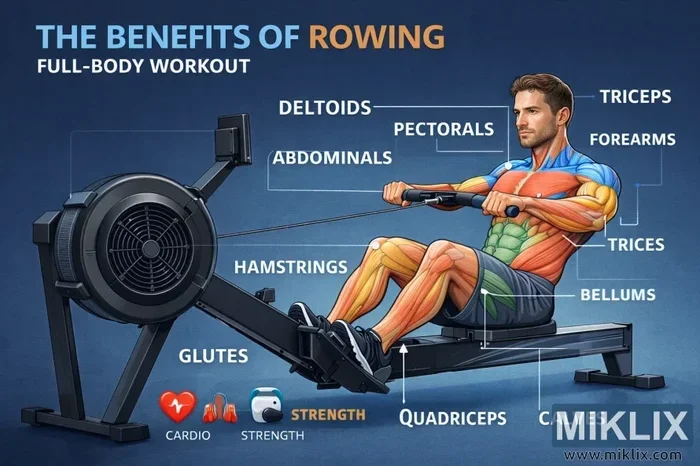
Rowing hits about 86 percent of your muscles. That is more than almost any other cardio machine. Your legs drive the motion, your core stabilizes your body, and your arms and back pull the handle. Every single stroke is a complete exercise in one movement.
2. Improved Heart Health
Regular rowing strengthens your heart and lungs. Over time, you will notice that your resting heart rate drops and your endurance improves. These are clear signs that your cardiovascular system is getting stronger.
3. Calorie Burning and Weight Loss
A moderate rowing session can burn between 400 and 800 calories per hour, depending on your weight and intensity. Daily rowing, combined with a balanced diet, can accelerate your weight loss goals significantly.
4. Low Impact on Joints
Unlike running or jumping, rowing is gentle on your knees, hips, and ankles. This makes it an excellent choice for people who want to stay active without stressing their joints. It is also a great option for older adults looking to maintain fitness.
5. Mental Clarity and Stress Relief
Exercise releases endorphins, and rowing is no exception. A daily row can clear your mind, reduce anxiety, and improve your sleep quality. Many people find the rhythmic motion of rowing to be meditative and calming.
Common Mistakes to Avoid
Even though rowing is a wonderful exercise, many people make mistakes that hold them back or lead to injury. Here are the most common ones to watch out for.
Skipping Warm-Ups
Jumping straight into a hard row without warming up is a recipe for disaster. Your muscles need time to loosen up and your joints need to be prepared for movement. Spend 3 to 5 minutes rowing at an easy pace before increasing your intensity.
Poor Form
Bad form is the number one cause of rowing injuries. Rounding your back, pulling with your arms only, or yanking the handle too high can all lead to pain and strain. Focus on keeping your back straight, driving with your legs, and using a smooth, controlled motion throughout.
Overtraining
This is the biggest trap people fall into. They start feeling great and push harder every single day. But without rest, your body cannot recover. Overtraining leads to fatigue, poor performance, and eventually injury. Make sure you are giving your body the time it needs to repair and grow stronger.
Ignoring Rest Days
Even if you love rowing, your body needs rest. Taking one or two days off per week allows your muscles to recover and your nervous system to reset. Rest days are not a sign of weakness. They are a smart part of any training plan.
How to Build a Sustainable Daily Rowing Routine
Building a routine that lasts is all about balance and smart planning. You do not need to be a fanatic to see results. Here is how to create a daily rowing habit that works for you.
Start With a Schedule
Pick a specific time of day for your rowing session. Morning workouts can energize you for the day ahead. Evening sessions can help you decompress after work. Find what fits your life and stick with it.
Mix Up Your Workouts
Doing the same rowing workout every day can get boring fast. Try mixing in different types of sessions:
- Steady state rows: Consistent pace for 20 to 30 minutes
- Interval training: Alternate between hard effort and easy recovery
- Endurance rows: Longer sessions at a moderate pace
- Technique drills: Focus on form and stroke efficiency
Variety keeps things interesting and challenges your body in different ways. It also helps prevent the mental burnout that can come from doing the exact same workout day after day.
Track Your Progress
Most rowing machines have built-in monitors that track your distance, time, strokes per minute, and calories burned. Use these numbers to see how you are improving over time. Watching your progress is incredibly motivating and helps you stay committed to your daily routine.
Pair Rowing With Other Activities
Even though rowing works your whole body, it is still a good idea to supplement it with other activities. Strength training, yoga, or light stretching can complement your rowing and help prevent muscle imbalances. A well rounded fitness plan will serve you better in the long run than focusing on just one exercise.
If you are trying to decide between a rowing machine and other cardio equipment, you might want to read about whether you should get an exercise bike or rowing machine. It compares the two options and helps you choose what fits your goals best.
Expert Insights on Daily Rowing
Fitness experts generally agree that daily rowing is safe and effective for most people, as long as you keep the intensity in check. Certified trainers often recommend a mix of moderate daily rows and occasional higher intensity sessions.
One of the most important pieces of advice is to prioritize recovery. Sleep well, eat nutritious food, and stay hydrated. These habits are just as important as the workout itself. Without proper recovery, even the best training plan will fall apart.
Another expert tip is to focus on your rowing technique before chasing numbers. A beautiful, efficient stroke will always outperform a fast, sloppy one. Take the time to learn the proper form, and your body will thank you for years to come.
Final Thoughts
So, should you use your rowing machine every day? The answer is a strong maybe. If you are healthy, you start at a comfortable level, and you listen to your body, daily rowing can be a fantastic addition to your lifestyle. It builds strength, boosts endurance, and burns calories like few other exercises can.
But remember, consistency beats intensity every time. A moderate daily row that you stick with for months will always beat a brutal session that you quit after two weeks. Find a pace and duration that feels sustainable, and give yourself permission to rest when you need it.
Your rowing machine is a powerful tool. Use it wisely, and it will reward you with better fitness, more energy, and a healthier body for years to come.
Frequently Asked Questions
Is it okay to use a rowing machine every day?
Yes, for most healthy adults, using a rowing machine every day is safe and effective. Keep the intensity moderate, focus on proper form, and make sure you include rest days when your body needs them. If you are new to exercise, start slowly and build up your daily habit over time.
How long should I row on a rowing machine each day?
Aim for 15 to 30 minutes per session if you are rowing daily. Beginners should start with 10 to 15 minutes and gradually increase the duration as their fitness improves. The key is consistency, not marathon sessions.
What resistance level should I use for daily rowing?
Keep the resistance at a moderate level, typically between 3 and 8 on most machines. You want to feel challenged but still maintain good form throughout the entire session. Save the higher resistance levels for occasional intense workouts, not daily training.
Can daily rowing help me lose weight?
Absolutely. Rowing burns a significant number of calories and engages almost every major muscle group in your body. Combined with a balanced diet, daily rowing can be a powerful tool for weight loss and body composition improvement.
Do I need rest days if I row every day?
Yes, rest days are important even if you row daily. Your muscles need time to repair and grow stronger after exercise. Taking one to two rest days per week helps prevent overtraining, reduces injury risk, and keeps your motivation high.
How fast should I row during a daily workout?
A comfortable stroke rate for daily training is between 18 and 26 strokes per minute. This pace allows you to maintain proper technique while still getting a solid cardiovascular workout. Avoid going all out every session, as this can lead to burnout and poor form over time.