Should I Use a Rowing Machine Every Day
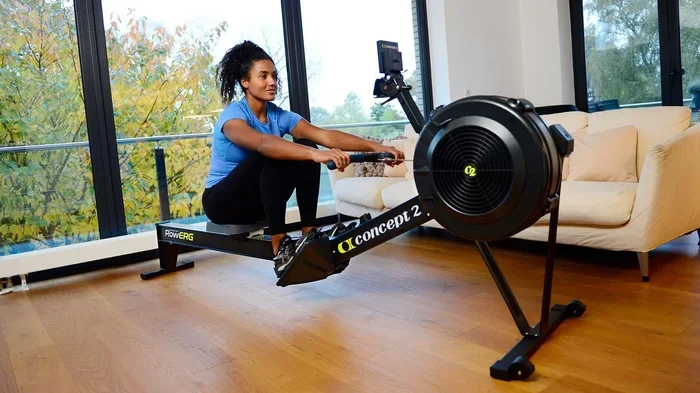
Should I use a rowing machine every day? The short answer is: it depends on your fitness level, goals, and how your body responds to daily rowing routines. For most people, rowing every day can be safe and highly effective — as long as you manage intensity, prioritize rest days, and listen to your body. In this guide, we break down the benefits, risks, and best practices so you can make the right call for your fitness journey.
Key Takeaways
- Daily rowing can boost cardiovascular health: Regular rowing improves heart function, burns calories, and builds full-body endurance when done correctly.
- Overtraining is a real risk: Rowing every day without rest can lead to muscle fatigue, joint stress, and increased injury risk, especially for beginners.
- Rest days matter: Even if you row daily, mixing in light sessions or active recovery helps your muscles repair and grow stronger.
- Intensity matters more than frequency: A moderate daily row is safer than high-intensity sessions seven days a week. Adjust your rowing intensity based on how your body feels.
- Beginners should start slow: If you are new to rowing, ease into a daily rowing routine with shorter sessions and gradually increase duration and effort.
- Proper form is essential: Poor rowing technique can cause back, knee, or hip injuries — especially when you row frequently. Focus on technique before pushing harder.
- Consult a professional if unsure: If you have existing injuries or health conditions, talk to a doctor or trainer before committing to daily rowing.
📑 Table of Contents
- Should I Use a Rowing Machine Every Day? Let’s Break It Down
- The Benefits of Using a Rowing Machine Every Day
- The Risks of Rowing Every Day
- Who Should Avoid Rowing Every Day?
- How to Row Safely Every Day
- Building a Daily Rowing Routine That Works
- Expert Insights on Daily Rowing
- Common Mistakes When Rowing Every Day
- Conclusion
Should I Use a Rowing Machine Every Day? Let’s Break It Down
Rowing machines are some of the best tools for building cardiovascular fitness, burning fat, and strengthening your entire body. They give you a full-body workout without pounding your joints, which is why so many people fall in love with them. But when the excitement kicks in, a common question pops up: should I use a rowing machine every day?
The truth is, there is no one-size-fits-all answer. Some people thrive on a daily rowing routine. Others need rest days to stay healthy and keep making progress. A lot depends on your experience level, your goals, and how well you recover between sessions. This article covers everything you need to know — from the benefits and risks to practical tips for rowing safely every day.
Whether you are a complete beginner or a seasoned athlete, you will find clear answers here. Let us dive in.
The Benefits of Using a Rowing Machine Every Day
It Builds Strong Cardiovascular Health
Rowing is a fantastic cardiovascular exercise. It raises your heart rate, improves blood circulation, and strengthens your heart over time. When you row regularly — even for just 20 to 30 minutes — your heart and lungs get stronger. This means everyday activities feel easier, and you have more energy throughout the day.
Daily rowing also supports endurance training. Over weeks and months, you will notice you can row longer without getting winded. If improving your cardiovascular fitness is a top priority, rowing every day can speed things up compared to doing it just a few times a week.
It Burns Calories and Supports Weight Loss
Want to shed a few pounds? Rowing is one of the most efficient weight loss rowing options available. A moderate 30-minute session can burn around 300 to 400 calories, depending on your weight and intensity. Row every day, pair it with a balanced diet, and you create a consistent calorie deficit that drives real results.
What makes rowing stand out is that it works both your upper and lower body at the same time. That means more muscles are firing, which translates to more calories burned per stroke. It is a low-impact exercise that still delivers high results — a rare combo.
It Strengthens Your Entire Body
Unlike many gym machines that isolate one muscle group, rowing works your legs, back, arms, core, and even your glutes. Every stroke is a full-body workout. Rowing every day helps build balanced strength and improves your overall rowing stamina.
Over time, you will notice better posture, stronger legs, and a more stable core. These benefits carry over into other exercises and daily life. It is no wonder so many fitness lovers ask, should I use a rowing machine every day? — because the full-body payoff is hard to ignore.
It Is Easy on Your Joints
If you have sensitive knees or ankles, rowing is a great choice. It is a low-impact exercise that keeps stress off your joints while still delivering a tough workout. This makes it suitable for people who cannot run or jump every day. As long as you use proper rowing technique, your joints stay protected.
For more details on safe practices, check out is it ok to use rowing machine every day for additional guidance from fitness professionals.
The Risks of Rowing Every Day
Overtraining and Muscle Fatigue
Here is the flip side. Rowing every day without rest can lead to overtraining. Your muscles need time to repair and grow stronger. If you row hard seven days a week, you may start feeling excessively tired, weak, or even sick. Muscle fatigue builds up, and instead of getting stronger, you actually start losing progress.
Signs of overtraining include:
- Persistent soreness that does not go away
- Feeling exhausted even after sleeping well
- Declining performance during workouts
- Mood changes, irritability, or lack of motivation
- Higher risk of injuries like tendonitis or stress fractures
If you notice any of these, it is time to scale back. Exercise consistency does not mean training flat out every single day. It means showing up regularly — and that can include lighter sessions.
Joint and Muscle Injuries
Rowing uses a lot of repetitive motion. When you row every day — especially with poor form — you increase the risk of overuse injuries. Common problems include lower back pain, wrist strain, and knee irritation. The repetitive rowing intensity can aggravate old injuries or create new ones.
This is especially true for beginners who have not yet developed proper rowing technique. Rushing into daily sessions before mastering the basics is a recipe for setbacks. Always prioritize technique over speed or distance.
For those concerned about specific conditions, learn more about whether you can safely row with issues like bad knees or after hip replacement by visiting resources on rowing with bad knees and related topics.
Burnout and Mental Fatigue
Doing the same thing every day can get dull. Mental burnout is real, and it affects your performance. When you dread your daily row, your effort drops, and your results suffer. Mixing up your routine — sometimes rowing hard, sometimes rowing easy — keeps things fresh and keeps you motivated.
Who Should Avoid Rowing Every Day?
Complete Beginners
If you are brand new to rowing, do not jump into a daily rowing routine right away. Your muscles, tendons, and ligaments need time to adapt to the movement. Start with three sessions per week and gradually add more days as your fitness improves. For more guidance, read about how long a beginner should use a rowing machine to ease into it safely.
Focus on learning rowing form first. A few weeks of moderate, technique-focused sessions will build a strong foundation. Once you feel confident and comfortable, you can consider increasing frequency.
People with Existing Injuries
If you have chronic pain, recent surgery, or ongoing joint issues, daily rowing may not be safe. Always consult a doctor or physical therapist before committing. Conditions like hip problems, hernias, or knee replacements require special considerations. You can explore specific guidance on how often you should row on a rowing machine based on different health situations.
Advanced Athletes in Heavy Training
Even experienced rowers need periodization — planned breaks and lighter phases within their training. High-performance athletes often cycle between intense training blocks and recovery weeks. Rowing at maximum rowing intensity every single day is not sustainable in the long run, no matter how fit you are.
How to Row Safely Every Day
Manage Your Intensity
The key to safe daily rowing is controlling rowing intensity. Not every session needs to be a push. Here is a smart approach:
- 3 to 4 days per week: Moderate effort, steady pace. Focus on technique and cardiovascular fitness.
- 1 to 2 days per week: High-intensity intervals or challenging distance goals.
- 1 to 2 days per week: Light recovery rows at a relaxed pace, or complete rest.
This mix lets you train hard without overdoing it. Your body gets the stimulus it needs and the recovery it requires. For tips on finding the right pace, check out how fast you should row on a rowing machine for detailed guidance.
Prioritize Proper Form
Good rowing technique protects your back, knees, and shoulders. Here are the essentials:
- Sit tall with a straight back and relaxed shoulders.
- Drive with your legs first, then lean back slightly.
- Pull the handle to your lower ribs with your arms.
- Reverse the motion smoothly: arms first, then lean forward, then bend your knees.
- Keep movements fluid — never jerk or rush.
If you are unsure about your form, consider working with a trainer or watching trusted tutorials. Clean technique is your best defense against injury, especially when you row frequently.
Schedule Rest and Recovery
Rest days are not a sign of weakness. They are a key part of progress. Your muscles grow stronger during recovery, not during the workout itself. Schedule at least one or two lighter days per week. On those days, you can walk, stretch, or do gentle yoga. Active recovery keeps you moving without taxing your body.
Sleep also matters a lot. Aim for seven to nine hours per night. Good sleep speeds up muscle repair and keeps your energy levels high for the next day’s row.
Listen to Your Body
This might sound basic, but many people ignore it. If something hurts — sharp pain, not just muscle soreness — stop. If you feel unusually tired, take a break. Exercise consistency is built on sustainability, not stubbornness. Adjust your daily rowing routine based on how your body responds. A smart rower knows when to push and when to pull back.
Building a Daily Rowing Routine That Works
Start With a Plan
Wing it does not work when it comes to daily rowing. Write a simple weekly plan. Here is an example for someone ready to row most days:
- Monday: Moderate row, 25 minutes at a steady pace
- Tuesday: Interval training, 20 minutes with short sprints
- Wednesday: Light recovery row, 20 minutes at low effort
- Thursday: Moderate row, 30 minutes focusing on rowing stamina
- Friday: Challenging distance row, 35 minutes
- Saturday: Active recovery — walking or stretching
- Sunday: Full rest day
This plan balances hard work, skill building, and recovery. You can adjust the times and intensity based on your goals. The key is variety — it keeps your body adapting and your mind engaged.
Track Your Progress
One of the best parts about rowing machines is that they track your distance, time, calories, and stroke rate. Use this data. Watching your rowing stamina improve over weeks is incredibly motivating. Set small goals — row 100 meters faster, increase your weekly distance by 10 percent, or maintain a consistent rowing intensity for an entire week.
Progress tracking also helps you spot patterns. If your performance dips every Thursday, maybe you need a lighter day then. Data helps you make smarter decisions about your daily rowing routine.
Mix Up Your Workouts
Doing the same row every day gets boring fast. Try different styles to keep things interesting:
- Steady-state rows: Long, comfortable rows at a consistent pace for cardiovascular fitness
- Interval rows: Alternate between hard sprints and easy recovery periods
- Pyramid rows: Increase your effort in stages, then work back down
- Distance challenges: Set a target distance and work toward completing it at a moderate pace
Variety prevents burnout and works different energy systems. It also makes you a more well-rounded athlete. For more ideas on structuring your workouts, learn about using a rowing machine to lose weight with proven strategies.
Expert Insights on Daily Rowing
Fitness professionals generally agree that daily rowing can be safe and effective — with a few important caveats. The most common advice includes:
- Vary your intensity. Do not go all-out every day. Mix easy, moderate, and hard sessions throughout the week.
- Warm up before every row. A five-minute dynamic warm-up gets your muscles ready and reduces injury risk.
- Cool down afterward. Gentle stretching helps your muscles recover and reduces next-day soreness.
- Fuel your body properly. Daily rowing burns a lot of calories. Eat enough protein, carbs, and healthy fats to support recovery.
- Do not ignore pain. Dull muscle soreness is normal. Sharp or persistent pain is not. Take it seriously.
Many trainers also recommend periodization cycles, even for casual rowers. This means planning phases of higher training volume followed by lighter weeks. It is a proven way to build long-term endurance training capacity without hitting a wall.
Common Mistakes When Rowing Every Day
Going Too Hard, Too Often
New and experienced rowers alike often make the mistake of treating every session like a personal best. This leads to chronic fatigue and burnout. Remember, not every row needs to feel tough. Easy days build your aerobic base and help your body recover. Save the hard effort for planned sessions.
Ignoring Rest Days
Skipping rest because you feel guilty is a common trap. Rest days are training days — they just look different. Your muscles need downtime to rebuild. Without them, progress stalls and injury risk climbs. Give yourself permission to rest.
Skipping Warm-Ups and Cool-Downs
Jumping straight into a hard row puts stress on cold muscles. Always warm up with light rowing or dynamic stretches. After your session, cool down with slow rowing and static stretches. These small habits add up over time and protect your body.
Poor Technique Under Fatigue
When you get tired, your rowing technique tends to fall apart. Your back rounds, your legs stop driving properly, and your strokes become jerky. This is when injuries happen. If your form breaks down, end the session early. Better to stop short than to hurt yourself.
Conclusion
Should I use a rowing machine every day? The answer is: yes, you can — as long as you do it smartly. Daily rowing offers incredible benefits, from improved cardiovascular health and calorie burning to full-body strength and rowing stamina. But it also comes with risks like overtraining, muscle fatigue, and joint stress if you are not careful.
The secret is balance. Mix hard days with easy days. Prioritize rest days and proper rowing technique. Listen to your body and adjust your daily rowing routine as needed. Start slow if you are new, track your progress, and keep things interesting with varied workouts.
Rowing is one of the best tools in any gym. Used wisely, it can transform your fitness. Now you have the knowledge to make it work for you — safely and effectively. Get out there and start rowing, one smart stroke at a time.
Frequently Asked Questions
Is it okay to use a rowing machine every day for weight loss?
Yes, daily rowing can support weight loss rowing goals, but manage your intensity. Mix moderate rows with occasional high-intensity sessions and include rest days to avoid overtraining. Combined with a healthy diet, daily rowing creates a consistent calorie deficit that drives real results.
How long should I row each day if I row every day?
For daily rowers, 20 to 40 minutes per session is a solid range. Beginners should start with 15 to 20 minutes and build up gradually. On rest or recovery days, a light 15-minute row keeps you active without overtaxing your muscles. The key is adjusting rowing intensity based on your fitness level.
Can rowing every day damage my back?
It can if your rowing technique is poor or you row too hard without rest. Maintaining a straight back, driving with your legs, and keeping movements smooth helps protect your spine. If you already have back issues, consult a professional before starting a daily rowing routine.
How do I know if I am overtraining from rowing?
Common signs include persistent soreness, chronic fatigue, declining performance, mood changes, and frequent illness. If you feel worse instead of better after your daily row, take a step back. Add rest days, reduce rowing intensity, and make sure you are eating and sleeping well.
Should beginners row every day?
Beginners should start with three to four sessions per week and gradually increase to daily rowing as their body adapts. Focus on learning rowing form and building rowing stamina before pushing frequency. Rushing into a daily rowing routine too early raises injury risk.
What is the difference between rowing every day and rowing every other day?
Daily rowing builds cardiovascular fitness and endurance training faster, but requires careful management of intensity and recovery. Rowing every other day is safer for beginners and reduces muscle fatigue. Both approaches work well — it depends on your goals, experience, and how your body recovers.