Is It Bad to Jump Rope on Concrete
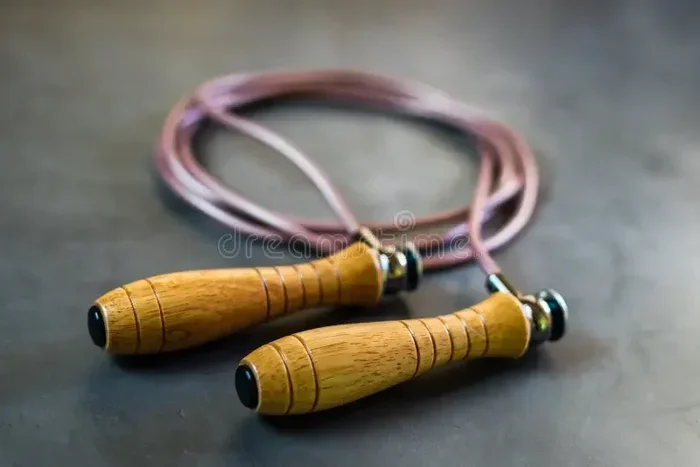
Jumping rope on concrete can be tough on your joints and shoes. Concrete is a hard surface that offers little shock absorption, which may lead to knee pain, ankle stress, and faster shoe wear. However, with the right jump rope technique, proper footwear, and a quality mat, you can minimize the risks and still enjoy an effective jump rope workout on concrete.
This is a comprehensive guide about Is It Bad To Jump Rope On Concrete.
Key Takeaways
- Concrete is a hard surface: It provides minimal shock absorption, which can increase joint stress over time.
- Proper footwear matters a lot: Wearing cushioned shoes designed for high-impact exercise can protect your joints.
- A jump rope mat helps: Using a foam or rubber mat on concrete reduces impact and protects both you and the rope.
- Technique is key: Landing softly on the balls of your feet reduces the force transmitted through your body.
- Consider alternative surfaces: Wood, rubber flooring, or grass offer better shock absorption than concrete.
- Watch for warning signs: Joint pain, shin splints, and ankle discomfort are signs you should change your surface or technique.
- Short sessions help: Limiting your jump rope workout duration on concrete reduces cumulative impact.
[FEATURED_IMAGE_PLACEHOLDER]
Is It Bad to Jump Rope on Concrete?
You have a concrete floor in your garage or a sidewalk outside your apartment. You grab your rope. You want to get a great cardio session in. But then a question hits you: is it bad to jump rope on concrete?
The short answer is: it depends. Concrete is one of the hardest surfaces you can exercise on. It does not absorb much shock. This means every jump sends force straight back up through your ankles, knees, hips, and spine. Over time, this can cause joint pain and overuse injuries. But that does not mean you have to give up your jump rope routine entirely.
With the right approach, you can jump rope on concrete safely. You just need to know what risks to watch for and how to reduce them. In this article, we break everything down. You will learn why concrete is tough on your body, what you can do to protect yourself, and when you should consider switching to a different surface.
Why Concrete Is a Tough Surface
Concrete is everywhere. Sidewalks, driveways, gym floors, and garage floors are all made of concrete. It is durable and convenient. But when it comes to high-impact exercise, it is not your friend.
Here is why concrete is hard on your body. Unlike wood floors or rubber mats, concrete does not flex or give way when you land. Your foot hits the ground. All the force bounces right back. This is called shock absorption, and concrete has almost none of it.
Every jump creates impact force that is several times your body weight. When you land on a soft surface, the ground absorbs some of that force. On concrete, your joints take the full hit. Over hundreds of jumps, this adds up fast.
This is especially true if you are doing a long jump rope session. The longer you jump, the more cumulative stress your joints experience. This is why many fitness experts advise against jumping on concrete for extended periods.
The Risks of Jumping Rope on Concrete
Jumping rope on concrete is not automatically dangerous. But it does carry some real risks. Understanding these risks helps you make smart choices about your workout.
Joint Impact and Stress
The biggest concern with jumping rope on concrete is joint impact. Your knees, ankles, and hips absorb the most force. If you already have joint issues, concrete can make them worse.
Common problems include:
- Knee pain: The impact can irritate the cartilage around your kneecap.
- Ankle strain: Your ankles stabilize every landing. Hard surfaces increase the stress on ankle ligaments.
- Shin splints: Repeated impact on concrete is a leading cause of shin splints.
- Lower back pain: The shock travels up your spine. Over time, this can cause discomfort in your lower back.
Shoe Wear and Damage
Concrete wears down shoes fast. The rough surface grinds against the sole. If you jump rope on concrete regularly, your shoes will lose their cushioning much sooner than they would on a softer surface.
Worn-out shoes mean less protection for your joints. This creates a cycle where your shoes get worse, your joints get more impact, and your injury risk goes up.
Slip and Fall Hazards
Concrete can be slippery, especially if it is dusty or wet. Sweating during a jump rope workout can make the surface even more dangerous. A slip on concrete can lead to serious falls and injuries.
How to Jump Rope Safely on Concrete
If you must jump rope on concrete, you can take steps to protect yourself. These tips help reduce the impact and lower your risk of injury.
Wear the Right Shoes
This is the single most important step. Do not jump rope on concrete in bare feet or thin-soled shoes. You need cushioned, supportive athletic shoes designed for high-impact exercise.
Look for shoes with these features:
- Thick, responsive midsoles: These absorb shock before it reaches your joints.
- Good ankle support: This stabilizes your foot on every landing.
- Durable outsoles: Concrete wears down soles quickly, so you need tough material.
- Proper fit: Shoes that are too loose or too tight can cause instability.
Running shoes and cross-trainers work well for jump rope on concrete. Avoid shoes with flat soles or minimal cushioning.
Use a Jump Rope Mat
A jump rope mat is one of the best investments you can make. These thick foam or rubber mats sit on top of concrete and create a softer landing zone.
Jump rope mats do several things:
- Reduce impact: They absorb shock and protect your joints.
- Protect the rope: Concrete can fray and damage your rope faster.
- Prevent slipping: Most mats have a non-slip bottom that grips the concrete.
- Define your workout space: They give you a clear area to jump in.
You do not need an expensive mat. Even a thick yoga mat or interlocking foam tiles can make a big difference. The goal is to add some cushioning between your feet and the hard surface.
Focus on Your Landing Technique
How you land matters a lot. On concrete, you want to minimize the force of each landing. The best technique is to land on the balls of your feet.
Keep your knees slightly bent when you land. This lets your muscles absorb some of the impact. Avoid landing flat-footed or heel-first. Both of these send shock straight through your joints.
Also, keep your jumps low. You do not need to clear the rope by a lot of height. A small, efficient hop is all you need. This reduces the impact force with every jump.
Limit Your Session Length
Long sessions on concrete are a recipe for overuse injuries. Instead of jumping for 30 or 45 minutes straight, try shorter intervals.
Try this approach:
- Jump for 2 to 3 minutes.
- Rest for 1 minute.
- Repeat for 15 to 20 minutes total.
This gives your joints time to recover between sets. It also keeps your jump rope workout effective without the wear and tear of a long continuous session.
Better Surfaces for Jump Rope
While you can jump rope on concrete with the right precautions, other surfaces are much better for your joints. If you have options, consider these alternatives.
Wood Floors
Wood floors offer more give than concrete. They absorb some shock and are easier on your joints. Many home gyms and gyms have wood floors specifically for this reason.
Just make sure the floor is not slippery. Dust or polish can make wood floors dangerous for jump rope exercise.
Rubber Flooring
Rubber gym flooring is one of the best surfaces for jumping rope. It is designed to absorb impact and reduce noise. Rubber tiles or rolls are common in commercial gyms and are easy to install at home.
Grass
Grass is soft and natural. It absorbs a lot of impact. Jumping rope on grass is gentle on your joints. The downside is that the ground may be uneven, which can affect your balance.
Rubber or Foam Mats
If you do not have access to a gym floor, a thick rubber or foam mat can transform a concrete surface into a much safer one. This is the closest you can get to a proper gym floor at home.
If you want to learn more about the best options for your workouts, check out What Is The Best Surface To Jump Rope On for a detailed comparison of different surfaces.
Common Mistakes When Jumping Rope on Concrete
Even with good intentions, many people make mistakes that increase their risk of injury on concrete. Here are the most common ones to avoid.
Wearing the Wrong Shoes
This is the number one mistake. Many people jump rope in running shoes that are worn out or in shoes that are not designed for impact. Your shoes are your first line of defense against the hard surface. Invest in a good pair and replace them when the cushioning wears out.
Jumping Too High
You do not need to jump high to clear the rope. Jumping too high increases your landing force. On concrete, this extra force is even more damaging because the surface does not absorb any of it.
Ignoring Pain
Some discomfort during exercise is normal. Sharp or persistent pain is not. If you feel pain in your knees, ankles, or shins while jumping on concrete, stop and rest. Pushing through pain on a hard surface can lead to serious injuries that keep you from exercising for weeks or months.
Skipping the Warm-Up
Cold muscles and joints are more vulnerable to injury. Before you start jumping on concrete, spend 5 to 10 minutes warming up. Light jogging, dynamic stretches, and ankle circles prepare your body for the impact.
Expert Tips for Jump Rope on Concrete
Fitness professionals who work with jump rope training regularly have some valuable advice for anyone jumping on hard surfaces.
Tip 1: Check your rope length. A rope that is too long or too short affects your technique and increases the chance of tripping. Make sure your rope is the right length for your height. For more guidance, see How To Know If Jump Rope Is Too Long.
Tip 2: Land softly. Think of yourself as a cat. You want to land quietly and gently. The softer your landing, the less impact your joints absorb.
Tip 3: Strengthen your ankles. Strong ankles handle impact better. Calf raises, balance exercises, and resistance band work can all help build ankle stability for jump rope on concrete.
Tip 4: Rotate your surfaces. If you have access to more than one surface, alternate between concrete and a softer option. This reduces the repetitive stress on your joints.
Tip 5: Keep your rope in good condition. Hard surfaces wear down ropes faster. Inspect your rope regularly for fraying or damage. A well-maintained rope performs better and is safer to use.
Some people also wonder about using a weighted jump rope on concrete. Weighted ropes add more resistance and intensity to your workout, but they also increase the impact force with each rotation. If you are jumping on concrete, a standard rope is generally a safer choice. For more on this topic, check out Is It Better To Use A Weighted Jump Rope.
Is Jump Rope on Concrete Ever a Good Idea?
The truth is, jumping rope on concrete is not always a bad idea. It depends on your situation, your fitness level, and the precautions you take.
If you are a beginner, it is better to start on a softer surface. Your joints need time to adapt to the impact of jump rope exercise. Starting on concrete can be too much too soon.
If you are an experienced jumper with good technique and proper shoes, short sessions on concrete can work. Many people in urban areas do not have access to a gym or a softer surface. For them, jumping on concrete with the right precautions is a practical solution.
The key is to be smart about it. Listen to your body. Use proper gear. And do not be afraid to modify your routine to protect your joints.
Remember, Is The Jump Rope Supposed To Hit The Ground is a common question, and the answer is yes, but on concrete, the way it hits the ground matters more. The impact of the rope hitting the hard surface also wears down the rope faster, so keep an eye on your rope condition.
Conclusion
Is it bad to jump rope on concrete? It can be, if you do not take the right precautions. Concrete is a hard surface with very little shock absorption. It puts extra stress on your joints, wears down your shoes, and increases your risk of overuse injuries.
But it does not have to be a dealbreaker. With proper footwear, a jump rope mat, good technique, and smart session management, you can safely enjoy your jump rope workout on concrete. The most important thing is to listen to your body and make adjustments when needed.
If you have the option, choose a softer surface whenever possible. But if concrete is your only option, follow the tips in this article and you will be in great shape. Happy jumping!
Frequently Asked Questions
Can jumping rope on concrete cause long-term joint damage?
Repeated high-impact exercise on concrete can increase your risk of joint problems over time. However, with proper shoes, a mat, and good technique, the risk is significantly reduced. If you experience persistent pain, switch to a softer surface and consult a healthcare professional.
What is the best type of shoe for jumping rope on concrete?
Cushioned cross-trainers or running shoes with thick midsoles work best. Look for shoes with good shock absorption, ankle support, and durable outsoles. Avoid flat-soled shoes or shoes with worn-out cushioning.
How long can I safely jump rope on concrete?
Short sessions of 15 to 20 minutes are generally safe on concrete if you use proper form and footwear. Avoid long continuous sessions, and take breaks to let your joints recover. Listen to your body and stop if you feel pain.
Do I need a mat if I jump rope on concrete?
A mat is highly recommended. It reduces impact on your joints, protects your rope from wear, and prevents slipping. Even a thick yoga mat or foam tiles can make a big difference in comfort and safety.
Is it better to jump rope indoors or outdoors on concrete?
Indoor concrete is often cleaner and more predictable than outdoor concrete. Outdoor surfaces may have cracks, debris, or moisture that increase your risk of tripping. If you jump outdoors, inspect the surface carefully before you start.
What are the signs that concrete is hurting my joints?
Watch for knee pain, ankle soreness, shin splints, and lower back discomfort after your sessions. These are signs that the impact is too much. Switch to a softer surface, reduce your session length, or improve your landing technique to ease the stress.