Should I Buy a Barbell or Dumbbells 2
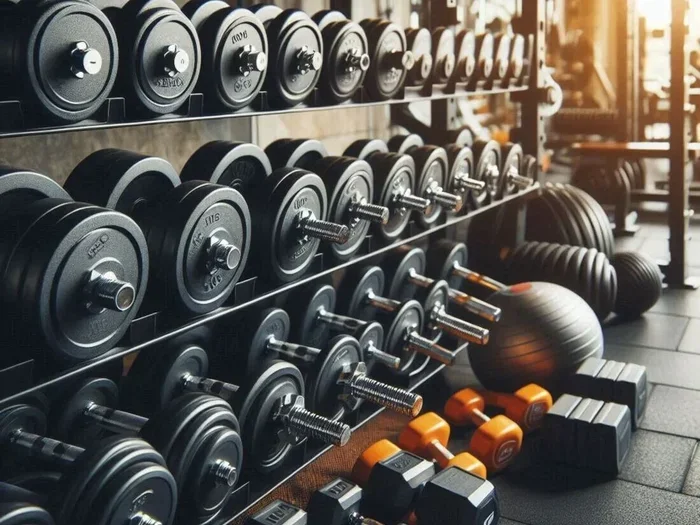
Deciding between a barbell and dumbbells depends on your fitness goals, budget, and available space. Both are excellent free weights for strength training, but they serve different purposes. This guide helps you pick the right option for your home gym setup.
Choosing between a barbell and dumbbells is one of the biggest decisions you will make for your home gym. Both pieces of equipment are staples in strength training, but they work very differently. A barbell lets you lift heavy and build raw power. Dumbbells offer flexibility and target muscles from all angles. So which one should you buy?
The answer depends on your fitness goals, budget, and how much space you have. If you want to build big compound lifts like squats and deadlifts, a barbell wins hands down. But if you prefer variety in your workout routine and have limited space, dumbbells might be the smarter pick. Let us break it all down so you can make a confident choice.
Key Takeaways
- Barbells are best for: Heavy compound lifts, building raw strength, and progressive overload.
- Dumbbells are best for: Isolation exercises, unilateral training, and smaller spaces.
- Budget matters: A quality barbell setup can cost less than a full dumbbell set.
- Space constraints: Dumbbells take up more room than a single barbell and plates.
- Both tools complement each other: A combined approach offers the best results for most fitness goals.
- Start with your goals: Your fitness objectives should drive your purchase decision.
📑 Table of Contents
Barbell vs Dumbbells: What Is the Real Difference?
A barbell is a long metal bar with weighted plates loaded on each end. You hold it with both hands and use it for big, compound movements. Think squats, bench press, and deadlifts. Barbells let you load a lot of weight, which is perfect for building raw strength and muscle mass.
A dumbbell is a short weight you hold in one hand. You can use them one at a time or in pairs. Dumbbells allow each arm to work independently, which helps fix strength imbalances. They also open up a huge range of exercises for every muscle group.
How They Train Your Body Differently
Barbells force your body to move in a fixed path. This is great for lifting heavy safely with a spotter or power rack. Dumbbells let your joints move freely, which can be easier on your body and better for natural movement patterns. Both tools build muscle, but they challenge your body in different ways.
If you are just starting out, you might want to try both. Many people find that a barbell handles the heavy lifting while dumbbells fill in the gaps. This combo approach is what most serious lifters use in their workout routine.
Benefits of Buying a Barbell
A barbell is the king of heavy lifting. If your main goal is to get stronger and build muscle mass, a barbell should be at the top of your list. Here is why so many lifters choose a barbell as their primary piece of home gym equipment.
You Can Lift Heavier
Barbells allow you to load much more weight than dumbbells. This matters because lifting heavier weights over time is the key to getting stronger. This concept is called progressive overload, and it is the foundation of any good strength training program.
With a barbell, you can do squats, bench press, and barbell rows with hundreds of pounds. Dumbbells simply cannot match that level of resistance. If your goal is to build maximum strength, a barbell is the way to go.
Better for Compound Movements
Compound exercises work multiple muscle groups at once. They are the most efficient way to build overall strength and burn calories. A barbell is the perfect tool for these movements:
- Barbell squat – builds your legs, glutes, and core
- Barbell bench press – targets your chest, shoulders, and triceps
- Barbell deadlift – works your entire posterior chain
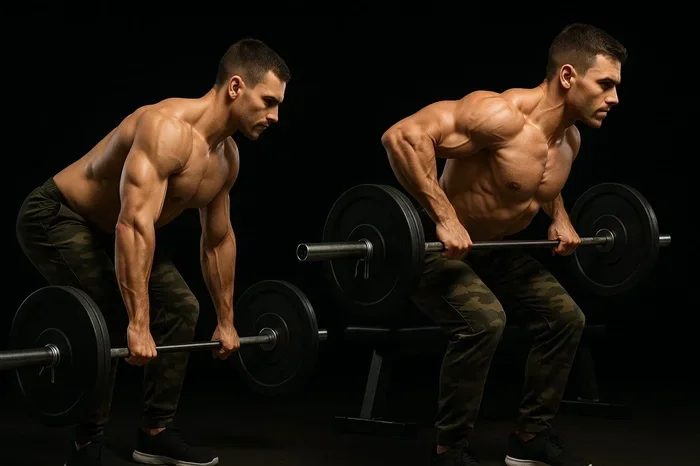
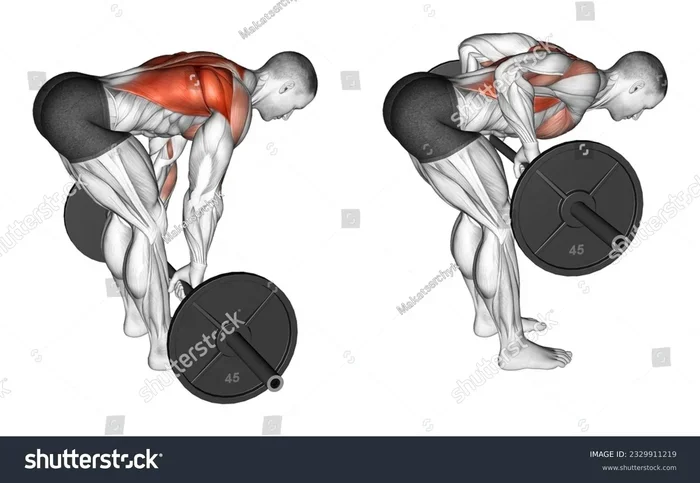
- Barbell row – strengthens your back and biceps
These exercises form the backbone of most strength programs. You simply cannot do them as effectively with dumbbells alone. If you want a serious weight lifting setup, a barbell is essential.
Progressive Overload Made Easy
Progressive overload means gradually adding more weight over time. With a barbell, you can add small plates in 2.5 or 5-pound increments. This gives you precise control over your resistance training progression. You can track your gains and keep pushing your limits safely.
With dumbbells, you are often stuck with fixed weight jumps. A set might go up by 5 pounds at a time, which can be too much too fast. A barbell gives you the fine-tuning you need for steady, safe progress.
Benefits of Buying Dumbbells
Dumbbells are incredibly versatile and beginner-friendly. They are also a great choice if you have a small space or a limited budget. Here is why many people prefer dumbbells for their home gym.
They Take Up Less Space
A full dumbbell rack can fit in a small room or even a closet corner. A barbell setup needs space for a power rack, plates, and room to move. If you live in an apartment or a small home, dumbbells are the more space-friendly option.
You can store a set of adjustable dumbbells on a shelf. A barbell and plate setup needs floor space and a proper rack. Consider your available space before you buy.
Great for Beginners
Dumbbells are safer and more intuitive for beginners. You do not need a spotter, and the risk of injury is lower. Each arm works independently, which means you can spot your own imbalances early on.
If you are new to fitness training, starting with dumbbells is a smart move. You can learn proper form on many exercises without the intimidation of heavy barbell lifts. Once you build confidence, you can always add a barbell later.
More Exercise Variety
Dumbbells open up a massive range of exercises. You can do curls, presses, flies, rows, lunges, and hundreds of other movements. Many of these exercises are difficult or impossible to replicate with a barbell alone.
For example, a dumbbell fly targets your chest in a way that a barbell bench press cannot. A single-arm dumbbell row lets you focus on one side at a time. This variety keeps your workouts fresh and targets muscles from every angle.
Fix Muscle Imbalances
One of the biggest advantages of dumbbells is unilateral training. This means each arm or leg works on its own. It is very common for one side of your body to be stronger than the other. Dumbbells help you identify and fix these imbalances over time.
With a barbell, your stronger side can take over and hide the weaker side. Dumbbells force both sides to work equally, leading to more balanced muscle building and better overall strength.
Which One Fits Your Fitness Goals?
Your fitness goals should be the main factor in your decision. Let us look at a few common goals and see which tool fits best.
Goal: Build Maximum Strength
If you want to lift heavier and get stronger, a barbell is the clear winner. Barbell squats, bench press, and deadlifts are the gold standard for building raw power. You can progressively add weight each week and track your progress with precision.
A barbell also lets you do powerlifting-style training. This approach focuses on three core lifts and building absolute strength. If this sounds like your style, invest in a quality barbell and a set of plates.
Goal: Build Muscle and Tone
For muscle building and toning, both tools work well. However, dumbbells offer more variety for isolation exercises. You can target specific muscles and create a well-rounded physique. Think dumbbell curls for biceps, lateral raises for shoulders, and tricep kickbacks.
Many people who want to build muscle use both. A barbell for big compound lifts and dumbbells for accessory work. This combination gives you the best of both worlds.
Goal: Lose Weight and Get Fit
Both barbells and dumbbells can help with weight loss. Compound barbell exercises burn a lot of calories because they recruit many muscle groups. Dumbbell circuits and supersets also boost your heart rate and burn fat.
If you prefer circuit-style workouts at home, dumbbells are more convenient. You can move quickly from exercise to exercise without reloading a barbell. For fat loss workouts, dumbbells often win on convenience.
Budget and Space Considerations
Let us talk numbers. Your budget and available space play a big role in what you should buy.
Cost Comparison
A basic barbell and plate set can cost anywhere from $200 to $500 for a quality setup. You also need a power rack or squat stand for safety, which adds $300 to $1,000. So a complete barbell setup can run $500 to $1,500.
A good set of adjustable dumbbells can cost $300 to $600. Fixed dumbbells are cheaper but take up more space. Overall, a barbell setup tends to cost more when you factor in the rack and accessories.
If you are on a tight budget, dumbbells might be the better starting point. You can always add a barbell later as your fitness journey progresses. Check out this guide on should I buy dumbbells or go to the gym for more budget tips.
Space Comparison
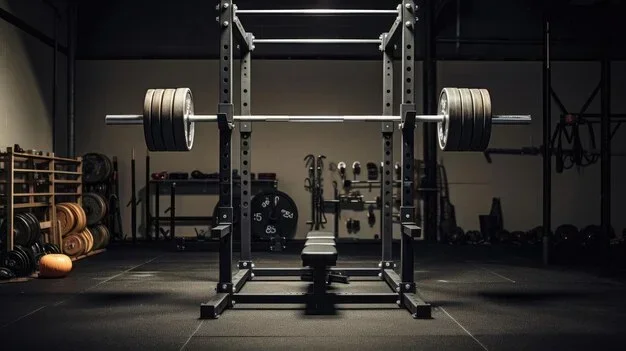
A barbell setup needs a dedicated area. You need room for the rack, space to bench press, and clearance for squats and deadlifts. A typical setup needs about 10 by 10 feet of floor space.
Dumbbells need far less space. A pair of adjustable dumbbells and a small bench can fit in a 6 by 6-foot area. If you have a small room or shared space, dumbbells are the more practical choice.
Which Is Better for Small Apartments?
If you live in an apartment or a small home, dumbbells are the clear winner. They store easily and make less noise. A barbell and heavy plates can also be noisy, which might bother neighbors. A set of adjustable dumbbells lets you get a full workout without the hassle.
That said, if you have a garage or a dedicated room, a barbell setup works great. The key is to match your equipment to your living situation.
The Bottom Line
So, should you buy a barbell or dumbbells? The honest answer is it depends on you. Both are fantastic tools for strength training and muscle building. The best choice comes down to your goals, budget, and space.
If you want to lift heavy and build raw strength, a barbell is your best bet. If you want versatility, space savings, and beginner-friendly training, dumbbells are the way to go. And if you can swing it, having both gives you the most complete home gym experience.
Many people start with dumbbells and add a barbell later as they get stronger. This is a smart approach because it lets you grow with your equipment. You can also check out do I need a barbell if I have dumbbells to learn more about combining both tools.
Whatever you choose, the most important thing is to start. Consistency matters more than equipment. Pick the tool that fits your life, show up regularly, and you will see results. Both a barbell and dumbbells can help you build a stronger, healthier body. The best one is the one you will actually use.
If you are still unsure, consider your fitness goals honestly. Write down what you want to achieve. Then match your equipment choice to those goals. You can always adjust later. The most important step is taking action today.
For those who want to train both sides of their body equally, you might wonder about combining barbell and dumbbell work. Check out should I do both dumbbell and barbell bench press to learn how to integrate both into your routine effectively.
Frequently Asked Questions
Can I build muscle with just dumbbells?
Yes, you can build muscle with just dumbbells. They allow for a wide range of exercises that target every major muscle group. While barbells let you lift heavier, dumbbells offer enough resistance for most muscle-building goals, especially for beginners and intermediate lifters.
Is a barbell or dumbbell better for beginners?
Dumbbells are generally better for beginners. They are safer, easier to learn, and do not require a spotter. They also help you identify and fix strength imbalances early on. You can always add a barbell once you build a solid foundation.
How much does a basic barbell setup cost?
A basic barbell and plate set costs between $200 and $500. Add a power rack or squat stand, and the total can reach $500 to $1,500. Dumbbells are often cheaper upfront, especially if you buy a set of adjustable ones.
Can I use both a barbell and dumbbells in the same workout?
Absolutely. Many lifters use barbells for compound lifts like squats and bench press, then switch to dumbbells for isolation work. This combination gives you the benefits of both heavy lifting and targeted muscle work.
Which takes up more space, a barbell or dumbbells?
A barbell setup takes up more space because you need a rack, plates, and room to move. Dumbbells can be stored on a shelf or rack and need far less floor space. If space is limited, dumbbells are the more practical choice.
Should I buy adjustable or fixed dumbbells?
Adjustable dumbbells save space and money in the long run. They let you change weight quickly between sets. Fixed dumbbells are cheaper upfront but take up more room and cost more if you need many different weights. Adjustable is usually the better option for home gyms.