Should I Buy Dumbbells or Go to the Gym

The choice between buying dumbbells and getting a gym membership isn’t about which is objectively better, but which is better for YOU. It hinges on your budget, available space, fitness goals, motivation style, and lifestyle. Dumbbells offer unmatched convenience and long-term cost savings but limited exercise variety. A gym provides endless equipment and a motivating community but comes with recurring fees and commute time. This analysis dives deep into the financial, practical, and psychological factors to help you make the perfect decision for your fitness journey.
So, you’re ready to get serious about fitness. You’ve got the motivation, the goal (lose fat, build muscle, get stronger), and the commitment. But then hits the first logistical hurdle: Should I buy dumbbells or go to the gym? It’s a classic debate, and the answer isn’t as simple as “one is better.” It’s a deeply personal calculation of your money, your space, your personality, and your long-term vision. Let’s break it down, piece by piece, to help you build the fitness setup that actually works for your life.
Key Takeaways
- Financial Trade-Off: Dumbbells have a high upfront cost but near-zero recurring fees; gyms have a low barrier to entry but are a perpetual monthly expense that adds up significantly over years.
- Space & Convenience is King: Home dumbbells eliminate commute time and allow for spontaneous workouts, but require dedicated, safe storage space in your home.
- Variety vs. Focus: Gyms offer hundreds of exercise options with machines and cables; a dumbbell set forces focus on compound movements and requires more creativity for full-body training.
- Motivation is Personal: Some thrive on the energy and accountability of a gym community; others are distracted by it and prefer the private, no-judgment zone of their home.
- Progressive Overload is Possible with Both: You can consistently get stronger with dumbbells via increased weight, reps, sets, and tempo, but the weight ceiling is your purchase limit versus a gym’s vast rack.
- Long-Term Habit Formation: The easiest option to stick with is the one that aligns with your daily routine and removes the most friction. Consistency trumps any specific equipment choice.
- The Hybrid Model is a Powerful Compromise: Many find success using dumbbells for foundational strength at home and a gym membership for accessory work, cardio, or social days.
📑 Table of Contents
- The Financial Equation: Upfront Cost vs. The Never-Ending Invoice
- Space, Convenience, and Your Lifestyle: The Daily Reality Check
- Workout Variety and Progressive Overload: Can You Really Get “Big” with Just Dumbbells?
- Motivation, Accountability, and The Social Factor
- Long-Term Sustainability and Habit Formation
- The Hybrid Approach: Best of Both Worlds?
- Conclusion: Your Decision Framework
The Financial Equation: Upfront Cost vs. The Never-Ending Invoice
Money talks, and it often makes the final decision. Let’s speak its language clearly.
The Dumbbell Investment: Pay Once, Train Forever
Buying a quality set of dumbbells is a capital expenditure. You pay a significant sum upfront and own a physical asset. A versatile, long-lasting set of adjustable dumbbells (like the popular Bowflex SelectTech or similar) can cost anywhere from $300 to $700 for a pair that goes from 5 to 50+ pounds. A full rack of fixed dumbbells (5, 10, 15, 20, 25, 30 lbs, etc.) can easily surpass $1,000 if you buy new, though you can find used sets for less. The key here is the “pay once” model. After that initial purchase, there are no more fees. No monthly deductions. No annual “processing” charge. In 2-3 years, you’ve already saved money compared to a $50-$100/month gym membership. It’s an investment in a tool you can sell later (dumbbells hold resale value well) or pass on.
The Gym Membership: The Slow Drain
A gym membership is an operational expense. It’s low barrier to entry—often just a $100-$200 initiation fee and $30-$80 monthly. It feels cheap initially. But do the math: at $60/month, that’s $720 a year. In three years, you’ve spent $2,160+ (with annual fees). In five years? Over $3,600. That’s a used car down payment or a killer vacation. And that’s for a basic membership. Premium clubs with pools, classes, and multiple locations can hit $150+/month, doubling that cost. You also often face hidden fees: registration, annual maintenance, or charges for “premium” classes. You are, in essence, renting access to equipment you’ll never own.
The Hidden Costs of Each Path
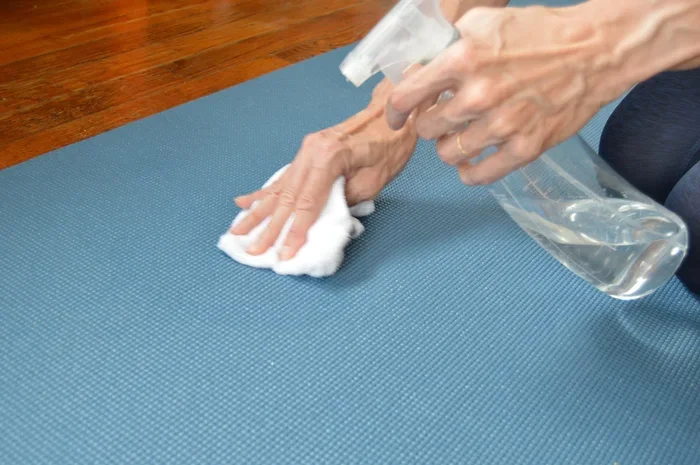
Don’t forget the extras. With dumbbells, you might need a sturdy weight bench ($100-$300), a yoga mat, and perhaps some resistance bands for variety. Your floor might need protection. With a gym, you have the commute cost—gas, public transit, or parking fees. You might buy gym-specific clothes, shoes, and a lock. There’s also the priceless cost of your time. A 30-minute workout becomes a 60-minute event with showering, driving, and changing. That’s an opportunity cost many fail to calculate.
The Verdict: If you have the capital and plan to train consistently for 3+ years, dumbbells are financially superior. If you want minimal upfront cost and value variety over ownership, a gym wins short-term. But run the 5-year projection—it’s often shocking.
Space, Convenience, and Your Lifestyle: The Daily Reality Check
This is where dreams meet reality. Your living situation dictates a huge part of this decision.

Visual guide about Should I Buy Dumbbells or Go to the Gym
Image source: jayshomegym.com
The Home Gym Reality: Square Footage Matters
A set of adjustable dumbbells and a folding bench can fit in a closet or under a bed. That’s the dream for apartment dwellers or those with minimal space. But if you want a full experience, you need a dedicated zone. Consider: Is there a room or corner where you can leave equipment out? Can your floor support dropped weights (concrete subfloors are best; upstairs apartments are risky)? Is there ventilation? Noise is a factor—thudding dumbbells on the floor will bother downstairs neighbors or family. You need to be honest about your spatial constraints. A 50lb dumbbell dropped from waist height can crack tile.
The Gym Commute: Time as the Ultimate Currency
Convenience isn’t just about having equipment at your feet; it’s about friction. The gym’s biggest advantage is also its biggest flaw: you have to go there. That means scheduling your life around its hours. It means battling traffic, finding parking, or waiting for a crowded train. It means the 5 PM “rush hour” where every bench and squat rack is taken. The “I’ll just skip today because it’s raining and I’d have to drive” mentality is powerful. The 10-minute walk to a gym 2 miles away adds 20 minutes of round-trip commute to every workout. Multiply that by 4 workouts a week—that’s over 6 hours a month just in transit. Home training removes every single one of these barriers. Pajamas? Fine. 10 PM workout? No problem. Baby’s napping? Perfect timing.
Lifestyle Sync: When Does Your Energy Peak?
Are you a morning person who wants to crank out a session before the day begins? A home gym lets you roll out of bed and start. Are you a night owl who finishes work at 8 PM? The gym might be closed or feel like a ghost town (which can be good or bad). Do you travel for work? A gym membership is often wasted money on travel weeks unless it’s a massive national chain. A pair of dumbbells in a hotel room or your suitcase (with resistance bands) can keep you on track anywhere.
The Verdict: If you have dedicated, quiet, sturdy space at home, convenience is a massive win for dumbbells. If you live in a tiny apartment, share with noisy roommates, or lack a safe floor, the gym’s dedicated space is worth the fee. Time-poor individuals almost always benefit from eliminating the commute.
Workout Variety and Progressive Overload: Can You Really Get “Big” with Just Dumbbells?
This is the core fitness question. Can you achieve all your goals—strength, hypertrophy, endurance—with a limited set of tools?

Visual guide about Should I Buy Dumbbells or Go to the Gym
Image source: static.vecteezy.com
The Gym’s Playground: Endless Options
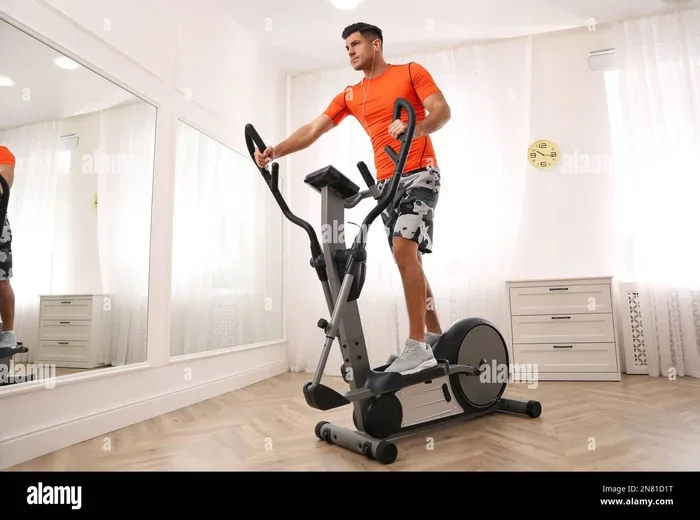
Walk into any decent gym, and you see a universe of movement. Cable machines with adjustable pulleys for constant tension. Leg press and hack squat machines for heavy leg work with less spinal load. Pec dec machines, lat pulldown stations, smith machines, kettlebells, medicine balls, plyo boxes, treadmills, ellipticals. This variety is a double-edged sword. It’s fantastic for targeting specific muscles, working around injuries, and preventing boredom. You can do 10 different exercises for biceps. It’s also great for beginners who need guided range of motion (a machine leg press teaches the movement pattern before free weights). However, this variety can also lead to “exercise ADD”—jumping from machine to machine without a coherent plan, burning time without building real strength.
The Dumbbell Discipline: Master the Fundamentals
With a set of dumbbells and a bench, your exercise menu is smaller but incredibly potent. You’re largely limited to: presses (chest, shoulder), rows (back), squats/lunges (legs), deadlifts (posterior chain), curls (biceps), and extensions (triceps). That’s it. But within that, you can create endless variations. Incline, decline, flat presses. Single-arm, double-arm. Neutral grip, pronated grip. The key is progressive overload—the cornerstone of getting stronger and bigger. With dumbbells, you progress by: 1) Increasing weight (buying heavier dumbbells or adjusting your set). 2) Increasing reps/sets. 3) Improving form and mind-muscle connection. 4) Manipulating tempo (slower eccentrics). 5) Decreasing rest time. The limitation is the maximum weight you own. If you can dumbbell press 70lbs for 12 reps, to get stronger you need 75lb dumbbells. That’s another purchase. A gym has 100lb dumbbells and 200lb bars ready.
The Functional & Stability Argument
Dumbbells force more stabilizer muscle engagement than machines. A dumbbell bench press requires your shoulders and core to stabilize two independent weights. A barbell or machine press provides more stability. This can be good for functional strength and joint health but also means you might press less weight overall. For pure maximal strength in a movement like the squat or bench, a barbell is superior. But for general fitness, muscle building, and injury prevention, dumbbells are exceptional.
The Verdict: If your goal is to be a competitive powerlifter or bodybuilder needing maximal loads and extreme muscle isolation, the gym’s equipment is non-negotiable. If your goal is to be strong, healthy, and fit—to look good, feel good, and perform daily tasks with ease—a well-programmed dumbbell routine is 95% as effective. The 5% gap is for elite athletes or those with very specific physique goals.
Motivation, Accountability, and The Social Factor
Psychology is the most overlooked variable. The best equipment in the world is useless if you don’t use it.

Visual guide about Should I Buy Dumbbells or Go to the Gym
Image source: blogger.googleusercontent.com
The Gym “Vibe”: Energy and Intimidation
For some, walking into a gym is electric. The music, the clanging of weights, the sight of others working hard—it creates a contagious energy that pushes you to do an extra rep. There’s a subtle social accountability; people see you, which can make you skip fewer workouts. You might make friends, get spotting help, or learn from watching others. Group classes offer scheduled, guided motivation. But for many others, this is a source of anxiety. Gym intimidation is real. Feeling judged by “meatheads,” worrying about looking foolish, or being self-conscious about your body can make the gym a place of dread, not destination. You might skip workouts to avoid peak hours, negating the membership’s value.
The Home Sanctuary: Focus Without Distraction
Your home is your domain. No one is watching. You can grunt, wear whatever (or nothing), take as long as you need between sets, and practice form in front of a mirror without a side-eye. This is a massive advantage for beginners, those with body image issues, or anyone who just wants to zone out with headphones. The downside? No external energy. When you’re tired, it’s just you and the couch. There’s no “I drove all the way here, I might as well work out” inertia. You must be entirely self-motivated. There’s no instructor correcting your form (unless you use an app or video), increasing the risk of injury over time if you’re not diligent.
Routine and Ritual
Consider your existing habits. Do you have a rigid morning routine? Adding a 20-minute home workout might slot in perfectly. Do you already commute past the gym on your way home from work? Stopping in could be an easy habit to anchor to an existing one. The path of least resistance wins. For parents with young kids, a home gym allows for “nap time workouts” with zero logistics. For social butterflies, the gym might be a primary outlet.
The Verdict: Be brutally honest about your personality. Do you need external structure and energy? Choose the gym. Do you thrive in solitude and hate crowds? Choose dumbbells. There is no right or wrong, only what fuels your consistency.
Long-Term Sustainability and Habit Formation
This is the ultimate goal: not just starting, but sticking with it for years. Which setup better supports a lifelong habit?
The Frictionless Advantage of Home
Habit formation science tells us that reducing friction is key. The easier an action is to start, the more likely it is to become automatic. A home gym with dumbbells removes nearly all friction. No packing a bag. No locking your car. No checking in. No waiting for equipment. The moment you decide to workout, you can be in position in 60 seconds. This is a monumental psychological advantage for building an unbreakable habit. It turns “going to the gym” from a separate event with planning overhead into a seamless part of your day, like brushing your teeth.
The Commitment Device of a Membership
Conversely, a gym membership can act as a commitment device. You’ve paid money you don’t want to waste. The sunk cost fallacy can be a powerful motivator to not skip workouts. For people who need that external financial penalty to stay honest, the gym’s recurring charge is a feature, not a bug. However, if you miss a month, you’ve still paid, and the feeling of “wasted money” can breed resentment, not motivation.
The Boredom Curve
Both options face boredom. With dumbbells, you have a limited exercise pool. You must be disciplined in programming—using different rep schemes, tempos, and exercise variations to stay fresh. With a gym, the endless options can lead to a lack of focus. You might never master any one movement. The key to sustainability in either case is having a clear plan. A simple, progressive dumbbell program (like Starting Strength or a Push/Pull/Legs split) followed for 6-12 months is far better than a vague, meandering gym routine. The tool doesn’t guarantee sustainability; the system and mindset do.
The Verdict: For sheer ease of integration into daily life and elimination of excuses, the home dumbbell setup is the champion of habit formation. For those who need a financial “stick” and the structure of a dedicated location, the gym can work. But friction is the enemy of habit, and home wins that battle almost every time.
The Hybrid Approach: Best of Both Worlds?
You don’t have to choose one or the other in a vacuum. A growing number of fitness enthusiasts are adopting a hybrid model, and it might be the smartest solution for many.
How the Hybrid Model Works
The classic hybrid: Use a core set of dumbbells at home for your foundational, heavy, compound lifts—squats, presses, rows, deadlifts. Then, purchase a limited-access gym membership (like a “powerlifting gym” or “crossfit box” that’s cheaper and less crowded than a commercial mega-gym) specifically for: 1) Access to a barbell and heavy rack for true maximal strength work. 2) Cable machines for light, high-rep accessory work and constant-tension exercises. 3) Specialty equipment like a leg press or hip thrust machine. 4) Occasional group classes for cardio and variety. This way, you get the convenience of daily home training with the occasional “play” of a full gym.
Other Hybrid Flavors
Another model: Get a basic gym membership but also buy a pair of adjustable dumbbells for home. On days you’re crunched for time, or the gym is packed, you do a quick, effective dumbbell circuit at home. This keeps the habit alive even when the primary plan falls through. Or, use the gym for 6 months to learn form and build a base, then transition to a home gym once you know exactly what weights you need and have a solid program.
Is Hybrid Right for You?
This model is ideal if: You have a moderate budget (can afford both a small home investment and a basic gym fee). You have some home space for a few key pieces. You value both convenience and variety. You are self-motivated enough to use the home gear regularly. The primary downside is cost—you’re paying for both. But if you use both intentionally, the value can justify the expense.
The Verdict: Don’t see this as an all-or-nothing choice. A hybrid approach can mitigate the weaknesses of each option. Try a “home-only” month and a “gym-only” month. See which friction points drive you crazy and which benefits you miss most. Your perfect blend might be 80% home dumbbells, 20% gym access.
Conclusion: Your Decision Framework
So, should you buy dumbbells or go to the gym? Let’s synthesize it into a decision tree:
- Buy Dumbbells (and maybe a bench) if: You have dedicated space, are on a long-term budget, hate commutes/crowds, are self-motivated, and your primary goals are general strength, muscle, and health (not elite powerlifting/bodybuilding). You value freedom, flexibility, and a frictionless habit.
- Get a Gym Membership if: You lack safe home space, thrive on social energy/accountability, need vast equipment variety for specific goals or injury work, and can afford the perpetual cost. You enjoy the ritual and separation of “going to workout.”
- Go Hybrid if: You have a medium budget, want both convenience and variety, and are organized enough to use two systems. This is often the most balanced, sustainable path for dedicated enthusiasts.
The single most important factor is which option you will use consistently for years. A $500 set of dumbbells gathering dust is a worse investment than a $600/year gym membership you use 4x a week. Be honest about your space, your schedule, your wallet, and your mind. The best fitness tool is the one that becomes a seamless, joyful part of your life. Start there.
Frequently Asked Questions
Can I build a significant amount of muscle with just dumbbells?
Absolutely. For the vast majority of people, a progressive dumbbell program focusing on compound movements (presses, rows, squats, deadlifts) is more than sufficient to build a strong, muscular physique. The key is consistent progressive overload—systematically increasing weight, reps, or sets over time. The only limitation is the maximum weight you own.
What’s the minimum space I need for a functional dumbbell home gym?
You can fit a highly effective setup in a 6×6 foot corner. You need space for: 1) A stable weight bench (or a sturdy chair/ottoman in a pinch). 2) Room to safely lie down and press weights overhead without hitting anything. 3) Clear space to step or lunge. Ensure your ceiling height is adequate for overhead presses and that your floor can withstand weight drops (use rubber mats).
Are adjustable dumbbells or a full fixed set better for a home gym?
Adjustable dumbbells (like Bowflex or similar) are the space-saving champion and often more cost-effective for a wide weight range (e.g., 5-50 lbs). They are perfect for most home lifters. A full fixed set is more durable, allows instant weight changes between sets (faster for supersets), and has no mechanical parts to break, but requires a large rack and significant space and expense. For 95% of people, high-quality adjustable dumbbells are the smarter start.
How do I stay motivated to work out at home without a gym’s atmosphere?
Create your own atmosphere. Invest in good headphones and a killer playlist or podcast. Use a mirror to check form. Track every workout in a notebook or app—seeing progress is a huge motivator. Schedule your sessions like non-negotiable appointments. Sometimes, just putting on your workout clothes is the trigger. Remind yourself that the 20-minute home workout you do is infinitely better than the 90-minute gym session you don’t.
What’s the biggest mistake people make when choosing between these options?
Choosing based on fantasy, not reality. “I’ll get a gym membership and go every day!” without accounting for commute time and schedule volatility. Or “I’ll buy dumbbells and build a home gym!” without measuring their closet space or considering their upstairs neighbors. Be ruthlessly practical. Audit your weekly schedule, measure your available square footage, and look at your bank account. Base the decision on what you will *actually* do, not on an idealized version of yourself.
Is a cheap, no-contract gym membership (like Planet Fitness) a good compromise?
For very beginners or those on an extreme budget, yes. It provides basic equipment and a consistent location for $10-$25/month. However, be aware of their limitations: they often lack heavy free weights (no barbells, limited dumbbell max), prohibit certain exercises (deadlifts, grunting), and can be very crowded. It’s a great “foot in the door” to build the habit, but you may outgrow it quickly if you develop serious strength goals.