How to Make a Yoga Mat More Sticky
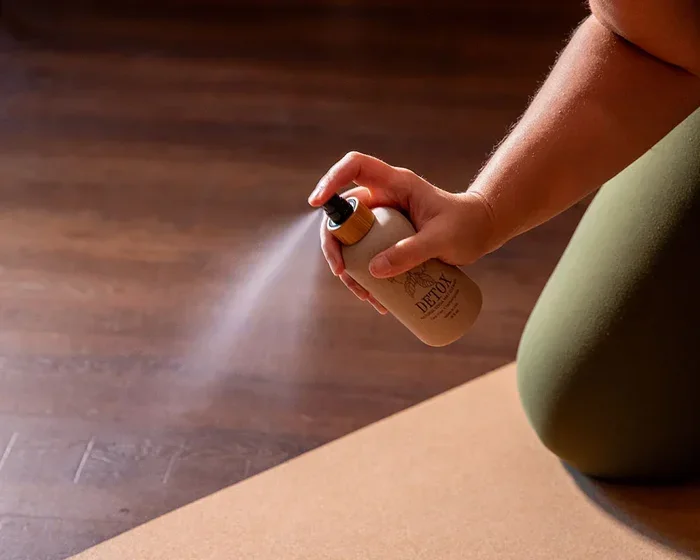
How To Make A Yoga Mat More Sticky is easier than you think, and it only takes a few simple steps using items you already have at home. Over time, sweat, dirt, and product buildup cause mats to lose their grip, but a quick deep clean or a light application of grip spray brings back that essential traction. Whether you prefer a natural DIY solution or a store-bought mat cleaner, these methods will keep you safe and stable through every pose.
Key Takeaways
- Clean your mat regularly: Sweat and oils build up and reduce grip over time.
- Use a natural grip spray: Salt or TPE sprays add instant traction to any surface.
- Dry your mat completely: Residual moisture weakens stickiness and creates slippery conditions.
- Choose the right material: Natural rubber and TPE mats offer superior grip compared to PVC.
- Warm up your mat: Gentle heat activates the surface texture for better stickiness.
- Skip hand lotions before practice: Oils and creams reduce friction between hands and mat.
- Replace worn-out mats: Old surfaces lose texture and natural stickiness beyond repair.
📑 Table of Contents
Why Your Yoga Mat Loses Its Grip Over Time
You unroll your yoga mat with excitement. You take a deep breath. You step onto the surface and… your hands start sliding everywhere. Sound familiar? A sticky yoga mat is the foundation of every good practice. When that grip disappears, your flow falls apart.
Over time, sweat, dirt, and natural oils build up on the mat surface. This creates a thin film that reduces yoga mat traction. Cheap mats made from low-grade PVC or TPE tend to lose their texture faster. Even high-end rubber mats go through a grip decline if you don’t care for them properly.
The good news? You can bring that sticky yoga surface back to life. You don’t need to buy a new mat. Most fixes are cheap, fast, and work with stuff you already have at home. Let’s walk through exactly how to make a yoga mat more sticky, step by step.
Natural Ways to Make Your Yoga Mat Stickier
Before you reach for store-bought products, try these natural methods. They are safe for most mat materials and won’t leave behind harsh chemical residue.
Sea Salt and Water Scrub
Sea salt is a natural abrasive. It gently roughs up the mat surface and restores texture. Mix about two tablespoons of sea salt with one cup of warm water. Use a soft cloth to scrub the entire top surface of your mat. Rinse it thoroughly with clean water. Let it air dry completely before rolling it up.
This method works best on rubber and TPE mats. Avoid using it on mats with a delicate foam layer. The salt crystals can tear soft surfaces over time.
Baking Soda Paste
Baking soda lifts grime without damaging the mat. Make a paste with three parts baking soda and one part water. Spread it across the surface with your hands. Let it sit for 15 minutes. Scrub gently with a damp cloth and rinse well.
Many yogis swear by this mat cleaning routine. It removes the invisible film that makes hands slip. For a deeper clean, check out our guide on how to clean a yoga mat with baking soda for more detailed steps.
Essential Oil Spray
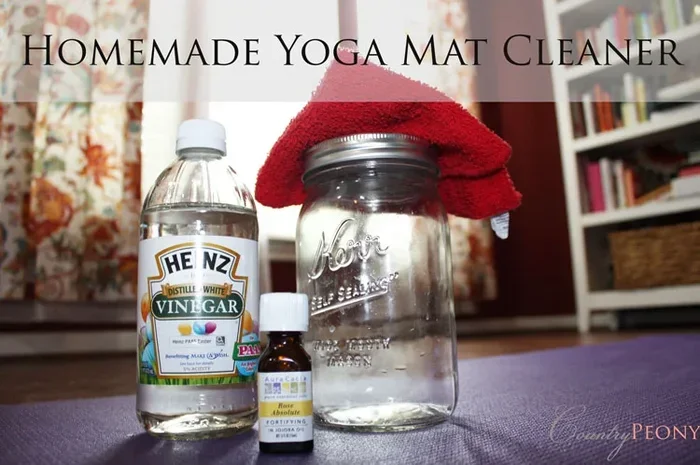
A light mist of essential oil spray adds a natural tacky feel to the mat surface. Mix 10 drops of tea tree oil with one cup of water in a spray bottle. Tea tree oil has natural antimicrobial properties too. Spray lightly across the mat and wipe it down with a dry cloth.
Don’t soak the mat. Too much oil creates a slippery layer instead of a sticky one. Less is more here. If you want a full recipe, our article on how to make yoga mat spray with essential oils has great tips.
Commercial Products That Boost Mat Stickiness
Natural fixes work well for regular maintenance. But sometimes you need something stronger. Commercial products are designed specifically for this purpose. Here is a quick comparison of popular options.
| Product | Type | Best For | Price Range |
|---|---|---|---|
| Grippy Mat Spray | Spray | Rubber and TPE mats | $10 – $15 |
| Yoga Mat Renew | Wipe | PVC and foam mats | $8 – $12 |
| Sticky Grip Gel | Gel | All mat types | $12 – $20 |
| Mat Renewal Balm | Balm | Old, worn rubber mats | $15 – $25 |
When choosing a product, look for water-based formulas. Avoid anything with petroleum or silicone. These ingredients create a coating that makes the mat worse over time. A good sticky mat spray penetrates the surface rather than sitting on top of it.
Always test any product on a small area first. Some mats react differently to chemicals. Give it 24 hours to see if the texture changes before applying it everywhere.
How to Clean Your Mat for Better Grip
Cleaning and stickiness go hand in hand. A dirty mat loses its grip fast. Sweat and body oils form a invisible layer that tricks your hands into sliding. A proper mat cleaning routine keeps the surface texture intact.
Daily Cleaning Habits
Wipe your mat after every session. Use a lightly damp cloth with a few drops of mild soap. This removes surface sweat before it soaks in. Hang the mat to dry in open air. Never roll a wet mat. Trapped moisture breeds bacteria and breaks down the material.
Weekly Deep Clean
Once a week, give your mat a deeper clean. Mix warm water with a small amount of gentle dish soap. Dip a soft sponge and work in circular motions. Focus on the areas where your hands and feet press the most. Rinse with clean water and hang it over a shower rod to dry.
If your mat has a strong odor, sprinkle baking soda on it before the wash. Let it sit for 10 minutes. This absorbs smells and pulls out deep grime. For more on deep cleaning, visit our guide on how to clean a yoga mat in the bathtub for step-by-step instructions.
What NOT to Do
- Don’t use bleach or harsh chemicals. They break down the mat material.
- Don’t put your mat in the washing machine unless it is specifically machine-washable.
- Don’t use a hairdryer or direct heat to dry it. High heat warps and cracks the surface.
- Don’t leave it in direct sunlight for hours. UV rays degrade the grip material.
For machine washing guidance, check our article on how to wash a yoga mat in the washer to learn which mats can handle it safely.
Practical Tips to Improve Yoga Mat Traction
Beyond cleaning and surface treatments, small habits make a big difference. These tips help you maintain yoga mat grip during every session.
Use a Yoga Grip Towel
A yoga grip towel adds an extra layer of texture on top of your mat. Dampen it slightly before placing it over the mat. The towel absorbs sweat and gives your hands something to hold onto. It is especially helpful during hot yoga or intense flows.
Bare Feet Work Better
Yoga socks with grips help on some surfaces. But bare feet connect directly to the mat texture. This gives you the best yoga mat friction. If you prefer socks, choose ones with silicone grip dots instead of rubber ones. Silicone grips tend to stick better on most mat surfaces.
Apply Rosin or Chalk
Rock climbers use chalk to improve grip. You can do the same for yoga. Apply a thin layer of climbing chalk or rosin to your palms and feet before stepping on the mat. It absorbs moisture and increases friction instantly. This is one of the fastest ways to restore mat adhesion during a session.
Check Your Mat Thickness
Thicker mats feel cushy but they often sacrifice grip. A standard 6mm mat offers a good balance of comfort and traction. If your mat is extra thick (8mm or more), the surface may feel less stable. Consider switching to a thinner mat if stickiness is a constant issue.
Preventive Tips to Maintain Stickiness Long-Term
Once you restore the grip, you want to keep it. Prevention is easier than fixing a slippery mat every week. Here is what works.
- Store your mat unrolled in a cool, dry place. Heat and humidity warp the surface.
- Wipe it down after every single use. This one habit alone extends mat life by months.
- Avoid placing your mat on rough surfaces like concrete. The texture gets sanded down over time.
- Roll your mat with the top side facing out. Rolling it the wrong way creases the surface and creates uneven grip.
- Replace your mat every 12 to 18 months if you practice daily. Even the best non-slip yoga mat wears out eventually.
How to Know When It Is Time for a New Mat
No amount of cleaning or spraying fixes a mat that is physically worn out. Watch for these signs. The surface feels smooth and shiny even after scrubbing. Deep grooves and tears appear in the material. Your hands and feet consistently slip no matter what you try. The mat develops a permanent odor that won’t go away. When you notice these signs, it is time to invest in a new one.
For guidance on choosing the right thickness and material, check our article on how thick does a yoga mat need to be to find the perfect match for your practice style.
Conclusion
Making your yoga mat more sticky is not complicated. It starts with understanding why the grip disappears in the first place. Sweat, dirt, and low-quality materials all play a role. From natural scrubs to commercial sprays, you have plenty of options to restore traction. A simple cleaning routine goes a long way. So does using grip towels, chalk, and proper storage habits.
The key is consistency. Make grip maintenance part of your yoga practice, not an afterthought. A few minutes of care after each session saves you from slipping and frustrating falls. Your mat supports your body during every pose. Give it the attention it deserves, and it will give you the stable, confident foundation you need for every practice.
Frequently Asked Questions
How To Make A Yoga Mat More Sticky?
You can make your yoga mat stickier by wiping it down with a mixture of water and a few drops of essential oil, or by using a yoga mat spray designed to increase grip. Regular cleaning removes sweat and oils that cause slipperiness. A quick spritz before each session can instantly restore traction.
Why Does My Yoga Mat Get Slippery During Practice?
Yoga mats become slippery when sweat, body oils, and dirt build up on the surface over time. New mats also tend to be slippery because they have a thin layer of manufacturing residue that needs to be broken in. Hot yoga and intense sessions make the problem worse since more moisture hits the mat.
Can You Use Salt Water to Make a Yoga Mat Grippier?
Yes, salt water is a popular and effective DIY solution for increasing mat grip. Simply mix a small amount of sea salt with water in a spray bottle and lightly mist your mat before practice. The salt creates a slightly textured, abrasive surface that helps your hands and feet stay anchored.
What Is the Best DIY Spray for Sticky Yoga Mats?
A simple DIY spray made from water, a few drops of tea tree oil, and a tiny squirt of dish soap works wonders for sticky mats. Spray it lightly, let it sit for a moment, and then wipe the mat down with a clean cloth. This removes the slippery film while adding a light tacky texture your hands can grip.
Does Breaking In a New Yoga Mat Help With Stickiness?
Absolutely, breaking in a new yoga mat is one of the easiest ways to improve its stickiness. You can speed up the process by spraying the mat with a light saltwater solution and using it for several sessions. Over time, the material softens slightly and develops a natural grip that feels much better underfoot.
How Often Should You Clean Your Yoga Mat to Keep It Sticky?
You should clean your yoga mat after every few uses, especially if you practice hot yoga or sweat heavily. A quick wipe-down with a damp cloth and mild soap keeps oils and residue from building up. Regular maintenance ensures your mat stays sticky and lasts much longer overall.