How to Load a Barbell on a Rack
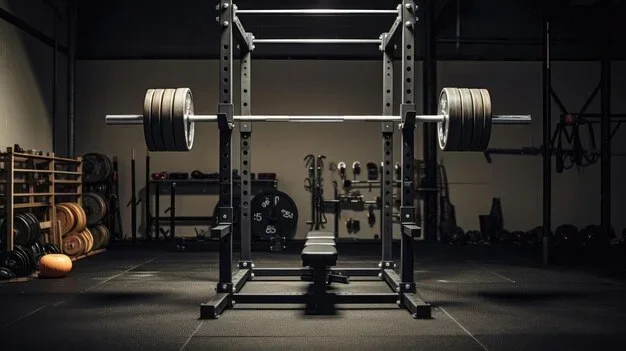
Learning how to load a barbell on a rack is one of the simplest yet most important skills for any lifter. Proper barbell rack storage keeps your gym safe, organized, and ready for your next workout. Whether you’re a beginner or experienced lifter, mastering the correct way to load weight plates onto your barbell saves time, prevents injuries, and extends the life of your equipment.
Key Takeaways
- Always check rack height: Ensure hooks align with your chest level before loading any plates.
- Load heaviest plates first: Place larger weights closest to the barbell sleeves for better balance.
- Distribute weight evenly: Match plate sizes on both sides to prevent uneven loading and imbalance.
- Secure plates with clips: Always use collars or clips to lock plates in place firmly.
- Lift with proper form: Bend your knees and keep your back straight when racking the barbell.
- Test stability before training: Gently push the barbell to confirm it sits securely on the hooks.
- Start light and progress: Add weight gradually to build confidence and maintain safe lifting habits.
📑 Table of Contents
- How To Load A Barbell On A Rack The Right Way Every Time
- Why Proper Barbell Loading Matters
- Step-by-Step Guide to Loading a Barbell on a Rack
- Common Mistakes People Make When Loading a Barbell
- Quick Tips for Efficient Barbell Loading
- How Much Weight Should You Add? A Quick Reference
- How to Know If Your Barbell Is Loaded Correctly
- Final Thoughts on Loading a Barbell on a Rack
How To Load A Barbell On A Rack The Right Way Every Time
Learning how to load a barbell on a rack is one of those foundational gym skills that separates confident lifters from nervous beginners. It seems simple on the surface, but there is a real technique to it that keeps you safe and gets your workout rolling without wasted time. Whether you are new to strength training or just want to sharpen your setup game, this guide walks you through every step with practical advice you can use right away.
Getting your barbell loading right matters more than most people think. An unevenly loaded barbell can throw off your balance mid-set. Plates stacked crookedly can slide off and cause injuries. And racking the bar at the wrong height can strain your wrists or shoulders before you even start lifting. In this article, you will learn the full process from choosing your plates to securing the bar on the rack. We also cover common mistakes and quick tips that save time and keep you safe.
The process is not complicated, but it does require attention to detail. Once you build the habit, loading a barbell becomes second nature. You will move through your gym sessions faster and with more confidence. Let us get into it.
Why Proper Barbell Loading Matters
Before we dive into the step-by-step process, it helps to understand why loading a barbell correctly is so important. Many lifters rush through this part of their workout and pay the price later. Here is why taking your time with barbell setup pays off.
Safety First
A barbell with loose or uneven plates is a hazard. During heavy sets, plates can shift or slide off the sleeves. This creates dangerous situations for you and anyone nearby. Proper loading ensures the weight stays balanced and secure throughout every rep.
Better Performance
When your barbell is loaded evenly, you lift more efficiently. Your body does not have to compensate for uneven weight distribution. This means better form, more consistent reps, and steady progress over time.
Saving Time at the Gym
Knowing exactly how to set up your barbell saves you from fumbling around between sets. You spend less time adjusting plates and more time actually training. Over a full workout, that adds up to meaningful time savings.
Step-by-Step Guide to Loading a Barbell on a Rack
Now let us walk through the actual process. Follow these steps in order and you will have your barbell loaded and racked like a pro.
Step 1: Choose the Right Barbell
Start by grabbing the barbell that matches your needs. Standard bars and Olympic bars differ in diameter and sleeve length. If you are doing barbell exercises like squats or bench press, an Olympic barbell is usually the better choice. It has rotating sleeves that reduce wrist strain during heavy lifts.
Check the barbell for any damage before loading. Look for cracks, bends, or rust. A damaged barbell under heavy load is a safety risk. If the bar looks worn out, grab a different one.
Step 2: Select Your Weight Plates
Decide how much total weight you need for your working sets. This depends on your exercise, your fitness level, and your training program. Common weight plates include bumper plates, iron plates, and fractional plates for fine-tuning your load.
Grab the plates you need and place them in a neat pile near the rack. Organizing them beforehand prevents scrambling mid-set. If you are unsure about your working weight, start lighter and add plates as needed.
Step 3: Load Plates Evenly on Both Sides
This is the most critical step. Always load the same weight on both sides of the barbell. Uneven loading throws off your balance and can lead to injury. Place each plate fully onto the sleeve and push it close to the collar or hub.
For example, if you need 135 pounds total, you would put two 45-pound plates on each side. Make sure the plates sit flat and tight against each other. Use plate clips or collars to lock everything in place once you finish loading.
Step 4: Set the Rack Height Correctly
Adjust the rack pins or J-hooks to a height that matches your body and the exercise you are performing. For squats, the bar should sit at about mid-chest height. For bench press, it should be just above your eye level when lying on the bench.
If the rack height is too low, you will struggle to unrack the bar. If it is too high, you waste energy lifting the bar off the pins. Finding the right rack height makes a big difference in your setup efficiency.
Step 5: Carefully Rack the Barbell
With the bar loaded and the rack set to the right height, it is time to place the bar on the hooks. If you are loading a heavy barbell, ask a spotter for help. Lift the bar with a firm grip and guide it onto the rack pins slowly.
Make sure the bar sits securely on the hooks. Give it a gentle tug to test stability. If the bar feels wobbly, reposition it or adjust the rack pins. A secure rack position means peace of mind when you step up to lift.
Remember that how to put weights on a barbell for squats follows the same loading principles. The key is always balance and security. If you want more details on squat-specific barbell loading, check out our guide on how to put weights on a barbell for squats for additional tips.
Common Mistakes People Make When Loading a Barbell
Even experienced lifters sometimes make avoidable errors when setting up their barbell. Here are the most common mistakes and how to fix them.
Loading Plates Crookedly
One of the biggest mistakes is stacking plates at an angle. This creates an uneven bar that wobbles during lifts. Always stack plates flat and centered on each sleeve. Take the extra few seconds to make sure everything lines up properly.
Forgetting to Use Collars
Skipping collars or clips is a dangerous habit. During explosive lifts, plates can shift and slide off the bar. Collars keep everything locked in place. Always secure your plates before stepping under the bar.
Choosing the Wrong Rack Height
Setting the rack too high or too low creates unnecessary strain. You might end up lifting the bar from an awkward position or struggling to unrack it. Take a moment to adjust the rack height before you start loading.
Overloading the Barbell
It is tempting to add more weight than you can handle, especially when others are watching. But overloading leads to failed reps and potential injuries. Know your limits and increase weight gradually over time.
Not Securing the Bar After Racking
Sometimes lifters rack the bar and walk away without checking if it is stable. Always give the bar a quick test before you start your set. A few extra seconds of checking can prevent a costly accident.
Another related skill worth mastering is knowing how to pick up a barbell from the floor with proper form. This ties directly into your loading and racking workflow, especially if you are doing deadlifts or other floor-based exercises.
Quick Tips for Efficient Barbell Loading
Here are some practical tips that will make your barbell loading faster and safer. These are small adjustments that add up to big improvements over time.
- Always load the heaviest plates first. They go closest to the barbell sleeves, which keeps the weight centered and balanced.
- Use the same type of plates on both sides. Mixing bumper plates with iron plates can create slight weight differences that affect your lifts.
- Keep your gym floor clean around the rack. Plates and bars roll easily on smooth floors, and a cluttered space leads to accidents.
- Label your favorite working weights. If you train regularly, knowing your go-to weights speeds up your setup time.
- Ask for help with heavy loads. There is no shame in asking a training partner to assist with loading or racking a heavy barbell.
- Store plates in order by size. This makes it faster to grab the right plates when you are setting up for a new exercise.
Expert Insight on Barbell Loading
Experienced strength coaches often emphasize that barbell loading is a skill that deserves as much attention as the lifts themselves. A clean setup leads to a clean lift. When you take pride in your loading process, it sets the tone for the entire workout. Many elite lifters have a specific routine they follow every single time they load a barbell, and that consistency is what keeps them safe and progressing.
How Much Weight Should You Add? A Quick Reference
Knowing how much weight to put on your barbell depends on several factors. The table below gives you a general guideline based on common exercises and experience levels.
| Exercise | Beginner (lbs) | Intermediate (lbs) | Advanced (lbs) |
|---|---|---|---|
| Barbell Squat | 95 – 135 | 185 – 225 | 275 – 315+ |
| Bench Press | 85 – 115 | 155 – 185 | 225 – 275+ |
| Deadlift | 135 – 185 | 225 – 275 | 315 – 405+ |
| Overhead Press | 65 – 95 | 115 – 145 | 155 – 185+ |
| Barbell Row | 85 – 115 | 135 – 165 | 185 – 225+ |
These numbers are starting points, not fixed rules. Your individual barbell weight will depend on your body weight, training history, and specific goals. Use these ranges as a guide and adjust based on how your body responds to the load.
If you are working with a Smith machine barbell, the loaded weight differs slightly because the machine assists with the movement. Understanding these differences helps you set realistic expectations for your training sessions.
How to Know If Your Barbell Is Loaded Correctly
After you load and rack your barbell, there are a few quick checks you should do before starting your set. These checks take only a few seconds but can prevent big problems.
The Visual Check
Look at the barbell from the front and side. Are the plates even on both sides? Are they sitting flat and not at an angle? Do the collars or clips look secure? If anything looks off, fix it before you start lifting.
The Wiggle Test
Gently wiggle the barbell while it is still on the rack. Does it feel stable or does it shift side to side? A properly loaded barbell should feel solid with no movement. If you feel any wobble, check that the plates are seated properly and the collars are tight.
The Weight Confirmation
Double-check that the total weight matches what you planned. It is easy to grab the wrong plate in the rush of a busy gym. Taking five seconds to confirm the weight saves you from starting a set with the wrong load.
Proper barbell setup also includes knowing the weight of the bar itself. Standard barbells weigh around 45 pounds, while technique bars or training bars may weigh less. Always account for the bar weight when calculating your total load.
Final Thoughts on Loading a Barbell on a Rack
How to load a barbell on a rack is a simple skill that becomes second nature with practice. The key takeaways are to always load evenly, use collars, set the rack height correctly, and double-check everything before you lift. These habits keep you safe and make your gym sessions more efficient.
Do not underestimate the importance of a good setup. Many lifters focus so much on the actual exercise that they skip the preparation. But the way you load and rack your barbell directly affects the quality and safety of every rep you perform. Take pride in your setup process and it will pay off in every workout.
Start applying these tips on your very next gym session. You will notice the difference in how smooth and confident your training feels. Over time, proper barbell loading becomes just another part of your routine, and you will wonder how you ever lifted without paying attention to it. Happy training, and stay safe out there.
Frequently Asked Questions
How do you properly load a barbell on a rack?
To load a barbell on a rack, slide the loaded barbell onto the J-hooks at the correct height so it sits securely and balanced. Make sure the hooks are positioned at mid-chest level for a comfortable unrack. Always check that the bar is stable before stepping back to begin your set.
What height should you set the rack pins for barbell loading?
Set the rack height so the barbell sits just above your fingertips when your arms are fully extended overhead. This allows you to unrack the bar with a slight dip and drive without hitting the top of the rack. Adjust the pins based on the specific exercise you are performing.
Can you load a barbell on a squat rack by yourself?
Yes, loading a barbell on a squat rack solo is straightforward if you follow a few simple steps. Place the barbell on the rack hooks first, then add weight plates evenly on both sides. Always secure the clips or locks to prevent plates from sliding during your workout.
How do you unrack a barbell safely after loading it?
After loading, take a firm grip and step under the bar so it sits across your upper back or shoulders. Unrack the bar by straightening your legs and taking a small step back to clear the hooks. Tighten your core and confirm the bar is balanced before starting your lift.
What are common mistakes when loading a barbell on a rack?
A common mistake is loading plates unevenly on both sides, which throws off your balance and increases injury risk. Another error is setting the rack height too low or too high, making it hard to unrack safely. Always double-check that the clips are secured and the bar sits level before you begin.
How do you choose the right weight plates for your barbell rack setup?
Start by selecting plates that match your fitness level and the exercise you are performing. Use bumper plates for Olympic lifts and standard iron plates for general strength training. Add weight gradually and always keep the heaviest plates closest to the barbell sleeves for better balance.