What Muscles Does Bent Over Barbell Row Work
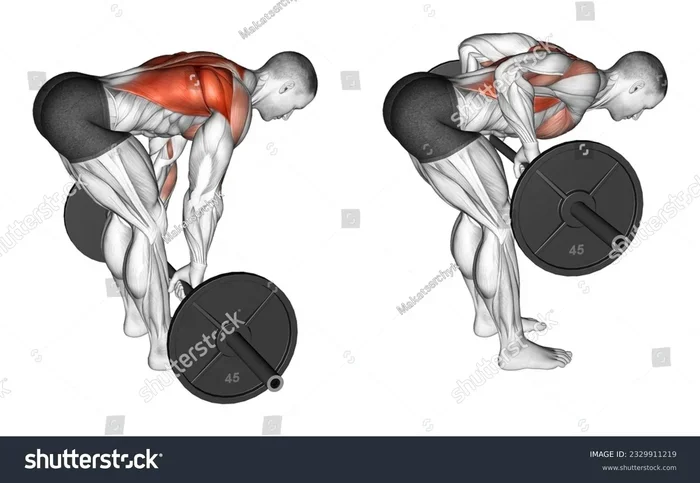
The bent over barbell row is one of the best exercises for building a strong, muscular back. It primarily targets the latissimus dorsi, trapezius, and rhomboids while also engaging the biceps and rear deltoids. Whether you are a beginner or an experienced lifter, mastering this movement can transform your upper body strength.
The bent over barbell row is a staple in almost every serious strength training program. If you have ever walked into a gym and seen someone pulling a heavy barbell toward their torso while bent over, you have witnessed this classic exercise in action. It is simple, effective, and brutally good at building a powerful back.
But what exactly happens inside your body when you perform this movement? Which muscles are doing the heavy lifting, and why does this exercise deserve a permanent spot in your routine? In this article, we will break down every muscle the bent over barbell row works, from the primary movers to the small stabilizers that keep everything running smoothly.
Key Takeaways
- Primary muscles worked: The bent over barbell row heavily activates the lats, traps, and rhomboids in your upper and mid-back.
- Secondary muscles involved: Your biceps, rear deltoids, and erector spinae also play important supporting roles during the movement.
- Proper form is critical: Keeping your back flat and chest up ensures you target the right muscles and avoid injury.
- Versatile exercise: You can adjust grip width and stance to shift emphasis across different back muscles.
- Compound movement: This exercise works multiple muscle groups at once, making it efficient for overall strength building.
- Common mistakes to avoid: Rounding the lower back and using excessive momentum are the top errors lifters make.
📑 Table of Contents
- What Is the Bent Over Barbell Row?
- Primary Muscles Worked by the Bent Over Barbell Row
- Secondary Muscles That Assist During the Movement
- How to Perform the Bent Over Barbell Row with Proper Form
- Benefits of the Bent Over Barbell Row
- Common Mistakes and How to Fix Them
- Variations of the Bent Over Barbell Row
- How to Program the Bent Over Barbell Row Into Your Workout
- Final Thoughts
What Is the Bent Over Barbell Row?
The bent over barbell row is a compound pulling exercise performed while standing with a slight bend in the knees and your torso hinged forward at the hips. You grip a barbell with an overhand grip and pull it upward toward your lower chest or upper abdomen. The movement mimics a rowing motion and places significant tension on your entire back complex.
This exercise has been around for decades, and for good reason. It builds raw back strength, improves posture, and adds serious mass to your upper body. Many experienced lifters consider it one of the top three back exercises alongside deadlifts and pull-ups. If you want to build a thick, wide back, the barbell row should be at the center of your training plan.
One of the best things about the bent over barbell row is its accessibility. You do not need fancy equipment or a cable machine. A barbell and a flat bench or the floor are all you need. That makes it a go-to exercise for lifters training at any level.
Primary Muscles Worked by the Bent Over Barbell Row
The bent over barbell row primarily targets several large muscles in your back. These are the muscles that do most of the work during each rep. Understanding which muscles are the main drivers helps you focus your mind on the right areas during every set.
Latissimus Dorsi (Lats)
The latissimus dorsi, commonly called the lats, is the largest muscle in your back. It spans from your lower spine all the way up to your armpit. During the bent over barbell row, the lats are the primary movers. They pull the barbell upward and drive your elbows back toward your hips.
When you perform this exercise with proper form, you should feel a deep stretch and contraction in your lats. Over time, consistent training of the lats through barbell rows helps create that coveted V-taper physique. Wide, well-developed lats make your waist look smaller and your shoulders look broader.
Trapezius (Traps)
The trapezius is the large diamond-shaped muscle that covers your upper back and neck. The upper traps stabilize your shoulder blades during each row, while the middle traps help retract them. This means the traps are constantly engaged throughout the entire movement.
Heavy barbell rows build thick, dense traps that give your upper back a powerful, athletic look. Many bodybuilders and strength athletes include barbell rows specifically to develop their trap mass. Combined with other exercises like shrugs, the bent over row is a trap-building powerhouse.
Rhomboids
The rhomboids sit between your shoulder blades. They are responsible for pulling your shoulder blades together, a motion called scapular retraction. During every rep of the bent over barbell row, the rhomboids contract to keep your shoulder blades pinched and stable.
Well-developed rhomboids improve your posture and create a tighter, more defined upper back. If you sit at a desk all day, strengthening the rhomboids through exercises like the barbell row can help counteract the forward slouch that comes with prolonged sitting.
Secondary Muscles That Assist During the Movement
While the back muscles do the heavy work, several secondary muscles support the movement. These muscles act as stabilizers and assist with the pulling motion. They may not be the main focus, but they still get a meaningful workout.
Biceps Brachii
Your biceps play a significant role in the bent over barbell row. As you pull the barbell toward your body, your biceps flex at the elbow to assist the pulling motion. The closer your grip is to your body, the more your biceps are recruited.
If you want to emphasize your biceps even more during barbell rows, try using a closer grip or an underhand grip variation. This shifts more of the workload onto your arms. However, keep in mind that the biceps are secondary movers, so do not let them take over and turn the row into a curl.
For more details on what part of the bicep curls work, check out our guide on What Part Of The Bicep Does Barbell Curls Work.
Rear Deltoids
The rear deltoids are the back portion of your shoulder muscles. They help stabilize the shoulder joint during the row and assist with the pulling motion. While they are not the primary target, the rear delts still receive significant activation, especially when you use a wider grip.
Strong rear deltoids are essential for balanced shoulder development and healthy shoulder function. Many people neglect their rear delts, which can lead to muscle imbalances and poor posture. The bent over barbell row is an excellent way to bring up this often-forgotten muscle group.
Erector Spinae
The erector spinae is a group of muscles that runs along your spine. These muscles keep your back straight and rigid during the bent over row. They work isometrically, meaning they contract without changing length, to maintain your torso angle throughout each rep.
Strong erector spinae muscles are crucial for spinal health and injury prevention. By training these muscles through barbell rows, you build a more resilient core and lower back. This translates to better performance in other compound lifts like squats and deadlifts.
How to Perform the Bent Over Barbell Row with Proper Form
Proper form is the single most important factor in getting the most out of the bent over barbell row. Bad form leads to poor results and a higher risk of injury. Follow these steps carefully to ensure you are targeting the right muscles and staying safe.
Step-by-Step Setup
- Stand with your feet shoulder-width apart. Position your feet under the barbell on the floor. Your toes should point slightly outward.
- Bend your knees slightly. You want a soft knee bend, not a deep squat. This helps stabilize your lower body.
- Hinge at the hips. Push your hips back and lean your torso forward until it is roughly parallel to the floor. Keep your back flat and your chest up.
- Grip the barbell. Use an overhand grip with your hands slightly wider than shoulder-width apart. Your arms should hang straight down from your shoulders.
- Pull the barbell toward your lower chest. Drive your elbows back and squeeze your shoulder blades together at the top of the movement.
- Lower the barbell under control. Extend your arms fully and feel a stretch in your lats before starting the next rep.
If you are new to this exercise, start with a lighter weight and focus on mastering the movement pattern. You can always add more load once your form is solid. For a detailed walkthrough, also check out How To Do A Bent Over Row With Barbell.
Breathing Technique
Proper breathing during the bent over barbell row helps you maintain stability and generate more force. Inhale as you lower the barbell toward the starting position. Exhale sharply as you pull the barbell toward your torso. This breathing pattern creates intra-abdominal pressure that supports your spine during heavy sets.
Never hold your breath for the entire set. This can cause a dangerous spike in blood pressure. Instead, breathe in a controlled rhythm that matches each rep.
Benefits of the Bent Over Barbell Row
The bent over barbell row offers a long list of benefits that go beyond just building a bigger back. Here are some of the top reasons to include this exercise in your routine.
- Builds overall back thickness. Regular barbell rows add mass to your upper and mid-back, creating a more impressive physique from every angle.
- Improves posture. Strengthening the muscles that retract your shoulder blades helps you stand taller and reduces the risk of slouching.
- Boosts pulling strength. The barbell row directly carries over to other pulling movements like pull-ups and deadlifts.
- Enhances grip strength. Holding a heavy barbell for multiple reps builds grip endurance and forearm strength.
- Balances your physique. Training the back with compound movements ensures you develop both the front and rear of your upper body evenly.
- Supports athletic performance. Strong back muscles are essential for almost every sport, from swimming to wrestling to rock climbing.
Common Mistakes and How to Fix Them
Even experienced lifters can fall into bad habits with the bent over barbell row. Here are the most common mistakes and how to correct them.
Rounding the Lower Back
The most dangerous mistake is letting your lower back round during the row. This places excessive stress on your spinal discs and can lead to serious injury. To fix this, engage your core before you start pulling. Think about pushing your chest toward the ceiling and maintaining a neutral spine angle throughout the set.
If you find yourself rounding at the end of a set, it is usually a sign that the weight is too heavy. Drop the load and focus on form first.
Using Excessive Momentum
Some lifters swing their body back and forth to help pull the barbell up. This turns the exercise into a momentum-driven movement that takes tension off your back muscles. To fix this, slow down the tempo. Use a two-second pull and a two-second lowering phase. You can also try pausing at the top of each rep to eliminate any swinging.
Shrugging the Shoulders Up
Lifting your shoulders toward your ears during the row shifts the workload away from your back and onto your traps. Instead, keep your shoulders pulled down and back. Think about squeezing a pencil between your shoulder blades at the top of each rep.
Variations of the Bent Over Barbell Row
Once you have mastered the standard bent over barbell row, you can try different variations to keep your training fresh and target your muscles from new angles.
Wide-Grip Barbell Row
A wider grip places more emphasis on your upper back and rear deltoids. This variation is great for building width in your back and improving shoulder health. Keep your torso angle the same and simply widen your hand placement on the barbell.
Pendlay Row
The Pendlay row is a more explosive version of the bent over barbell row. You start each rep with the barbell resting on the floor, which eliminates any momentum from the previous rep. This forces your back muscles to generate force from a dead stop, building explosive strength and strict muscle activation.
For more information on proper barbell row technique, check out our guide on How To Do A Bent Over Row With Barbell 2.
Close-Grip Barbell Row
A closer grip shifts more emphasis onto your lats and biceps. This variation is excellent for building back width and arm size simultaneously. Keep your elbows tucked close to your body as you pull the barbell upward.
How to Program the Bent Over Barbell Row Into Your Workout
Now that you know how to perform the exercise and what muscles it targets, let us talk about how to program it into your training routine.
For strength, aim for 3 to 5 sets of 4 to 6 reps with a heavy weight. For muscle building, use 3 to 4 sets of 8 to 12 reps with a moderate weight. For endurance and conditioning, try 3 sets of 15 to 20 reps with a lighter weight.
The bent over barbell row pairs well with other back exercises like pull-ups, dumbbell rows, and lat pulldowns. It also works great as a complement to your squat or deadlift day. For more on how barbell rows target specific areas of your back, see our article on What Part Of The Back Does Barbell Rows Work.
Final Thoughts
The bent over barbell row is one of the most effective back exercises you can do. It targets your lats, traps, rhomboids, and several supporting muscles in a single movement. Whether your goal is to build mass, improve posture, or get stronger, this exercise delivers results.
Focus on proper form, avoid the common mistakes outlined above, and progressively increase your weight over time. With consistency and patience, the bent over barbell row will help you build a back that turns heads. Add it to your next workout and feel the difference for yourself.
Frequently Asked Questions
Is the bent over barbell row safe for beginners?
Yes, the bent over barbell row is safe for beginners as long as you start with a light weight and focus on proper form. The key is keeping your back flat and your core engaged throughout the movement. Consider working with a trainer or experienced lifter to check your technique before adding heavy weight.
How often should I perform the bent over barbell row?
Most lifters benefit from training the bent over barbell row 1 to 2 times per week. This gives your back muscles enough time to recover between sessions. Make sure you are also training other muscle groups to maintain balanced development and avoid overuse injuries.
Can the bent over barbell row help improve my posture?
Absolutely. The bent over barbell row strengthens the muscles responsible for retracting your shoulder blades and stabilizing your spine. Over time, stronger upper back muscles pull your shoulders back and help you maintain an upright posture throughout the day.
What is the difference between a bent over barbell row and a dumbbell row?
The main difference is the equipment used. A barbell row allows you to lift heavier loads because both arms move together, while a dumbbell row lets each arm work independently. Both exercises target similar muscles, but the barbell version is better for building raw strength and mass.
Should I use an overhand or underhand grip for barbell rows?
An overhand grip is the standard and places more emphasis on your upper back. An underhand grip recruits your biceps more and shifts some focus to the lower lats. Try both variations to see which one feels better and targets the muscles you want to develop most.
What weight should I start with for the bent over barbell row?
Start with a weight you can comfortably control for 10 to 12 reps with perfect form. Once you can complete 3 sets of 12 reps with good technique, gradually increase the weight by 5 to 10 pounds. Never sacrifice form for heavier weight.