Is Using a Rowing Machine Good for Weight Loss
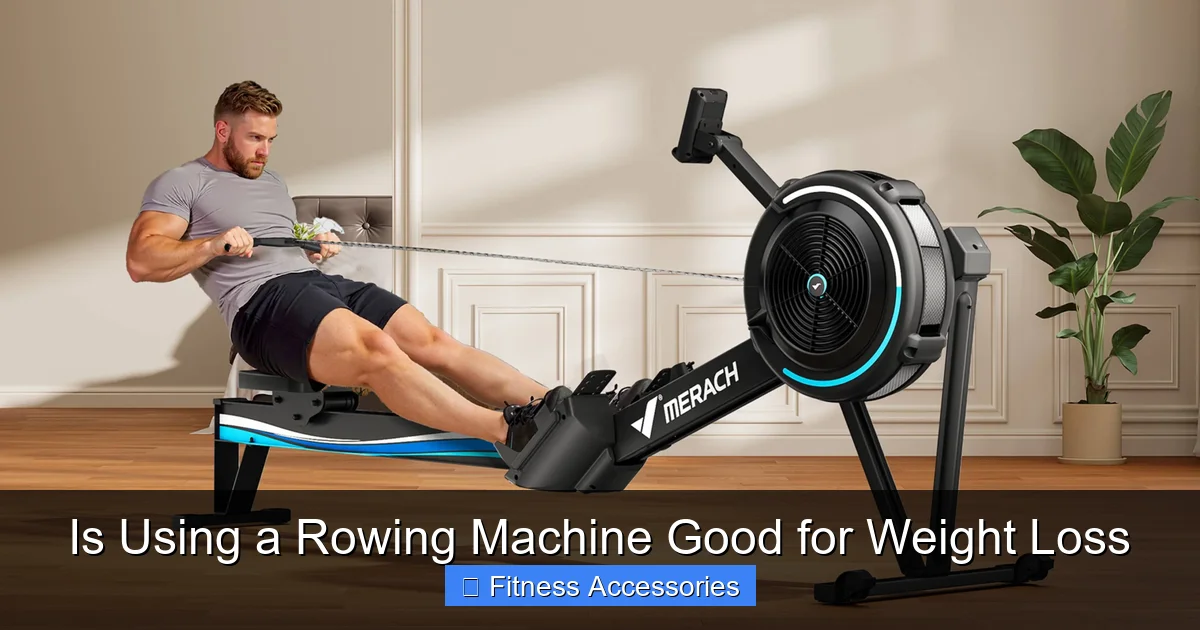
Rowing machines deliver a full‑body workout that torches calories, boosts metabolism, and supports steady weight loss. When paired with proper technique, consistent sessions, and a balanced diet, rowing can become a powerful tool in any fat‑loss plan.
Key Takeaways
- High calorie burn: Rowing can expend 400‑800 calories per hour, depending on intensity.
- Full‑body engagement: Legs, core, back, and arms work together, increasing overall energy use.
- Low impact: The smooth motion protects joints, making it suitable for many fitness levels.
- Metabolic boost: Regular rowing improves VO₂ max and resting metabolic rate.
- Customizable workouts: Interval, steady‑state, and pyramid sessions keep the body guessing.
- Easy tracking: Most machines display splits, strokes, and calories, helping you stay accountable.
- Safety first: Proper form prevents injury and maximizes calorie expenditure.
📑 Table of Contents
- Introduction: Why Rowing Gets Talked About in the Weight‑Loss World
- How Rowing Burns Calories: The Science Made Simple
- Full‑Body Workout: More Muscles = More Fat Loss
- Metabolic Benefits: Rowing Keeps Your Body Burning Long After the Session
- Designing a Rowing Routine That Targets Fat
- Rowing vs. Other Cardio: Which Is Best for Weight Loss?
- Practical Tips to Get the Most Out of Your Rowing Sessions
- Conclusion: Is Using a Rowing Machine Good for Weight Loss?
Introduction: Why Rowing Gets Talked About in the Weight‑Loss World
If you have ever walked into a gym and seen a sleek, black seat with a long handle, you know the rowing machine looks a bit like a boat’s oar. It is simple, yet it promises a total‑body sweat session. Over the past few years, many people ask, Is using a rowing machine good for weight loss? The short answer is yes, but the details matter.
In this article we will break down how rowing burns calories, why it helps you shed fat, and how to design a routine that fits your life. Think of it as a chat with a friend who has tried rowing, measured the results, and wants to share the best tips.
How Rowing Burns Calories: The Science Made Simple
The basic math of energy expenditure
Weight loss happens when you create a calorie deficit – you burn more calories than you eat. Rowing is an efficient way to increase the number of calories you use. On average, a person weighing 155 lb (70 kg) can burn about 500 calories in 30 minutes of moderate rowing. Increase the intensity, and the burn can rise to 800 calories in the same time.
Visual guide about Is Using a Rowing Machine Good for Weight Loss
Image source: merachfit.com
Why rowing feels tougher than it looks
When you pull the handle, you engage the large muscles in your legs (quadriceps, hamstrings, glutes). At the same time, your core stabilizes, and your back, shoulders, and arms finish the motion. Using many muscle groups at once forces the body to demand more oxygen, which in turn raises the heart rate and calorie burn.
Comparing calorie burn to other cardio machines
- Treadmill running: 600‑900 calories/hr (high impact).
- Elliptical: 500‑700 calories/hr (low impact).
- Rowing machine: 400‑800 calories/hr (low impact, full body).
Rowing sits right in the middle of the range, offering a high burn without pounding the knees or hips.
Full‑Body Workout: More Muscles = More Fat Loss
Leg power drives the calorie engine
The drive phase starts with your legs pushing against the foot‑rests. This is where the biggest muscles work, and they consume the most energy. Strong legs also improve your overall metabolic rate, meaning you continue to burn calories after the workout.
Visual guide about Is Using a Rowing Machine Good for Weight Loss
Image source: i.ytimg.com
Core stability keeps you lean
Your abs and lower back help you maintain a straight posture. A strong core not only protects the spine but also contributes to higher calorie expenditure because the muscles are constantly engaged to prevent wobbling.
Upper‑body finish: arms and shoulders
The final pull uses the biceps, forearms, and shoulder blades. While these muscles are smaller, they add a finishing touch that makes rowing a true full‑body exercise. The more muscle you involve, the more calories you burn, and the faster you see weight‑loss results.
Metabolic Benefits: Rowing Keeps Your Body Burning Long After the Session
After‑burn effect (EPOC)
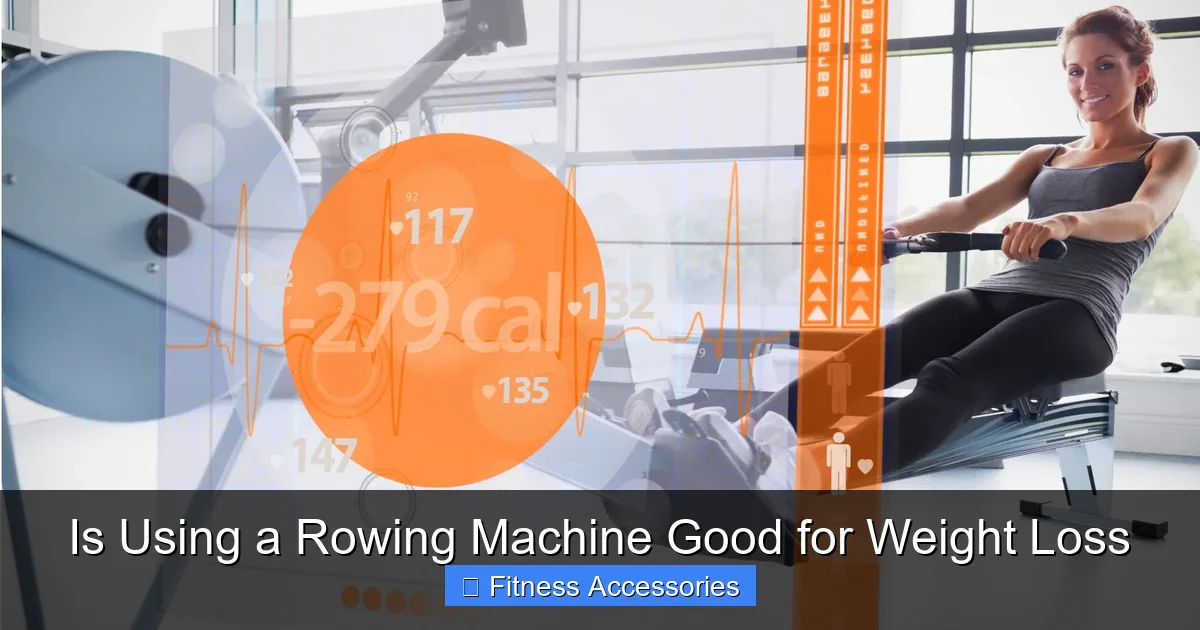
Exercise‑induced oxygen consumption, or EPOC, is the extra oxygen your body needs to recover after a hard workout. Rowing, especially interval training, creates a strong after‑burn effect. This means you keep burning calories for 30‑60 minutes after you step off the machine.

Visual guide about Is Using a Rowing Machine Good for Weight Loss
Image source: rowingcrazy.com
Improved VO₂ max
VO₂ max measures the maximum amount of oxygen your body can use during intense exercise. Regular rowing improves this number, allowing you to work harder and burn more calories over time.
Hormonal balance
High‑intensity rowing triggers the release of growth hormone and norepinephrine, both of which help break down fat cells. Consistent sessions can lead to a healthier hormonal environment for weight loss.
Designing a Rowing Routine That Targets Fat
Start with the basics: 3‑day a week plan
If you are new, aim for three 20‑minute sessions per week. Warm up for 5 minutes with easy strokes, then row at a moderate pace (about 22‑24 strokes per minute) for 15 minutes, and cool down for another 5 minutes.
Progress to interval training
Intervals are short bursts of high intensity followed by recovery. A popular format is 1‑minute sprint (30‑34 strokes/min) followed by 1‑minute easy row. Repeat 10‑12 times. This method maximizes calorie burn and keeps the workout exciting.
Pyramid workouts for variety
Start with 1 minute hard, 1 minute easy, then 2 minutes hard, 2 minutes easy, up to 5 minutes, and then work back down. Pyramids challenge both aerobic and anaerobic systems, enhancing fat loss.
Tracking progress
- Record total strokes, distance, and calories after each session.
- Use a heart‑rate monitor to stay in the 70‑85 % max heart‑rate zone for optimal fat burning.
- Take weekly photos and measurements to see non‑scale victories.
Rowing vs. Other Cardio: Which Is Best for Weight Loss?
Running
Running burns many calories but can be hard on joints. If you have knee issues, rowing offers a gentler alternative with a comparable calorie burn.
Cycling
Stationary bikes also provide low‑impact cardio. However, the upper‑body involvement is limited, meaning fewer total muscles are recruited compared with rowing.
HIIT on a treadmill or bike
High‑intensity interval training (HIIT) on any machine works, but rowing’s simultaneous leg‑core‑arm action gives it a slight edge for overall calorie consumption.
Bottom line
Is using a rowing machine good for weight loss? Yes, especially if you enjoy a full‑body, low‑impact workout that can be varied easily.
Practical Tips to Get the Most Out of Your Rowing Sessions
Master the correct form
- Catch: Sit tall, shins vertical, arms straight, shoulders relaxed.
- Drive: Push with your legs first, then lean back slightly, and finally pull the handle to your chest.
- Finish: Legs straight, slight lean back, handle at the lower ribs.
- Recovery: Extend arms, hinge forward, then bend knees to return to the catch.
Set realistic goals
Aim to lose 0.5‑1 lb per week. This usually requires a 250‑500 calorie daily deficit, which rowing can help achieve when combined with a balanced diet.
Stay hydrated
Rowing makes you sweat, even though you might not feel it as much as running. Keep a water bottle within reach.
Mix in strength work
Adding a few bodyweight exercises (push‑ups, planks, squats) after rowing can further increase muscle mass and boost metabolism.
Listen to your body
If you feel excessive fatigue or joint pain, reduce intensity or take a rest day. Consistency beats occasional over‑training.
Conclusion: Is Using a Rowing Machine Good for Weight Loss?
In short, yes. Rowing delivers a high calorie burn, engages every major muscle group, and offers a low‑impact option that protects joints. When you pair regular rowing sessions with proper nutrition, progressive overload, and good form, you create a powerful weight‑loss engine.
Remember, the best exercise is the one you enjoy and can stick with. If the rhythmic motion of rowing feels like a smooth sail for you, hop on the machine, set a goal, and watch the pounds melt away. Your body will thank you with stronger muscles, better cardio fitness, and a slimmer silhouette.
Frequently Asked Questions
Can I lose belly fat by rowing?
Rowing reduces overall body fat, including belly fat, by creating a calorie deficit and boosting metabolism. Spot‑reduction isn’t possible, but a consistent rowing routine will shrink the waist over time.
How many minutes of rowing should I do each day for weight loss?
Aim for 30‑45 minutes of moderate to vigorous rowing 4‑5 times a week. Beginners can start with 20‑minute sessions and gradually increase duration as fitness improves.
Do I need a fancy rowing machine to see results?
No. A basic hydraulic or magnetic rower works fine for calorie burning. Higher‑end models provide smoother feel and more data, but any functional rower will help you lose weight.
Is rowing safe for people with knee problems?
Because the motion is low impact and the force is generated by the hips and glutes rather than the knees, rowing is generally safe for most knee issues. Use a light resistance and focus on proper technique.
Should I combine rowing with other forms of exercise?
Yes. Mixing rowing with strength training, flexibility work, or other cardio keeps the body adapting and prevents boredom, which can improve long‑term weight‑loss results.
How quickly can I expect to see weight loss from rowing?
Visible changes often appear after 4‑6 weeks of consistent rowing combined with a proper diet. Individual results vary based on starting weight, diet, and workout intensity.