Should I Get an Exercise Bike or Rowing Machine
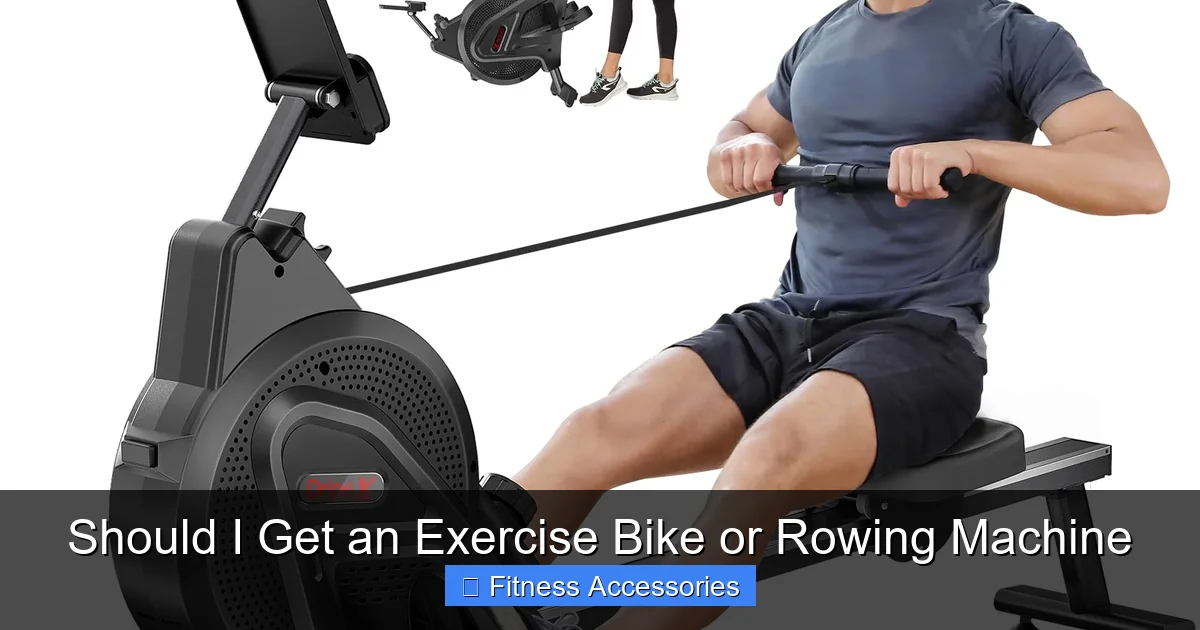
Choosing between an exercise bike and a rowing machine boils down to your fitness goals, space, and personal preference. If you crave low‑impact cardio and a comfortable ride, the bike wins; if you want a full‑body workout that mimics real rowing, the machine takes the lead.
Key Takeaways
- Impact level: Bikes are gentle on joints; rowing offers moderate impact with proper technique.
- Muscle groups: Rowing engages legs, core, back, and arms; bikes focus mainly on lower body.
- Calorie burn: Rowing typically burns more calories per hour at comparable effort.
- Space & cost: Bikes are usually more compact and cheaper; rowing machines need a bit more floor space.
- Learning curve: Bikes are ready‑to‑go; rowing requires practice to master form.
- Versatility: Both can support HIIT, steady‑state, and rehab workouts, but rowing adds a functional, full‑body element.
- Noise level: Magnetic bikes are whisper‑quiet; rowing machines can be louder, especially air‑resistance models.
📑 Table of Contents
- Introduction: Why the Choice Matters
- 1. How Each Machine Works
- 2. What Muscles Do They Target?
- 3. Calorie Burn and Cardio Benefits
- 4. Joint Impact and Injury Risk
- 5. Space, Cost, and Practical Considerations
- 6. Who Benefits Most from Each Machine?
- Practical Tips for Buying the Right Machine
- Conclusion: Making the Final Decision
Introduction: Why the Choice Matters
When you decide to bring a cardio machine home, you’re not just buying equipment—you’re setting a tone for your whole fitness routine. The right machine can keep you motivated, fit your schedule, and even protect your joints. Two of the most popular options are the exercise bike and the rowing machine. Both promise calorie‑torching cardio, but they differ dramatically in how they work, who they’re best for, and what space they’ll need.
In this guide we’ll break down every angle that matters: from the muscles each machine targets, to the cost and noise level, to real‑world tips for getting the most out of your purchase. By the end you’ll have a crystal‑clear picture of whether a bike or a rower fits your lifestyle, goals, and home gym.
1. How Each Machine Works
Exercise Bike Basics
An exercise bike mimics the motion of cycling. You sit on a padded saddle, place your feet in pedals, and push or pull the pedals in a circular motion. Resistance can be magnetic, friction‑based, or even fan‑driven. Most modern bikes come with LCD consoles that track speed, distance, heart rate, and calories.
Rowing Machine Basics
A rowing machine simulates the action of rowing a boat. You sit on a sliding seat, grab a handle, and push with your legs while pulling the handle toward your chest, then reverse the motion. Resistance types include air (fan), magnetic, hydraulic, and water. Like bikes, rowers have monitors that display stroke rate, split time, and power output.
2. What Muscles Do They Target?
Lower‑Body Focus of the Bike
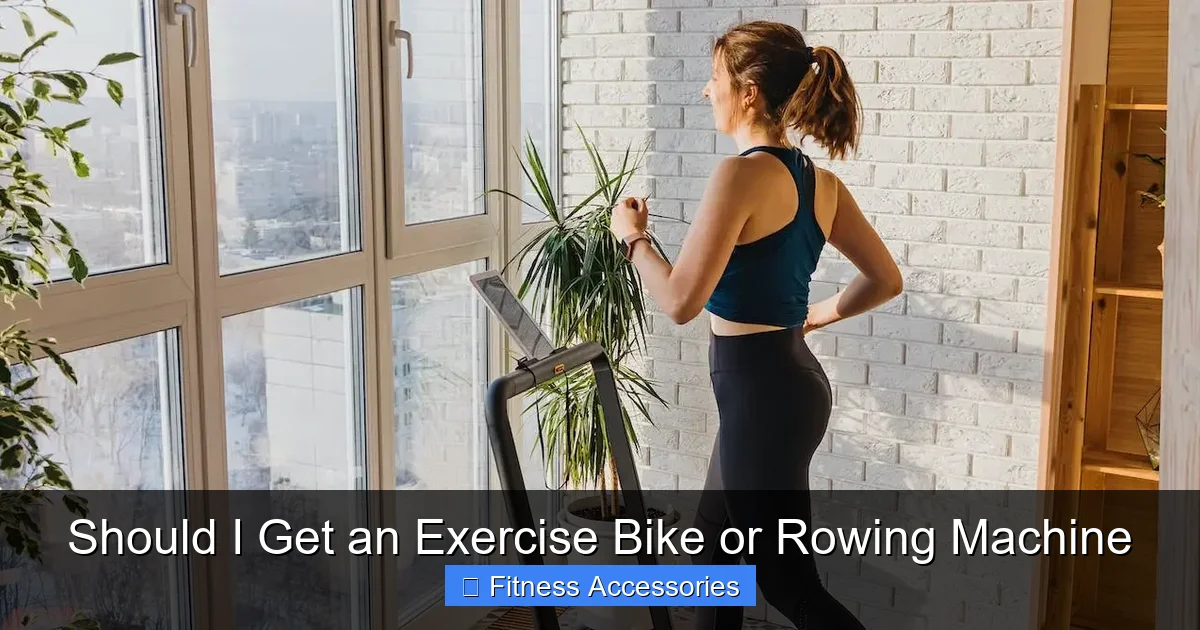
Pedaling works the quadriceps, hamstrings, glutes, and calves. The motion is primarily a knee‑centric extension, so the core and upper body stay relatively passive. If you add standing intervals or high‑intensity sprints, you’ll recruit the glutes and hip flexors a bit more.

Visual guide about Should I Get an Exercise Bike or Rowing Machine
Image source: live-production.wcms.abc-cdn.net.au
Full‑Body Engagement of the Rowing Machine
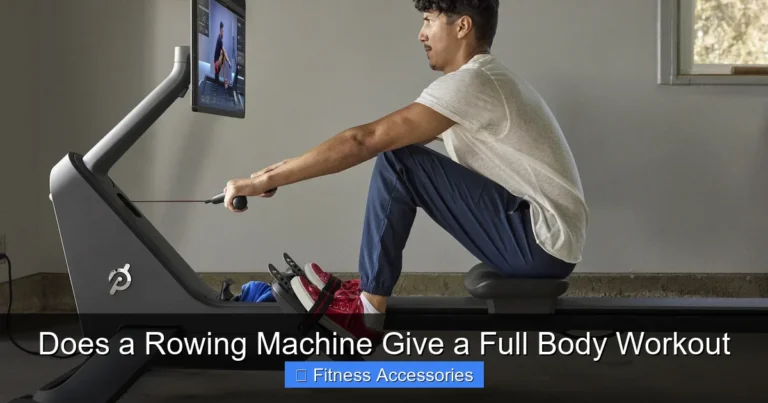
Rowing is a true full‑body exercise. The drive phase fires the legs (quads, hamstrings, glutes), the core (abdominals, obliques, lower back), and the upper body (lats, traps, biceps, forearms). Because you’re pulling a handle, you also improve grip strength. This makes rowing a time‑efficient way to train multiple muscle groups.
3. Calorie Burn and Cardio Benefits
Comparing Calorie Expenditure
At a moderate effort (≈ 12‑14 METs), a 155‑lb person burns roughly:
Visual guide about Should I Get an Exercise Bike or Rowing Machine
Image source: images.inkl.com
- Bike (steady‑state): 500‑600 calories per hour.
- Rowing (steady‑state): 600‑700 calories per hour.
The difference isn’t huge, but rowing generally edges out the bike because it uses more muscle mass. If you add high‑intensity intervals, both can push you past 800 calories per hour.
Heart Health and Endurance
Both machines raise heart rate and improve VO₂ max. The bike is especially good for low‑impact endurance training, while rowing adds a functional component that can translate to better posture and real‑world strength.
4. Joint Impact and Injury Risk
Bike: Low‑Impact Champion
Because your feet stay fixed on the pedals, the bike places minimal stress on knees, hips, and ankles. This makes it ideal for people with joint pain, arthritis, or those recovering from lower‑body injuries.
Rowing: Moderate Impact with Proper Form
Rowing is low‑impact on the joints, but the rapid sliding motion can strain the lower back if you hunch or over‑reach. Learning the “catch‑drive‑finish‑recovery” sequence is essential to protect your spine. A good warm‑up and focus on core stability will reduce injury risk.
5. Space, Cost, and Practical Considerations
Footprint and Storage
- Exercise Bike: Most upright bikes fit in a 2‑ft‑wide space. Fold‑able or compact models can be stored vertically.
- Rowing Machine: Standard rowers need about 8‑10 feet of length when in use. Many have a vertical storage mode that reduces length to 2‑3 feet, but you still need ceiling height for the seat to slide.
Price Range
- Entry‑level bikes: $200‑$500.
- Mid‑range bikes with magnetic resistance and Bluetooth: $500‑$900.
- High‑end road‑style or spin bikes: $900‑$2,000.
- Entry‑level rowers (hydraulic): $250‑$600.
- Mid‑range air or magnetic rowers: $600‑$1,200.
- Premium water‑rowers: $1,200‑$2,500.
Noise Levels
Magnetic bikes are whisper‑quiet, perfect for apartments. Air‑rowers can hiss loudly, especially at high speeds, while hydraulic rowers are quieter but feel less smooth.
6. Who Benefits Most from Each Machine?
Best Candidates for an Exercise Bike
- People with knee, hip, or ankle issues.
- Cycling enthusiasts who want to train indoors.
- Beginners seeking a simple, low‑tech cardio option.
- Those with limited floor space or low noise tolerance.
Best Candidates for a Rowing Machine
- Fitness buffs who want a full‑body workout in half the time.
- Athletes training for sports that require pulling power (rowing, kayaking, cross‑fit).
- Anyone looking to improve posture, core strength, and functional fitness.
- People who enjoy the rhythmic, meditative feel of a rowing stroke.
Practical Tips for Buying the Right Machine
Test Before You Invest
If possible, try both machines at a local gym or showroom. Pay attention to seat comfort, handle grip, and how natural the motion feels.
Check the Resistance System
- Magnetic: smooth, quiet, easy to adjust.
- Air: feels like real rowing, but louder.
- Hydraulic: cheap and compact, but can feel choppy.
- Water: mimics boat resistance, soothing sound, higher price.
Consider Connectivity
Bluetooth or ANT+ compatibility lets you pair with heart‑rate monitors, apps like Zwift or Kinomap, and track progress on your phone.
Measure Your Space
Leave at least 2 feet of clearance on each side for safety. For a rower, ensure you have a ceiling height of at least 7‑8 feet to allow full seat travel.
Budget Wisely
Don’t skimp on the seat. A well‑padded, adjustable saddle on a bike or a comfortable sliding seat on a rower makes long sessions enjoyable.
Conclusion: Making the Final Decision
The answer to “Should I get an exercise bike or rowing machine?” isn’t one‑size‑fits‑all. If joint friendliness, low noise, and a love for cycling are your top priorities, the bike is the clear winner. If you crave a total‑body workout, want to torch more calories in less time, and don’t mind a slightly larger footprint, the rowing machine will serve you better.
Take a moment to list your primary goals—weight loss, endurance, strength, rehab—and match them against the criteria we explored. Whichever you choose, consistency is the secret sauce. Stick with your new machine, mix up intervals, track your progress, and you’ll see results faster than you imagined.
Frequently Asked Questions
Which machine burns more calories per hour?
Rowing typically burns 100‑200 more calories per hour than cycling at the same perceived effort because it uses more muscle groups.
Is a rowing machine safe for people with back problems?
If you have a history of lower‑back pain, start with light resistance and focus on proper technique. A rower with a smooth, magnetic resistance is often gentler than an air‑rower.
Can I use an exercise bike for strength training?
Yes, by adding high‑resistance hill climbs, standing intervals, or using a bike with built‑in strength‑training accessories like dumbbell racks.
Do rowing machines require a lot of maintenance?
Most rowers need occasional cleaning of the rail and checking the resistance mechanism. Water rowers may need occasional water changes, but overall maintenance is minimal.
Which machine is quieter for apartment living?
Magnetic exercise bikes are the quietest. Among rowers, hydraulic models are quieter than air or water types, but still louder than a bike.
Can I track my workouts on both machines?
Modern bikes and rowers often include Bluetooth or ANT+ connectivity, allowing you to sync data with apps like Strava, MyFitnessPal, or Zwift for detailed tracking.