What Benefits Do You Get from a Rowing Machine

Rowing machines deliver a total‑body workout that builds strength, burns calories, and protects your joints. They’re perfect for home gyms, offering cardio, muscle toning, and mental health perks in a single, low‑impact exercise.
Key Takeaways
- Full‑body engagement: Rows work legs, core, back, and arms simultaneously.
- High calorie burn: Intense rowing can torch 600+ calories per hour.
- Low‑impact cardio: Joint‑friendly motion makes it ideal for all fitness levels.
- Strength & endurance: Alternates between power strokes and steady pacing.
- Improved posture: Strengthens the posterior chain, reducing slouch.
- Mental benefits: Rhythm and breath control lower stress and boost mood.
- Space‑saving versatility: Compact designs fit most home gyms and offer programmable workouts.
📑 Table of Contents
- Introduction: Why Rowing Deserves a Spot in Your Fitness Routine
- 1. Full‑Body Strength: Engaging All Major Muscle Groups
- 2. Cardiovascular Conditioning and Calorie Burn
- 3. Low‑Impact on Joints: A Safe Choice for All Ages
- 4. Posture and Core Stability Improvements
- 5. Mental Health Boost: Stress Relief and Mind‑Body Connection
- 6. Convenience and Versatility for the Home Gym
- Conclusion: Rowing Machines Offer More Than a Workout
Introduction: Why Rowing Deserves a Spot in Your Fitness Routine
Imagine a workout that feels like a smooth glide across a lake, yet challenges every major muscle group. That’s the promise of a rowing machine. Unlike a treadmill that isolates the legs or a dumbbell set that focuses on isolated lifts, a rower blends cardio, strength, and flexibility into one fluid motion.
Whether you’re a busy professional, a seasoned athlete, or someone just starting to move more, the rowing machine adapts to your goals. It can be as gentle as a warm‑up or as fierce as a high‑intensity interval session. In the next few pages we’ll break down every benefit—physical, mental, and practical—so you can decide if this versatile piece of equipment belongs in your home gym.
1. Full‑Body Strength: Engaging All Major Muscle Groups
How the Rowing Stroke Works
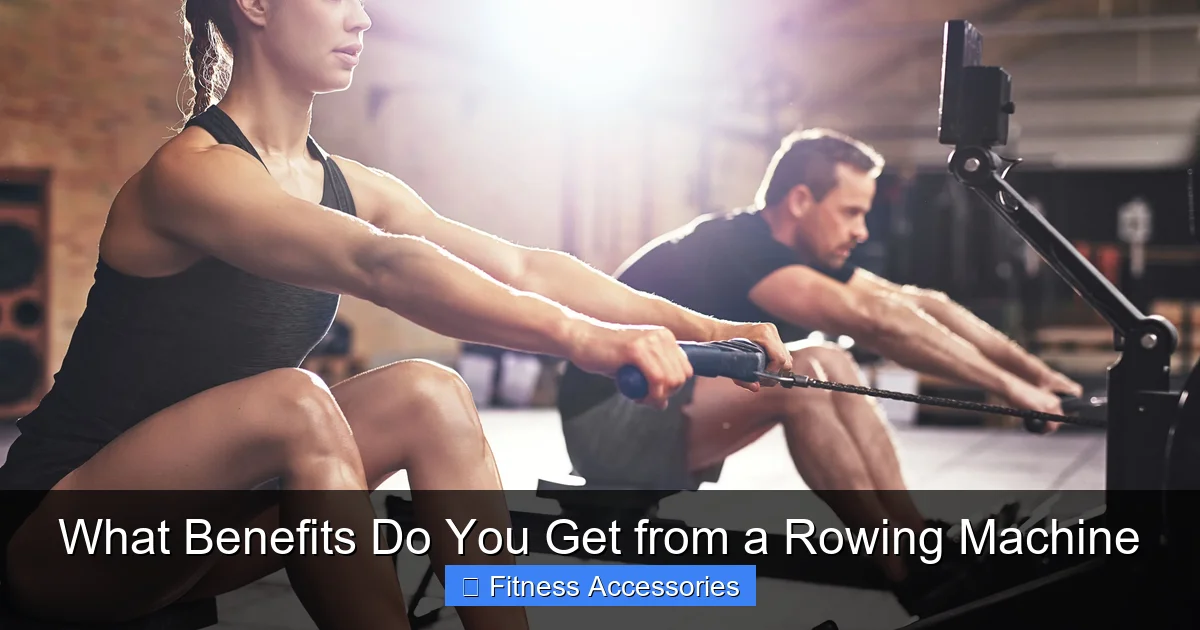
The rowing stroke consists of two phases: the “catch” (starting position) and the “drive” (the powerful pull). During the drive you push with your legs, lean back using your core, and finish by pulling the handle to your chest. This sequence recruits:
Visual guide about What Benefits Do You Get from a Rowing Machine
Image source: wegetyouhealthy.com
- Legs: Quadriceps, hamstrings, glutes.
- Core: Rectus abdominis, obliques, lower back.
- Back: Lats, rhomboids, trapezius.
- Arms: Biceps, forearms, grip.
Because each part of the body works together, you get a balanced strength session without the need for multiple machines.
Practical Tip: Mix Up Your Grip
Try a neutral grip (palms facing each other) for a more shoulder‑friendly session, or a wide grip to emphasize the upper back. Switching grips every 5‑10 minutes keeps muscles guessing and prevents plateaus.
2. Cardiovascular Conditioning and Calorie Burn
Rowing as High‑Intensity Interval Training (HIIT)
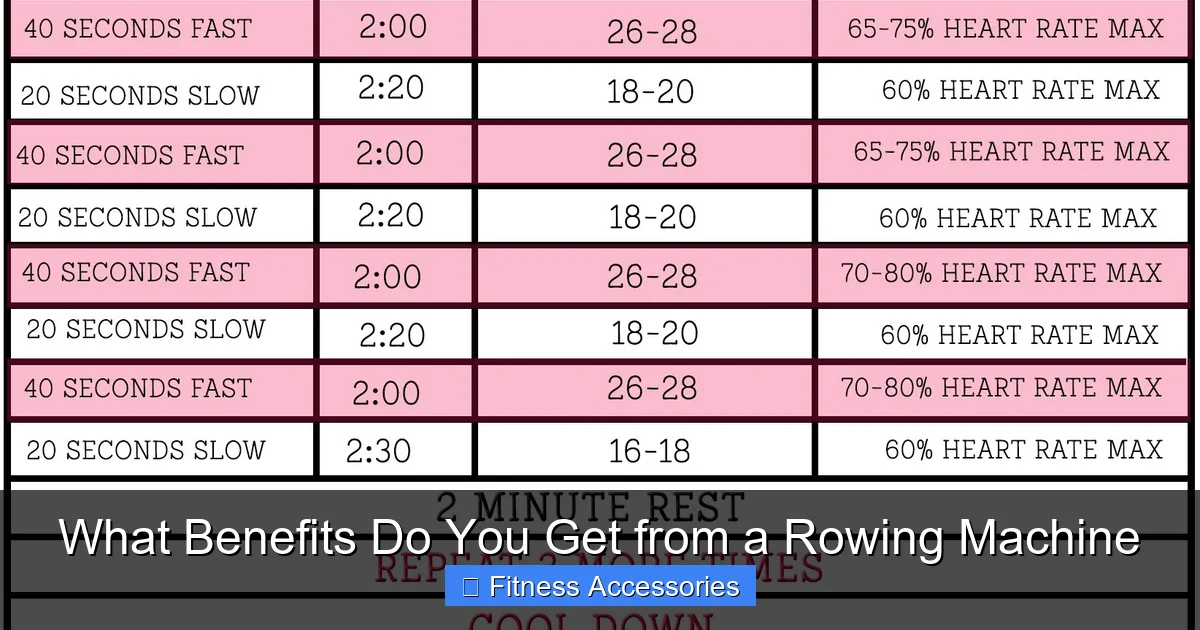
Rowers are perfect for HIIT because you can easily adjust resistance and speed. A common protocol is 30 seconds all‑out rowing followed by 30 seconds of easy recovery, repeated for 10‑15 minutes. This short, intense effort spikes heart rate, improves VO₂ max, and burns calories long after the session ends (the “afterburn” effect).

Visual guide about What Benefits Do You Get from a Rowing Machine
Image source: kidsgrovesportscentre.co.uk
Calorie Estimates
According to the American Council on Exercise, a 155‑lb person can burn roughly:
- 400–500 calories in a 45‑minute steady‑state row.
- 600–700 calories in a 30‑minute HIIT session.
These numbers rival running and cycling, but with far less impact on the knees and hips.
Practical Tip: Use a Heart‑Rate Monitor
Most modern rowers have built‑in heart‑rate sensors. Aim for 70‑85% of your max heart rate during the drive phase for optimal cardio benefits.
3. Low‑Impact on Joints: A Safe Choice for All Ages
Why Rowing Is Gentle on the Body
Unlike running, rowing’s seated position eliminates the repetitive pounding that can wear down cartilage. The smooth, linear motion reduces stress on the knees, ankles, and lower back, making it a smart option for:
Visual guide about What Benefits Do You Get from a Rowing Machine
Image source: ahealthylifeforme.com
- Older adults seeking cardio without joint strain.
- People recovering from lower‑body injuries.
- Athletes who need cross‑training that won’t overwork their legs.
Practical Tip: Check Your Form
Maintain a neutral spine, keep the knees in line with your toes, and avoid “hunching” at the finish. Good form maximizes the low‑impact advantage and prevents unnecessary soreness.
4. Posture and Core Stability Improvements
Strengthening the Posterior Chain
The posterior chain—glutes, hamstrings, and back muscles—acts like a natural brace for the spine. Rowing regularly strengthens these muscles, helping you sit taller and sit at a desk with less slouch.
Core Activation
During the drive, your core stabilizes the torso, preventing excessive rocking. Over time, this translates to better balance in everyday activities, from carrying groceries to playing with kids.
Practical Tip: Add a “Core‑Only” Row
Try rowing with a light resistance while focusing solely on the abdominal contraction. Perform 3 sets of 20‑second “core rows” between regular intervals to intensify core work.
5. Mental Health Boost: Stress Relief and Mind‑Body Connection
The Rhythm of Rowing
The repetitive pull‑push rhythm mimics breathing patterns used in meditation. This synchronicity can lower cortisol levels, improve mood, and increase focus.
Endorphin Release
Like any vigorous exercise, rowing triggers endorphin production, giving you that “runner’s high” without the impact.
Practical Tip: Pair Rowing with Music or Podcasts
Choose tracks with a steady beat (around 120‑130 BPM) to match your stroke rate. Alternatively, listen to an engaging podcast to keep your mind occupied while your body works.
6. Convenience and Versatility for the Home Gym
Space‑Saving Designs
Rowers come in three main formats: air‑resistance, magnetic, and water‑filled. Many models fold vertically or have a sliding seat, allowing storage in closets or under beds.
Programmable Workouts
Modern units include pre‑set programs—intervals, distance challenges, and virtual races. Some even sync with apps like Zwift or Peloton, turning a solo row into a competitive experience.
Practical Tip: Set a Weekly Schedule
Allocate 20‑30 minutes, three times a week, for a balanced mix of steady rowing, intervals, and technique drills. Consistency beats occasional marathon sessions.
Conclusion: Rowing Machines Offer More Than a Workout
From building full‑body strength and torching calories to protecting joints and sharpening mental focus, the rowing machine is a powerhouse of benefits. Its adaptability makes it suitable for anyone—whether you’re chasing a marathon, recovering from injury, or simply looking for a fun way to stay active at home.
Investing in a rower isn’t just adding another piece of equipment; it’s adding a versatile, low‑maintenance partner that grows with you. So, set the resistance, find your rhythm, and let each stroke move you closer to a healthier, stronger, and happier you.
Frequently Asked Questions
What muscles does a rowing machine work?
A rowing machine engages the legs (quads, hamstrings, glutes), core (abdominals, lower back), back (lats, rhomboids, traps), and arms (biceps, forearms) in a single, coordinated motion.
How many calories can I burn on a rowing machine?
Depending on intensity and body weight, you can burn 400‑500 calories in a 45‑minute steady row or 600‑700 calories in a 30‑minute high‑intensity interval session.
Is rowing safe for people with knee problems?
Yes. Rowing is low‑impact because the motion is seated and smooth, putting far less stress on the knees than running or jumping exercises.
Do I need a lot of space for a rowing machine?
Many rowers fold vertically or have a sliding seat, allowing storage in a closet or under a bed. Even the larger water‑rowers typically fit in a standard doorway.
Can I use a rowing machine for interval training?
Absolutely. Rowers are ideal for HIIT; you can alternate 30‑seconds of hard rowing with 30‑seconds of easy recovery, or follow built‑in interval programs.
How often should I row to see results?
Aim for 20‑30 minutes, three to five times per week. Mix steady‑state rows with interval sessions and technique drills for balanced progress.