Is a Rowing Machine Good for Older Adults

A rowing machine is one of the best low-impact exercise options for older adults looking to stay active and healthy. It delivers a full-body workout that improves heart health, builds muscle, and boosts mobility without stressing your joints. Keep reading to learn how to safely enjoy all the benefits of rowing at any age.
A rowing machine is one of the best pieces of workout equipment for older adults who want to stay fit and healthy. Unlike many gym machines that stress your joints, a rowing machine offers a smooth, gentle motion that works your entire body. Whether you are 60 or 80, this exercise can help you feel stronger and more energized every day.
So, is a rowing machine good for older adults? The short answer is yes. Rowing combines cardiovascular exercise with muscle strengthening in a way that is easy on your knees, hips, and spine. It is one of the most joint-friendly workouts you can do at any age. In this article, we will explore the many benefits, safety tips, and practical advice to help you get started safely.
If you are looking for a workout that improves your heart health, builds muscle, and boosts your mood, a rowing machine might be exactly what you need. Let us dive into why this machine has become a favorite among seniors around the world.
Key Takeaways
- Low-impact exercise: A rowing machine is gentle on joints, making it ideal for older adults with arthritis or joint stiffness.
- Full-body workout: Rowing engages over 80% of your muscles, including legs, arms, back, and core, in every stroke.
- Heart health boost: Regular rowing improves cardiovascular fitness, which is essential for healthy aging.
- Safe and accessible: With proper form and the right machine, rowing is one of the safest exercises for seniors.
- Improves balance and mobility: Strengthening your core and legs through rowing helps prevent falls and boosts daily movement.
- Easy to start: You can begin with just 10-15 minutes a day and gradually increase as your fitness improves.
📑 Table of Contents
Why a Rowing Machine Is Great for Older Adults
Many older adults worry about finding exercises that are both effective and safe. The good news is that a rowing machine for older adults checks both boxes. It provides a seated workout that takes pressure off your lower body joints while still delivering a challenging session.
One of the biggest reasons rowing works so well for seniors is that it is a low impact exercise. You are seated, which means your feet stay supported and your joints do not absorb shock from jumping or pounding. This makes it a perfect choice for people with arthritis friendly exercise needs or those recovering from injuries.
Rowing is also a full body workout. Every stroke uses your legs, core, arms, and back together. This means you get more done in less time compared to machines that only target one muscle group. For older adults who want efficient workouts, this is a huge advantage.
Another great thing about rowing is that it is easy to adjust the intensity. You can go easy on a recovery day or push harder when you feel strong. This flexibility makes it a workout you can stick with for years.
If you want to learn more about how rowing compares to other workouts for seniors, check out our guide on is a rowing machine a good workout for seniors.
The Top Health Benefits of Rowing for Seniors
Rowing offers a wide range of health benefits that are especially important for older adults. Let us look at the top reasons you should consider adding a rowing machine to your routine.
Heart Health and Cardiovascular Fitness
Your heart health matters more as you age. Rowing is a fantastic cardiovascular exercise that gets your heart pumping without being too intense. Regular rowing can lower blood pressure, improve circulation, and strengthen your heart muscle.
Studies show that consistent endurance training like rowing can reduce the risk of heart disease in older adults. Even 20 to 30 minutes of moderate rowing a few times a week can make a real difference. It is one of the best seated exercise options for building a stronger heart.
Building Muscle Strength Without Heavy Weights
As we get older, maintaining muscle strength becomes increasingly important. Loss of muscle mass, called sarcopenia, can lead to weakness and falls. Rowing helps fight this by engaging major muscle groups in every stroke.
Your legs do the pushing, your core stabilizes your body, and your arms pull the handle toward you. This means you are building strength across your entire body at once. Unlike lifting heavy weights, rowing uses your own body resistance, which is much safer for older joints.
Over time, you will notice everyday tasks becoming easier. Carrying groceries, climbing stairs, and getting up from a chair all become less tiring when your muscles are stronger.
Improving Balance and Mobility
Falls are a serious concern for older adults. The good news is that rowing can help improve your balance and stability. A strong core is the foundation of good balance, and rowing builds your core muscles with every stroke.
Rowing also improves your mobility improvement in the hips, knees, and ankles. The smooth, controlled motion keeps your joints lubricated and flexible. This can make a big difference in how comfortably you move throughout your day.
For more on how rowing helps with back health, see our article on is a rowing machine good for lower back pain.
How to Choose the Right Rowing Machine
Not all rowing machines are the same. Choosing the right one can make your workouts more comfortable and enjoyable. Here are the main types to consider.
Water Resistance vs Air Resistance
Water resistance rowing machines use a tank of water to create drag. They offer a smooth, realistic rowing feel and are very quiet. Many older adults love the gentle resistance and the soothing sound of water.
Air resistance rowing machines use a spinning flywheel to create resistance. They are the most common type and tend to be more affordable. The resistance increases as you row harder, which gives you great control over your workout intensity.
Both types are excellent for older adults. Water rowers are quieter and smoother, while air rowers are more budget-friendly and widely available. Choose based on your budget, space, and personal preference.
Comfort Features for Older Users
When choosing a rowing machine, comfort matters a lot. Look for models with a padded seat and adjustable foot straps. A comfortable seat makes longer sessions much more enjoyable.
Also check the height of the machine. You want to be able to get on and off easily without climbing too high. Some models have a low step-in design that is perfect for seniors with limited flexibility.
Make sure the monitor is easy to read. Larger fonts and simple displays help you track your time, distance, and calories burned without squinting or struggling with buttons.
Safety Tips and Proper Form
Rowing is safe for most older adults, but using proper proper rowing form is essential to avoid injury. Let us walk through the basics.
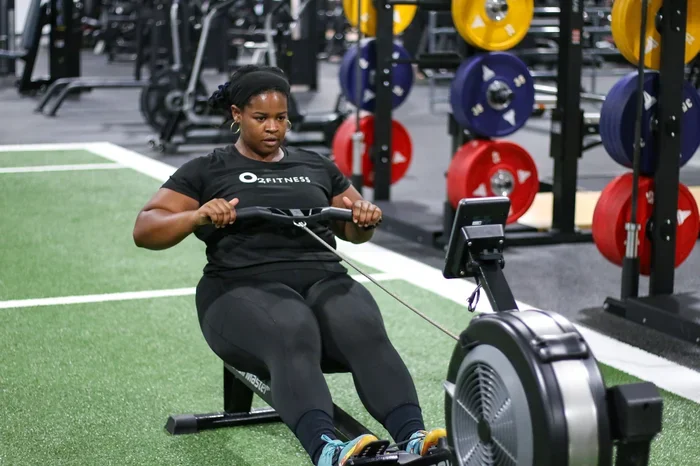
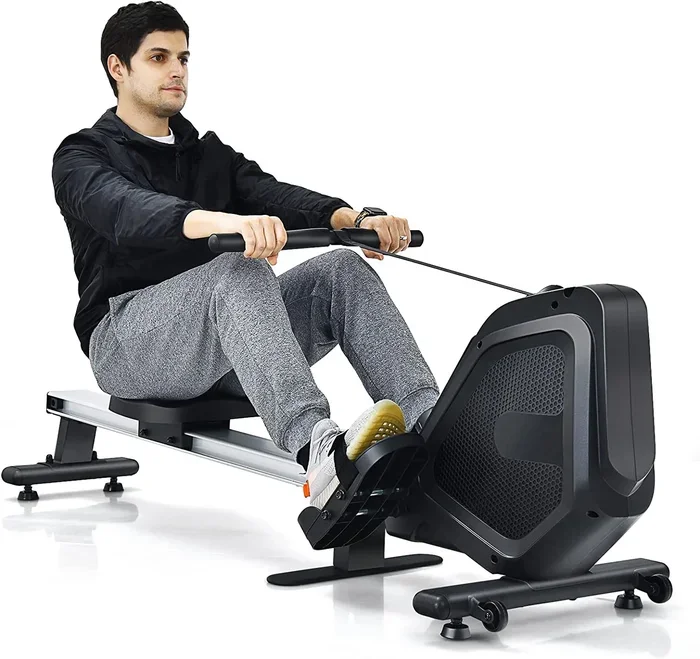
Start by sitting on the seat and securing your feet in the straps. Keep your knees bent and close to your chest. Hold the handle with both hands and keep your back straight, not rounded.
The stroke has two phases. First, push with your legs while keeping your arms relaxed. Then, pull the handle toward your lower chest using your arms and back. Finally, reverse the motion to return to the starting position. The sequence is legs, arms, then arms, legs.
Here are some quick safety tips:
- Start slow: Begin with just 10 to 15 minutes and slowly increase your time.
- Use light resistance: Do not crank up the resistance too high. Gentle resistance is perfect for building strength safely.
- Warm up first: Do a few minutes of easy rowing to warm your muscles before going harder.
- Listen to your body: If anything feels painful, stop and rest. Discomfort is different from pain.
- Stay hydrated: Keep water nearby and take sips between intervals.
If you have a history of back issues, it is a good idea to consult your doctor before starting. You can also read more about is a rowing machine good for a bad back to understand how rowing affects your spine.
Common Concerns and Misconceptions
Many older adults have questions or worries about starting a rowing routine. Let us address some of the most common ones.
Is rowing too hard on my joints? No. Rowing is one of the gentlest gentle exercise for seniors options available. The seated position and smooth motion mean your joints do not take a beating. In fact, many physical therapists recommend rowing as a rehabilitation exercise.
Will I hurt my back? With proper form, rowing is actually great for your back. It strengthens the muscles that support your spine. However, rounding your back too much can cause strain. Keep your posture tall and engage your core throughout each stroke.
Can I lose weight with rowing? Absolutely. Rowing burns a significant number of calories burned per session. It is an effective rowing machine for losing weight because it works so many muscles at once. Combined with a healthy diet, regular rowing can help you reach and maintain a healthy weight.
Do I need to be fit to start? Not at all. One of the best things about a rowing machine is that you can start at any fitness level. You control the resistance and the pace. Beginners can start very gently and build up over time.
Getting Started: A Simple Routine for Older Adults
Starting a new exercise routine can feel overwhelming, but rowing makes it easy. Here is a simple plan to get you going.
Week 1-2: Row for 10 minutes at a comfortable pace. Focus on learning the correct stroke sequence. Keep the resistance at a low setting. Your goal is to build the habit, not to exhaust yourself.
Week 3-4: Increase your time to 15-20 minutes. You can slightly raise the resistance if the workout feels too easy. Try to row three to four times this week.
Week 5 and beyond: Aim for 25-30 minutes per session, four to five times a week. You can add short intervals where you row a little harder for two minutes, then recover for three minutes. This endurance training approach helps boost your cardiovascular fitness even more.
Always cool down after your session. Row gently for three to five minutes and then stretch your legs, back, and arms. This helps prevent soreness and keeps your muscles flexible.
Remember, consistency is more important than intensity. Even a short daily row will bring noticeable benefits over time. The key is to enjoy the process and make it a regular part of your routine.
Final Thoughts
A rowing machine good for older adults is not just a nice idea. It is backed by science and used by millions of seniors worldwide. From better heart health to stronger muscles and improved balance, the benefits are hard to ignore.
Rowing is safe, effective, and adaptable to any fitness level. It is one of the few exercises that truly works your whole body while being gentle on your joints. Whether you want to lose weight, stay independent, or simply feel better every day, a rowing machine can help you get there.
Start small, stay consistent, and enjoy the journey. Your body will thank you for it. And if you ever want to explore more about how rowing fits into a weight loss plan, check out our article on is using a rowing machine good for losing weight.
The best time to start is today. Grab a water bottle, adjust your seat, and take that first gentle stroke. You will be glad you did.
Frequently Asked Questions
Is rowing safe for seniors with arthritis?
Yes, rowing is generally safe for seniors with arthritis. It is a low-impact exercise that strengthens the muscles around your joints without putting hard stress on them. The smooth, gliding motion of a rowing machine is much gentler than running or jumping. Always start with light resistance and consult your doctor if you have concerns.
How often should older adults use a rowing machine?
Most older adults benefit from rowing three to five times per week. You can start with shorter sessions of 10 to 15 minutes and gradually increase the duration. Listening to your body and allowing rest days between intense sessions is important for safe progress.
Can a rowing machine help with weight loss for older adults?
Yes, a rowing machine is excellent for weight loss at any age. It burns a high number of calories because it engages over 80% of your muscles. For older adults looking to manage their weight, rowing combined with a balanced diet can produce great results over time.
What is the proper form for rowing to avoid injury?
Proper form starts with a straight back and engaged core. Push with your legs first, then pull with your arms, and reverse the motion smoothly. Avoid rounding your back or jerking the handle. Keep your movements slow and controlled, especially when you are just starting out.
Do I need any special equipment to start rowing?
All you need is a rowing machine and comfortable clothing. You do not need special shoes or gear. Make sure your machine has a padded seat and adjustable foot straps for the best comfort. A water bottle nearby is also a great idea to stay hydrated during your workout.
Can rowing help improve bone density in older adults?
Rowing is a weight-bearing exercise that can help support bone health. While it is not as high-impact as walking or jogging, the resistance from each stroke stimulates your bones and muscles. Over time, this can help maintain bone density and reduce the risk of osteoporosis-related issues.