What Body Parts Does a Rowing Machine Help
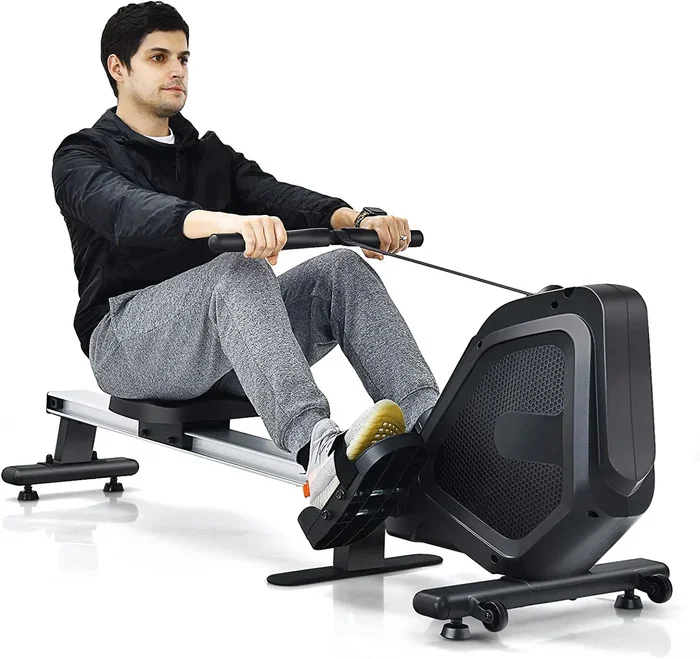
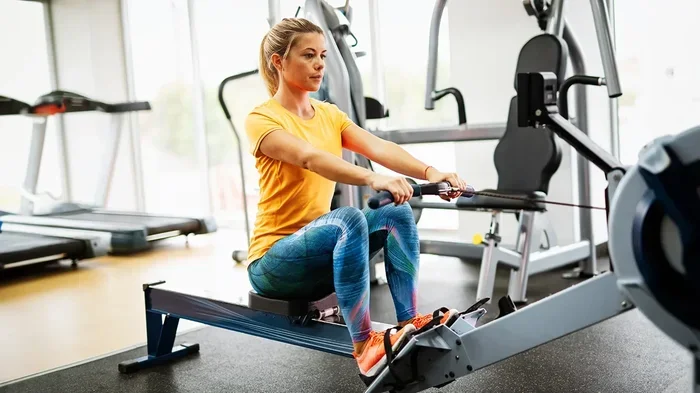
A rowing machine targets over 85% of your body’s muscles, making it one of the most effective full-body workout tools available. From your legs and back to your arms and core, the rowing stroke engages multiple muscle groups in every single rep. Whether you want to build strength, burn fat, or improve heart health, the rowing machine delivers results for every major muscle group.
A rowing machine is one of the most underrated pieces of workout equipment out there. Most people think it only works your arms. But that is far from the truth. In fact, a rowing machine helps tone and strengthen nearly your entire body with every stroke you take.
Whether you are a beginner looking to get in shape or a seasoned athlete wanting a cross-training tool, the rowing machine delivers. It combines cardio and strength training into one smooth, flowing motion. And the best part? It is easy on your joints, which makes it perfect for people of all ages and fitness levels.
In this guide, we will break down exactly what body parts does a rowing machine help, how each stroke works your muscles, and how you can get the most out of your workouts. Let us dive in.
Key Takeaways
- Full-Body Engagement: A rowing machine works your legs, back, arms, and core in one smooth motion.
- Low-Impact Exercise: Rowing is gentle on your joints while still delivering a high-intensity workout.
- Cardiovascular Benefits: Regular rowing improves heart health and boosts endurance over time.
- Muscle Toning: The rowing stroke targets specific muscle groups for balanced strength development.
- Calorie Burning: Rowing burns a significant number of calories, supporting weight loss goals.
- Proper Form Matters: Using correct technique maximizes results and prevents injury.
- Beginner-Friendly: Rowing machines suit all fitness levels with adjustable resistance settings.
📑 Table of Contents
How a Rowing Machine Works Your Body
Every rowing stroke follows a specific sequence of movements. Each phase targets different muscle groups. Understanding this sequence helps you get the most out of every rep.
The Catch
This is the starting position. Your knees are bent, your shins are vertical, and your arms are extended forward. The catch engages your hamstrings, calves, and the muscles along your lower back. It sets the foundation for the entire stroke.
The Drive
This is the power phase. You push with your legs, then swing your torso back, and finally pull with your arms. The drive works your quadriceps, glutes, calves, back muscles, biceps, and shoulders. It is where the real magic happens.
The Recovery
This is the return phase. You extend your arms, lean forward, and then bend your knees to slide back to the catch. The recovery engages your abdominals, triceps, and hamstrings as you control the movement back to the start.
What makes rowing so effective is that every stroke hits multiple muscle groups at once. This is why a rowing machine workout is so efficient. You get more done in less time compared to machines that isolate single muscle groups.
What Body Parts Does a Rowing Machine Help?
Let us get specific about which muscles the rowing machine targets. The answer is almost every major muscle group in your body.
Legs and Lower Body
Your legs do the heavy lifting during the drive phase. The rowing machine works your quadriceps, hamstrings, glutes, and calves. These muscles generate the initial power that starts every stroke.
If you want to build stronger legs without the impact of running, rowing is an excellent choice. It strengthens your lower body while being gentle on your knees and ankles.
Back and Upper Body
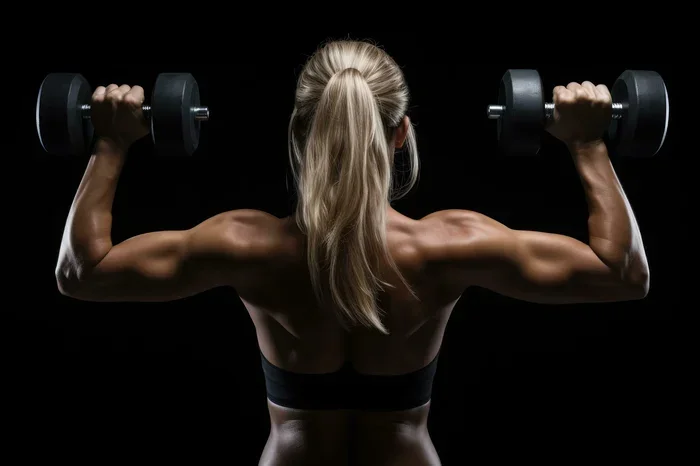
The pulling motion of the rowing stroke targets your latissimus dorsi, trapezius, rhomboids, and rear deltoids. These are the muscles that pull your shoulders back and give you that strong, defined back look.
Your biceps, forearms, and grip strength also get a great workout as you handle the rowing handle throughout each session.
Core and Abdominals
Many people do not realize how much the core is involved in rowing. Your abdominals, obliques, and lower back muscles stabilize your torso during every stroke. A strong core is essential for maintaining proper rowing form.
Over time, regular rowing can help you develop a tighter midsection and better posture. This makes the rowing machine a great tool for core strengthening as well as full-body fitness.
Arms and Shoulders
While the arms are not the primary power source, they play an important role in the finish of each stroke. Your biceps, triceps, deltoids, and forearms all contribute to pulling the handle toward your torso.
For those wondering what does a rowing machine do for your body, the arms are one of the most noticeable areas that benefit from consistent training.
Is a Rowing Machine a Full Body Workout?
The short answer is yes. Rowing is one of the few exercises that truly qualifies as a full body workout. Most cardio machines like treadmills and bikes focus primarily on the lower body. But rowing engages your upper body, lower body, and core simultaneously.
According to fitness experts, a single rowing stroke can activate over 85% of your body’s muscles. This makes it incredibly efficient for people who want a complete workout in a short amount of time.
If you have ever wondered does a rowing machine give a full body workout, the answer is a definitive yes. It combines cardiovascular training with muscular endurance and strength building all in one movement.
Rowing vs. Other Cardio Machines
| Machine | Primary Muscles Worked | Impact Level | Full Body? |
|---|---|---|---|
| Rowing Machine | Legs, back, arms, core | Low | Yes |
| Treadmill | Legs, glutes | High | No |
| Stationary Bike | Legs, glutes | Low | No |
| Elliptical | Legs, arms, core | Low | Partial |
As you can see, the rowing machine stands out for its ability to deliver a complete full body workout with minimal joint stress. This is why so many people are adding rowing machines to their home gym setups.
Benefits of Rowing for Muscle Toning and Strength
Beyond just working your muscles, the rowing machine offers a range of benefits that make it a standout choice for fitness enthusiasts.
Muscle Toning
Rowing builds lean, toned muscle across your entire body. Unlike heavy weightlifting that targets specific areas, rowing creates balanced muscle development. Your legs, back, arms, and core all grow stronger together.
This makes it an ideal choice for people who want a toned physique without bulky muscle mass. The repetitive, rhythmic nature of rowing creates long, lean muscles over time.
Strength and Endurance
Rowing builds both muscular strength and cardiovascular endurance. The resistance from the machine challenges your muscles, while the continuous motion trains your heart and lungs. Over time, you will notice improved stamina in daily activities and other workouts.
Posture and Flexibility
Regular rowing strengthens the muscles that support good posture. Your back extensors, core, and shoulders all work together to keep you upright during each stroke. This can help counteract the slouching that comes from sitting at a desk all day.
For more details on how rowing affects your body, check out this article on what does a rowing machine do for your body.
Common Mistakes to Avoid
Even though rowing is a simple movement, poor form can reduce your results and lead to injury. Here are the most common mistakes beginners make.
- Using only your arms: Many people pull with their arms and forget to drive with their legs. Your legs should generate about 60% of the power in each stroke.
- Rounding your back: Keep your back straight throughout the entire stroke. Rounding your lower back puts unnecessary strain on your spine.
- Sliding too fast: The recovery should be slower than the drive. Rushing through the recovery wastes energy and reduces muscle engagement.
- Overextending at the finish: Do not lean back too far at the end of the drive. A slight lean back is all you need.
Quick Tip: Film yourself rowing from the side to check your form. This simple trick helps you spot mistakes and correct them quickly.
How to Get Started with Rowing
Starting a rowing routine is easier than you might think. Here are some practical tips to help you begin.
Start with Short Sessions
Begin with 10 to 15 minute sessions, three times per week. Focus on learning the proper technique before pushing for longer or harder workouts. Once your form feels natural, you can gradually increase the duration and intensity.
Adjust the Resistance
Most rowing machines allow you to adjust the damper or resistance level. For beginners, start with a lower setting. As your strength and endurance improve, you can increase the resistance to challenge your muscles further.
Set Realistic Goals
Track your progress by monitoring distance, time, and stroke rate. Setting small, achievable goals keeps you motivated and helps you see improvements over time.
For more guidance on getting started, visit does a rowing machine give a full body workout for beginner-friendly tips.
Expert Insights on Rowing Benefits
Fitness professionals consistently rank the rowing machine as one of the best pieces of equipment for a complete workout. The combination of cardiovascular conditioning and muscular engagement makes it a versatile tool for any fitness goal.
According to certified personal trainers, rowing is particularly beneficial for people who want to burn fat while building muscle. The high-calorie burn from rowing, combined with its muscle-building effects, makes it a powerful tool for body recomposition.
Rowing also offers mental health benefits. The rhythmic, meditative nature of the rowing stroke can reduce stress and improve focus. Many users find that their rowing sessions become a calming part of their daily routine.
Key Takeaways
- Full-Body Engagement: A rowing machine works your legs, back, arms, and core in one smooth motion.
- Low-Impact Exercise: Rowing is gentle on your joints while still delivering a high-intensity workout.
- Cardiovascular Benefits: Regular rowing improves heart health and boosts endurance over time.
- Muscle Toning: The rowing stroke targets specific muscle groups for balanced strength development.
- Calorie Burning: Rowing burns a significant number of calories, supporting weight loss goals.
- Proper Form Matters: Using correct technique maximizes results and prevents injury.
- Beginner-Friendly: Rowing machines suit all fitness levels with adjustable resistance settings.
Conclusion
The rowing machine is one of the most effective and versatile pieces of workout equipment available today. It targets nearly every major muscle group in your body, from your legs and back to your arms and core. Whether your goal is to build strength, burn calories, improve heart health, or simply stay active, rowing delivers results.
The beauty of the rowing machine lies in its simplicity. One smooth stroke works multiple muscle groups simultaneously, giving you a full body workout in a fraction of the time it would take on other machines. And because it is low impact, it is accessible to people of all ages and fitness levels.
Now that you know exactly what body parts does a rowing machine help, you can approach your workouts with confidence and purpose. Focus on proper form, start at your own pace, and stay consistent. The results will follow. Your body will thank you for it.
For more information on the many benefits of rowing, explore our other resources on the benefits of using a rowing machine and discover how this amazing piece of equipment can transform your fitness routine.
Frequently Asked Questions
What muscles does a rowing machine target the most?
The rowing machine primarily targets your legs, back, and core. During the drive phase, your quadriceps, hamstrings, glutes, and back muscles generate most of the power. Your arms and shoulders contribute during the finish of each stroke.
Is rowing good for weight loss?
Yes, rowing is excellent for weight loss. It burns a high number of calories while building lean muscle. The combination of cardio and strength training makes it one of the most efficient exercises for burning fat and boosting metabolism.
Can beginners use a rowing machine safely?
Absolutely. Rowing machines are beginner-friendly because you can adjust the resistance to match your fitness level. Start with short sessions, focus on proper form, and gradually increase the intensity as your strength and endurance improve.
How often should I use a rowing machine?
For general fitness, aim for three to five sessions per week, lasting 15 to 30 minutes each. If you are training for a specific goal, you can increase the frequency and duration. Always listen to your body and allow time for recovery between sessions.
Does rowing help tone your arms?
Yes, rowing helps tone your arms. The pulling motion engages your biceps, triceps, forearms, and shoulders. While the legs do most of the heavy work, your arms play an important role in completing each stroke and building upper body strength over time.
Is a rowing machine better than a treadmill for a full body workout?
For a full body workout, the rowing machine has the edge. Treadmills primarily work your lower body, while rowing engages your legs, back, arms, and core simultaneously. Rowing also offers a low-impact alternative that is easier on your joints than running.