Is a Rowing Machine Good for Senior Citizens
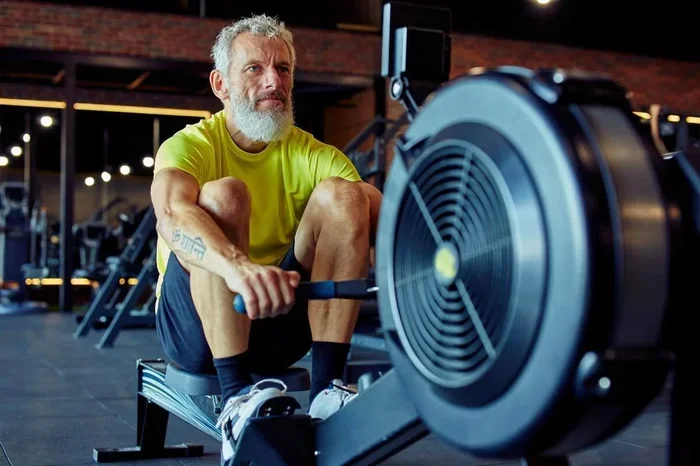
A rowing machine can be an excellent low-impact exercise option for senior citizens looking to stay active and healthy. It provides a gentle yet effective full body workout that supports cardiovascular health, muscle strength, and joint mobility without putting excessive stress on aging bodies. With proper form and the right resistance settings, seniors can safely enjoy the many benefits of rowing from the comfort of home.
Staying active becomes even more important as we get older. But finding exercises that are safe, effective, and enjoyable can be tricky. Many seniors worry about high-impact activities that might strain their joints or cause injury. That is where a rowing machine for seniors comes into the picture.
A rowing machine offers a smooth, low-impact way to get a serious workout without beating up your body. Whether you are 60 or 80, this equipment can help you build strength, improve heart health, and move better in your daily life. Let us dive into why so many older adults are turning to rowing as their go-to exercise.
Key Takeaways
- Low-Impact Exercise: Rowing is gentle on joints, making it ideal for seniors with arthritis or joint stiffness.
- Full Body Workout: It engages up to 86% of the body’s muscles, including legs, arms, back, and core.
- Heart Health: Regular rowing improves cardiovascular fitness, which is crucial for older adults.
- Home-Friendly: Compact rowing machines are easy to set up and use at home, making them convenient for seniors.
- Safety First: Starting slow and using proper form prevents injury and builds confidence over time.
- Mental Benefits: Rowing can reduce stress, improve mood, and support cognitive health in older adults.
📑 Table of Contents
- Why Rowing Machines Are Great for Senior Citizens
- Health Benefits of Rowing for Older Adults
- Is Rowing Safe for Seniors with Back Problems?
- How to Get Started with a Rowing Machine Safely
- Common Mistakes Seniors Should Avoid
- How Rowing Compares to Other Senior-Friendly Exercises
- Final Thoughts on Rowing Machines for Senior Citizens
Why Rowing Machines Are Great for Senior Citizens
Not every exercise works well for older bodies. Some routines are too harsh. Others are too complicated. A rowing machine for senior citizens strikes a rare balance. It is effective, adjustable, and kind to aging joints.
Unlike running or jumping, rowing keeps your feet planted and your movements controlled. The seated position takes pressure off your knees and hips. This makes it one of the best options for seniors who want to stay fit without the risk of falls or impact injuries.
Low-Impact, Joint-Friendly Movement
One of the biggest concerns for older adults is joint pain. Knees, hips, and ankles can feel sore after even mild activity. Rowing solves this problem beautifully. The fluid motion of a rowing machine means there is no jarring or pounding on your joints.
In fact, many people with arthritis or chronic joint stiffness find rowing to be one of the most comfortable exercises they can do. The water resistance on some models mimics the feel of gliding through water, which is incredibly smooth and natural.
Full Body Engagement
Here is something that surprises many people: rowing works almost your entire body. It is not just an arm exercise. A proper rowing stroke uses your legs, core, back, shoulders, and arms in one smooth motion. This makes it one of the most efficient full body workouts you can find.
For seniors, this is a huge benefit. Instead of spending hours on different machines for different muscle groups, you can get a complete session on a single rowing machine. It saves time and keeps your routine simple.
Health Benefits of Rowing for Older Adults
The health perks of rowing go far beyond just staying active. Let us look at the specific ways a rowing machine can improve life for senior citizens.
Cardiovascular Health
Heart health is a top priority as we age. Cardiovascular exercise helps keep the heart strong and the blood flowing properly. Rowing is a fantastic aerobic workout that raises your heart rate without exhausting you.
Studies show that regular moderate cardio can lower blood pressure, reduce the risk of heart disease, and improve circulation. For seniors, even 15 to 20 minutes of steady rowing can make a meaningful difference in heart health over time.
Muscle Strength and Tone
As we get older, we naturally lose muscle mass. This process, called sarcopenia, can make everyday tasks harder. Carrying groceries, climbing stairs, or even getting up from a chair can become challenging.
Rowing fights back against muscle loss. It builds functional strength in the legs, back, and core. The beauty of a rowing machine for elderly users is that you control the resistance. You can start very light and gradually increase as your strength improves.
Improved Balance and Coordination
Falls are a serious concern for seniors. Better balance and coordination can help prevent accidents. Rowing engages the core muscles that are essential for stability and posture.
Over time, regular rowing can improve your sense of balance and body awareness. This translates directly to better movement in daily life, whether you are walking on uneven ground or simply standing up straight.
Mental Health and Mood
Exercise is not just good for the body. It is also great for the mind. Rowing can help reduce stress, ease anxiety, and boost mood through the release of endorphins. Many seniors report feeling more relaxed and energized after a rowing session.
The rhythmic, repetitive nature of rowing can also be meditative. It gives you a quiet moment to focus on your breathing and clear your thoughts. This mental benefit is just as valuable as the physical one.
Is Rowing Safe for Seniors with Back Problems?
Back pain is extremely common among older adults. Many people wonder if rowing could make it worse. The answer depends on several factors, including the type of back issue and your form.
When done correctly, rowing can actually help strengthen the muscles that support your spine. It promotes better posture and can relieve stiffness. However, poor form or too much resistance can lead to strain.
If you have a history of back problems, it is wise to consult your doctor before starting. You may also want to look into a rowing machine for bad back with adjustable features that allow you to find a comfortable, pain-free range of motion.
The key is to start gently. Use low resistance, focus on smooth strokes, and listen to your body. If anything feels wrong, stop and reassess. Most seniors find that rowing becomes one of the most comfortable forms of exercise they have tried.
How to Get Started with a Rowing Machine Safely
Starting a new exercise routine can feel intimidating. But with a rowing machine, the learning curve is gentle. Here is how to begin safely and confidently.
Choose the Right Machine
Not all rowing machines are the same. Some are better suited for seniors than others. Look for a machine that is easy to get on and off, has a comfortable seat, and offers smooth, adjustable resistance.
Air resistance models are very popular, but magnetic resistance machines tend to run quieter and offer more precise control. If you are shopping for a home setup, check out our guide on what is a good rowing machine for home use to find the best options for your needs.
Master the Proper Form
Good form is the most important part of safe rowing. Here are the basic steps:
- Start with your shins vertical and feet securely strapped in.
- Push with your legs first, keeping your arms relaxed.
- Lean back slightly once your legs are almost straight.
- Pull the handle toward your lower chest with your arms.
- Reverse the motion slowly: arms extend, lean forward, then bend your knees to return to the start.
Take your time learning this sequence. It might feel awkward at first, but it will become second nature quickly. The key is to move smoothly and avoid jerky motions.
Start Slow and Build Up
Do not try to row like a competitive athlete on day one. Begin with just 10 to 15 minutes at a low resistance setting. Focus on consistency rather than intensity. As your body adapts, you can gradually increase the duration and difficulty.
Most seniors find that 20 to 30 minutes of rowing, three to four times per week, is a perfect routine. This gives your body enough stimulus to improve fitness without overloading it.
Warm Up and Cool Down
Always start with a few minutes of gentle rowing to warm up your muscles. End with slow, easy strokes to cool down. Stretching your legs, back, and arms after your session can help prevent soreness and improve flexibility.
Common Mistakes Seniors Should Avoid
Even with the best intentions, it is easy to make mistakes when starting out. Here are some common errors and how to avoid them.
- Rounding the back: Keep your spine neutral throughout the stroke. Slouching puts unnecessary strain on your lower back.
- Using too much resistance: Start light. High resistance too early can lead to muscle strain and poor form.
- Pulling with the arms only: The power comes from your legs. Your arms should guide, not do all the work.
- Rushing the movement: Smooth and controlled beats fast and jerky every time.
- Skipping rest days: Your body needs time to recover. Allow at least one rest day between rowing sessions.
Avoiding these mistakes will help you get the most out of your workouts while staying safe and injury-free.
How Rowing Compares to Other Senior-Friendly Exercises
How does rowing stack up against other popular exercises for older adults? Let us take a quick look.
| Exercise | Impact Level | Muscles Worked | Heart Health Benefit |
|---|---|---|---|
| Rowing Machine | Very Low | Full body (86%) | Excellent |
| Walking | Low | Lower body | Good |
| Swimming | Very Low | Full body | Excellent |
| Stationary Bike | Very Low | Lower body | Good |
| Treadmill | Moderate to High | Lower body | Good |
As you can see, rowing offers a unique combination of full body engagement and very low impact. It is one of the few exercises that works both your upper and lower body while remaining gentle on your joints.
For seniors specifically, this makes rowing a standout choice. Walking is great but mainly targets the legs. Swimming is excellent but requires pool access. A rowing machine gives you a complete workout in the comfort of your own home.
Final Thoughts on Rowing Machines for Senior Citizens
A rowing machine for senior citizens is one of the smartest investments you can make for your health and independence. It is safe, effective, and adaptable to any fitness level. Whether you want to improve your heart health, build strength, or simply stay active, rowing delivers results without the risk.
Start slowly, focus on proper form, and enjoy the journey. The benefits of regular rowing will show up in your energy levels, your mobility, and your overall quality of life. It is never too late to start, and your body will thank you for every stroke.
If you are curious about how rowing fits into a broader weight management plan, check out our article on is a rowing machine good exercise for weight loss. And for those concerned about joint health, our guide on is a rowing machine good for lower back pain offers helpful insights.
Remember, the best exercise is the one you enjoy and can do consistently. Rowing checks both boxes for seniors everywhere. Grab a towel, hop on the machine, and start your first row today. Your future self will be grateful.
Frequently Asked Questions
Is a rowing machine safe for seniors with knee problems?
Yes, rowing is generally safe for seniors with knee issues because it is a low-impact exercise. The seated position and smooth motion put minimal stress on the knees. However, you should start with low resistance and consult your doctor if you have any concerns.
How long should a senior citizen row on a rowing machine?
Most seniors benefit from 15 to 30 minutes of rowing per session, three to four times per week. Beginners should start with shorter sessions of 10 to 15 minutes and gradually increase the duration as their fitness improves.
Can rowing help seniors lose belly fat?
Rowing is an excellent calorie-burning exercise that can contribute to overall fat loss, including belly fat. When combined with a healthy diet, regular rowing sessions can help seniors reduce visceral fat and improve their body composition over time.
What resistance level should seniors use on a rowing machine?
Seniors should start with the lowest resistance setting and gradually increase as they become more comfortable. The goal is to feel challenged but not strained. A moderate resistance that allows smooth, controlled strokes is ideal for most older adults.
Can rowing improve balance in older adults?
Yes, rowing engages the core muscles that are essential for balance and stability. Over time, regular rowing can improve posture, body awareness, and coordination, all of which contribute to better balance and a reduced risk of falls.
Do I need any special equipment to start rowing as a senior?
All you need is a rowing machine and comfortable workout clothes. Some seniors find that a non-slip mat under the machine adds extra safety. You may also want to keep a water bottle nearby and wear supportive shoes for getting on and off the machine.