Is a Rowing Machine Good for Muscle Building

A rowing machine is a surprisingly effective tool for muscle building, targeting your legs, back, arms, and core in every stroke. While it may not replace heavy free weights, it builds lean muscle, improves endurance, and delivers a powerful full-body workout. This guide breaks down exactly how a rowing machine helps you build muscle and how to get the most from your sessions.
Can a rowing machine really help you build muscle? Many people think of it as just a cardio machine. But the truth is, a rowing machine is a powerful tool for muscle building that often gets overlooked in the weight room.
Whether you are a beginner looking to get stronger or an experienced lifter searching for a new challenge, rowing machines offer something unique. They engage your entire body in every single stroke. That means you are building muscle while also improving your heart health and endurance.
In this article, we will explore exactly how a rowing machine helps you build muscle. We will look at which muscles it targets, how to use it for strength gains, and the best strategies to add it to your workout routine. By the end, you will know whether a rowing machine deserves a spot in your muscle-building plan.
Key Takeaways
- Full-Body Engagement: A rowing machine works over 80% of your muscles, making it one of the best tools for overall muscle building.
- Targets Key Muscle Groups: It hits your legs, back, arms, shoulders, and core in every single stroke.
- Builds Lean Muscle: Regular rowing sessions help you gain lean muscle mass without excessive bulk.
- Supports Muscle Recovery: The low-impact nature of rowing makes it ideal for active recovery days.
- Proper Form Is Critical: Using the correct technique ensures you target the right muscles and avoid injury.
- Complements Strength Training: Rowing pairs well with traditional weight lifting for a balanced muscle-building routine.
📑 Table of Contents
- How a Rowing Machine Builds Muscle
- Rowing Machine vs. Traditional Strength Training
- How to Use a Rowing Machine for Muscle Building
- Benefits of Rowing for Muscle Building
- Common Mistakes to Avoid
- Expert Tips for Maximizing Muscle Growth on a Rowing Machine
- Is a Rowing Machine Good for Muscle Building? The Final Verdict
How a Rowing Machine Builds Muscle
Rowing is not just about pulling a handle. It is a complex movement that recruits many muscle groups at once. This full-body engagement is what makes it so effective for building muscle.
The Science Behind Rowing and Muscle Growth
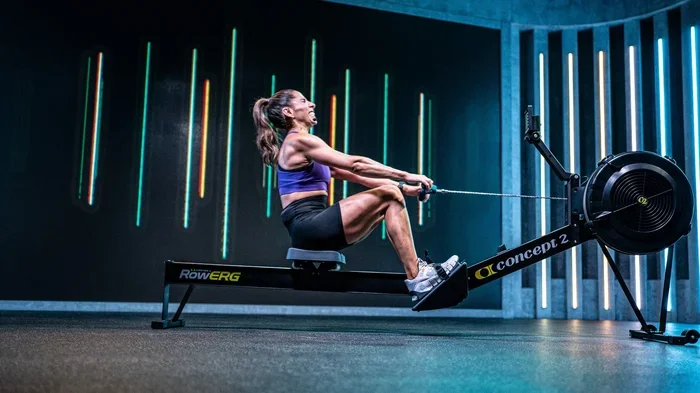
Every rowing stroke follows a specific sequence called the drive and the recovery. During the drive, you push with your legs, pull with your back and arms, and engage your core. During the recovery, you reverse the motion. This cycle repeats hundreds of times in a single workout.
Because so many muscles work together, your body has to produce a lot of force. This force creates tension on your muscles, which is the key stimulus for muscle growth. The more muscles you activate, the more total muscle-building potential you get from each stroke.
Resistance training is the foundation of muscle building. Rowing machines provide adjustable resistance, which means you can increase the load and challenge your muscles just like you would with dumbbells or barbells. Higher resistance settings make your muscles work harder, which promotes growth over time.
Which Muscles Does a Rowing Machine Target?
A rowing machine works more muscles than most people realize. Here is a breakdown of the primary muscle groups involved in every stroke:
- Legs: Your quads, hamstrings, and calves do the heavy lifting during the drive phase. They generate the initial power that starts every stroke.
- Back: Your lats, rhomboids, and traps fire as you pull the handle toward your torso. This helps build a wider, stronger back.
- Arms and Shoulders: Your biceps, forearms, and rear deltoids engage during the pull phase, adding upper-body strength.
- Core: Your abs, obliques, and lower back stabilize your body throughout the movement. A strong core is essential for proper form and power.
Because rowing is a full body workout, you get balanced muscle development. Unlike exercises that isolate one muscle group, rowing builds functional strength across your entire body.
Rowing Machine vs. Traditional Strength Training
So how does a rowing machine compare to traditional muscle-building methods like lifting weights? Let us break it down.
What Rowing Does Better
- Low Impact: Rowing is gentle on your joints. You can build muscle without the wear and tear that comes with heavy squats or deadlifts. This makes it a great option if you have joint issues or are recovering from an injury.
- Cardio + Strength Combined: With weights, you typically separate cardio and strength days. Rowing gives you both at the same time. This saves time and boosts your overall fitness.
- Endurance Building: Rowing builds muscular endurance, which means your muscles can work longer before getting tired. This is a benefit that pure strength training often misses.
What Traditional Weights Do Better
- Maximum Strength: If your goal is to lift the heaviest weight possible, free weights are still king. Rowing builds functional strength, but it will not make you as strong as heavy barbell training.
- Isolated Muscle Work: Want to specifically target your biceps or chest? Weights let you isolate muscles more precisely than rowing.
- Hypertrophy (Muscle Size): Traditional resistance training with heavy loads is generally better for maximizing muscle size.
The best approach? Use both. A rowing machine complements traditional strength training beautifully. It builds a strong foundation of lean muscle while improving your cardiovascular health and recovery.
How to Use a Rowing Machine for Muscle Building
Simply hopping on a rower and pulling casually will not build much muscle. You need a strategy. Here is how to get the most muscle-building benefits from your sessions.
1. Increase the Resistance
Most rowing machines allow you to adjust the damper setting or resistance level. To build muscle, you need to challenge your muscles. Set the resistance to a level where the last few strokes of each interval feel challenging but doable. Do not be afraid to go heavy.
Higher resistance slows your stroke rate, which forces your muscles to work harder. This is similar to lifting heavier weights in the gym. Over time, this leads to muscle growth and strength gains.
2. Focus on Power, Not Speed
Many people row fast and light. This is great for cardio but not ideal for muscle building. Instead, focus on powerful, controlled strokes. Push hard with your legs and pull strong with your arms. Think about each stroke as a rep in a strength exercise.
Try this approach: row 10 hard strokes, rest for 30 seconds, then repeat. This interval-style training creates the kind of muscle tension that drives growth.
3. Use Interval Training
Interval training is one of the most effective ways to build muscle on a rowing machine. Here is a simple routine to try:
- Warm Up: Row at a moderate pace for 3 minutes.
- Sprint: Row as hard as you can for 30 seconds.
- Recover: Row at a slow pace for 60 seconds.
- Repeat: Do 8 to 10 rounds.
- Cool Down: Row lightly for 3 minutes.
This type of training pushes your muscles to their limits, which triggers growth. It also keeps your heart rate elevated, giving you the cardiovascular benefits of rowing at the same time.
4. Maintain Proper Form
Proper form is essential for both muscle building and injury prevention. If you row with bad form, you will not target the right muscles and you risk straining your back or knees.
Here are the key form cues to remember:
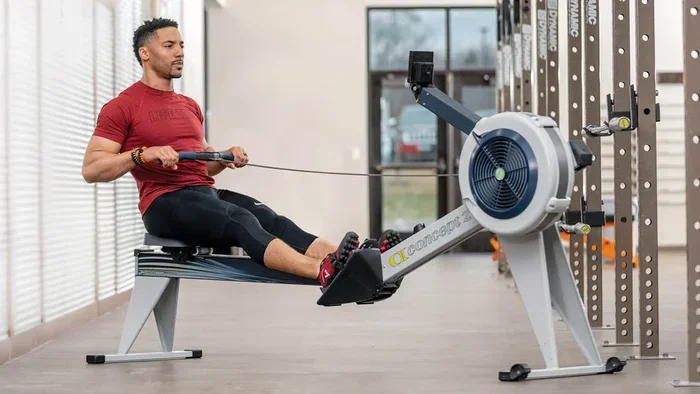
- Start with your legs pushed out and arms extended forward.
- Push with your legs first, then lean back slightly.
- Pull the handle to your lower chest with your arms.
- Reverse the motion smoothly: arms extend, lean forward, then knees bend.
- Keep your core engaged throughout the entire movement.
If you are new to rowing, consider watching a tutorial or working with a coach. Good form makes a huge difference in the quality of your workout and the muscles you target.
Benefits of Rowing for Muscle Building
Beyond just building muscle, rowing machines offer a range of benefits that support your overall fitness goals.
Builds Lean Muscle Without Excess Bulk
Rowing creates long, lean muscles rather than bulky ones. This is because it combines strength with endurance. If you want a toned, athletic physique rather than a bodybuilder look, rowing is an excellent choice.
Improves Muscle Balance
Many people have muscle imbalances because they favor one side or train certain muscles more than others. Rowing works both sides of your body equally, helping you develop balanced strength. This reduces the risk of injury and improves your posture.
Boosts Muscle Recovery
On rest days from heavy lifting, a light rowing session can actually help your muscles recover. The rhythmic motion increases blood flow, which delivers nutrients to your muscles and helps flush out waste products. This is called active recovery, and it is a smart way to stay active while letting your muscles heal.
Supports Fat Loss While Preserving Muscle
One of the challenges of building muscle is losing fat without losing hard-earned muscle. Rowing burns a significant number of calories, which helps with fat loss. At the same time, the resistance component helps preserve and even build muscle. This makes rowing a great tool for body recomposition.
Common Mistakes to Avoid
To get the most muscle-building benefits from your rowing machine, avoid these common mistakes:
- Rounding Your Back: This puts unnecessary strain on your spine and reduces the engagement of your back muscles. Keep your back straight and slightly leaned back during the drive.
- Using Only Your Arms: Many beginners pull with their arms and forget their legs. Your legs should provide about 60% of the power. Focus on the leg drive first.
- Rowing Too Fast: Speed without power does not build muscle effectively. Focus on slow, powerful strokes rather than fast, shallow ones.
- Skipping the Recovery Phase: The recovery is just as important as the drive. Use it to rest and prepare for the next powerful stroke.
- Setting Resistance Too Low: If the resistance is too easy, your muscles will not be challenged enough to grow. Find a setting that makes your muscles work.
Avoiding these mistakes will help you get stronger faster and reduce your risk of injury.
Expert Tips for Maximizing Muscle Growth on a Rowing Machine
Want to take your rowing workouts to the next level? Here are some expert-backed tips:
- Track Your Progress: Monitor your stroke rate, distance, and resistance levels. Progress tracking keeps you motivated and helps you see where you need to improve.
- Pair Rowing with Weights: Use rowing as a supplement to your weight training routine. A 20-minute rowing session after your lift can boost your muscle recovery and cardiovascular fitness.
- Eat Enough Protein: Muscle building requires adequate protein intake. Aim for about 0.7 to 1 gram of protein per pound of body weight each day.
- Rest and Recover: Muscles grow during rest, not during exercise. Make sure you are getting enough sleep and taking rest days seriously.
- Stay Consistent: Like any form of exercise, consistency is key. Aim for at least 3 to 4 rowing sessions per week to see real muscle-building results.
These tips will help you turn your rowing machine into a serious muscle-building tool.
Is a Rowing Machine Good for Muscle Building? The Final Verdict
The answer is a clear yes. A rowing machine is an excellent tool for building muscle, especially if you want a full-body approach that combines strength, endurance, and cardiovascular fitness. It targets your legs, back, arms, shoulders, and core in every stroke, making it one of the most efficient muscle-building exercises you can do.
While it may not replace heavy weight lifting for maximum strength or muscle size, it is a powerful complement to any muscle-building program. It builds lean muscle, improves muscle balance, supports recovery, and helps you burn fat at the same time.
If you are looking for a versatile, low-impact, and effective way to build muscle, a rowing machine is a fantastic choice. Add it to your routine, use proper form, stay consistent, and you will see real results.
For more information on how rowing machines support your fitness goals, check out our article on how a rowing machine delivers a total body workout and learn about the full benefits of this versatile piece of equipment.
Also, if you are new to rowing and want to build a strong foundation, read our guide on the proper form for a rowing machine to make sure you are getting the most out of every session.
And if you are curious about how rowing compares to other exercises for overall fitness, explore our article on whether a rowing machine is a good full body workout for a deeper look at its full-body benefits.
Frequently Asked Questions
Can a rowing machine replace weight training for muscle building?
Rowing machines are excellent for building lean muscle and endurance, but they cannot fully replace weight training for maximum strength and muscle size. The best approach is to use rowing as a complement to your weight lifting routine, not as a replacement.
How often should I row to build muscle?
Aim for 3 to 4 rowing sessions per week, with each session lasting 20 to 40 minutes. Focus on higher resistance and powerful strokes to maximize muscle-building benefits. Consistency is more important than intensity alone.
Will rowing make my legs too bulky?
No. Rowing builds lean, toned leg muscles rather than bulky ones. The combination of strength and endurance training creates long, defined muscles. Your legs will get stronger and more shaped, not oversized.
Is rowing better than running for building muscle?
Rowing is better than running for muscle building because it engages your upper and lower body simultaneously. Running primarily works your legs and cardiovascular system. Rowing provides a more balanced full-body muscle-building stimulus.
What resistance level should I use on a rowing machine for muscle building?
Set the resistance to a level where the last few strokes of each interval feel challenging. You should feel your muscles working hard without sacrificing your form. Start moderate and increase gradually as you get stronger.
Can rowing help me build muscle if I am a beginner?
Absolutely. Rowing machines are beginner-friendly and provide a great introduction to muscle building. Start with lower resistance, focus on learning proper form, and gradually increase the intensity as your strength improves. Within a few weeks, you will notice real strength gains.