How to Make a Yoga Mat Less Slippery
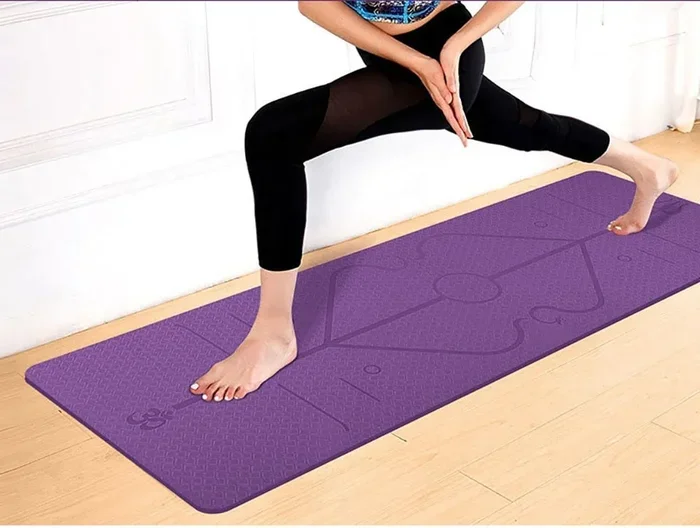
Discover how to make a yoga mat less slippery using easy, affordable methods that work every time. Whether you deal with sweaty hands, a brand-new mat, or an old mat that has lost its grip, this guide covers proven solutions. You will learn how to clean your mat properly, use natural grip boosters, and choose the right accessories to stop slipping for good.
There is nothing worse than sliding around during a yoga pose. You are in a strong warrior stance, and suddenly your feet start to shift. Your hands slip on the mat. It is frustrating, unsafe, and it ruins your flow.
The good news is that you can fix this problem easily. How to make a yoga mat less slippery is a question many yogis ask, and the answer is simpler than you think. You do not need expensive products or special equipment. With a few household items and some basic care habits, your mat can feel like new again.
In this guide, we will walk you through every method that actually works. From deep cleaning to DIY grip sprays, we have you covered. Let us get your mat grippy and ready for your next session.
Key Takeaways
- Clean your mat regularly: Sweat and dirt build up fast and cause slipping during practice.
- Use natural grip boosters: Salt, baking soda, and essential oils can restore traction on any mat surface.
- Choose the right mat cleaner: Not all cleaners are safe for every yoga mat type.
- Try a yoga towel: A quick and effective way to add grip without changing your mat.
- Break in new mats properly: New mats often feel slippery until you condition the surface.
- Store your mat correctly: Proper storage extends your mat’s lifespan and maintains its grip.
📑 Table of Contents
- Why Does a Yoga Mat Become Slippery?
- How to Clean Your Yoga Mat Properly
- DIY Grip Boosters for Your Yoga Mat
- Best Accessories to Prevent Slipping
- How to Break In a New Yoga Mat
- Common Mistakes That Make Mats More Slippery
- Expert Tips for Long-Lasting Grip
- How Often Should You Clean Your Yoga Mat?
- Conclusion
Why Does a Yoga Mat Become Slippery?
Before you fix the problem, you need to understand why it happens. A yoga mat becomes slippery for several reasons. Each cause needs a different solution.
Sweat and Body Oils
During yoga, your body produces sweat and natural oils. These substances build up on the mat surface over time. They create a thin film that reduces traction and makes the mat feel slick. This is the most common reason mats slip, especially during hot yoga or intense flows.
New Mat Residue
Brand new mats often have a chemical coating from the manufacturing process. This residue feels waxy and slippery. Many people throw away a new mat because it feels too slick. But this is completely fixable.
Wear and Tear
Over time, the surface texture of your mat breaks down. The tiny bumps and ridges that create grip wear away. An old mat loses its ability to hold traction, no matter how well you clean it.
Dirt and Dust Buildup
Even tiny particles of dust or dirt on your mat can reduce friction. If you store your mat rolled up in a bag, dust and lint can accumulate on the surface. This creates a smooth layer that causes slipping.
How to Clean Your Yoga Mat Properly
Proper cleaning is the foundation of a non-slip yoga mat. When you clean your mat the right way, you remove the grime that causes slipping. Here are the best methods.
Wash It in the Washing Machine
Some yoga mats can go in the washing machine, but not all. Check your mat’s care label first. If it is machine washable, use cold water and a mild detergent. Never use hot water or harsh chemicals. Hang it to dry completely before rolling it up.
Quick Tip: Always air dry your mat. Never put it in the dryer. The heat can warp and damage the material.
Clean It in the Bathtub
For mats that cannot go in the machine, the bathtub works great. Fill the tub with warm water and add a small amount of gentle soap. Submerge your mat and gently scrub it with a soft cloth. Rinse thoroughly and hang it to dry.
After cleaning, you may want to learn how to get a yoga mat to lay flat so it dries evenly and does not curl at the edges.
Wipe It Down After Every Use
The easiest habit you can build is wiping your mat after each session. Use a damp cloth with a few drops of mild soap. This prevents sweat and oils from building up. A quick wipe takes less than a minute and keeps your mat fresh.
For a deeper clean, you can use how to wash a yoga mat in the washer as a weekly routine to keep your mat in top shape.
DIY Grip Boosters for Your Yoga Mat
Cleaning alone may not be enough. Sometimes your mat needs an extra boost to regain its grip. These homemade solutions are cheap, natural, and highly effective.
Baking Soda Paste
Baking soda is a gentle abrasive that removes residue and restores texture. Mix a few tablespoons of baking soda with a small amount of water to form a paste. Rub it gently onto the mat surface with a soft cloth. Rinse it off and let the mat dry completely.
For more details on this method, check out how to clean a yoga mat with baking soda.
Essential Oil Grip Spray
Essential oils can improve your mat’s grip while leaving a pleasant scent. Mix water with a few drops of tea tree oil or lavender oil in a spray bottle. Lightly mist the mat surface before your practice. The oil creates a thin layer that enhances traction.
Learn more about making your own in how to make yoga mat spray with essential oils.
Salt and Water Solution
A simple salt and water solution works wonders on new mats. Mix one cup of coarse salt with two cups of warm water. Spread the mixture over the mat surface and let it sit for 30 minutes. Rinse it off and dry the mat completely. The salt roughs up the surface and removes the slippery factory coating.
Best Accessories to Prevent Slipping
Sometimes the best solution is adding something to your mat. These accessories are affordable and make a huge difference in your practice.
Yoga Towels
A yoga towel is one of the simplest ways to stop slipping. You lay it over your mat and practice on top of it. The towel absorbs sweat and adds a textured surface that grips the floor. Look for towels with rubber dots on the bottom so they stay in place.
Yoga towels are especially helpful for hot yoga or vinyasa flows where you sweat a lot.
Grip Enhancers and Mat Sprays
Commercial grip sprays are designed specifically for yoga mats. They create a tacky layer on the surface that improves traction. Look for products that are non-toxic and safe for all mat types. Spray a light layer before your practice and wipe off any excess.
Mat Bags and Straps
How you carry and store your mat matters too. A good mat bag protects the surface from dirt and dust. Using a strap to carry your mat keeps it clean and prevents surface damage during transport.
| Accessory | Best For | Cost |
|---|---|---|
| Yoga Towel | Sweaty hands and feet | $10 – $25 |
| Grip Spray | Quick grip boost before practice | $8 – $18 |
| Mat Bag | Protection during transport and storage | $12 – $30 |
| Mat Strap | Carrying mat hands-free | $5 – $15 |
How to Break In a New Yoga Mat
New mats are notorious for feeling slippery. The factory coating needs to be removed before the mat will grip properly. Here is how to do it.
Step-by-Step Break-In Process
- Mix a salt and water solution (one cup salt to two cups warm water).
- Spread the mixture over the entire mat surface.
- Let it sit for 30 minutes to one hour.
- Rinse the mat thoroughly with clean water.
- Hang the mat to dry completely.
- Repeat the process two or three times if needed.
After breaking in your mat, you should notice a big difference in grip. The surface will feel slightly rougher, which is exactly what you want. This texture creates the friction that keeps your hands and feet in place during poses.
If you have a Manduka brand mat, you can also look into how to break in a new Manduka yoga mat for brand-specific tips.
Common Mistakes That Make Mats More Slippery
Some habits actually make your mat worse instead of better. Avoid these common mistakes to keep your mat grippy for longer.
Using Harsh Chemicals
Bleach, alcohol, and strong detergents can damage the mat surface. They strip away the material’s natural texture and leave it feeling slick. Always use gentle, natural cleaning solutions.
Skipping the Drying Step
Never roll up a wet mat. Trapped moisture leads to mold and mildew. It also breaks down the material faster. Always let your mat dry completely before storing it.
Using Too Much Product
More is not always better. Too much grip spray or essential oil can make the mat feel greasy instead of grippy. Use a light hand and build up gradually.
Ignoring Regular Cleaning
If you only clean your mat once a month, sweat and oils have plenty of time to build up. Make wiping your mat part of your post-practice routine. It only takes a minute and keeps your mat in great condition.
Expert Tips for Long-Lasting Grip
Experienced yogis know that mat grip is about more than just cleaning. Here are some insider tips that make a real difference.
Apply grip right before practice. Spraying or applying a grip enhancer just before you start gives you the best results. The effect lasts through a full session.
Wash your hands before practice. Lotions and hand creams create a barrier that reduces grip. Clean, bare hands grip the mat much better.
Rotate your mats. If you practice frequently, having two mats and alternating them gives each mat time to dry fully and recover its texture.
Know when to replace your mat. Even with the best care, mats wear out eventually. If your mat has deep grooves, tears, or still slips after thorough cleaning, it is time for a new one.
For more advice on mat care, read how to stop your yoga mat from being slippery for additional proven methods.
How Often Should You Clean Your Yoga Mat?
The ideal cleaning frequency depends on how often you practice. Here is a simple guide.
- Daily practice: Wipe down after every session. Deep clean once a week.
- 3-4 times per week: Wipe down after each session. Deep clean every two weeks.
- Once or twice a week: Wipe down after each session. Deep clean once a month.
- Occasional practice: Deep clean before and after each use.
Following this schedule keeps your mat fresh, hygienic, and non-slip. It also extends the overall mat lifespan so you get more value from your investment.
Conclusion
How to make a yoga mat less slippery comes down to three things: proper cleaning, natural grip boosters, and smart accessories. You do not need to spend a lot of money or buy special equipment. Simple household items like salt, baking soda, and essential oils work remarkably well.
Start by cleaning your mat the right way. Add a DIY grip spray or salt treatment for extra traction. Use a yoga towel or grip enhancer when you need an immediate solution. And build good habits like wiping your mat after every practice and storing it properly.
Your yoga practice deserves a mat that keeps you safe and stable. With these tips, your mat will feel grippy, fresh, and ready for every pose. Take a few minutes today to treat your mat, and you will feel the difference in your very next session.
Frequently Asked Questions
Can I use vinegar to clean my yoga mat?
Yes, white vinegar diluted with water makes a great natural mat cleaner. Mix one part vinegar with three parts water and spray it on the mat. Wipe it down with a damp cloth and let it air dry. Vinegar cuts through sweat and bacteria without damaging the mat surface.
Why does my new yoga mat feel slippery even after washing?
New mats have a factory coating that needs to be broken in. Washing alone may not remove all of it. Try the salt and water method or scrub the surface lightly with a rough cloth to rough up the texture and improve grip.
How do I make my yoga mat sticky again?
Use a salt scrub, baking soda paste, or an essential oil grip spray. These natural remedies restore the mat’s texture and tackiness. Regular cleaning also prevents the buildup that causes stickiness to fade over time.
Is it safe to use essential oils directly on my yoga mat?
Yes, but always dilute them with water first. Use only a few drops per spray bottle. Tea tree oil and lavender oil are popular choices because they are natural and gentle. Avoid oil-based products that can leave a greasy residue on the mat.
Can I use a hairdryer to dry my yoga mat faster?
You can, but use a low heat setting and keep the dryer at a distance. High heat can warp or damage certain mat materials. Air drying is always the safest option and preserves the mat’s grip and integrity.
What type of yoga mat is least likely to slip?
Matts made from natural rubber or TPE (thermoplastic elastomer) tend to offer the best grip. Thicker mats with textured surfaces also provide more traction. Look for mats specifically designed for hot yoga or high-grip practices if slipping is a persistent problem.