What Is Better for Chest Dumbbell or Barbell
What is better for chest dumbbell or barbell? Both tools build a strong chest, but they work differently. Dumbbells allow more range of motion and fix imbalances, while barbells let you lift heavier for raw strength. The best choice depends on your goals, experience level, and any joint issues.
When you walk into any gym, you will see people pressing dumbbells and barbells for chest work. Both tools are staples of chest exercises. But which one truly delivers better results? That is the question many lifters ask.
The answer is not as simple as picking one over the other. What is better for chest dumbbell or barbell depends on what you want to achieve. Are you chasing bigger pecs? More strength? Better symmetry? Each tool has unique advantages that cater to different goals.
In this guide, we break down everything you need to know. You will learn how each tool targets your pectoral muscles, the pros and cons of both, and how to build a routine that gets you the best chest gains. Let us dive in.
Key Takeaways
- Dumbbells offer a fuller stretch: They let your chest muscles lengthen more at the bottom of each rep, which can boost muscle growth.
- Barbells allow heavier loads: You can stack more weight on a barbell, making it ideal for building raw pressing strength.
- Dumbbells fix muscle imbalances: Each arm works independently, so no side gets left behind during chest workouts.
- Barbells are joint-friendlier for some: A fixed bar path reduces awkward shoulder positions that can cause pain.
- Combining both is best: A balanced routine uses dumbbells and barbells to get the benefits of each.
- Your goals decide the winner: Choose dumbbells for aesthetics and imbalances; choose barbells for strength and heavy lifting.
📑 Table of Contents
Understanding Dumbbell Chest Work
Why Dumbbells Work Well for Chest Training
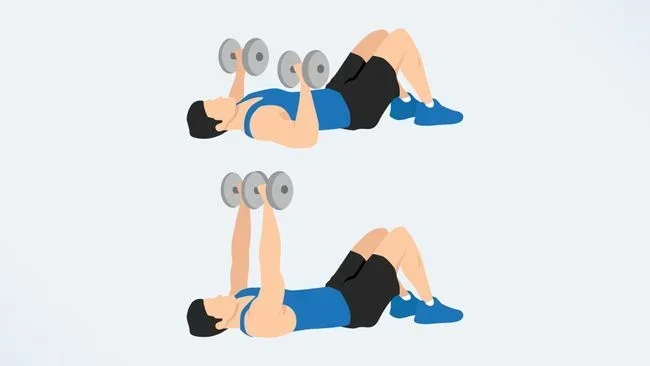
Dumbbells are free weights that let each arm move independently. This freedom changes how your chest muscles engage during every rep. You get a natural range of motion that a barbell simply cannot match.
When you lower a dumbbell, your pecs stretch fully. This deep stretch under load is a powerful trigger for muscle growth. Many bodybuilding experts praise dumbbells for this reason. The dumbbell press also allows your shoulders to move in a path that feels natural to your body.
Here are some key benefits of using dumbbells for chest work:
- Greater range of motion: You can lower the weight further, increasing muscle activation.
- Unilateral training: Each arm works on its own, helping fix strength imbalances.
- Reduced shoulder strain: A more natural pressing path can be easier on the joints.
- Better mind-muscle connection: You feel the chest working more intensely with each rep.
- Versatility: You can adjust angles easily for upper, middle, and lower chest focus.
If you are doing a dumbbell bench press, you will notice your stabilizer muscles kick in more than with a barbell. These small muscles around the shoulder and elbow help control the weight. Over time, this leads to more balanced upper body strength.
Common Dumbbell Chest Exercises
There are many ways to train your chest with dumbbells. Here are the most popular ones that build a strong, full chest:
- Dumbbell Flat Bench Press — The classic movement. Great for overall chest mass.
- Dumbbell Incline Press — Targets the upper chest. Perfect for that rounded look.
- Dumbbell Decline Press — Focuses on the lower pecs for a complete chest shape.
- Dumbbell Flyes — An isolation move that really stretches the chest at the bottom.
- Dumbbell Pullover — Works the chest and lats together for a V-taper effect.
Each of these exercises hits the chest from a different angle. Combining them in a single gym workout gives you complete coverage of the pectoral area.
Understanding Barbell Chest Work
Why Barbells Are a Powerhouse for Chest Training
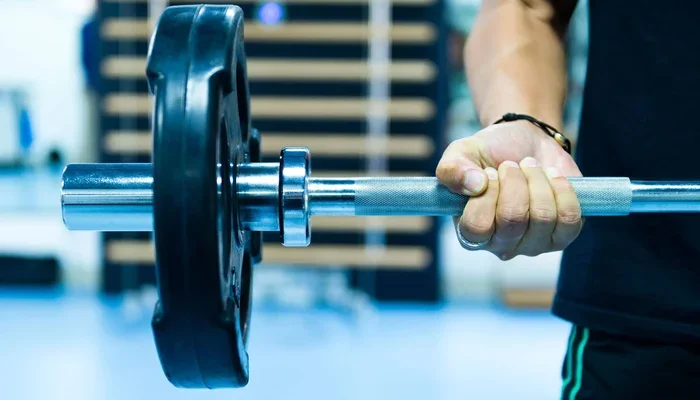
The barbell is the king of heavy pressing. When your goal is to move serious weight, nothing beats a barbell bench press. It is the go-to exercise for building raw upper body strength and adding mass to the chest.
With a barbell, both hands are fixed on one bar. This creates a stable, predictable movement path. Your compound movement pattern becomes more consistent, which means you can load up more weight safely. The barbell press also allows you to use spotters and racks more easily, making it a gym floor favorite.
Here are the main benefits of barbell chest training:
- Heavier loads: You can push more weight, which drives strength gains fast.
- Stable movement path: The fixed bar reduces wobble and wasted energy.
- Progressive overload made easy: Adding weight in small increments is straightforward.
- Great for powerlifters: The barbell bench press is a competition lift.
- Efficient for mass building: Heavy compound lifts trigger massive hormonal responses for muscle growth.
One thing to keep in mind is that a barbell locks your hands into a fixed position. This can sometimes put extra stress on the shoulders, especially if your mobility is limited. But for many lifters, the barbell path feels natural and safe.
Common Barbell Chest Exercises
These barbell movements form the backbone of most chest workout routines:
- Barbell Flat Bench Press — The ultimate chest builder. Heavy and effective.
- Barbell Incline Press — Hits the upper chest with heavy resistance.
- Barbell Decline Press — Targets the lower chest with a fixed path.
- Close-Grip Barbell Press — Also works the triceps while hitting the inner chest.
- Barbell Floor Press — A partial range press that builds lockout strength.
Each exercise brings something different to the table. The key is choosing the right ones based on your strength training goals and current fitness level.
Dumbbell vs Barbell: Head-to-Head Comparison
Now let us get to the real question. What is better for chest dumbbell or barbell? Let us compare them side by side across the most important factors.
| Factor | Dumbbells | Barbell |
|---|---|---|
| Range of Motion | Greater stretch and depth | Limited by bar length |
| Weight Capacity | Lower maximum weight | Much higher max weight |
| Muscle Imbalance Fix | Yes, each arm works alone | No, both arms share load |
| Joint Friendliness | More natural shoulder path | Fixed path can stress shoulders |
| Strength Building | Good, but limited by weight | Excellent for raw strength |
| Muscle Growth | Great due to stretch and tension | Great due to heavy loads |
| Stabilizer Activation | High | Moderate |
| Ease of Progressive Overload | Small jumps (5 lbs per hand) | Easy small jumps (5 lbs total) |
As you can see, neither tool is a clear winner. Each has strengths that shine in different areas. Your best choice depends on what matters most to you right now.
For many lifters, the dumbbell bench press vs barbell debate comes down to personal preference and injury history. If you have had shoulder issues, dumbbells may feel safer. If you want to push heavy numbers, the barbell is hard to beat.
Some people prefer to do incline dumbbell press vs barbell press for upper chest development. The dumbbell version allows a deeper stretch at the bottom, which many fitness professionals believe is superior for hypertrophy. On the other hand, the barbell version lets you load more weight, which builds more raw power in that upper chest area.
Which One Builds More Muscle?
The Science Behind Muscle Growth
Hypertrophy — the scientific term for muscle growth — happens when muscles are under tension for a prolonged time. Both dumbbells and barbells can create this tension. But the way they do it differs slightly.
Dumbbells create tension through a longer time under tension. Because you can lower the weight further, your pecs stay under load for more of each rep. This extended stretch is a key driver of muscle hypertrophy. Research has shown that exercises with a deep stretch can lead to greater muscle growth over time.
Barbells create tension through heavier loads. When you lift a heavy barbell, you recruit more fast-twitch muscle fibers. These fibers have the most potential for growth. The sheer weight on the bar forces your chest, shoulders, and triceps to work hard.
So which builds more muscle? Honestly, both do. The best approach is to use both in your routine. You get the stretch benefits from dumbbells and the heavy load benefits from barbells. This combination is what many serious lifters use to build impressive chest development.
Practical Tips for Maximizing Chest Growth
Here are some actionable tips to get the most out of both tools:
- Start with compound lifts: Begin your workout with heavy barbell presses to build strength.
- Follow up with dumbbell work: Use dumbbell presses and flies to pump the chest with stretch and isolation.
- Control the negative: Lower the weight slowly on every rep to maximize time under tension.
- Vary your angles: Use flat, incline, and decline positions to hit all parts of the chest.
- Track your progress: Keep a log of weights and reps to ensure you are consistently challenging yourself.
- Rest adequately: Give your chest muscles 48 to 72 hours between intense sessions for full recovery.
Common Mistakes to Avoid
Whether you use dumbbells or barbells, certain mistakes can hold back your progress or lead to injury. Here are the most common ones:
Skipping the warm-up. Cold muscles are more prone to injury. Always warm up your chest, shoulders, and triceps before pressing heavy weights. A few light sets or dynamic stretches go a long way.
Using too much weight. Lifting beyond your capacity leads to sloppy form. When your form breaks, your target muscles stop doing the work, and your joints take the strain. Choose a weight that lets you complete each rep with control.
Ignoring the full range of motion. Half reps are tempting when the weight is heavy. But a full stretch at the bottom and a full squeeze at the top are what drive chest development. Do not cheat your reps short.
Neglecting dumbbells entirely. Some lifters only use barbells because they can go heavier. But this creates imbalances over time. One side may be stronger than the other, leading to posture issues and potential injuries. Mixing in dumbbell chest exercises keeps both sides balanced.
Overtraining the chest. More is not always better. Training your chest every day without rest will stall your gains and increase injury risk. Two to three chest sessions per week is plenty for most people.
Expert Insights on Chest Training
Many strength coaches and fitness experts agree that the best approach is to use both dumbbells and barbells. The dumbbell bench press vs barbell debate is not about picking a winner. It is about building a well-rounded program.
Coaches often recommend starting a chest session with a heavy barbell press. This builds your strength base and recruits the most muscle fibers. Then, they suggest switching to dumbbells for accessory work. This combination gives you the best of both worlds.
If you are a beginner, start with dumbbells to learn proper pressing form. The independent movement of each arm teaches you to control the weight through a full range. Once you are comfortable, add barbell work to push your strength levels higher.
For advanced lifters, periodization is key. Alternate between phases focused on heavy barbell work and phases focused on high-volume dumbbell work. This keeps your muscles guessing and prevents plateaus in your chest gains.
One important note: if you have any existing shoulder or joint issues, consult a physical therapist or certified trainer before choosing your primary chest tool. They can assess your mobility and recommend the best approach for your body.
Which One Should You Choose?
Let us answer the big question directly. What is better for chest dumbbell or barbell? The honest answer is that both have a place in your routine. But if you can only pick one right now, here is how to decide:
Choose dumbbells if:
- You want to fix strength imbalances between your left and right sides.
- You have had shoulder pain with a barbell in the past.
- You are focused on muscle size and aesthetics.
- You want a greater stretch in your pecs during each rep.
- You are a beginner learning proper pressing mechanics.
Choose barbells if:
- Your primary goal is building raw pressing strength.
- You want to lift heavier and push your limits.
- You are training for powerlifting or strength sports.
- You prefer a fixed, stable movement path.
- You want efficient progressive overload with small weight jumps.
If you can do both, even better. A balanced chest workout routine includes barbell presses for strength and dumbbell work for hypertrophy and balance. This approach works for beginners and advanced lifters alike.
Remember, the best exercise is the one you can perform with good form and consistent effort. No single tool will transform your chest on its own. It is your dedication to progressive training and proper nutrition that drives real results.
Final Thoughts
The debate of what is better for chest dumbbell or barbell does not have a single answer. Both tools are incredibly effective for building a strong, muscular chest. Dumbbells give you freedom of movement, a deep stretch, and the ability to fix imbalances. Barbells give you heavier loads, a stable path, and unmatched strength-building potential.
The smartest approach is to use both. Start your workouts with heavy barbell presses to build a strength foundation. Then finish with dumbbell exercises to maximize muscle stretch and pump. This combination will take your chest development to the next level.
Now that you know the strengths and weaknesses of each tool, it is time to put this knowledge into action. Head to the gym, try both approaches, and see which one feels best for your body. Your chest gains are waiting.
Frequently Asked Questions
Is dumbbell or barbell better for chest size?
Both can build chest size effectively. Dumbbells create a deep stretch that drives hypertrophy, while barbells allow heavier loads that recruit more muscle fibers. Using both in your routine gives you the best results for overall chest size.
Can I build a strong chest with dumbbells alone?
Yes, you absolutely can. Dumbbells provide enough resistance and variety to build a strong, muscular chest. Many natural lifters and bodybuilders build impressive physiques using only dumbbells for their chest work.
Which is safer for shoulders, dumbbells or barbells?
Dumbbells are generally safer for shoulders because they allow a more natural pressing path. The barbell fixes your hands in place, which can stress the shoulder joint for some people. However, proper form matters more than the tool you choose.
Should beginners use dumbbells or barbells for chest?
Beginners often benefit more from starting with dumbbells. They teach each arm to work independently and help you learn proper range of motion. Once you are comfortable, you can add barbell work to your routine for heavier strength training.
How often should I train chest with dumbbells and barbells?
Training your chest 2 to 3 times per week is ideal for most people. This gives you enough volume to grow while allowing adequate rest. You can alternate between barbell-focused and dumbbell-focused sessions across the week.
What is better for fixing chest imbalances, dumbbells or barbells?
Dumbbells are far better for fixing imbalances. Since each arm works independently, your weaker side gets the same amount of work as your stronger side. Barbells allow your dominant side to take over, which can worsen existing imbalances over time.