How to Make My Yoga Mat Less Slippery
A slippery yoga mat can ruin your practice and increase your risk of injury, but fixing it is easier than you think. This guide covers proven how to make my yoga mat less slippery methods using simple household items and proper cleaning techniques that restore grip instantly. Whether you own a cheap mat or a premium one, these tips will keep you stable, confident, and focused on every pose.
Key Takeaways
- Clean your mat regularly with mild soap and water to remove buildup.
- Use a yoga towel or grip socks for instant extra traction.
- Apply a grip spray or sea salt solution before each practice session.
- Break in a new mat with consistent use over several sessions.
- Wipe off sweat before practicing to maintain dry, secure contact.
- Replace worn-out mats that have lost their texture and grip.
📑 Table of Contents
Why Does Your Yoga Mat Become Slippery?
You unroll your mat, step onto it, and suddenly your feet feel like they’re on ice. It’s frustrating, right? A slippery yoga mat can throw off your entire practice. But before we fix the problem, let’s understand why it happens in the first place.
Several factors contribute to that dreaded slide. New mats often have a slick surface from manufacturing residues. Old mats lose their texture over time. And sweat? That’s a big one. Moisture builds up on the surface and creates a thin film between your skin and the mat.
Your yoga mat grip depends on a mix of material, age, care, and even the temperature of your practice room. Understanding these causes helps you pick the right fix. It’s not just about slapping something on your mat and hoping for the best.
For a deeper dive into why brand-new mats often feel like ice rinks, check out this guide on how to make a new yoga mat less slippery. It covers the science behind that factory slickness.
How to Make My Yoga Mat Less Slippery: Proven Methods
Now let’s get to the good stuff. There are several real, tested ways to reduce slipping on your yoga mat. Some are quick fixes. Others are longer-term solutions. You can mix and match based on your needs.
Sand Down the Surface
This might sound unusual, but gently sanding a new yoga mat can do wonders. Use fine-grit sandpaper (around 220 grit) and lightly sand the top surface. This removes the slick outer layer and exposes a slightly rougher texture underneath.
- Work in small circular motions.
- Don’t press too hard. You just want to scuff the surface, not cut through it.
- Wipe the mat down with a damp cloth afterward to remove dust.
This method works best on PVC and TPE mats. It gives you immediate traction on your yoga mat without any chemicals.
Use a Yoga Mat Towel
A yoga mat towel is one of the simplest solutions. These towels are designed to absorb sweat and add grip. They lay right on top of your mat and create a textured, absorbent layer.
They’re especially popular for hot yoga. The towel grips the mat underneath while your hands and feet grip the towel on top. It’s a win-win. Plus, they’re easy to wash and carry.
Apply Grip Spray or Solution
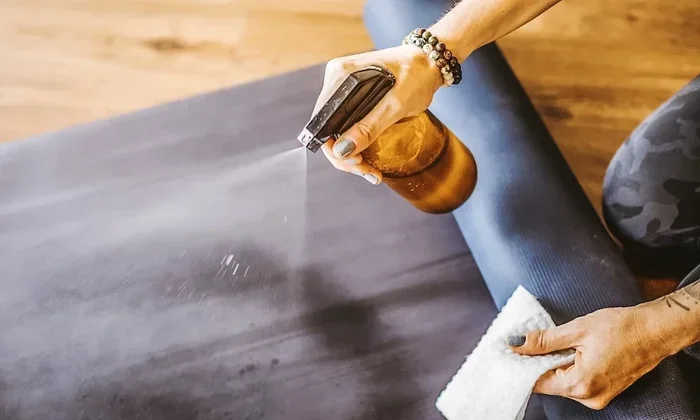
Commercial yoga mat grip spray products are designed to add stickiness to any surface. You spray it on, let it sit for a few minutes, and wipe it off. The residue creates a tackier surface.
You can also make a DIY version. Mix water with a few drops of essential oil. Lightly mist your mat and let it air dry. The oil slightly modifies the surface texture. For a detailed recipe, this guide on making yoga mat spray with essential oils has great recipes.
Break In Your Mat
Some mats just need time. Regular use naturally breaks down the surface layer. Within a few weeks of consistent practice, many mats become noticeably less slippery. This is especially true for rubber and natural mats.
Think of it like breaking in a new pair of shoes. The material softens and molds to your body. If you want to speed things up, practice on the mat daily for short sessions. The more contact it gets, the better it performs.
For rubber mat owners, this article on breaking in a new Manduka yoga mat offers specific tips that work for most rubber mats.
Best Products to Improve Yoga Mat Grip
Sometimes you need a little help from products. Here’s a rundown of what’s available and what actually works.
Grip Sprays
These are the most popular option. Brands like Gaiam and Liforme make sprays specifically for yoga mats. They’re easy to use and relatively affordable.
- Spray evenly across the mat surface.
- Let it dry for 5-10 minutes.
- Wipe with a clean towel if needed.
- Reapply every few practices or whenever grip fades.
Yoga Towels
Yoga towels are versatile. They work on any mat and add instant grip. They come in different sizes too. Some cover just the area where you stand. Others cover the entire mat.
Look for microfiber towels with a non-slip backing. The backing grips the mat while the top layer absorbs sweat and provides texture for your body.
Mat Sprays with Essential Oils
If you prefer natural options, DIY sprays with essential oils for yoga mat care work well. Tea tree oil, lavender, and eucalyptus are common choices. They add a pleasant scent while slightly modifying the mat surface.
Just be careful. Some oils can degrade certain materials over time. Always test a small area first.
Comparison: Products for Better Grip
| Product | Ease of Use | Cost | Durability | Best For |
|---|---|---|---|---|
| Grip Spray | Very Easy | $8-$15 | Lasts 20-30 uses | Quick fix, all mats |
| Yoga Mat Towel | Very Easy | $12-$25 | Lasts 6-12 months | Hot yoga, heavy sweaters |
| DIY Essential Oil Spray | Easy | $5-$10 | Lasts 10-15 uses | Natural enthusiasts |
| Sanding Method | Moderate | $3-$5 | Permanent | New mats, PVC/TPE |
| Mat Break-In | Very Easy | Free | Permanent | Rubber, natural mats |
Tips for Maintaining Your Yoga Mat’s Grip Over Time
Fixing a slippery mat is one thing. Keeping it grippy is another. Proper yoga mat maintenance extends the life of your grip and prevents early wear.
Clean Your Mat Regularly
Sweat, dirt, and oils from your skin build up on the mat surface. Over time, this film makes the mat feel slicker. Regular cleaning removes that buildup and restores texture.
Wipe your mat after every session if possible. Use a gentle cleaner or a mix of water and a drop of dish soap. For deeper cleaning, check out this guide on cleaning a yoga mat after hot yoga for step-by-step instructions.
Store It Properly
How you store your mat matters. Rolling it tightly for long periods can create permanent creases. Those creases reduce surface contact and hurt your grip.
- Roll it loosely with the top side facing outward.
- Store it hanging on a mat hanger if possible.
- Avoid leaving it in direct sunlight or extreme heat.
- Keep it in a dry, ventilated space.
Avoid Harsh Chemicals
Strong cleaners like bleach or heavy-duty sprays can break down the mat material. They strip away the textured surface that gives you grip. Stick to mild, mat-safe cleaners. Your non-slip yoga mat surface will thank you.
For those wondering about common household cleaners, this article on using Dawn to clean your yoga mat explains what works and what doesn’t.
Reapply Grip Treatments
If you use grip sprays or DIY solutions, don’t skip reapplication. The effect wears off after several sessions. Set a reminder to treat your mat every 2-3 weeks. This keeps the surface consistently tacky.
For hands-on tips to keep your palms from sliding during poses, this resource on stopping hands from slipping on yoga mat offers great advice.
How Different Yoga Mat Materials Affect Grip
Not all mats are created equal. The material you choose plays a huge role in how slippery (or grippy) your mat feels. Here’s a breakdown of common materials and their grip characteristics.
PVC Mats
PVC mats are the most common and usually the most affordable. New PVC mats tend to be quite slippery. They respond well to sanding and grip sprays. Over time, they develop more texture with regular use.
TPE Mats
TPE (thermoplastic elastomer) mats are lighter and slightly more textured than PVC out of the box. They hold up decently against sweat but can still become slippery. They don’t respond as well to sanding, so grip sprays and towels are better options here.
Natural Rubber Mats
Natural rubber mats are known for excellent grip, especially when new. They stick to the floor and provide strong traction. However, they can absorb odors over time and may need more frequent cleaning. These mats benefit from a natural break-in period.
Cork Mats
Cork is naturally antimicrobial and offers great grip when dry. It’s one of the best materials for sweaty practices. However, cork can feel slippery when wet until it’s properly conditioned. Regular cleaning keeps it performing at its best.
Cotton and Jute Mats
These natural fiber mats offer a completely different experience. They absorb sweat well and feel grippy from the start. They’re not waterproof, though, so they require more maintenance. They’re ideal for low-sweat practices.
Quick Fixes for an Immediate Grip Boost
You’re about to practice and your mat feels like a skating rink. Don’t panic. Here are some fast solutions you can try right now.
The Dusting Trick
Lightly dust your mat with a thin layer of baking soda or cornstarch. This absorbs surface moisture and adds a gritty texture. Wipe off any excess before starting your practice.
The Wet Wipe Method
Wipe your mat with a damp cloth and let it air dry. This removes the slick top layer of accumulated dust and oils. Many people find this alone makes a noticeable difference.
Rough Up the Surface
If you don’t have sandpaper, a rough cloth or even the coarse side of a kitchen sponge can scuff the mat surface. Go gently. You just want to create micro-abrasions for better traction.
Use Chalk or Grip Powder
Gym chalk works on yoga mats too. A light dusting on your hands and feet adds instant grip. It’s messy but effective. Some yogis carry a small chalk ball in their bag for exactly this situation.
Expert Insight
Many experienced yogis recommend combining methods. For example, a clean mat plus a grip spray plus a yoga towel creates a layered grip system. Each layer addresses a different aspect of the slipping problem. This approach works especially well for hot yoga or high-intensity flows where sweat is a major factor.
Key Takeaways
- Identify why your mat is slippery before choosing a fix. Cause and effect matter.
- How to make my yoga mat less slippery has no single answer. It depends on your mat material, your sweat level, and your budget.
- Grip sprays and yoga towels are the easiest and most versatile solutions.
- Regular cleaning and proper storage keep your mat grippy for years.
- Don’t be afraid to combine methods for the best results.
- Natural rubber and cork mats generally offer better grip out of the box.
Final Thoughts
A slippery yoga mat doesn’t have to derail your practice. Whether you’re dealing with a brand-new mat that feels like glass or an old favorite that’s lost its grip, there’s a solution that fits your situation. From simple tricks like dusting with baking soda to investing in a quality grip spray or yoga towel, you have plenty of options.
Remember that making your yoga mat less slippery is often about maintenance as much as fixing. Clean it regularly, store it wisely, and reapply treatments when needed. Your mat is an investment in your health and practice. Treating it well means it treats you right in return.
Now go roll out that mat and flow with confidence. You’ve got this.
Frequently Asked Questions
Why Is My Yoga Mat So Slippery?
Yoga mats become slippery when they accumulate sweat, oils, and dirt over time. New mats also have a factory residue that reduces grip. Regular cleaning and proper maintenance can restore your mat’s traction and stop it from feeling slick during poses.
How To Make My Yoga Mat Less Slippery at Home?
You can make your yoga mat less slippery by wiping it down with a mixture of water and a small amount of mild dish soap or vinegar. Sprinkling coarse salt on a damp mat and scrubbing gently also removes the slippery residue. Let it air dry completely before rolling it up to lock in the improved grip.
Can I Use a Mat Spray to Stop My Yoga Mat From Slipping?
Yes, a yoga mat spray is one of the easiest ways to add traction and reduce slipperiness. These sprays are designed to create a light tacky layer on the surface without damaging the material. You can buy commercial options or make your own with water, essential oils, and a splash of vinegar.
What Household Items Can Help Make a Yoga Mat Less Slippery?
Common items like salt, baking soda, and a vinegar-water solution work surprisingly well to cut down on a slippery yoga mat surface. A light coat of grip-enhancing products like rosin or even a tiny amount of coconut oil can also help in a pinch. Always test any household remedy on a small area first to make sure it does not degrade the mat.
How Often Should I Clean My Yoga Mat to Prevent Slipping?
You should clean your yoga mat after every few uses, especially if you sweat heavily during sessions. A quick wipe-down with a damp cloth after each practice removes oils and buildup that cause slipperiness. A deeper cleaning with a solution once a week keeps the mat fresh and maintains its grip over time.
Does Sweating Make a Yoga Mat More Slippery and How Do I Fix It?
Sweat absolutely makes a yoga mat more slippery because it creates a thin layer of moisture between your hands and the mat surface. Using a yoga towel on top of your mat absorbs excess sweat and adds a textured, non-slip layer for better grip. Choosing a mat with open-cell or textured materials also helps channel moisture away so your practice stays stable.