How to Break in a New Manduka Yoga Mat

Breaking in a new Manduka yoga mat is an essential first step to unlock its legendary grip and durability. The initial “break-in” phase involves methods like a salt scrub and controlled sun exposure to open the mat’s dense, closed-cell structure. With consistent practice and proper care, your investment will transform from a slippery surface to a perfectly sticky, supportive foundation for your entire yoga journey.
You’ve unrolled it. You’ve felt its substantial weight and admired its sleek, professional look. You’ve placed it carefully on your floor, ready for your first downward-facing dog. Then, you place your hands… and they slide. Your feet? Slipping. Your new Manduka yoga mat, the very tool meant to ground and support you, feels like a sheet of ice. Don’t panic. Don’t return it. This isn’t a flaw—it’s a rite of passage. Every high-performance Manduka mat, celebrated for its eventual unparalleled grip and lifetime durability, goes through a crucial “break-in” period. Understanding and properly managing this phase is the key to transforming your mat from a frustrating new surface into your most trusted yoga companion for years, even decades, to come. This guide will walk you through exactly how to break in your new Manduka mat, the science behind why it’s necessary, and how to avoid common mistakes that could damage your investment.
Key Takeaways
- The Initial Slipperiness is Normal: New Manduka mats, especially PROlite models, have a factory-applied coating and dense structure that makes them temporarily slick. This is not a defect but a characteristic of high-quality, closed-cell PVC.
- The Salt Scrub is the Gold Standard Method: A paste of coarse salt and water physically exfoliates the surface, breaking down the manufacturing residue and opening the material’s pores for better grip.
- Sun Exposure Must Be Controlled: Brief, indirect sunlight (15-30 minutes) can help, but prolonged direct UV exposure will degrade and dry out the mat, causing irreversible damage and cracking.
- Consistent Practice is Non-Negotiable: No method replaces the friction and heat from your own hands and feet. Regular, mindful practice on the mat itself is the most critical factor in the break-in process.
- Cleaning is Part of the Process: Using a proper mat cleaner (or a mild vinegar/water solution) after each break-in session removes salt residue and sweat, preventing a gritty film and maintaining the mat’s integrity.
- Patience is Required: The break-in period can take 5-20 regular sessions. Rushing the process with harsh chemicals or excessive abrasion will harm your mat.
- Mat Type Matters: The eKO natural rubber mat requires a gentler approach than the PROlite PVC. Avoid salt on eKO; focus on sun, practice, and Manduka’s recommended cleaner for it.
📑 Table of Contents
Understanding the Manduka Break-In Phenomenon
Before we dive into the “how,” we must understand the “why.” Manduka mats, particularly their iconic PROlite and PRO models, are constructed from a proprietary, ultra-dense PVC composite. This material is what gives the mat its legendary durability, cushioning, and resistance to wear. However, this same density is why it arrives feeling so slick. During manufacturing, the mat’s surface is treated with a release agent to prevent it from sticking to machinery. Furthermore, the material’s structure is “closed-cell,” meaning the pores are tightly sealed. This makes it hygienic and easy to clean but initially impermeable to the moisture and friction from your skin.
The Closed-Cell Conundrum
Think of a new Manduka PROlite like a brand-new, high-quality leather glove. It’s stiff and uncomfortable until the material softens and molds to your hand. Your yoga mat is similar. The dense, closed-cell PVC has no texture for your hands to grip. Sweat and natural skin oils sit on top of the surface instead of being absorbed, creating a lubricating layer. The break-in process is all about safely and effectively opening up that surface layer, removing manufacturing residues, and allowing the mat to develop a micro-texture that interacts with your skin.
It’s Not Just About Grip—It’s About Longevity
Properly breaking in your mat isn’t just about immediate comfort; it’s a critical maintenance step that impacts the mat’s entire lifespan. A mat that is broken in through natural use and gentle exfoliation will develop a consistent, reliable grip. A mat that is never properly broken in, or is broken in using abrasive chemicals or tools, will have an uneven surface that can become permanently gummy, flaky, or degraded. You are essentially “seasoning” your mat, preparing it for the decades of practice Manduka promises.
The Science of the Surface: PROlite vs. eKO
Manduka offers different material technologies, and your break-in strategy must be tailored to your specific mat. Using the wrong method on the wrong mat can cause damage.

Visual guide about How to Break in a New Manduka Yoga Mat
Image source: manduka.com
The PROlite & PRO (PVC): The Salt Scrub Champion
The classic Manduka PROlite and the heavier PRO are made from their proprietary PVC. This is a synthetic, closed-cell foam. For these mats, the salt scrub method is not only safe but highly recommended by Manduka themselves. The coarse salt acts as a gentle physical exfoliant. When mixed with water and massaged into the surface, it effectively scrubs away the factory coating and lightly abrades the top layer of the PVC. This creates microscopic grooves and opens the cell structure, allowing the mat to “breathe” and grip. The salt is then easily rinsed away, leaving no harmful residue.
The eKO (Natural Rubber): A Gentler Approach
The eKO mat is a different beast. It’s made from sustainably harvested natural rubber, with a non-toxic, water-based adhesive and a biodegradable, natural top layer. Its surface is more porous and sensitive from the start. Do not use the salt scrub method on an eKO mat. The abrasive nature of salt can damage its natural top coating and create an uneven, gritty surface. For eKO mats, the break-in relies almost entirely on the heat and friction from your practice and very careful, limited sun exposure. Manduka recommends using their proprietary eKO Mat Wash or a very mild solution of water and vinegar (1:10 ratio) for cleaning during the break-in period. The goal is to let the natural rubber conform to your body through use, not to aggressively abrade it.
Step-by-Step Break-In Methods: Your Action Plan
Now for the practical steps. We’ll outline the primary methods, focusing first on the salt scrub for PVC mats, then on universal techniques.

Visual guide about How to Break in a New Manduka Yoga Mat
Image source: schimiggy.com
Method 1: The Manduka-Approved Salt Scrub (For PROlite/PRO Only)
This is the most effective and controlled way to break in a PVC-based Manduka mat.
- What You Need: Coarse sea salt or Kosher salt (do not use fine table salt, which can dissolve too quickly), a soft cloth or your clean hands, a bucket of warm water, and a clean, dry towel.
- The Paste: In a small bowl, mix about 1/4 cup of coarse salt with just enough warm water to create a thick, spreadable paste. It should be gritty, not soupy.
- The Application: Lay your mat in a bathtub, large shower, or on a clean, protected floor. Dip your cloth in the paste and vigorously rub it onto the entire surface of the mat in circular motions. Apply firm pressure. You should feel the texture change under your fingers as you work. Pay extra attention to the areas you’ll grip most: hands and feet placements.
- The Rest: Let the salt paste sit on the mat for 10-15 minutes. This allows it to work on breaking down the surface coating.
- The Rinse: Using a showerhead or a bucket of clean water, thoroughly rinse the mat. You will see a cloudy residue wash off—this is the broken-down coating and salt. Rinse until the water runs clear and the mat feels clean, not gritty. Do not let salt dry on the mat, as it can leave a white film.
- The Dry: Wipe the mat down with your dry towel, then hang it to air-dry completely in a well-ventilated, shaded area. Never machine dry.
Method 2: The Controlled Sun Exposure
Sunlight provides gentle heat and UV rays that can help soften the surface material. This is a supplementary method, not a primary one.
- The Rule: Never leave your mat in direct, hot sunlight for more than 15-30 minutes at a time. Think “sunbathing,” not “sun baking.”
- The Setup: Lay your mat in a shaded area that receives filtered, indirect morning or late afternoon sun. Or, place it in direct sun for a strict 10-15 minute timer, then immediately bring it to a shady spot.
- The Purpose: The mild warmth opens the material’s pores slightly. After this brief exposure, go directly into a yoga practice. The combination of sun-warmed material and your body’s heat and sweat will accelerate the opening of the surface.
- The Critical Warning: Overexposure is the #1 cause of premature mat failure. The PVC will become brittle, dry, and will crack and flake. The natural rubber in eKO mats will degrade and lose its elasticity. If the mat gets hot to the touch, it’s been out too long.
Method 3: The Practice-Only Method (For eKO or Gentle Break-In)
For eKO mats or for those who prefer a completely natural break-in, this is your path. It requires more patience but is very effective.
- Commit to the Mat: For your first 10-15 sessions, use only your new Manduka mat. Do not use a towel over it. The friction from your skin is the primary agent of change.
- Start Slow: Begin with foundational, held poses like Tadasana (Mountain Pose), Vrksasana (Tree Pose), and gentle twists. Focus on pressing your palms and feet firmly into the mat.
- Build Heat: Gradually incorporate more dynamic flows and sweat-inducing practices like Vinyasa or hot yoga (if your mat is designed for it). The combination of moisture, heat, and friction is what will slowly but surely open the surface.
- Clean Gently: After each session, wipe the mat down with a mat-specific cleaner or a mild vinegar/water spray. This removes sweat and salt (from your skin) that, if left to dry, can create a barrier.
Maintenance During and After the Break-In Period
How you care for your mat during this fragile period is as important as the break-in method itself.

Visual guide about How to Break in a New Manduka Yoga Mat
Image source: eu.manduka.com
Cleaning: What to Use and What to Avoid
During break-in, your goal is to remove residue without stripping the material.
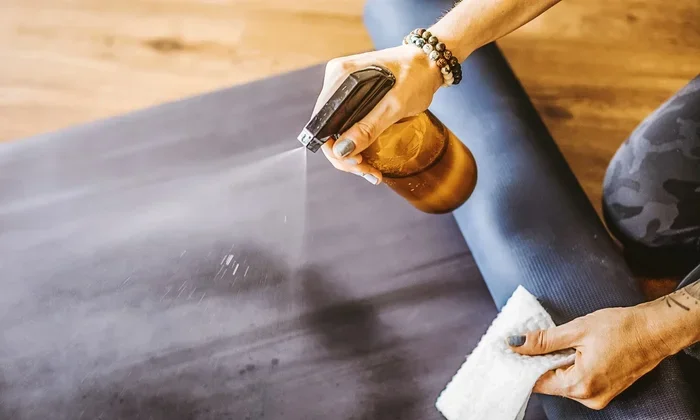
- Safe Cleaners: Manduka’s own mat wash is formulated for their mats. A DIY solution of 1 part white vinegar to 10 parts water in a spray bottle is excellent for disinfecting and cutting through grime without chemicals. For a deep clean after a salt scrub, a very mild solution of a few drops of dish soap in a gallon of water can be used, but rinse extremely well.
- Forbidden Substances: Never use harsh chemicals like bleach, ammonia, acetone, or alcohol-based wipes. These will destroy the surface coating and degrade the PVC or rubber. Avoid “miracle” cleaner sprays with unknown oils or waxes, as they can leave a permanent slippery film. Essential oils should also be avoided unless specifically recommended by the mat manufacturer, as some can degrade materials.
- The Routine: After every practice during break-in, spray your mat lightly, wipe with a soft cloth, and hang to dry. Once a month, or if you’ve used the salt method, give it a more thorough rinse in the shower.
Storage: Protect Your Investment
How you store your mat affects its break-in and longevity.
- Roll, Don’t Fold: Always store your Manduka mat rolled up, with the top surface facing outward. This prevents deep creases that can weaken the material.
- Temperature is Key: Store in a cool, dry place away from radiators, heaters, and direct sunlight. Extreme heat will dry it out; extreme cold can make it temporarily stiff.
- Give It Air: Don’t store it in a sealed, non-breathable bag for long periods. Allow it to “breathe.” Manduka’s carrying strap is perfect for transport and short-term storage.
Troubleshooting: What If It’s Still Slippery?
You’ve done the salt scrub, you’ve practiced consistently for weeks, but your hands still slide in Chaturanga. Here’s what to do.
Re-Assess Your Method
Did you use the salt scrub on an eKO mat? Stop immediately. Switch to the practice-only method. For a PVC mat, perhaps your first salt scrub wasn’t vigorous enough. You can safely repeat the salt scrub process once a month until the desired grip is achieved. Ensure you are rinsing all salt paste off completely.
Check Your Practice Environment
Are you practicing on a super-smooth floor like polished concrete or laminate? Your mat may need more break-in to grip that surface. Try practicing on a carpeted area for a few sessions to give the mat a different friction challenge. Also, are your hands and feet clean? Lotions, oils, and even hand sanitizer create a barrier. Practice with clean, dry skin.
The Temporary Grip Aid
While your mat finishes breaking in, you can use a yoga towel (like the Manduka xTREME) designed to wick sweat and provide grip on top of the mat. This is a temporary solution, not a permanent crutch. The goal is to eventually use the mat directly.
The Long-Term Payoff: A Mat for Life
Going through the dedicated break-in period with your Manduka mat is an act of faith and care that pays exponential dividends. Once broken in, the mat’s grip becomes exceptional and consistent. It develops a unique, personalized texture that feels like an extension of your own body. The dense cushioning provides stable support for joints. The material’s resistance to odor and bacteria means it stays fresher longer. Most importantly, Manduka mats are famous for their lifetime guarantee against manufacturing defects. A properly cared-for, broken-in Manduka mat can literally last a lifetime of practice. You are not just buying a yoga mat; you are making a decades-long investment in your physical practice and well-being. The initial effort of breaking it in cements that relationship, ensuring your mat will support you through countless sun salutations, challenging balances, and restorative savasanas for years to come.
Frequently Asked Questions
How long does it take to break in a new Manduka PROlite mat?
For most practitioners, the significant improvement in grip occurs after 5-10 regular yoga sessions using the salt scrub method. Full break-in, where the mat feels perfectly sticky in all conditions, can take up to 20 sessions. Consistency is more important than speed.
Can I do the salt scrub more than once?
Yes, for PVC mats (PROlite/PRO), you can safely repeat the salt scrub every 2-4 weeks during the initial break-in period if grip is still insufficient. Do not perform it more than once a month once the mat is fully broken in, as it is an abrasive process.
Can I use coconut oil or other oils to help break in my Manduka mat?
No. Oils will penetrate the closed-cell structure and create a permanent, greasy barrier that severely reduces grip and is nearly impossible to remove. They will degrade the material over time. Stick to water-based methods like salt and sun.
Is there an alternative to the salt scrub for a PROlite mat?
The primary alternative is the “practice-only” method, which relies solely on the friction and heat from your body. This is less effective and takes significantly longer. Some practitioners use a mixture of baking soda and water as a gentler scrub, but the coarse salt method is the most recommended and effective by Manduka.
How will I know when my Manduka mat is fully broken in?
You’ll know it’s broken in when you can practice a sweaty, dynamic sequence without your hands or feet sliding at all. The grip should feel immediate and reliable, not something you have to “chase” during your practice. The surface will feel slightly textured, not perfectly smooth like when it was new.
Can I use my Manduka Mat Wash during the break-in period?
Yes, Manduka’s proprietary cleaners are safe for all their mats during break-in. For PVC mats, you can use it after a salt scrub to rinse. For eKO mats, it is the recommended cleaner. Always follow the product instructions and ensure the mat dries completely after use.