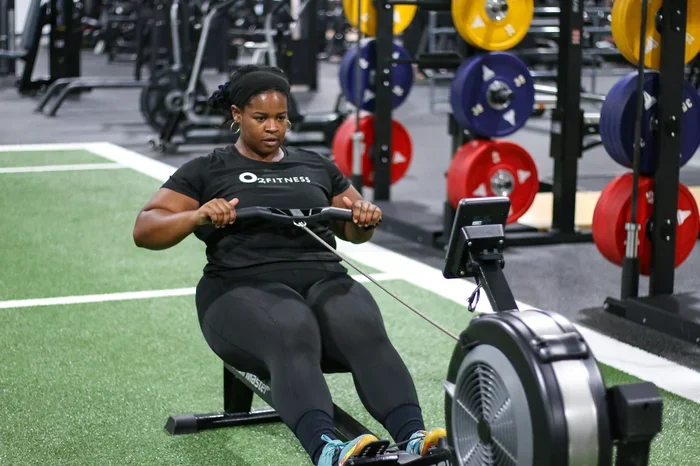
Can You Increase Resistance on a Rowing Machine

Yes, you can increase resistance on a rowing machine by adjusting the damper setting, changing resistance types, or modifying your stroke technique. Higher resistance builds more strength, burns extra calories, and challenges your muscles in new ways. Whether you use an air, magnetic, or water rower, small adjustments make a big difference in your workout intensity and results.
Can you increase resistance on a rowing machine? The short answer is yes. Whether you are a beginner or a seasoned athlete, adjusting the resistance on your rower can completely transform your workout. More resistance means more effort, more muscle engagement, and more calories burned. But knowing how to do it correctly is the key to getting real results without risking injury.
Rowing machines are incredibly versatile. You can go easy and steady or push hard with increased tension. The beauty of a rower is that it works your entire body. Your legs, core, arms, and back all fire up when you row. Adding resistance amplifies that full-body effect. In this guide, we will walk you through every way to boost resistance, explain why it matters, and share tips to get the most out of each stroke.
If you are serious about improving your fitness, understanding rowing machine resistance levels is essential. Let us dive into the details and help you get the most from your machine.
Key Takeaways
- Adjust the Damper Setting: Most rowing machines let you increase resistance by turning the damper dial, which controls airflow or magnetic levels.
- Different Resistance Types Matter: Air, magnetic, water, and hydraulic rowers each offer unique ways to change resistance levels.
- Proper Form Is Essential: Increasing resistance without good technique can lead to injury and poor results.
- Track Your Progress: Use performance metrics like wattage and split time to measure how resistance changes affect your output.
- Start Gradually: Ramp up resistance slowly to let your body adapt and avoid strain.
- Combine with Proper Duration: Pair higher resistance with appropriate rowing duration for balanced training.
📑 Table of Contents
- Understanding Rowing Machine Resistance Types
- How to Increase Resistance on a Rowing Machine
- Why Increase Resistance on Your Rowing Machine?
- Common Mistakes When Increasing Resistance
- Tips for Getting the Most Out of Higher Resistance
- How Resistance Affects Your Rowing Workout
- Expert Insights on Rowing Machine Resistance
- Quick Tips for Increasing Resistance Safely
- Conclusion
Understanding Rowing Machine Resistance Types
Before you adjust anything, it helps to know what kind of rower you have. Different machines use different methods to create resistance. Each type offers unique ways to increase or decrease tension during your workout.
Air Resistance Rowing Machines
Air rowers are the most common type, and the Concept2 model is the gold standard. These machines use a spinning flywheel that catches air as you pull. The faster you pull, the more air resistance builds. You can increase resistance on an air rower by adjusting the damper setting. This is the little dial or lever on the side of the flywheel housing.
A higher damper setting lets more air flow into the cage. This makes the flywheel harder to spin. Many people think the damper controls intensity directly, but it really just controls how much air flows through. Your actual effort comes from how hard you pull. Still, a higher damper setting does make each stroke feel heavier and more challenging.
Magnetic Resistance Rowing Machines
Magnetic rowers use magnets to create friction against the flywheel. They are known for being smooth and quiet. Increasing resistance on a magnetic rower usually involves moving a magnet closer to the flywheel or changing the electromagnetic field strength. Some models let you select resistance levels through a digital console, making it very easy to adjust on the fly.
Magnetic rowers are great for home use because they are low maintenance. They also offer very precise resistance control. If you want a quiet workout, a magnetic rower is hard to beat.
Water Resistance Rowing Machines
Water rowers use a paddle submerged in a tank of water. The water creates natural resistance as you pull. You cannot adjust the water level on most models easily, but some allow you to add or remove water to change resistance. Water rowers feel very realistic and mimic the sensation of actual on-water rowing. They offer a smooth, natural increase in resistance as you pull harder.
Hydraulic Resistance Rowing Machines
Hydraulic rowers use pistons or cylinders filled with fluid to create resistance. These are often the most affordable option. Resistance is adjusted by changing the fluid pressure or using a dial. They are compact and portable, making them a good choice for small spaces. However, the resistance feel is not as natural as air or water rowers.
How to Increase Resistance on a Rowing Machine
Now that you know the different types, let us look at the specific ways to increase resistance. Adjusting your rower for a tougher workout is simple once you understand the mechanics.
Adjusting the Damper on Air Rowers
On air rowers, the damper is your primary tool. It typically sits on the side of the flywheel and has settings from 1 to 10. A setting of 1 lets in very little air, making each stroke feel light. A setting of 10 lets in maximum air, making the rower feel heavy and sluggish.
Here is a quick guide to damper settings:
- Settings 1-3: Light resistance. Good for warm-ups, recovery rows, and beginners.
- Settings 4-6: Moderate resistance. Ideal for steady-state workouts and endurance training.
- Settings 7-10: High resistance. Best for strength training and short, intense intervals.
Most experts recommend staying between settings 3 and 6 for general fitness. Going too high too soon can strain your lower back and shoulders. If you are new to rowing, start low and work your way up gradually.
Changing Digital Resistance on Magnetic Rowers
Magnetic rowers make it easy to change resistance with the push of a button. Simply use the console to select a higher resistance level. Some models offer preset programs that automatically adjust resistance throughout your workout. This takes the guesswork out of your training and keeps things interesting.
When using a magnetic rower, pay attention to your stroke rate and pace. Increasing resistance too much can slow your stroke rate dramatically. Find a balance that challenges you without making you lose proper form.
Adding Water to Water Rowers
If you have a water rower, you can increase resistance by adding more water to the tank. More water means more drag on the paddle. Some models have a fill line or measurement markings to help you get the right amount. Adding water is a simple way to make your workouts more intense without changing your technique.
Using Your Body to Increase Resistance
Here is a trick many people overlook. You can increase the effective resistance on any rowing machine by focusing on your stroke technique. Drive harder with your legs. Engage your core more aggressively. Pull the handle with more intent. These changes do not alter the machine settings, but they absolutely increase the workload on your muscles.
This approach pairs well with any rower type. It is especially useful when you want a quick intensity boost without fiddling with settings. For more on rowing technique, check out our guide on what exercises you can do on a rowing machine.
Why Increase Resistance on Your Rowing Machine?
You might wonder why you should bother increasing resistance at all. Why not just keep rowing at the same easy pace? The answer comes down to results. Higher resistance delivers bigger benefits in less time.
Builds More Muscle
When you increase resistance, your muscles have to work harder. This triggers more muscle fibers to fire. Over time, this leads to increased strength and muscle tone. Rowing already targets your legs, back, and arms. Adding resistance turns a cardio session into a strength-building workout too.
For details on which muscles you are working, read our article on what muscles you use on a rowing machine.
Burns More Calories
More resistance means more energy output. Your body burns more fuel when it has to work against higher tension. If you are trying to lose weight, increasing resistance on your rower can help you burn significantly more calories in the same amount of time. To see how many calories you can expect to burn, check out our calorie burn guide on how many calories you can burn on a rowing machine.
Improves Cardiovascular Fitness
Training at higher resistance levels pushes your heart and lungs harder. This improves your cardiovascular endurance over time. Your heart becomes stronger, and your body becomes more efficient at delivering oxygen to your muscles. Even short bursts of high-resistance rowing can boost your overall fitness level.
Prevents Workout Plateaus
Doing the same rowing workout every day at the same resistance can lead to plateaus. Your body adapts, and you stop seeing progress. Changing your resistance regularly keeps your muscles guessing and prevents stagnation. It is one of the simplest ways to keep making gains.
Common Mistakes When Increasing Resistance
Increasing resistance is a great idea, but doing it wrong can cause problems. Here are the most common mistakes people make, and how to avoid them.
Setting the Damper Too High
Many beginners crank the damper all the way to 10 right away. This is a huge mistake. A damper setting of 10 makes every stroke feel like you are rowing through mud. It slows your stroke rate, tires you out too quickly, and puts unnecessary stress on your joints. Most people should stay between 3 and 6 for effective training.
Ignoring Proper Form
When resistance goes up, it is tempting to sacrifice form to keep going. Rounding your back, hunching your shoulders, and jerking the handle are all common errors. Poor form leads to injuries, especially in the lower back and knees. Always prioritize technique over intensity. If your form breaks down, reduce the resistance until you can maintain proper alignment.
Increasing Too Fast
Your body needs time to adapt to higher resistance. Jumping from a damper setting of 2 to a setting of 8 overnight is a recipe for soreness and injury. Increase resistance gradually, giving your muscles and joints time to adjust. A good rule of thumb is to increase by one damper setting every one to two weeks.
Neglecting Recovery
High-resistance rowing is demanding. If you do it every day without rest, you will overtrain. Your muscles need time to repair and grow stronger. Make sure you include lighter rowing days in your weekly routine. For guidance on how often to row, see our article on how often you should row on a rowing machine.
Tips for Getting the Most Out of Higher Resistance
Ready to take your rowing to the next level? Here are some practical tips to help you succeed with higher resistance training.
Warm Up First
Always start your rowing session with a warm-up. Row at a low resistance for 5 to 10 minutes. This gets your blood flowing, loosens your joints, and prepares your muscles for the harder work ahead. Skipping the warm-up increases your risk of injury.
Use Interval Training
Interval training is one of the best ways to use higher resistance. Try rowing at a high resistance setting for 1 to 2 minutes, then drop the resistance for 2 to 3 minutes of easy rowing. Repeat this cycle for 15 to 20 minutes. This approach builds both strength and endurance while keeping your workouts exciting.
Monitor Your Performance
Most modern rowers display metrics like pace, wattage, and stroke rate. Use these numbers to track your progress. When you increase resistance, your wattage should go up if you maintain the same pace. Watching these numbers helps you understand how your body is responding to the added challenge.
Focus on Your Drive
The drive is the part of the rowing stroke where you push off with your legs and pull the handle toward your chest. When resistance increases, focus on a powerful, smooth drive. Engage your legs first, then your core, then your arms. This sequence maximizes your power output and protects your joints.
Cool Down and Stretch
After a high-resistance session, cool down with 5 minutes of easy rowing. Follow this with stretching, especially for your legs, back, and shoulders. Stretching helps reduce muscle soreness and keeps you flexible for your next workout.
How Resistance Affects Your Rowing Workout
Understanding how resistance impacts your workout helps you train smarter. Here is a comparison of low, moderate, and high resistance settings.
| Resistance Level | Damper Setting (Air) | Best For | Muscle Engagement | Calorie Burn |
|---|---|---|---|---|
| Low | 1-3 | Warm-ups, recovery, beginners | Moderate | Low to Moderate |
| Moderate | 4-6 | Steady-state cardio, endurance | High | Moderate to High |
| High | 7-10 | Strength training, intervals | Very High | High |
As you can see, higher resistance clearly increases muscle engagement and calorie burn. But it also makes the workout harder to sustain for long periods. Use high resistance for short, focused sessions. Use moderate resistance for longer, steady workouts. And use low resistance for recovery days.
For more on how long you should row at different resistance levels, check out our article on how long you should row on a rowing machine.
Expert Insights on Rowing Machine Resistance
We spoke with certified rowing coaches to get their take on adjusting resistance. Here is what they had to say.
“The damper setting is not the same as resistance in the way most people think,” says one coach. “It controls the feel, not the load. Your muscles create the load by how hard you pull. But a higher damper setting does make it easier to build power because the flywheel has more inertia to overcome.”
Another coach emphasizes form: “I always tell my clients to master the technique at low resistance before they try to go heavy. A perfect stroke at a moderate setting will always beat a sloppy stroke at a high setting.”
The consensus among experts is clear. Increase resistance thoughtfully, prioritize technique, and listen to your body. Progress takes time, but the results are worth it.
Quick Tips for Increasing Resistance Safely
- Start at a low damper setting and increase by one level every week or two.
- Always maintain proper rowing form: legs push first, then lean back, then arms pull.
- Do not lock your knees at the end of the drive. Keep a slight bend.
- Use the monitor to track your split time and wattage as you increase resistance.
- Mix high-resistance intervals with moderate-resistance steady rows for balanced training.
- Stay hydrated and take breaks when needed, especially during intense sessions.
- Pair your rowing with Concept2-specific tips if you use that brand.
Conclusion
Increasing resistance on a rowing machine is one of the simplest ways to level up your workouts. Whether you adjust the damper on an air rower, change digital settings on a magnetic model, or add water to a water rower, you have full control over your training intensity. The key is to do it safely, progressively, and with proper form.
Start with the tips in this guide. Experiment with different resistance levels. Track your progress. Over time, you will build more strength, burn more calories, and see real improvements in your rowing performance. The rower is a powerful tool, and resistance adjustment is how you unlock its full potential.
Now that you know how to increase resistance, get out there and make every stroke count. Your stronger, fitter self is waiting.
Frequently Asked Questions
What is the best damper setting for beginners on a rowing machine?
Most beginners should start with a damper setting between 3 and 5. This provides enough resistance to feel challenging without being overwhelming. As you build strength and confidence, you can gradually increase the setting. Focus on maintaining proper form at every damper level you try.
Can increasing resistance on a rowing machine help me lose belly fat?
Yes, increasing resistance can help you burn more calories, which supports fat loss including belly fat. Rowing engages your entire body, so higher resistance means more muscle activation and greater energy expenditure. For more on this topic, check out our article on can you lose belly fat on a rowing machine. Remember that spot reduction is a myth, so combine rowing with a healthy diet for the best results.
How often should I increase the resistance on my rowing machine?
Increase resistance gradually, about one damper setting every one to two weeks. This gives your muscles and joints time to adapt. Listen to your body and do not rush the process. Consistent, gradual increases lead to safer and more sustainable progress.
Is it better to increase resistance or rowing speed for a harder workout?
Both have benefits, but increasing resistance builds more strength while increasing speed builds more cardiovascular endurance. The best approach is to combine both through interval training. Try short bursts of high resistance followed by faster, lighter rows. This gives you the benefits of both increased load and improved speed.
Can I increase resistance too much on a rowing machine?
Yes, setting the damper too high or increasing resistance too quickly can lead to poor form, muscle strain, and joint stress. If you feel pain or notice your technique breaking down, reduce the resistance immediately. Always prioritize quality of movement over sheer difficulty.
What is the difference between resistance and intensity on a rowing machine?
Resistance refers to the machine settings that control how hard it is to pull, such as the damper on an air rower. Intensity refers to how hard you are actually working, which depends on your effort, speed, and power output. You can increase intensity without changing resistance by pulling harder and faster. Understanding this difference helps you train more effectively and avoid unnecessary fatigue.