
How to Train for Pull Ups with Dumbbells
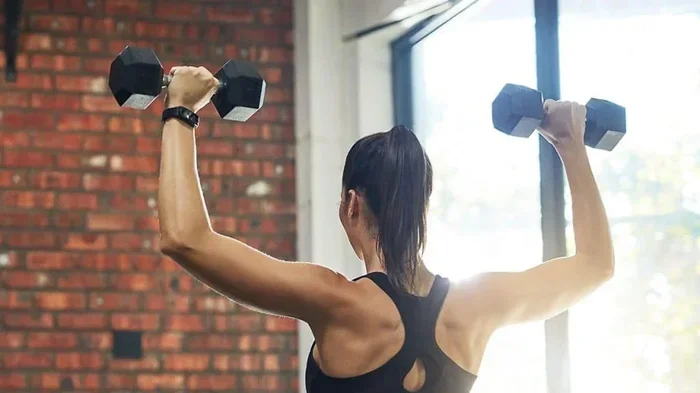
Training for pull ups with dumbbells is one of the smartest ways to build the back, arm, and grip strength you need. This guide covers everything from beginner-friendly dumbbell exercises to advanced progressions that will get you chin-ing the bar. You will learn the best dumbbell moves, a structured plan, and common mistakes to avoid on your pull-up journey.
Pull-ups are one of the most impressive bodyweight exercises you can do. They work your back, arms, shoulders, and core all at once. But let us be honest, they are tough. If you cannot do a single pull-up yet, you are not alone. Many people struggle with this movement, especially at first. The good news is that dumbbells can help you bridge the gap. With the right exercises and a solid plan, you can build the strength you need to pull yourself up and over the bar.
In this guide, we will walk you through everything you need to know about training for pull-ups with dumbbells. You will learn the best dumbbell exercises, how to structure your workouts, and what mistakes to avoid. Whether you are a complete beginner or someone who can already do a few reps but wants to do more, this article has you covered.
Key Takeaways
- Dumbbells build pull-up strength: Targeted dumbbell exercises strengthen your lats, biceps, and forearms for better pull-ups.
- Start with assisted variations: Use resistance bands or negative reps to ease into pull-ups before going full bodyweight.
- Grip strength matters: Strong forearms and hands are essential for holding on during pull-ups.
- Progressive overload is key: Gradually increase weight or reps over time to keep making gains.
- Consistency beats intensity: Training 3 to 4 times per week with proper form delivers better results than pushing too hard too fast.
- Avoid common mistakes: Skipping warm-ups, swinging your body, and neglecting scapular engagement can slow your progress.
📑 Table of Contents
- Why Dumbbells Are Great for Pull-Up Training
- Best Dumbbell Exercises for Pull-Up Strength
- How to Build a Pull-Up Training Plan with Dumbbells
- How to Use Resistance Bands to Assist Pull-Ups
- Common Mistakes to Avoid When Training for Pull-Ups
- Expert Tips to Speed Up Your Pull-Up Progress
- How Long Does It Take to Get Your First Pull-Up?
- Final Thoughts on Training for Pull-Ups with Dumbbells
Why Dumbbells Are Great for Pull-Up Training
You might wonder why dumbbells are so useful for pull-ups. After all, pull-ups are a bodyweight exercise. The answer is simple. Dumbbells let you isolate and strengthen the exact muscles you use during a pull-up. They also allow you to train at home without needing a pull-up bar right away. This makes them perfect for beginners or anyone recovering from an injury.
When you do a pull-up, several muscles work together. Your latissimus dorsi (lats) are the primary movers. Your biceps, forearms, and shoulders all chip in too. Your core keeps your body stable throughout the movement. Dumbbell exercises can target each of these muscles individually, which helps you build balanced strength.
The Muscles You Need for Pull-Ups
Understanding which muscles are involved helps you train smarter. Here are the key players:
- Latissimus dorsi: The large muscles in your back that pull your arms down and back.
- Biceps brachii: The front of your upper arms that flex your elbows.
- Forearms and grip muscles: These keep your hands locked onto the bar.
- Shoulder muscles: Your rear delts and rotator cuff stabilize your shoulders.
- Core muscles: Your abs and lower back keep your body from swinging.
By training these muscles with dumbbells, you build a strong foundation for pull-ups. This approach is much more effective than just trying to chin the bar over and over without any preparation.
Best Dumbbell Exercises for Pull-Up Strength
Not all dumbbell exercises are created equal when it comes to pull-ups. Some target the pulling muscles directly, while others build the grip and stability you need. Here are the best exercises to add to your routine.
Dumbbell Bent-Over Rows
The dumbbell bent-over row is a classic exercise that builds your back and biceps. It mimics the pulling motion of a pull-up in a controlled way. To do this exercise, hinge at your hips, keep your back flat, and pull the dumbbells toward your chest. Focus on squeezing your shoulder blades together at the top of each rep.
This exercise is a staple for anyone working toward their first pull-up. It builds the pulling strength you need while keeping the movement simple and safe. Start with a moderate weight and aim for 3 to 4 sets of 8 to 12 reps.
Dumbbell Bicep Curls
Your biceps play a big role in pull-ups. Strong biceps make it easier to pull your body up and hold yourself at the top. Dumbbell bicep curls are one of the best ways to build bicep size and strength at home. You can do them standing, sitting, or even one arm at a time.
For best results, use a full range of motion and avoid swinging the weights. Control the weight on the way down as well. This eccentric phase is where a lot of muscle growth happens. Aim for 3 sets of 10 to 15 reps with a weight that challenges you by the last few reps.
Dumbbell Dead Hangs and Holds
Grip strength is often the missing piece in pull-up training. If your hands give out before your muscles do, you need to work on your grip. You can hold a dumbbell in each hand and practice dead hangs, or simply hold a dumbbell at your side for time. This simple exercise trains your forearms and hands to support your body weight.
Start with short holds of 10 to 15 seconds and work your way up. Over time, your grip will become much stronger. This is one of the most underrated exercises for pull-up training, so do not skip it.
Dumbbell Shrugs for Trap Strength
Your trapezius muscles sit at the top of your back and neck. They help stabilize your shoulders during pull-ups. Dumbbell shrugs are a simple and effective way to build trap strength. Hold a dumbbell in each hand, shrug your shoulders up, and hold for a second at the top before lowering.
Strong traps help you maintain proper shoulder position during pull-ups, which reduces your risk of injury. Add 3 sets of 12 to 15 reps to your routine for best results.
How to Build a Pull-Up Training Plan with Dumbbells
Having a plan is essential for making progress. Random exercises will not get you to your first pull-up. You need a structured approach that builds strength over time. Here is how to set up your training plan.
Week 1 to 2: Foundation Phase
During the first two weeks, focus on building a base. Your goal is to get comfortable with the exercises and learn proper form. Here is a simple weekly plan:
- Dumbbell bent-over rows: 3 sets of 10 reps
- Dumbbell bicep curls: 3 sets of 12 reps
- Dumbbell dead hangs: 3 sets of 15 seconds
- Dumbbell shrugs: 3 sets of 12 reps
Train 3 times per week with at least one rest day between sessions. Keep the weight moderate and focus on feeling each muscle work.
Week 3 to 4: Strength Building Phase
Once you feel comfortable, increase the challenge. Add more weight or reps to each exercise. You can also start practicing negative pull-ups if you have access to a bar. Negatives involve jumping up to the top position and lowering yourself slowly. This builds strength in the hardest part of the pull-up movement.
Here is an updated plan for weeks 3 and 4:
- Dumbbell bent-over rows: 4 sets of 8 reps (heavier weight)
- Dumbbell bicep curls: 4 sets of 10 reps
- Negative pull-ups or dumbbell dead hangs: 3 sets of 5 reps or 20 seconds
- Dumbbell shrugs: 3 sets of 15 reps
Week 5 and Beyond: Progression Phase
By this point, you should be feeling stronger. Continue increasing the weight and volume. If you have access to a pull-up bar, try doing assisted pull-ups with a resistance band. This is a great way to practice the full movement pattern with less body weight. Over time, reduce the band thickness until you can do a full unassisted pull-up.
Consistency is the most important factor here. Stick with your plan, track your progress, and celebrate small wins along the way.
How to Use Resistance Bands to Assist Pull-Ups
Resistance bands are a fantastic tool for pull-up training. They reduce the amount of body weight you need to lift, making the movement more manageable. You can loop a band over the pull-up bar, place your foot or knee in it, and then perform the pull-up with less resistance. As you get stronger, use a thinner band that provides less assistance.
Using resistance bands for assisted pull-ups is one of the most effective ways to progress from zero to full pull-ups. Combine this with your dumbbell training for the best results. The bands help you practice the full movement pattern while your dumbbell work builds the underlying strength.
If you want to learn more about how to use resistance bands effectively, check out our guide on how to use resistance bands for assisted pull-ups. It covers band selection, proper form, and progression tips.
Common Mistakes to Avoid When Training for Pull-Ups
Even with a great plan, mistakes can slow your progress or lead to injury. Here are the most common errors people make when training for pull-ups with dumbbells.
Skipping the Warm-Up
Jumping straight into heavy rows or curls without warming up is a recipe for injury. Your shoulders, elbows, and wrists take a beating during pull-up training. Always spend 5 to 10 minutes doing light cardio and dynamic stretches before your workout. Arm circles, shoulder rotations, and light rowing motions are great warm-up options.
Swinging Your Body
Using momentum to complete reps is a common mistake. When you swing your legs or hips, you take the work away from your target muscles. Keep your body as still as possible during each exercise. If you need to swing to finish a set, the weight is too heavy. Drop it down and focus on controlled movements instead.
Neglecting Scapular Engagement
Your shoulder blades (scapulae) play a crucial role in pull-ups. Before you pull, you need to retract and depress your scapulae. This means pulling your shoulders down and back. Many people skip this step and rely entirely on their arms. Practice scapular pulls by hanging from a bar and pulling your shoulder blades down without bending your elbows. This simple drill can transform your pull-up technique.
Overtraining
It is tempting to train every day when you are motivated. But your muscles need rest to grow and recover. Training your pulling muscles too frequently can lead to fatigue and even tendonitis. Stick to 3 to 4 sessions per week and give yourself at least one full rest day between workouts.
Expert Tips to Speed Up Your Pull-Up Progress
Here are some insider tips that can help you reach your pull-up goals faster. These are the same strategies that coaches and trainers use with their athletes.
- Train your grip every day: Even 30 seconds of dead hangs throughout the day adds up over time. Your forearms and hands adapt quickly to consistent practice.
- Focus on the eccentric phase: Lowering yourself slowly during a pull-up builds more strength than the pulling phase. Aim for a 3 to 5 second negative on each rep.
- Use supersets: Pair a dumbbell row with a bicep curl to save time and increase intensity. This keeps your muscles under tension for longer.
- Track your progress: Write down your sets, reps, and weights. Seeing progress on paper is incredibly motivating and helps you know when to increase the challenge.
- Eat enough protein: Muscle repair and growth require adequate protein. Aim for at least 0.7 to 1 gram of protein per pound of body weight each day.
One of the most effective ways to build overall upper body strength is to combine pull-up training with dumbbell exercises for bigger arms. Exercises like curls, rows, and shoulder presses all contribute to the pulling strength you need. For a complete guide on building arm muscles at home, check out our article on how to build arm muscles at home with dumbbells.
Another area many people overlook is forearm development. Strong forearms give you the grip endurance to hold on during multiple pull-up reps. If you want to build bigger forearms specifically, our guide on how to get bigger forearms at home with dumbbells has everything you need.
Finally, do not ignore your shoulders. Balanced shoulder strength prevents injuries and improves your pulling mechanics. For tips on building bigger shoulders with dumbbells, take a look at our guide on how to get big shoulders with dumbbells.
How Long Does It Take to Get Your First Pull-Up?
This is the question everyone wants to know. The honest answer is that it depends on your starting point. If you are completely new to strength training, you might see your first pull-up within 4 to 8 weeks of consistent training. If you already have some strength training experience, it could take 2 to 4 weeks.
The key factors that influence your timeline include:
- Your current strength level and fitness background
- How consistently you train each week
- Whether you follow a structured plan
- Your nutrition and recovery habits
- Your body weight (lighter individuals often progress faster)
Remember that everyone progresses at their own pace. Do not compare your journey to someone else’s. Focus on showing up, doing the work, and trusting the process. The day you finally chin the bar for the first time will be one of the most rewarding moments in your fitness journey.
Final Thoughts on Training for Pull-Ups with Dumbbells
Training for pull-ups with dumbbells is a smart, effective approach that works for people of all fitness levels. You do not need a pull-up bar to start building the strength you need. With the right dumbbell exercises, a structured plan, and consistent effort, you will be chin-ing the bar before you know it.
Start with the foundation exercises, progress gradually, and avoid the common mistakes we covered. Your pull-up journey is within reach, and every rep with a dumbbell brings you one step closer to that first full pull-up. Stay patient, stay consistent, and enjoy the process.
Frequently Asked Questions
Can I really learn pull-ups using only dumbbells?
Yes, absolutely. Dumbbells target the same muscles used in pull-ups, including your lats, biceps, and forearms. By following a structured plan with progressive overload, you can build enough strength to perform a full pull-up even without a bar at first.
How often should I train with dumbbells for pull-ups?
Training 3 to 4 times per week is ideal for pull-up preparation. This gives your muscles enough stimulus to grow while allowing adequate recovery time between sessions. Consistency matters more than intensity.
What is the best dumbbell exercise for beginners working toward pull-ups?
The dumbbell bent-over row is the best starting point. It builds back and bicep strength in a controlled movement that closely mimics the pull-up pattern. Start with light weights and focus on proper form before increasing the load.
Do I need a pull-up bar to train for pull-ups with dumbbells?
No, you do not need a bar at first. Dumbbells allow you to build the foundational strength needed for pull-ups. Once you feel ready, you can introduce a bar and practice assisted or negative pull-ups to bridge the gap.
How long does it take to go from zero to a full pull-up?
Most people can achieve their first pull-up within 4 to 8 weeks of consistent dumbbell training. Your timeline depends on your starting strength, body weight, and how regularly you train. Stay patient and trust your program.
Are resistance bands helpful for pull-up training?
Yes, resistance bands are excellent for assisted pull-ups. They reduce the amount of body weight you need to lift, making the movement more accessible. Use them alongside your dumbbell training for the best results.
=== CONCLUSION ===
Training for pull-ups with dumbbells is one of the most effective paths to mastering this challenging exercise. By targeting your lats, biceps, forearms, and shoulders with the right dumbbell movements, you build the strength you need step by step. Follow the plan outlined in this guide, stay consistent, and avoid the common pitfalls that hold most people back. Your first pull-up is closer than you think. Start today, stay committed, and enjoy the journey toward a movement that proves just how strong you have become.


