Does a Rowing Machine Help You Lose Weight

Yes, a rowing machine can help you lose weight effectively. It delivers a full-body cardio workout that burns significant calories while engaging over 80% of your muscles. When combined with a healthy diet and consistent routine, indoor rowing becomes a powerful tool for reaching your fitness goals and shedding unwanted pounds.
So, you are wondering if a rowing machine can actually help you lose weight. The short answer is yes. But there is so much more to know about how this popular piece of workout equipment can transform your body. Whether you are just starting your fitness journey or looking for a new way to mix up your routine, a rowing machine offers serious benefits. Let us dive into everything you need to know.
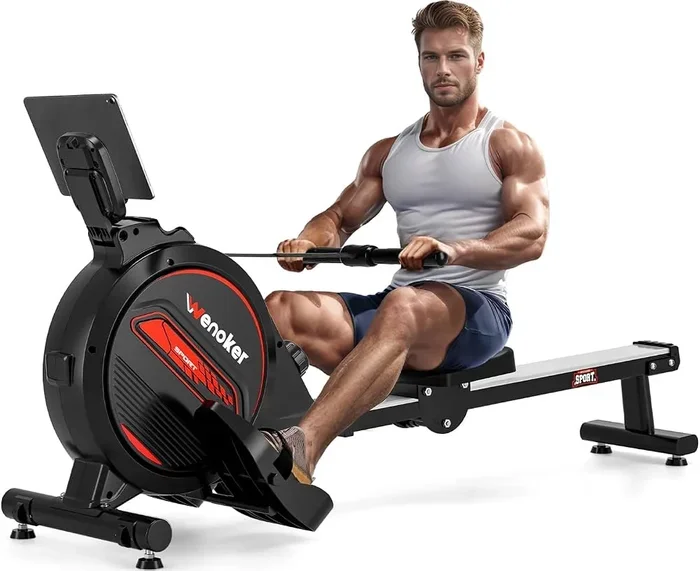
Does a rowing machine help you lose weight? Absolutely. This machine gives you a full-body cardio workout that torches calories and builds lean muscle at the same time. Unlike machines that only target one area, rowing works your legs, arms, back, and core all at once. That means you get more bang for your buck in every session.
The beauty of indoor rowing is that it fits almost anyone. You do not need to be an athlete. You do not need any special experience. All you need is the machine, some motivation, and a willingness to show up. In this article, we will cover how rowing helps with weight loss, how many calories you can burn, and practical tips to get the best results.
Key Takeaways
- Full-Body Workout: A rowing machine engages your legs, arms, back, and core simultaneously, maximizing calorie burn.
- High Calorie Burn: You can burn 400-800 calories per hour depending on intensity and body weight.
- Low Impact: Rowing is gentle on your joints, making it ideal for beginners and those with injuries.
- Boosts Metabolism: Regular rowing sessions can elevate your metabolic rate long after your workout ends.
- Consistency Matters: The best results come from a steady routine combined with proper nutrition.
- Belly Fat Reduction: Rowing helps reduce overall body fat, including stubborn belly fat.
📑 Table of Contents
- How Does a Rowing Machine Help You Lose Weight?
- How Many Calories Can You Burn on a Rowing Machine?
- What Makes Rowing Different from Other Cardio Machines?
- How to Use a Rowing Machine for Weight Loss
- Can Rowing Help You Lose Belly Fat Specifically?
- Common Mistakes to Avoid When Rowing for Weight Loss
- Expert Tips for Maximizing Weight Loss with Rowing
- Is a Rowing Machine Worth It for Weight Loss?
How Does a Rowing Machine Help You Lose Weight?
A rowing machine helps you lose weight in several powerful ways. First, it raises your heart rate and gets your body into a fat-burning zone. Second, it builds muscle, which increases your resting metabolic rate. Third, it burns a large number of calories in a short amount of time. Let us break each of these down.
Calorie Burn and Energy Expenditure
One of the biggest reasons people turn to a rowing machine is the calorie burn. During a moderate-intensity session, you can expect to burn around 400 to 600 calories per hour. Push the intensity higher, and that number climbs even more. Compare that to other machines, and rowing holds its own very well.
Here is a quick comparison of estimated calorie burn for a 155-pound person:
- Rowing Machine (moderate): 420-520 calories per hour
- Stationary Bike (moderate): 300-400 calories per hour
- Treadmill (jogging): 300-450 calories per hour
- Elliptical (moderate): 350-450 calories per hour
As you can see, rowing ranks at the top. The reason is simple. Rowing pulls in your entire body. More muscles working means more energy used. More energy used means more calories burned. And more calories burned means progress on your weight loss journey.
Full-Body Muscle Engagement
Most cardio machines focus on your lower body. The rowing machine is different. It targets about 86% of your muscles. Every stroke works your quads, hamstrings, glutes, core, back, shoulders, and arms. This full-body engagement is what makes indoor rowing so effective for burning fat and building strength.
When you build lean muscle, your body burns more calories even at rest. This is called your basal metabolic rate. The more muscle you have, the more calories your body needs just to function. Over time, this creates a calorie deficit that leads to weight loss. It is one of the most efficient ways to boost your metabolism naturally.
Low-Impact, Joint-Friendly Exercise
Not everyone can handle high-impact exercises like running. If you have bad knees, sore joints, or are just starting out, rowing is a fantastic option. It is a low-impact exercise that puts very little stress on your joints. You still get an intense workout without the wear and tear on your body.
This makes rowing accessible to a wide range of people. Older adults, beginners, and those recovering from injuries can all benefit. You get the cardiovascular benefits without the risk of common exercise injuries. That means you can stay consistent, and consistency is the real key to losing weight.
How Many Calories Can You Burn on a Rowing Machine?
The number of calories you burn depends on a few factors. Your body weight, workout intensity, and session duration all play a role. Let us look at some real numbers so you can plan your workouts smarter.
Calorie Burn by Intensity Level
Here is how calorie burn changes based on how hard you push yourself:
- Light Intensity (steady pace): 250-350 calories per hour
- Moderate Intensity (challenging pace): 400-550 calories per hour
- High Intensity (interval training): 500-800+ calories per hour
If you are new to rowing, start with a moderate pace. As your fitness improves, you can add intervals. Intervals alternate between hard pushes and recovery periods. This style of training is known as HIIT, or high-intensity interval training. HIIT rowing is one of the most effective ways to burn fat and improve your cardiovascular fitness.
How long should you row to lose weight? Aim for at least 20 to 30 minutes per session. If you are just starting, even 15 minutes counts. Over time, you can increase your duration and intensity. The important thing is to stay consistent. For the best guidance on session length, check out this resource on how long to use a rowing machine to lose weight.
What Makes Rowing Different from Other Cardio Machines?
There are many cardio machines out there. So why choose a rowing machine? Let us compare rowing to some popular alternatives.
Rowing vs. Treadmill
Running on a treadmill is a great workout, but it is hard on your joints. Rowing gives you a similar calorie burn without the impact. Treadmills mainly work your lower body. Rowing works your entire body. If you want a full-body cardio workout that is easier on your knees, rowing wins.
Rowing vs. Stationary Bike
A stationary bike is a solid choice for weight loss. It is easy to use and very low impact. However, it primarily targets your legs. A rowing machine engages your upper body too. This means you burn more calories per minute and build more overall muscle. If you want to maximize your time, rowing is the better choice.
Rowing vs. Elliptical
The elliptical is another popular low-impact machine. It works both your upper and lower body. But rowing goes a step further. It recruits more muscle groups and demands more from your core. The rowing motion also improves your posture and strengthens your back muscles, which the elliptical does not do as effectively.
How to Use a Rowing Machine for Weight Loss
Knowing how to use a rowing machine properly makes a huge difference. Good form prevents injury and ensures you are working the right muscles. Plus, proper technique helps you burn more calories during every session.
Master the Proper Rowing Form
Here is a simple breakdown of the rowing stroke:
- The Catch: Start with your knees bent and arms extended forward. Lean slightly over your shins.
- The Drive: Push with your legs first, then lean back slightly, and finally pull the handle to your chest.
- The Recovery: Extend your arms, lean forward, and then bend your knees to slide back to the catch position.
Remember the sequence: legs, core, arms on the drive. Arms, core, legs on the recovery. This order protects your back and maximizes power. If you want a detailed guide on technique, this article on how to use a rowing machine to lose weight has excellent tips.
Create a Rowing Workout Plan
Having a plan keeps you accountable and helps you progress. Here are three workout styles to try:
- Steady-State Rowing: Row at a consistent, moderate pace for 20-40 minutes. Great for beginners and endurance building.
- Interval Training: Alternate between 1 minute of hard rowing and 1 minute of easy rowing. Repeat for 15-25 minutes. This burns more calories and boosts your metabolism.
- Distance Challenges: Set a distance goal, like 2,000 meters, and try to beat your time each week. This keeps workouts fun and competitive.
Mix and match these styles throughout the week. For example, do steady-state rowing on Monday and Wednesday. Do intervals on Friday. This variety prevents boredom and challenges your body in different ways. For more on building an effective routine, check out how a rowing machine helps you lose weight.
Can Rowing Help You Lose Belly Fat Specifically?
Many people wonder if rowing can target belly fat. The honest answer is that you cannot spot-reduce fat. Doing endless crunches will not burn belly fat alone. The same goes for rowing. However, rowing is one of the best exercises for reducing overall body fat, including the fat around your midsection.
When you create a calorie deficit through exercise and diet, your body burns fat from all over. Rowing helps create that deficit by burning a high number of calories. It also builds core strength, which tones your midsection as the fat melts away. To learn more about this topic specifically, visit this guide on losing belly fat on a rowing machine.
The key is consistency. Rowing three to five times per week, combined with a balanced diet, will produce visible results. You will notice your waistline shrinking and your overall body composition improving. Plus, the core engagement from every stroke means your abdominal muscles are getting worked even when you do not realize it.
Common Mistakes to Avoid When Rowing for Weight Loss
Even though rowing is simple, many people make mistakes that hold them back. Avoiding these errors will help you get better results and stay injury-free.
- Using only your arms: The power comes from your legs, not your arms. Let your legs drive the stroke and use your arms to finish.
- Rounding your back: Keep your back straight throughout the stroke. Rounding your back can lead to serious injury over time.
- Rushing the recovery: The recovery phase is just as important as the drive. Slow and controlled movements are more effective.
- Skipping warm-ups: Always warm up for 3-5 minutes before jumping into intense rowing. Cold muscles are more prone to injury.
- Ignoring resistance settings: Do not max out the resistance from day one. Start moderate and increase gradually as your strength improves.
Avoiding these mistakes will make your workouts more effective and enjoyable. Proper form also means you target the right muscles and burn more calories per stroke. Quality always beats quantity when it comes to rowing.
Expert Tips for Maximizing Weight Loss with Rowing
Want to get the most out of your rowing sessions? Here are some expert-backed tips that make a real difference.
Combine Rowing with Strength Training
Rowing is a cardio exercise, but it also builds muscle. To maximize weight loss, pair your rowing sessions with strength training. Add bodyweight exercises like squats, push-ups, and lunges on alternate days. This combination keeps your metabolism elevated and helps you burn fat faster.
Track Your Progress
Use your rowing machine’s monitor to track your distance, pace, and calories burned. Watching your progress keeps you motivated. Set small goals each week and celebrate when you hit them. Maybe you row 500 meters faster this week than last. That is a win worth acknowledging.
Pair Rowing with a Balanced Diet
Exercise alone will not get you to your goals. Nutrition plays a huge role in weight loss. Focus on eating whole foods, lean proteins, vegetables, and healthy fats. Create a moderate calorie deficit of about 300-500 calories per day. This approach is sustainable and leads to steady, lasting results.
Stay Consistent and Patient
Weight loss does not happen overnight. It takes time, effort, and patience. Rowing consistently, even if it is just 20 minutes a day, will add up over weeks and months. Do not get discouraged if the scale does not move immediately. Your body is changing even when you cannot see it yet. Trust the process and keep showing up.
Is a Rowing Machine Worth It for Weight Loss?
The answer is a strong yes. A rowing machine is one of the most efficient, effective, and accessible pieces of workout equipment you can own. It burns a high number of calories, works your entire body, and is gentle on your joints. Whether you are a beginner or a seasoned fitness enthusiast, rowing fits your needs.
Compared to other cardio machines, rowing offers more muscle engagement and a higher calorie burn. It is versatile enough for steady-state workouts and intense interval sessions. And it requires very little space in most homes. The investment pays off in improved fitness, better body composition, and a stronger, healthier you.
If you are serious about your weight loss journey, a rowing machine is a tool worth considering. Start slow, focus on form, stay consistent, and let the results speak for themselves. Your future self will thank you.
Frequently Asked Questions
How long should I row each day to lose weight?
Aim for at least 20 to 30 minutes per session, four to five times a week. If you are just starting, begin with 15 minutes and gradually increase your duration. Consistency matters more than intensity when you are building a new habit.
Can beginners use a rowing machine for weight loss?
Absolutely. Rowing is beginner-friendly and easy to learn. Start with a light resistance and focus on proper form. As your fitness improves, you can increase the intensity and duration of your workouts.
Will rowing make my legs too bulky?
No. Rowing tones and strengthens your legs without making them bulky. It creates lean, defined muscles rather than large, bulky ones. The calorie burn from rowing also helps keep your overall body fat low, which reveals the muscle definition underneath.
How quickly can I expect to see results from rowing?
Most people notice changes within four to six weeks of consistent rowing and healthy eating. Results vary based on your starting point, diet, and how often you row. Stay patient and trust the process.
Is rowing better than running for weight loss?
Both are effective, but rowing burns more calories per session and works more muscle groups. It is also easier on your joints. If you are looking for a low-impact alternative to running, rowing is an excellent choice.
What time of day is best for rowing to lose weight?
The best time is whenever you can show up consistently. Some people prefer morning rowing to kickstart their metabolism. Others find evening sessions help them de-stress. The most important factor is that you actually do it regularly.
=== CONCLUSION ===
Does a rowing machine help you lose weight? Yes, it absolutely does. Rowing offers a powerful combination of calorie burn, full-body muscle engagement, and low-impact exercise that makes it one of the best tools for weight loss. Whether you are a complete beginner or a fitness veteran, a rowing machine can fit your routine and help you reach your goals.
Focus on consistency, proper form, and pairing your workouts with a balanced diet. Track your progress, stay patient, and celebrate every milestone. The journey to a healthier, leaner body starts with a single stroke. Grab that handle, push through your legs, and row your way to a stronger you. Your weight loss goals are well within reach.