Why Is Rowing Machine Good for You 2
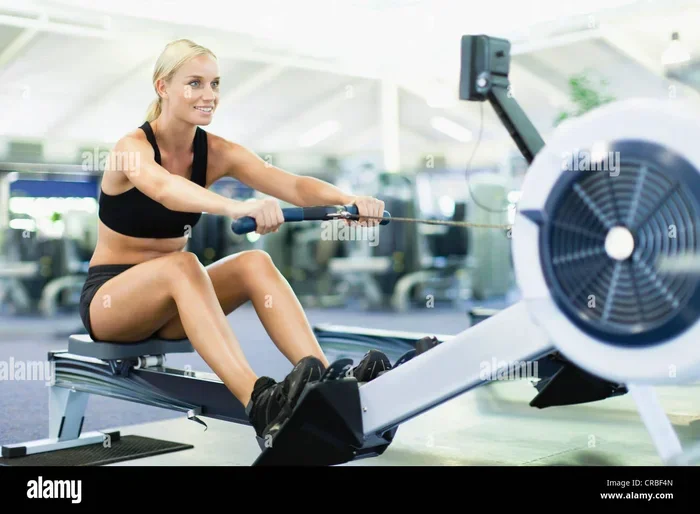
A rowing machine is one of the most effective and versatile pieces of workout equipment you can use at home. It delivers a full-body workout that strengthens muscles, boosts cardiovascular health, and burns calories efficiently. Whether you are a beginner or a fitness pro, indoor rowing offers low-impact benefits that are easy on your joints and hard on your goals.
Have you ever wondered why so many fitness enthusiasts swear by the rowing machine? It is not just another piece of gym equipment collecting dust. The truth is, a rowing machine is good for you in ways that go far beyond simple cardio. Whether you want to shed a few pounds, build endurance, or just feel stronger in your daily life, indoor rowing delivers real results.
In this guide, we break down the many reasons why a rowing machine deserves a spot in your home gym. We will cover everything from muscle engagement to heart health. By the end, you will understand exactly why this humble machine has earned a permanent place in fitness routines around the world.
Key Takeaways
- Full-Body Engagement: A rowing machine works up to 86% of your muscles in every stroke.
- Joint-Friendly Exercise: Indoor rowing is gentle on knees and hips, making it ideal for all fitness levels.
- Cardiovascular Health: Regular rowing improves heart function and lung capacity over time.
- Calorie Burn: A single session can burn 400-800 calories depending on intensity and duration.
- Posture and Core Strength: Rowing strengthens the back and core, helping you stand taller.
- Stress Relief: The rhythmic motion of rowing promotes mental relaxation and focus.
- Home-Friendly: Rowing machines are compact, quiet, and perfect for apartment living.
📑 Table of Contents
- What Makes a Rowing Machine So Effective
- Cardiovascular and Heart Health Benefits
- Muscle Building and Toning
- Low Impact and Joint-Friendly Exercise
- Mental Health and Stress Relief
- How Long Should You Row for Best Results
- Is a Rowing Machine Good for Total Body Fitness
- Choosing the Right Rowing Machine for Your Home
- Common Mistakes to Avoid When Rowing
- Final Thoughts
What Makes a Rowing Machine So Effective
The rowing machine stands out because it combines strength and cardio into one smooth motion. Unlike treadmills or stationary bikes, rowing pulls nearly every major muscle group into the work. This is why many experts call it a full body workout machine.
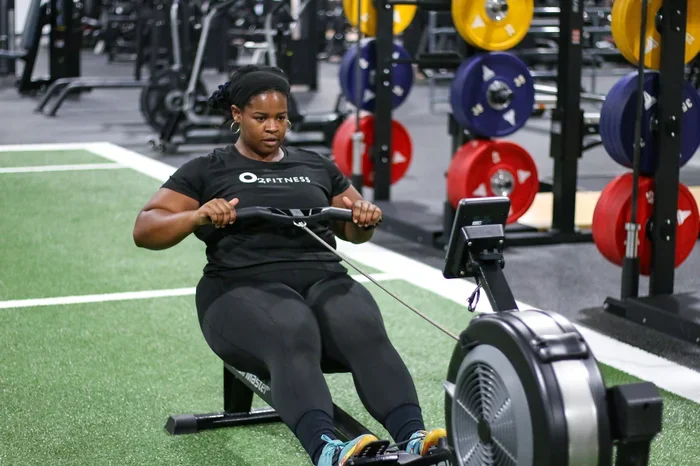
Each stroke on the rowing machine follows a four-phase sequence: the catch, the drive, the recovery, and the finish. Every phase activates different muscle groups. The catch works your legs and core. The drive engages your back, arms, and shoulders. The recovery phase lets your body reset while still keeping your heart rate elevated.
This continuous cycle means you get both aerobic and anaerobic benefits in a single session. You are building muscle and training your heart at the same time. Few other machines can claim that kind of efficiency.
The Science Behind Rowing
Studies show that rowing activates about 86% of your body’s muscles. That is a remarkable number. Your legs, back, arms, and core all work together in a coordinated pull. This makes rowing far more efficient than exercises that isolate just one muscle group.
Because rowing is a low impact exercise, it puts very little stress on your joints. You get the benefits of a intense workout without the wear and tear that comes from running or jumping. This is especially important for people who are recovering from injuries or dealing with joint discomfort.
Cardiovascular and Heart Health Benefits
Your heart is a muscle, and like all muscles, it gets stronger with exercise. Rowing is one of the best ways to give your heart a thorough workout. When you row regularly, your heart pumps blood more efficiently. Your resting heart rate drops. Your blood pressure improves.
A rowing session gets your heart rate into the aerobic zone quickly. This means your body starts burning fat and using oxygen more effectively. Over time, your endurance improves. Tasks that once left you breathless become much easier.
Research from the American Heart Association supports the idea that regular aerobic exercise reduces the risk of heart disease. Rowing fits perfectly into this recommendation. It is steady, controllable, and scalable to any fitness level.
How Rowing Compares to Other Cardio Machines
Compared to a treadmill, rowing burns more calories per minute because it engages the upper body too. Compared to a bike, it works your back and arms in addition to your legs. This full-body involvement means you get more bang for your buck in less time.
If you are looking for the best way to improve your heart health at home, a rowing machine is hard to beat. It gives you a complete cardiovascular workout without the pounding stress on your knees and ankles.
Muscle Building and Toning
One of the biggest reasons a rowing machine is good for you is the muscle engagement it provides. Every pull works your legs, glutes, back, shoulders, and arms. The rowing motion targets your posterior chain, which includes muscles that many people neglect in their workouts.
Here is a quick look at which muscles get worked during a rowing stroke:
- Legs: Quadriceps, hamstrings, calves, and glutes power the initial drive.
- Back: The latissimus dorsi and trapezius control the pulling motion.
- Arms and Shoulders: Biceps, forearms, and deltoids complete the pull.
- Core: The abdominals and obliques stabilize your body throughout the stroke.
Because rowing builds lean muscle, it also boosts your metabolism. More muscle means your body burns more calories even when you are resting. This makes rowing a powerful tool for both muscle toning and long-term fat loss.
Can Rowing Help With Losing Belly Fat
Spot reduction is a myth, but rowing can help you burn overall body fat, including belly fat. The high calorie burn from a rowing session creates the deficit your body needs to tap into stored fat. Combined with a healthy diet, indoor rowing can be a key part of your weight loss journey.
For more specific guidance on using a rowing machine to target belly fat, check out our detailed guide on is a rowing machine good for losing belly fat.
Low Impact and Joint-Friendly Exercise
Not everyone can handle high-impact workouts. Running, jumping, and plyometrics can be tough on the knees, hips, and ankles. Rowing offers a solution. It is smooth, controlled, and gentle on your joints while still delivering a challenging workout.
This makes the rowing machine ideal for seniors, people recovering from injuries, and anyone with joint concerns. The seated position supports your body weight, and the fluid motion eliminates the jarring impact that comes with other cardio exercises.
For older adults looking to stay active, rowing is a fantastic option. It builds strength, improves balance, and boosts mobility without the risk of falls or joint strain.
Rowing and Lower Back Pain
Many people with lower back pain avoid exercise because they fear making it worse. However, rowing done with proper form can actually strengthen the muscles that support your spine. The key is using correct technique and starting with a comfortable resistance level.
Always focus on driving through your legs and keeping your back straight. Avoid hunching forward or jerking the handle. If you have existing back issues, consult a doctor before starting any new exercise routine.
For a deeper look at how rowing affects your back, read our article on is a rowing machine good for lower back pain.
Mental Health and Stress Relief
Exercise is one of the most powerful tools for managing stress, and rowing is no exception. The rhythmic, repetitive motion of rowing has a meditative quality. It gives your mind a focal point, which can help quiet anxious thoughts and reduce stress.
When you row, your body releases endorphins. These are the feel-good chemicals that naturally boost your mood. Over time, regular rowing can help reduce symptoms of anxiety and depression. It also improves sleep quality, which has a direct impact on your mental well-being.
Many rowers describe the feeling of a good session as “flow state.” This is when you are fully absorbed in the activity and time seems to disappear. It is a powerful form of mindfulness that happens naturally while you exercise.
Building a Consistent Fitness Routine
One of the biggest challenges in fitness is consistency. People quit because they get bored, injured, or overwhelmed. Rowing solves many of these problems. It is simple to learn, easy to adjust in intensity, and never feels repetitive when you vary your workouts.
You can do steady-state rows for relaxation. You can do interval training for a challenge. You can track your progress over time and set new personal bests. This variety keeps things interesting and helps you stick with it long term.
How Long Should You Row for Best Results
The ideal rowing session length depends on your goals and fitness level. For beginners, starting with 10 to 15 minutes is perfectly fine. As your endurance builds, you can gradually increase to 20, 30, or even 45 minutes per session.
For general health benefits, aim for at least 150 minutes of moderate aerobic activity per week. That breaks down to about 30 minutes of rowing, five days a week. If you are doing high-intensity interval training, you can cut that time in half and still see great results.
For more detailed guidance on session duration, check out our article on how long should you use a rowing machine for to get the most out of every session.
Sample Rowing Workouts for Different Goals
Here are three simple workouts to get you started:
- Beginner Steady Row: 20 minutes at a comfortable pace. Focus on smooth technique and steady breathing.
- Calorie Burn Intervals: 30 seconds of hard rowing followed by 60 seconds of easy rowing. Repeat for 20 minutes.
- Endurance Builder: 45 minutes at a moderate pace. Keep your heart rate in the aerobic zone throughout.
Each of these workouts uses the rowing machine to its full potential. You can mix and match them throughout the week to keep your routine fresh and effective.
Is a Rowing Machine Good for Total Body Fitness
The short answer is yes. A rowing machine is good for total body fitness because it hits every major muscle group while also training your cardiovascular system. This combination is rare in a single piece of equipment.
When you compare rowing to other home gym machines, the versatility becomes clear. A treadmill only works your lower body. An arm ergometer only targets the upper body. A rowing machine does both and adds core work on top of that.
This is why rowing is often recommended as part of a well-rounded fitness routine. It fills gaps that other machines leave behind and gives you a complete workout in less time.
Rowing for Seniors and Beginners
Rowing is accessible to almost everyone. The motion is natural and easy to learn. The resistance is adjustable, so you can start light and increase gradually as you get stronger. For seniors, this adaptability makes rowing one of the safest and most effective forms of exercise available.
For more information on rowing for older adults, see our guide on is a rowing machine a good workout for seniors.
Choosing the Right Rowing Machine for Your Home
Not all rowing machines are created equal. There are several types to consider, including air rowers, magnetic rowers, water rowers, and hydraulic rowers. Each has its own feel, noise level, and price point.
Air rowers offer a realistic rowing feel and are popular in gyms. Magnetic rowers are quieter and better for home use. Water rowers provide the most authentic experience with a smooth, natural resistance. Hydraulic rowers are compact and affordable but may feel less realistic.
When choosing a machine, consider your space, budget, noise tolerance, and fitness goals. For more help finding the right fit, check out our guide on what is a good rowing machine for home use.
Tips for Getting Started
- Start with a low resistance setting and focus on learning proper form.
- Watch instructional videos or take a beginner class to build good habits early.
- Set realistic goals and track your progress each week.
- Invest in a comfortable seat pad or mat if your floor is hard.
- Stay hydrated and warm up for five minutes before each session.
Getting started with a rowing machine is easier than most people think. The learning curve is gentle, and the rewards come quickly. Within just a few weeks of regular rowing, most people notice improvements in strength, endurance, and overall energy levels.
Common Mistakes to Avoid When Rowing
Even though rowing is simple, there are a few common mistakes that can reduce your results or lead to injury. Being aware of these pitfalls helps you get the most out of every session.
First, avoid rounding your back during the stroke. Keep your spine neutral and your core engaged. Second, do not rely too much on your arms. The power should come from your legs and core, with your arms finishing the pull. Third, do not rush the recovery phase. A slow, controlled recovery actually helps you go faster on the drive.
Another mistake is using too much resistance too soon. Start light and increase gradually. Poor form under heavy resistance is a recipe for injury. Always prioritize technique over intensity.
Final Thoughts
The evidence is clear. A rowing machine is good for you in almost every way you can measure. It builds muscle, strengthens your heart, burns calories, protects your joints, and boosts your mental health. Few pieces of equipment can match that range of benefits.
Whether you are just starting your fitness journey or looking to add variety to an existing routine, indoor rowing is a smart choice. It is effective, accessible, and endlessly adaptable. All you need is a machine and a few minutes of your time.
Start small, stay consistent, and let the results speak for themselves. Your body will thank you for it.
Frequently Asked Questions
Is a rowing machine good for weight loss?
Yes, a rowing machine is excellent for weight loss. It burns a high number of calories per session and engages multiple muscle groups, which boosts your metabolism. Combined with a balanced diet, regular rowing can help you achieve and maintain a healthy weight.
How many calories can you burn on a rowing machine?
On average, a person can burn between 400 and 800 calories per hour on a rowing machine, depending on intensity and body weight. Higher intensity interval sessions tend to burn more calories in less time compared to steady-state rowing.
Is rowing safe for people with bad knees?
Rowing is generally safe for people with bad knees because it is a low-impact exercise. The seated position eliminates joint stress from impact, and the smooth motion does not jar your knees. However, always consult your doctor before starting if you have existing knee conditions.
Can beginners use a rowing machine?
Absolutely. Rowing machines are beginner-friendly because the resistance is adjustable and the motion is easy to learn. Start with low resistance, focus on proper form, and gradually increase the duration and intensity as your confidence grows.
How often should I row per week?
For general fitness, rowing 3 to 5 times per week is ideal. This aligns with the recommended 150 minutes of moderate aerobic activity per week. You can mix shorter sessions on busy days with longer sessions when you have more time.
Does rowing improve posture?
Yes, rowing can significantly improve posture. It strengthens the back muscles, core, and shoulders, which are all key to maintaining good posture. Over time, regular rowing helps counteract the slouching that comes from sitting at a desk all day.