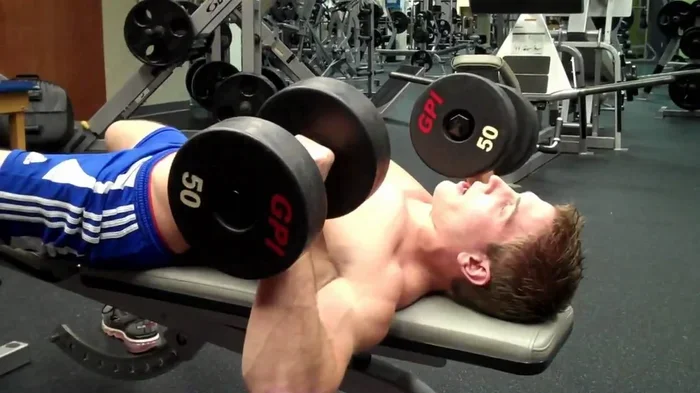
What Is the Correct Way to Lift Dumbbells

Learning the correct way to lift dumbbells is essential for building strength safely and effectively. Proper dumbbell form protects your joints, targets the right muscles, and prevents common injuries. Whether you are a beginner or returning to the gym, mastering basic dumbbell technique will transform your workouts. This guide covers grip, posture, breathing, and the most popular dumbbell exercises with step-by-step instructions. You will also find expert tips on choosing the right starting weight and avoiding the most frequent mistakes.
There is a right way and a wrong way to lift dumbbells. Sounds obvious, right? Yet so many people grab a pair of weights and start swinging without a second thought. The result? Wasted effort, sore joints, and sometimes real injuries that sideline you for weeks. The correct way to lift dumbbells is simpler than you think. It comes down to a few fundamentals that anyone can learn and practice every single session.
Whether you are brand new to resistance training or you have been lifting for years, revisiting the basics never hurts. This guide walks you through everything you need to know. From the proper dumbbell grip to breathing patterns, from common mistakes to the best exercises, we have you covered. Let us get into it.
Key Takeaways
- Proper form comes first: Always prioritize technique over heavy weight to avoid injury and maximize results.
- Grip matters: Your hand positioning changes which muscles work and how safe the lift feels.
- Start light: Pick a weight you can control for 10 to 12 reps with clean form before increasing load.
- Breathe correctly: Exhale on the effort, inhale on the return — this simple habit boosts stability and power.
- Avoid common mistakes: Swinging, locking joints, and rounding your back are the top errors to fix right away.
- Pair dumbbells with smart programming: Balance your dumbbell workout with rest days and progressive overload.
📑 Table of Contents
- Why Proper Dumbbell Form Matters
- The Correct Way to Grip a Dumbbell
- Body Position and Posture for Lifting
- The Correct Way to Lift Dumbbells: Step-by-Step for Key Exercises
- Common Mistakes and How to Fix Them
- Expert Tips to Improve Your Dumbbell Lifting
- How to Choose the Right Weight for Your Level
- Building a Safe and Effective Dumbbell Routine
- Conclusion
Why Proper Dumbbell Form Matters
Your body is a machine. When you move correctly, every muscle does its job. When you move incorrectly, other muscles pick up the slack — and they are not designed for that. This leads to strain, imbalances, and pain. The correct way to lift dumbbells ensures you get the most out of every rep while keeping your joints happy.
Benefits of Using Correct Technique
- Better muscle activation: Proper form targets the intended muscles more effectively.
- Injury prevention: You protect your shoulders, elbows, wrists, and lower back.
- Faster progress: Clean reps mean consistent gains over time.
- Better mind-muscle connection: You feel the work where it matters.
- Long-term sustainability: You can keep training for years without setbacks.
Think of weight training basics like building a house. You need a solid foundation before you add the fancy stuff. Skipping the fundamentals is like putting a roof on a crooked frame. It might stand for a while, but it will eventually fail.
The Correct Way to Grip a Dumbbell
Your hands are the only connection between you and the weight. Getting your dumbbell grip right changes everything. It affects stability, comfort, and which muscles do the work.
Neutral Grip
A neutral grip means your palms face each other. This is the safest and most natural position for most exercises. Use it for dumbbell rows, hammer curls, and chest presses. Your wrists stay straight, which reduces strain on the joints.
Pronated Grip (Overhand)
In a pronated grip, your palms face forward. This is the standard position for overhead presses and bicep curls. Keep your wrists firm but not locked. A loose wrist wastes energy and increases injury risk.
Supinated Grip (Underhand)
Your palms face up in a supinated grip. This works well for curls and some rowing movements. It puts more emphasis on the biceps and forearms. Just be careful not to hyperextend your wrists.
No matter which grip you use, wrap your fingers around the handle firmly. Do not let the dumbbell rest in the heel of your palm. A secure grip gives you control and confidence in every rep.
Body Position and Posture for Lifting
Your body position sets the stage for every dumbbell movement. A strong, stable base makes all the difference. Here is what you need to focus on.
Feet and Stance
Stand with your feet shoulder-width apart. Keep a slight bend in your knees. This grounded stance gives you balance and power. If you are doing standing exercises like dumbbell squats or dumbbell lunges, your feet position becomes even more important.
Core Engagement
Tighten your core before every lift. Think of bracing for a gentle punch to the stomach. This protects your lower back and transfers force efficiently. Your dumbbell workout will feel more powerful when your core is actively involved.
Shoulder and Chest Position
Pull your shoulders back and down. Open your chest slightly. This aligns your joints properly and prevents rounded shoulders over time. It also helps you breathe more freely during sets.
Head Position
Keep your chin tucked slightly. Look straight ahead, not at your feet or the ceiling. Your head should be in a neutral line with your spine. This might feel awkward at first, but it is the safest position for your neck.
The Correct Way to Lift Dumbbells: Step-by-Step for Key Exercises
Now let us get practical. Here are step-by-step instructions for the most popular dumbbell exercises. Follow these closely and you will build a strong foundation.
Dumbbell Squat
- Hold a dumbbell in each hand at your sides, palms facing inward.
- Stand with feet shoulder-width apart, core tight.
- Lower your body by pushing your hips back and bending your knees.
- Go down until your thighs are parallel to the floor, or as low as comfortable.
- Push through your heels to return to standing.
- Keep your chest up and your back straight throughout the movement.
Dumbbell Shoulder Press
- Sit on a bench with back support or stand with feet shoulder-width apart.
- Hold dumbbells at shoulder height, palms facing forward.
- Press the weights straight up until your arms are fully extended.
- Lower them back to shoulder height with control.
- Do not arch your back excessively — keep your core braced.
Dumbbell Row
- Hinge at the hips with a slight knee bend, keeping your back flat.
- Hold a dumbbell in each hand, arms hanging straight down.
- Pull the dumbbells up toward your ribcage, leading with your elbows.
- Squeeze your shoulder blades together at the top.
- Lower with control and repeat.
Dumbbell Bicep Curl
- Stand tall with a dumbbell in each hand, palms facing forward.
- Keep your elbows pinned to your sides.
- Curl the weights up by flexing your biceps.
- Lower slowly back to the starting position.
- Avoid swinging your body to help lift the weight.
Common Mistakes and How to Fix Them
Everyone makes mistakes when learning the correct way to lift dumbbells. The key is recognizing them and correcting them fast. Here are the most common errors and how to fix each one.
Mistake 1: Using Too Much Weight Too Soon
This is the number one mistake beginners make. Heavy weight does not equal better results if your form falls apart. Start with a weight you can control for 10 to 12 reps with clean technique. You can always add more later. If you want guidance on what is the best weight to start with dumbbells, check out our dedicated guide for beginners.
Mistake 2: Swinging the Weights
Swinging creates momentum, which takes the work away from your target muscles. It also puts dangerous stress on your joints. Slow down. If you cannot complete a rep without swinging, the weight is too heavy.
Mistake 3: Locking Your Joints
Fully locking your elbows or knees at the top of a lift puts unnecessary pressure on those joints. Keep a slight bend at all times. This keeps tension on the muscles and protects the joints.
Mistake 4: Holding Your Breath
Many people forget to breathe during lifts. This spikes your blood pressure and reduces your power output. Exhale as you lift the weight, inhale as you lower it. It sounds simple, but it makes a huge difference.
Mistake 5: Ignoring Muscle Imbalances
We all have a stronger side. If you only focus on your dominant side, you create imbalances that can lead to pain. Always match your reps on both sides and pay attention to how each side feels.
Expert Tips to Improve Your Dumbbell Lifting
Getting the correct way to lift dumbbells down takes practice, but these expert tips will accelerate your progress.
- Film yourself: Record your sets from the side. You will spot form issues you cannot feel in the moment.
- Use a mirror: A gym mirror gives real-time feedback on your posture and alignment.
- Practice with light weight first: Master the movement pattern before adding significant load.
- Focus on the eccentric phase: Lowering the weight slowly builds more muscle and control.
- Warm up before lifting: Five to ten minutes of light cardio and dynamic stretches prepares your body for heavy work.
- Rest between sets: Give your muscles 60 to 90 seconds of rest for strength building, or 30 to 45 seconds for endurance.
One more thing worth noting: if you are comparing dumbbells vs kettlebells, the form principles are similar but not identical. Each tool has its own learning curve. For more on how they differ, explore our comparison of kettlebells and dumbbells.
How to Choose the Right Weight for Your Level
Choosing the right weight is a skill in itself. Too light and you will not challenge your muscles. Too heavy and you risk bad form and injury. Here is a simple framework to follow.
For beginners, start with a weight that feels easy for 12 to 15 reps. The last two or three reps should feel challenging but doable. If you cannot complete the set with good form, drop the weight by 25 to 50 percent. As you get stronger, gradually increase the load by small increments — 2 to 5 pounds at a time.
Remember that different exercises use different muscle groups. You might curl 15-pound dumbbells easily but struggle with 10-pound dumbbells on a shoulder press. This is completely normal. Judge each exercise on its own merits and adjust accordingly.
If you are curious about how heavy is too heavy, our article on is how heavy are the dumbbells you lift good dives deeper into this topic with practical advice for all fitness levels.
Building a Safe and Effective Dumbbell Routine
Knowing the correct way to lift dumbbells is only half the battle. You also need a smart routine that balances your entire body. Here is a simple framework to get started.
Train each major muscle group twice per week. A full-body routine three days a week works great for most beginners. On each session, include one exercise for your legs, one for your chest, one for your back, one for your shoulders, and one for your arms. Keep your workouts between 30 and 45 minutes. Focus on quality reps over quantity.
As you progress, you can split your routine into upper body and lower body days. This gives each muscle group more focused attention and adequate recovery time. Always listen to your body. Soreness is normal. Sharp pain is not. Stop immediately if something feels wrong and reassess your form or weight selection.
For more exercise ideas and variations, check out our guide on what are the best exercises to do with dumbbells. It covers movements for every fitness level and goal.
Conclusion
The correct way to lift dumbbells comes down to three things: proper form, controlled movement, and consistent practice. You do not need fancy equipment or a complicated program. You just need to pay attention to how you move and respect the process. Start with lighter weights, master your technique, and build from there. Every great strength training journey begins with the basics. Get those right, and everything else falls into place.
Stay patient with yourself. Progress takes time. But if you commit to lifting with intention and proper form, you will see results that last. Now go grab those dumbbells and put these tips into action.
Frequently Asked Questions
What is the correct way to hold a dumbbell during curls?
Hold the dumbbell with a pronated grip, meaning your palms face forward. Keep your wrists firm and straight. Your elbows should stay pinned to your sides throughout the movement. Avoid using momentum or swinging the weight up. Control the curl both on the way up and the way down for maximum benefit and safety.
How do I know if I am using the correct dumbbell weight?
You should be able to complete all your reps with clean form. If your last two reps feel very challenging but you can still maintain proper technique, the weight is right. If you start rounding your back, swinging, or losing balance, the weight is too heavy. Drop down and focus on controlled reps first.
Can lifting dumbbells incorrectly cause injury?
Yes, absolutely. Using poor dumbbell form can lead to shoulder strains, wrist injuries, lower back pain, and elbow problems. The risk increases when you use too much weight or rush through reps. Always prioritize technique and build up gradually to heavier loads to stay safe and train consistently.
Should I lift dumbbells every day?
It depends on your experience and goals. Beginners should rest at least one day between dumbbell workout sessions for the same muscle groups. Muscles grow and repair during rest, not during the lift itself. For most people, lifting three to four times per week with rest days in between is the sweet spot for steady progress.
What is the best way to breathe when lifting dumbbells?
Breathe out during the effort phase — the part where you are pushing or pulling the weight. Breathe in during the return phase — when you lower the weight back down. Never hold your breath during a lift. Proper breathing stabilizes your core, supports your blood pressure, and gives you more power throughout each rep.
How long does it take to learn the correct dumbbell lifting technique?
Most people see noticeable improvement within two to four weeks of focused practice. However, mastering proper dumbbell technique is a journey that continues over months and years. The key is consistency, patience, and a willingness to check your form regularly. Consider recording your workouts or working with a trainer for personalized feedback.