Is Rowing Machine Good for Lower Back Pain
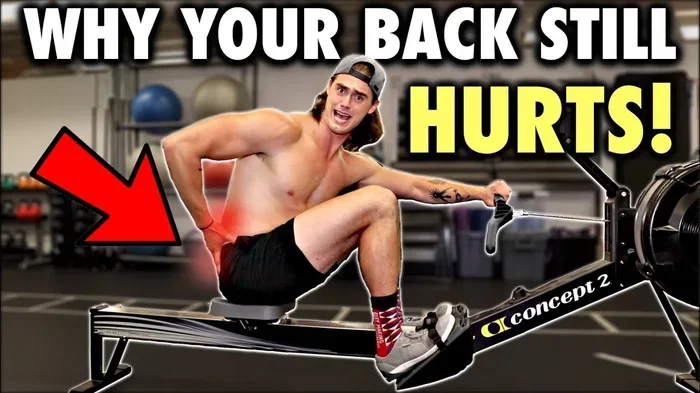
A rowing machine can be an excellent tool for lower back pain relief when used with proper form and technique. This low-impact exercise strengthens your core, improves posture, and promotes spinal health without putting excess stress on your joints. However, poor technique can make things worse, so learning the right approach is key.
Key Takeaways
- Rowing is low-impact: It provides a joint-friendly workout that can help ease lower back pain without heavy loading on the spine.
- Core strengthening is key: Rowing engages your abs, obliques, and lower back muscles, building the support your spine needs.
- Proper form matters: Poor rowing technique can actually worsen back pain, so learning the correct mechanics is essential.
- Not for all conditions: Some serious back injuries may require avoiding rowing until you get medical clearance.
- Start slow and build up: Beginners should start with short sessions and gradually increase duration and intensity.
- Pair with stretching: Combining rowing with targeted stretches delivers better results for chronic back pain.
📑 Table of Contents
- Is Rowing Machine Good for Lower Back Pain?
- Why Rowing Works for Lower Back Pain
- Proper Rowing Form for Lower Back Pain
- When Rowing Can Be Bad for Your Back
- How to Start Rowing with Lower Back Pain
- Pairing Rowing with Other Back Pain Strategies
- Rowing Machine Selection Tips for Back Pain
- Expert Insights on Rowing and Back Health
- Is Rowing Better Than Other Exercises for Back Pain?
- Key Takeaways
- Conclusion
Is Rowing Machine Good for Lower Back Pain?
If you have ever dealt with nagging lower back pain, you know how frustrating it can be to find an exercise that actually helps. Walking is fine, but it gets boring. Running feels like it aggravates everything. So you start wondering: is a rowing machine good for lower back pain?
The short answer is yes, it can be. Rowing is one of the most effective low-impact exercises for people dealing with discomfort in their lower back. It works your entire body, strengthens the muscles that support your spine, and gets your blood flowing without pounding your joints. But there is a big “but” here. How you row matters just as much as whether you row.
In this article, we will break down everything you need to know. We will cover the benefits, the risks, the proper form, and practical tips to help you use a rowing machine safely and effectively for lower back pain relief.
Why Rowing Works for Lower Back Pain
It Is a Low-Impact Exercise
One of the biggest advantages of rowing is that it is a low-impact exercise. Unlike running or jumping, rowing does not slam your joints with repeated force. Your feet stay planted on the footrests, and your body glides smoothly back and forth. This means your spine, hips, and knees are protected from the jarring impact that can make back pain worse.
For people dealing with chronic back pain or those recovering from injury, this gentle motion is a game-changer. You still get a serious workout without the punishment your body usually takes from high-impact activities. If you want a comparison, the elliptical machine is also low-impact, but rowing adds the benefit of active back muscle engagement that the elliptical simply does not provide.
It Strengthens Your Core
Here is the real magic of rowing: it is a core strengthening powerhouse. Every single stroke requires your abdominal muscles, obliques, and lower back muscles to stabilize your torso. You are not just pulling with your arms. Your entire midsection is working to keep your body aligned and strong through every phase of the stroke.
Think about it this way. A strong core is like a natural brace for your spine. The muscles around your lower back act like a support system, holding everything in place. When those muscles are weak, your spine takes on more stress. Rowing builds those muscles up, which means better lumbar support and less pain over time.
It Improves Posture
Poor posture is one of the leading causes of lower back pain. If you sit at a desk all day, your hip flexors tighten, your chest rounds forward, and your lower back starts to ache. Rowing naturally counteracts this. The motion requires you to sit upright and engage your back muscles through the full range of movement.
Over time, regular rowing helps train your body to maintain better alignment. This leads to improved posture improvement both during and outside of your workouts. Better posture means less strain on your spinal column and fewer painful flare-ups throughout the day.
Proper Rowing Form for Lower Back Pain
Now let us talk about the part that trips most people up. Rowing form is absolutely critical when you are dealing with lower back pain. Using the wrong technique can strain your lumbar muscles, worsen existing pain, and even lead to new injuries. Getting the form right is not optional, it is essential.
The Correct Stroke Sequence
A proper rowing stroke has three distinct phases. Follow these steps to protect your back and get the most out of every stroke:
- The Catch: Sit upright with your arms extended, shoulders relaxed, and shins vertical. Lean slightly forward from your hips, not your lower back. Keep your core tight.
- The Drive: Push through your legs first. Then swing your back open, using your hip muscles to lean back slightly. Finally, pull the handle toward your lower ribcage with your arms. The power comes from your legs and hips, not your spine.
- The Recovery: Reverse the motion smoothly. Extend your arms first, hinge forward at the hips, then bend your knees to slide back to the catch position. Move with control, not speed.
For a deeper breakdown of the mechanics, check out this guide on proper rowing machine form. It covers every detail you need to nail the technique.
Common Form Mistakes That Hurt Your Back
Watch out for these errors that can sabotage your efforts and make your back pain worse:
- Rounding your lower back: Slouching forward during the catch puts huge pressure on your spinal discs. Keep your back straight throughout.
- Bending too far backward: Leaning past the vertical position at the end of the drive strains your lumbar region. A slight lean is all you need.
- Using your arms too early: Pulling with your arms before your legs and hips engage forces your upper body to compensate, which puts extra load on your back.
- Jerky movements: Slamming the seat or yanking the handle creates sudden forces your back is not ready for. Smooth and controlled is always better.
When Rowing Can Be Bad for Your Back
Let us be honest here. Rowing is not a magic cure, and it is not right for every situation. Is a rowing machine bad for your lower back? The answer depends on your specific condition.
Situations Where You Should Avoid Rowing
There are times when rowing can actually do more harm than good. Avoid the rowing machine if:
- You have a herniated disc or diagnosed spinal injury without medical clearance.
- Your back pain is accompanied by numbness, tingling, or weakness in your legs.
- You are in the acute phase of a back injury and experiencing severe pain.
- You have spinal stenosis or another condition that limits spinal flexion.
In these cases, your first step should be to see a doctor or physical therapist. They can tell you whether rowing is safe for your specific situation. For more information on when rowing can cause problems, read about when a rowing machine can be bad for your lower back.
When to Modify Your Approach
Even if you are cleared to row, you may need to adjust your routine. Start with shorter sessions, use lower resistance, and focus entirely on form before pushing intensity. If any movement causes sharp or shooting pain, stop immediately. Discomfort is not a sign of progress when it comes to back pain.
How to Start Rowing with Lower Back Pain
Beginner Tips for Safe Rowing
If you are new to rowing and dealing with back pain, take it slow. Here is a practical plan to get started without overdoing it:
- Week 1: Row for 5 to 10 minutes at a very light resistance. Focus entirely on learning the stroke sequence. Do not worry about speed or distance.
- Week 2: Increase to 15 minutes if you feel no pain. Keep the resistance low and pay attention to your posture throughout.
- Week 3 and beyond: Gradually build up to 20 to 30 minutes. You can increase resistance slightly as your comfort level improves.
Best Rowing Workouts for Back Pain Relief
Not all rowing workouts are created equal when it comes to helping your back. Here are some effective approaches:
- Steady-State Rowing: Row at a comfortable pace for 15 to 25 minutes. This keeps your blood flowing and your muscles engaged without heavy strain. It is great for pain management on tougher days.
- Interval Training: Alternate between one minute of harder rowing and two minutes of easy recovery. This builds endurance and strength faster. Only try this once you have a solid foundation.
- Technique-Focused Sessions: Spend 10 to 15 minutes just doing slow, deliberate strokes. Concentrate on every phase of the catch, drive, and recovery. Perfect practice builds a stronger back.
For those interested in building overall fitness through rowing, this resource on rowing as a total body workout provides excellent insights into full-body routines that support back health.
Pairing Rowing with Other Back Pain Strategies
Stretching Before and After
Rowing alone is powerful, but combining it with stretching gives you even better results. Before your session, do gentle stretches to warm up your back and hips. Try cat-cow stretches, knee-to-chest stretches, and hip flexor stretches. After rowing, repeat these stretches plus some lower back rotations.
Stretching improves your fitness and flexibility, which directly supports how your body handles the rowing motion. Tight muscles limit your range of motion and increase your risk of strain.
Strengthening Supporting Muscles
Rowing works your core, but you can boost your results by adding a few simple exercises. Glute bridges, bird-dogs, and dead bugs all strengthen the muscles that support your spine. Aim to do these two to three times per week alongside your rowing sessions.
You might also want to explore complementary exercises. For example, kettlebell swings can be another effective exercise for lower back pain when performed correctly. They target the posterior chain and build functional strength that complements what you develop on the rower.
Listening to Your Body
This might sound simple, but so many people ignore what their body is telling them. If your back feels stiff after rowing, take a rest day. If a particular movement causes sharp pain, do not push through it. Pain management is about consistency, not intensity. Rest days are when your muscles actually rebuild and get stronger.
Rowing Machine Selection Tips for Back Pain
Not all rowing machines are the same, and the one you choose can affect how your back feels during and after your workout. Here are a few things to keep in mind:
- Smooth resistance: Look for a machine with fluid, consistent resistance. Air rowers tend to offer the smoothest pull, which is easier on the back. Magnetic rowers are also a great quiet option.
- Adjustable seat: A seat that slides smoothly and comfortably is important for maintaining proper form throughout longer sessions.
- Foot strap security: Secure foot straps keep your feet stable and prevent awkward movements that can throw off your alignment.
- Monitor simplicity: You do not need a fancy display. A simple pace and time display is enough to keep your focus on technique.
For more detailed recommendations, check out this article on the best rowing machines for home use. Choosing the right machine sets you up for success from day one.
Expert Insights on Rowing and Back Health
Physical therapists often recommend rowing as part of a rehabilitation program for lower back pain. The reasoning is straightforward. Rowing builds the exact muscle groups that support the spine while staying gentle on the joints. It also promotes cardiovascular fitness, which improves blood flow to spinal tissues and aids recovery.
Dr. Sarah Lin, a sports medicine specialist, notes, “Rowing can be an excellent rehabilitation tool when introduced gradually and with proper coaching. The key is making sure the patient has mastered the hip hinge pattern before adding any significant resistance.”
Her advice aligns with what most experts agree on. Start slow, learn the form, and build up over weeks. Do not rush the process. Your back needs time to adapt and trust the movement.
Is Rowing Better Than Other Exercises for Back Pain?
How does rowing stack up against other popular exercises for lower back pain? Here is a quick comparison:
| Exercise | Impact Level | Core Engagement | Back Pain Friendly |
|---|---|---|---|
| Rowing Machine | Low | Very High | Yes, with proper form |
| Walking | Low | Low to Moderate | Yes |
| Running | High | Low to Moderate | Often No |
| Swimming | Very Low | High | Yes |
| Cycling | Low | Low | Sometimes |
| Yoga | Very Low | Moderate to High | Yes, with modifications |
Rowing holds its own against these alternatives. It offers high core engagement with low impact, making it one of the best options for people who want a dynamic workout that also supports their back. Swimming is similarly excellent, but not everyone has pool access. Rowing machines are readily available for home use and deliver a unique combination of muscle strengthening and aerobic conditioning that few other machines can match.
Key Takeaways
So, is a rowing machine good for lower back pain? The evidence strongly supports yes, with some important conditions. Rowing strengthens your core, improves posture, and delivers a low-impact workout that promotes spinal health. But it all comes down to how you row. Proper form, gradual progression, and listening to your body are non-negotiable.
Start with short sessions, master the technique, and build up slowly. Pair your rowing with stretching and supporting exercises for the best results. And if your back pain is severe or accompanied by unusual symptoms, consult a healthcare professional before you start.
The rowing machine is not a one-size-fits-all solution, but for many people dealing with lower back discomfort, it is a proven path toward relief and strength. Give it a try with patience and care, and your back just might thank you.
Conclusion
To wrap it up, a rowing machine can be a genuinely effective tool for relieving lower back pain when used the right way. It builds the core muscles that protect your spine, provides a low-impact cardiovascular workout, and promotes better posture over time. The key is proper form, gradual progression, and paying close attention to how your body responds. Avoid the common mistakes, start with manageable sessions, and combine rowing with stretching for the best outcome. If you are unsure about your specific condition, always check with a medical professional first. With the right approach, your rowing machine can become one of the best friends your back ever had.
Frequently Asked Questions
Is rowing good for chronic lower back pain?
Yes, rowing can be beneficial for chronic lower back pain because it strengthens the core muscles that support your spine without high impact. However, you should start slowly and use proper form. If your pain is persistent, consult a physical therapist before beginning a rowing routine.
How long should I row each day for back pain relief?
Beginners should start with 10 to 15 minutes per session, three to four times per week. As your body adapts, you can increase to 20 to 30 minutes. Quality of movement matters more than duration, so always prioritize form over time spent on the machine.
Can rowing make my lower back pain worse?
It can, if you use poor form. Rounding your lower back, leaning too far backward, or pulling with your arms instead of your legs puts extra stress on your spine. Learning the correct stroke sequence and starting with light resistance will help prevent this.
What is the best rowing machine for someone with back pain?
Air and magnetic rowers tend to offer the smoothest resistance, which is gentler on the back. Look for machines with adjustable seats, secure foot straps, and a comfortable handle grip. For home use recommendations, check out guides on the best rowing machines for home use.
Should I stretch before rowing for lower back pain?
Absolutely. Gentle stretching before rowing warms up your hip flexors, lower back, and hamstrings, which helps you maintain better form during the workout. Focus on cat-cow stretches, knee-to-chest stretches, and hip flexor stretches before you start rowing.
Is rowing better than walking for lower back pain?
Rowing offers stronger core engagement and more comprehensive muscle strengthening compared to walking, making it more effective for long-term back pain relief. Walking is gentler and a great starting point if you are completely new to exercise. Ideally, you can incorporate both into your routine for balanced benefits.