What Muscles Does a Rowing Machine Not Work

A rowing machine misses key muscle groups like the upper chest, biceps, and calves, which is why understanding what muscles a rowing machine does not work matters. Focusing on these neglected areas with complementary exercises ensures you build a truly balanced and strong physique.
Key Takeaways
- Your chest muscles get minimal work: add bench presses for balanced upper body development.
- Calves barely engage during rowing: pair it with calf raises for complete leg training.
- Biceps see limited activation: supplement with curls for better arm strength balance.
- Forearms stay relatively idle: use grip strengtheners to fill this important training gap.
- Triceps are not primary movers: add dips or pushdowns to round out your routine.
- Neck muscles remain untouched: include targeted neck exercises for overall posture support.
- Shoulder stabilizers need extra work: add lateral raises and rotations for joint health.
📑 Table of Contents
- What Muscles Does a Rowing Machine Not Work
- Understanding What Muscles a Rowing Machine Does Not Work
- The Muscles That Get the Least Attention
- Why a Rowing Machine Does Not Build Certain Muscles
- How to Target the Muscles a Rowing Machine Misses
- Common Mistakes That Make the Problem Worse
- Expert Insights on Building a Balanced Routine
- Key Takeaways: Making the Most of Your Rowing Workouts
What Muscles Does a Rowing Machine Not Work
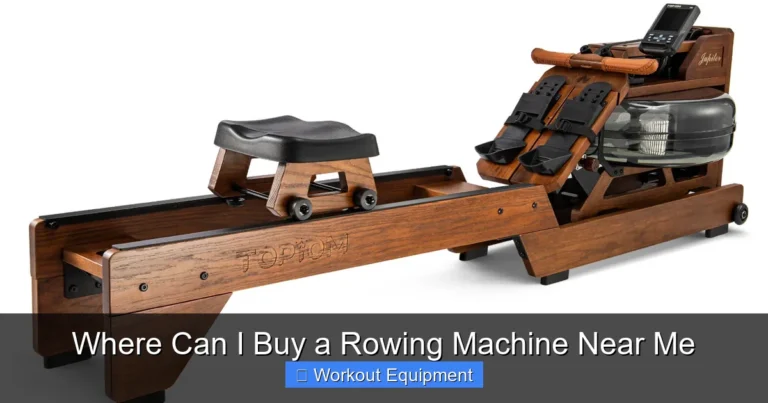
What muscles does a rowing machine not work is a question that catches a lot of fitness fans off guard. Rowing machines are amazing tools. They torch calories. They boost your heart health. They even build solid muscle in your back, legs, and arms. But here is the truth — a rowing machine cannot hit every single muscle group in your body. Some muscles simply do not get enough attention during your rowing sessions. In this guide, we will break down exactly which muscles get left behind. We will also show you how to fill those gaps. By the end, you will know how to build a more balanced workout plan that covers everything your body needs.
Whether you are a beginner or a seasoned rower, this article will change how you think about your training. You might be surprised by what you have been missing.
Understanding What Muscles a Rowing Machine Does Not Work
To understand the gaps, you first need to know what a rowing machine actually does. Rowing is a full-body workout that mainly targets your posterior chain. That is the group of muscles running down the back of your body. It also works your arms, shoulders, and core. But it has clear limits.
Think of it this way. A rowing machine is like a chef who cooks amazing main courses but never makes desserts. You get a fantastic meal. But you walk away craving something sweet. Your body feels strong in some areas. But other areas feel left behind.
What muscles do you work on a rowing machine is a popular search because people want to understand the full picture. The rowing stroke involves a push with your legs, a pull with your arms, and stabilization from your core. Muscles that sit in the front of your body or need isolated movement often get skipped entirely.
The Science Behind Muscle Recruitment in Rowing
During a rowing stroke, your body goes through two main phases. The drive phase pushes power from your legs. The recovery phase brings you back to the start. Most muscle activation happens during the drive. That means muscles that need concentric lifting movements often miss out. Rowing favors pulling and pushing motions. It does not favor lifting or twisting in isolation.
The Muscles That Get the Least Attention
So, what muscles does a rowing machine not work effectively? Let us break it down by body area. These are the muscles that a rowing machine largely ignores or only lightly touches.
Chest Muscles (Pectorals)
Your chest gets almost zero direct work during rowing. The rowing motion pulls your arms back. That is a backward movement. Your chest muscles are built for forward pushing movements. Think bench presses or push-ups. Rowing does not recruit your pectorals in any meaningful way. If you want a strong chest, you need exercises that specifically target it.
Shoulder Front (Anterior Deltoids)
The front part of your shoulders helps you push things forward. Since rowing pulls backward, your anterior deltoids stay mostly idle. The rear deltoids actually get more work because they help pull your arms back. But the front of your shoulders? They barely participate.
Abdominal Muscles (Front Core)
This one surprises many people. Yes, rowing does engage your core. But it mainly hits your deep core muscles and obliques for stabilization. Your front abs, the rectus abdominis, do very little during a rowing stroke. You will not see those six-pack abs from rowing alone. Rowing is not a flexion exercise. Your abs need curling and crunching movements to fully develop.
Biceps and Triceps
Your upper arms get some work during the pull phase. But the biceps and triceps are not the main drivers. Your lats and back muscles do most of the pulling. Your arm muscles just tag along. If you want visibly toned arms, rowing will help a little. But it will not build them like targeted arm exercises will.
Calves
Your lower legs get very little action too. Rowing works your quads, hamstrings, and glutes during the leg drive. But your calves mostly act as stabilizers. They do not go through a full range of motion. Running or jumping exercises hit your calves far harder than rowing ever will.
Neck Muscles
Your neck muscles stay completely relaxed during rowing. They are not involved in the stroke at all. This is actually a good thing for most people. But if you are looking to build neck strength, rowing will do nothing for you.
Why a Rowing Machine Does Not Build Certain Muscles
Now you might wonder: why does this happen? The answer comes down to movement patterns. Every exercise has a specific movement direction. Rowing is primarily a horizontal pulling motion combined with a leg press. It does not include pressing, curling, or flexing movements that some muscles need.
The Pull vs. Push Problem
Here is a simple way to think about it. Rowing is a pull-dominant exercise. Your body pulls the handle toward your chest. Pulling muscles like your lats and rhomboids get all the love. But pushing muscles like your chest and front shoulders get ignored. Your body needs both push and pull movements for full development. A rowing machine only gives you one side of the equation.
No Concentric Upper Body Lifting
Muscles grow when they go through a full range of motion under load. Rowing does not require you to lift anything upward against gravity. There is no vertical pulling or pressing. That means muscles that rely on upward movement patterns stay underdeveloped. Your biceps, for example, love curling motions. Rowing does not provide that.
Limited Range of Motion for Some Joints
The rowing stroke locks your body into a specific path. Your joints move the way the machine demands. That is great for efficiency. But it limits how much individual muscles can work. Your ankles, for example, stay mostly fixed. Your hip flexors barely stretch and contract compared to exercises like squats or lunges.
How to Target the Muscles a Rowing Machine Misses
The good news is you do not have to give up your rowing machine. You just need to add a few complementary exercises. Here is how to fill the gaps and build a balanced body.
Add Chest and Shoulder Press Movements
Since rowing skips your chest and front shoulders, add push-based exercises:
- Bench press or dumbbell press
- Push-ups or incline push-ups
- Overhead shoulder press
- Chest flyes or cable crossovers
Even two to three of these per week can make a huge difference. Pair them with your rowing sessions for a balanced push-pull routine.
Strengthen Your Front Core
Your front abs need direct work. Add these exercises to your routine:
- Crunches or sit-ups
- Hanging leg raises
- Planks with shoulder taps
- Russian twists for oblique engagement
Rowing gives you a strong back and deep core. These exercises give you the front. Together, you get a complete core workout.
Build Your Arms with Isolation Work
For stronger arms, try:
- Bicep curls with dumbbells or a barbell
- Tricep dips or tricep pushdowns
- Hammer curls for brachialis development
Your arms will catch up fast. Do not skip this step if visible arm definition is a goal of yours.
Hit Your Calves with Targeted Work
Your calves need repetition and direct loading. Try:
- Standing calf raises
- Seated calf raises
- Jump rope or box jumps
These movements force your calves through a full range. Rowing simply cannot replicate that effect.
Quick Comparison: What Rowing Works vs. What It Skips
| Body Area | Worked by Rowing? | Level of Activation |
|---|---|---|
| Lats and Back | Yes | High |
| Hamstrings and Glutes | Yes | High |
| Quads | Yes | Moderate to High |
| Core (Deep/Back) | Yes | Moderate to High |
| Biceps | Partially | Low to Moderate |
| Chest | No | Very Low |
| Front Shoulders | No | Very Low |
| Front Abs (Rectus Abdominis) | No | Very Low |
| Calves | Minimal | Low |
| Neck | No | None |
Common Mistakes That Make the Problem Worse
Some rowers make errors that leave even more muscles underdeveloped. Avoid these common mistakes to get the most out of your machine.
Ignoring the Recovery Phase
The recovery phase is when your body glides back to the start. Many people rush through it. This wastes a chance to engage stabilizing muscles. Slow down. Control the movement. Let your arms and core stay active even when you are not pulling.
Using Bad Form
Bad form means some muscles overwork while others do nothing. Common issues include:
- Rounding your lower back
- Letting your shoulders hunch forward
- Using only your arms instead of your legs
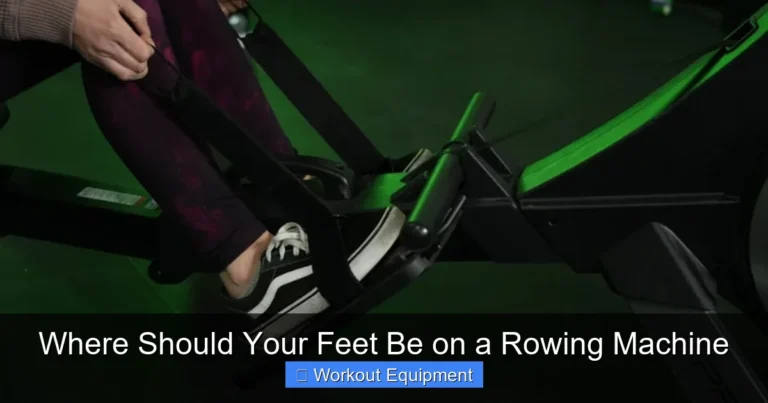
- Sitting too far forward on the seat
Fix your form. Get your technique right before chasing speed or distance. A proper rowing form ensures balanced muscle engagement across the muscles that rowing does target.
Doing Nothing Else
This is the biggest mistake. Some people think rowing alone is enough. It is not. What muscles does a rowing machine not work? Plenty. If rowing is your only exercise, you will develop imbalances. Your back might be strong. Your chest might be weak. Your legs might be powerful in one direction. But your calves and abs could be lacking. Add complementary training. Your body will thank you.
Expert Insights on Building a Balanced Routine
Fitness experts agree that rowing machines are one of the best cardio tools available. But they also stress the importance of variety. A balanced routine combines rowing with strength training. This approach builds real-world functional fitness. It prevents injuries. It creates a body that looks and performs well from every angle.
One expert tip: use your rowing machine for cardiovascular conditioning. Then use your strength training days for muscle building. This split lets each tool do what it does best. You get the heart health benefits of rowing. You also get the muscle-building benefits of targeted lifting.
Another pro tip: pay attention to post-workout stretches. Rowing tightens your hip flexors and hamstrings. Stretching these areas keeps your range of motion healthy. That means your other exercises become more effective too.
Key Takeaways: Making the Most of Your Rowing Workouts
Let us wrap this up with clear, actionable points. Here is everything you need to remember about what muscles does a rowing machine not work:
- Rowing skips your chest, front shoulders, and front abs. These muscles need push-based and flexion exercises to develop.
- Your arms and calves get only light work from rowing. Add isolation exercises for noticeable growth.
- Rowing is a pull-dominant movement. You need pushing exercises to balance your training.
- Bad form makes the gaps worse. Focus on technique before anything else.
- Combine rowing with strength training for best results. A balanced routine beats any single exercise.
A rowing machine is a fantastic piece of equipment. It burns fat. It builds endurance. It strengthens your back, legs, and core. But it is not a magic bullet. Understanding what muscles does a rowing machine not work gives you the power to build a smarter workout plan. Do not let those muscle gaps hold you back. Fill them with targeted exercises. You will get stronger all over. And you will feel the difference in every movement you make.
Start today. Add one or two exercises that target your weak spots. Your body is counting on you to do the full job. Row hard. Train smart. And never let a machine define your limits.
Frequently Asked Questions
What Muscles Does A Rowing Machine Not Work?
A rowing machine primarily targets your legs, back, and arms, but it does not effectively work your chest muscles. Your pectorals and other pressing muscles remain mostly inactive because rowing involves a pulling motion rather than a pushing one. If you want chest development, you will need to add exercises like bench presses or push-ups to your routine.
Does a Rowing Machine Work Your Calves?
While your calves do engage slightly during the drive phase of a rowing stroke, they are not a primary muscle group worked by the machine. The rowing motion focuses more on your quads, hamstrings, and glutes rather than isolating your lower calves. For dedicated calf training, you should consider calf raises or other targeted exercises.
Which Upper Body Muscles Does a Rowing Machine Skip?
A rowing machine largely skips your chest, front shoulders, and the muscles involved in pushing movements. It also does not target your neck or upper trapezius muscles in a meaningful way. The machine focuses on pulling muscles like your lats and rhomboids, leaving several upper body muscle groups undertrained.
Does a Rowing Machine Work Your Hip Flexors?
Hip flexors are not significantly engaged during a rowing workout because the movement pattern does not require hip flexion under load. Your hip flexors play a role in many daily movements and other exercises, but rowing does not activate them effectively. If hip flexor strength is a goal, consider adding lunges or leg raises to your routine.
Can You Get a Full-Body Workout From a Rowing Machine Alone?
While a rowing machine offers an excellent full-body cardio workout, it does not hit every muscle group evenly. It misses key muscles like your chest, calves, and certain stabilizer muscles. To achieve truly balanced muscle development, you should pair rowing with strength training exercises that target the muscles it does not work.
What Muscles Does a Rowing Machine Not Work for Building Size?
A rowing machine does not build size in your chest, triceps, or calves because these muscles are not under significant tension during the rowing motion. It also does not effectively grow your neck or front shoulder muscles. For muscle hypertrophy in these areas, you will need to incorporate resistance training exercises that specifically target them.